Til de der ikke kender Bergen festspillene, hvordan vil du kort karakterisere dens særpræg i forhold til andre festivaler? 
Beyer: Festspillene er stor og med 232 produktioner i 2013 større end de fleste festivaler, som har fokus på musik, teater, dans med mere. Det interessante for mig ved at arbejde med denne festival er, at den både er bred og smal, båret af stolte traditioner og samtidig vildt eksperimenterende. En undersøgelse fra 2008 viser, at 86% af Norges befolkning kender Festspillene, og en undersøgelse fra 2010 viser, at 97% af befolkningen i Bergen/Hordaland kender festivalen. Arkivet for Festspillene i Bergen er netop blevet optaget i det nyoprettede og eksklusive register «Norges Dokumentarv». 

Vi taler med andre ord om en festival, som i nordmændenes egen selvforståelse har betydet noget for Norge som nation. Hele byen er i undtagelsestilstand i 15 dage, og du er nødt til at være her, hvis du vil opleve det nye fødes og det gamle tolket af verdens bedste udøvere. Med et generøst budget og en række fantastiske støttespillere, kan vi gennemføre omfattende og komplicerede projekter, som andre ikke har administrative og økonomiske muskler til at realisere. Hvis du f.eks. samler alle vores ny musikaktiviteter i år, vil du se, at der er tale om ikke så få produktioner, faktisk en hel festival i festivalen.

Hvad ser du frem til som festivalens højdepunkter? 
Beyer: Jeg synes, at alle vores produktioner er interessante. Mens jeg skriver disse linjer (tirsdag den 21. red.), lyder en flot musik fra Festpladsen, hvor Phase7 prøver på den spektakulære event i morgen aften, hvor nye electronica beats, 300 syngende børn og unge, lurspillere og 35 lysende helikoptere svæver over byen. Før dette har vi haft premiere i Grieghallen på operaen Marco Polo af Tan Dun, som bliver en billedstorm og vokal og musikalsk eksotisme og ekvilibrisme. Det nyskabende sker ikke mindst på teaterområdet, og der har vi bl.a. verdenspremiere på Coelacanth af Alan Lucien Øyen. Det er en fem timer lang forestilling, som på alle måder er stort tænkt. Listen er lang over produktioner, jeg gerne vil nævne, måske det er bedre at invitere læserne inden for på www.fib.no – så kan de selv gå på opdagelse i vores tre indgange til programmet: Fornøjelser, forbindelser og forstyrrelser.

Hvad er årets kunstneriske sats? 
Beyer: Festspillene har tradition for at satse på unge talenter. Det er på denne festival, at Leif Ove Andsnes, Vilde Frang, Christian Ihle Hadland har fået deres kunstneriske kickstart. Vi har en nordisk solistkonkurrence for unge talenter, og vi har fokus på talentudvikling i bredeste forstand. Bergen er en ung by, en tiendedel af befolkningen er studerende på universitetet. Det er vildt spændende at tænke nye projekter med dem. Fremtidens publikum vil vi gerne nå, derfor har vi et omfattende børn- og ungeprogram. Vi har et stort, loyalt kernepublikum, som forventer klassisk musik i verdensklasse, og dette publikumssegment skal vi ikke skuffe. Festivalen er såkaldt ”knudepunktsfestival”, dvs. vi skal være motor i hele regionen og gerne i hele landet i forhold til at dele ud af vores kompetencer og netværk, vi skal arbejde mangfoldigt, med publikumsudvikling og vise Bergen som ledende kulturby. Vi arbejder i festivalen med stor virkelyst og energi for at fastholde og udbygge denne position som ledende festival i Norden på musik- og teaterområdet.

Hvordan differentierer festivalen sig fra sidste års festspil? 
Beyer: Vi har gennemført en institutionel turn-around, og er flyttet til nye lokaler. Vi har en ny strategi, nyt visuel profil og grafisk design. Vi arbejder målrettet med nye former for markedsføring, inkludering og udnyttelse af ny teknologi. Når din ambition er at rebrande en så tung og betydningsfuld institution med 61 års historie, er du nødt til at tage nogle tydelige greb i forhold til form, indhold og formidling. Du kan ikke nøjes med at flytte en lille brik i et hjørne. Du skal ville chokere.

I hvilken retning ønsker du Bergen Festspillene bevæger sig i løbet af de næste fem år?  
Beyer: Den 61-årige dame skal blive endnu mere ungdommelig, farlig og uforudsigelig.

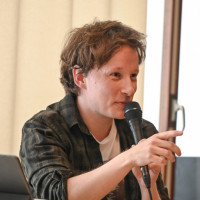
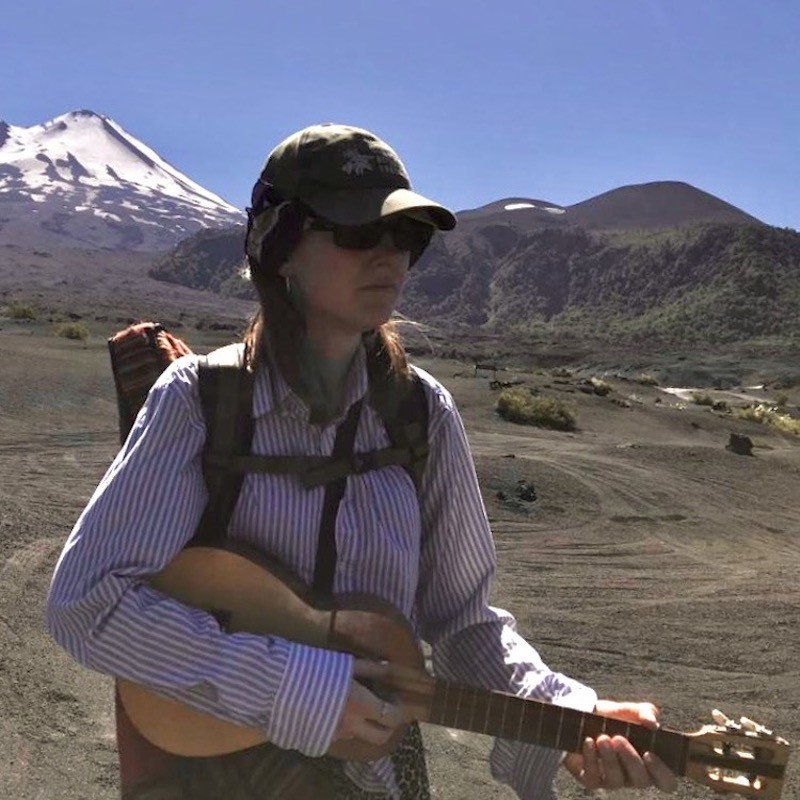
På billede er Annar Follesø, taget af fotografen: Dag Thorenfeldt

© PR

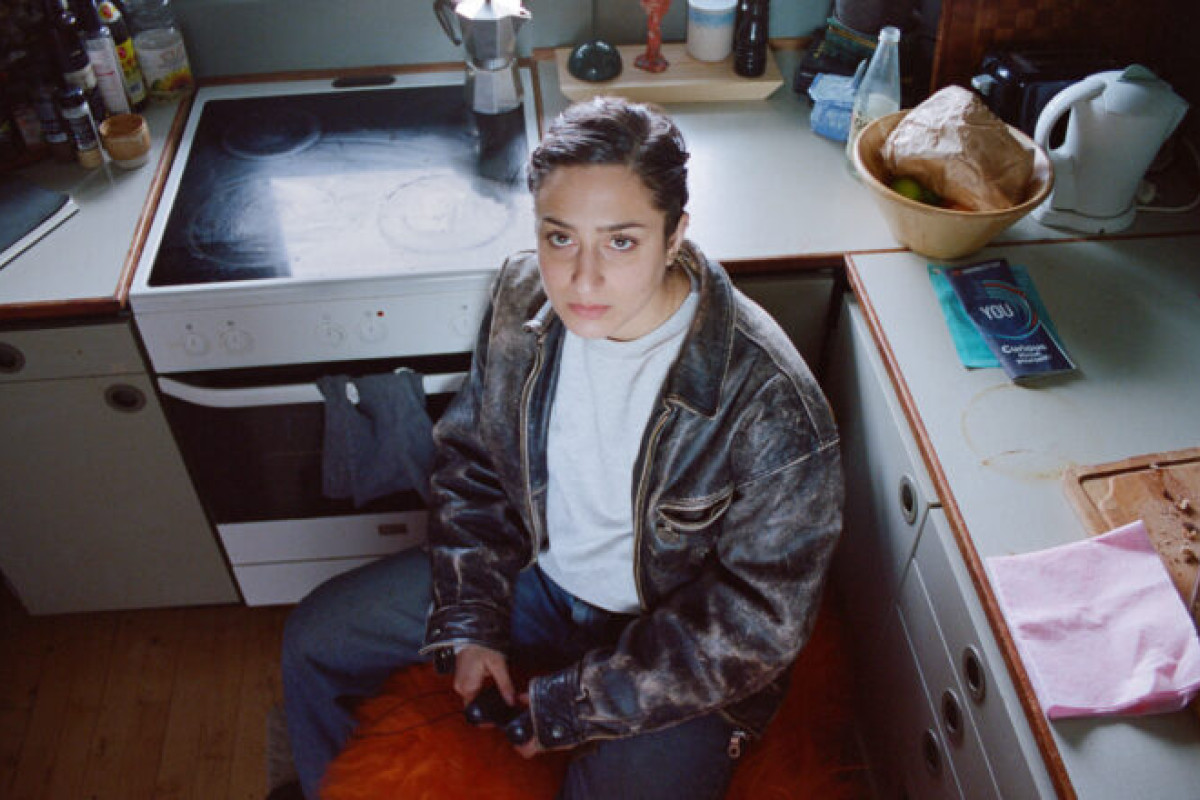
The red Husqvarna sewing machine stood centre stage, buzzing relentlessly like a tireless drummer locked in an endless blast beat. »Järnrör«, »Cyanid«, »Tramadol«, Tehran hissed between squealing guitar amplifiers and in front of videos showing idyllic Swedish roadside art and images of the many Husqvarna weapons. For behind Husqvarna’s innocent garden and household products lies an industry of death – a prism of growing up in Jönköping and an illusion of Swedish neutrality, which the Swedish-Iranian artist Tehran underscored with the concert Husqvarna The Movie.

Each track came with a new video bathed in sewing machine, guitar and growl vocals. But the song »Delam gerefteh« was more subdued, not least because Tehran leaned back in a chair, cigarette in mouth, letting the music and the video speak for themselves.

The evening’s second name, the Canadian-Iranian Saint Abdullah, spent the entire concert with a marker pen in his mouth, occasionally using it to jot down the course of the music. Saint Abdullah’s performance was like watching a radio operator adjusting a crackling signal – from birdsong to acoustic guitar, from news broadcasts to field recordings, the sampler at the centre of the table became a focal point for fragments of faith, culture and migration.

Where Tehran’s concert felt like a rehearsed, healing ritual, Saint Abdullah’s unfolded as an impulsive dialogue between a sea of sound bites. Both performances revolved around Iranian heritage. Not a heritage that necessarily needs to be understood, but one that appears as a mosaic of contradictions – and can only truly be processed in one place: in music.

in brieflive
18.02

Serious Creeps

Simon Toldam: »Insecta«
© Daniel Buchwald
© Daniel Buchwald

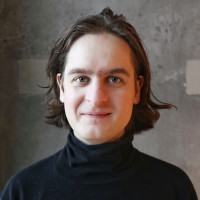
Some dream of discovering life in distant solar systems. Others – like Knud Viktor, Jacob Kirkegaard and now also Simon Toldam – turn the telescope around and uncover unknown life in the immediate yet hidden nature surrounding us. So what did Toldam, the 46-year-old pianist from the experimental jazz milieu, find last night when he turned his gaze toward English photographer Levon Biss’s ultra-close images of beetles, flies and grasshoppers in the world premiere of the hour-long audiovisual trio work Insecta?

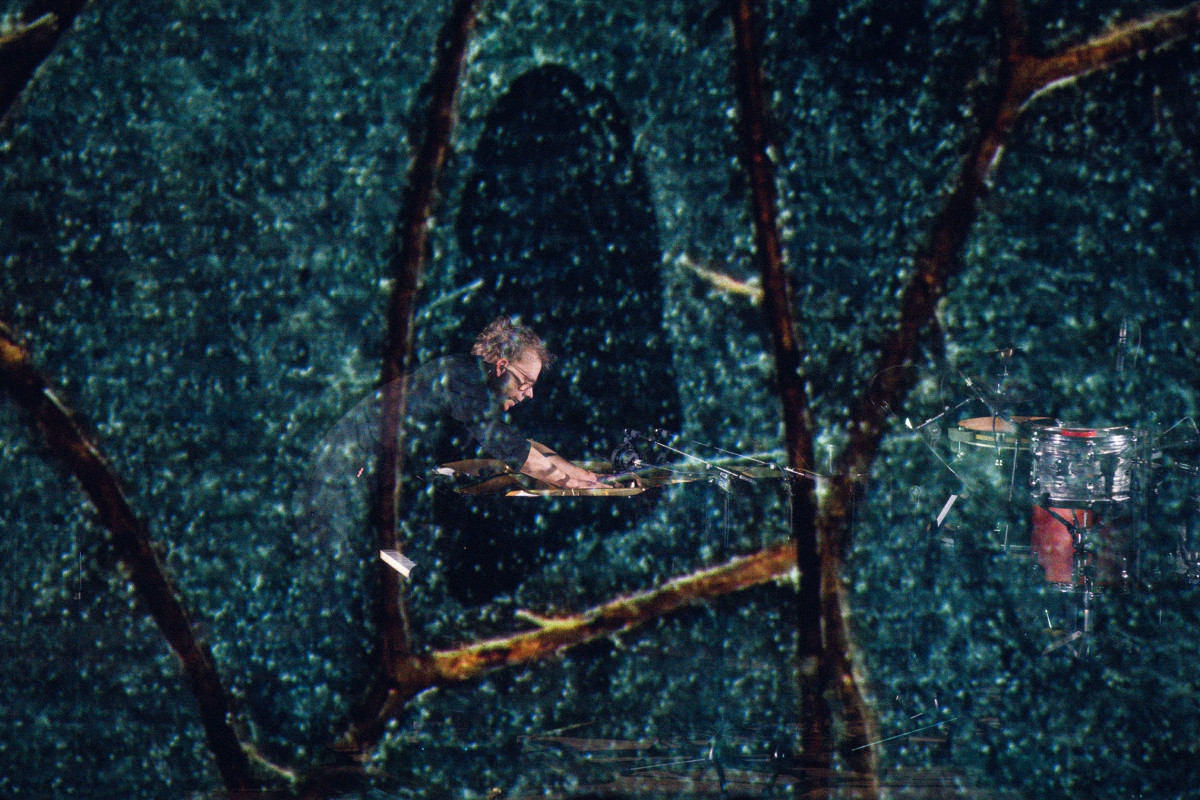
First and foremost, he found a varied and inquisitive interpretation of insect life. Behind a transparent screen, Toldam transformed his prepared grand piano into a kind of gamelan instrument, while on either side of him sounds crept and hissed from saxophonist Torben Snekkestad and percussionist Peter Bruun. The production values were high, and the trio – collectively known as Loupe – moved deftly between the concrete and the spherical.

At times, however, there was something old-fashioned about the expression. As a yellow-brown grasshopper gradually took shape on the screen, nanometre by nanometre, the piano’s metallic cymbal-sounds placed it within an Eastern sonic realm. It resonated with exoticism, with old electronic EMS recordings steeped in atonal serialism, and soon Snekkestad let a plaintive Miles Davis-like trumpet drift through the soundscape.

Yet when, with dramatic flair, he blew air through the same instrument or attached a rubber hose and transformed it into a frothing bass monster – while Bruun stroked metal surfaces or pounded the drums in ritualistic patterns – we were out of the past again. And when Insecta finally leaned into the ambient, and Toldam began bending the gamelan tones with his hands inside the open piano, it was as if not only time but also the distance between oneself and the insects dissolved into a trembling dream image. At that point, it suddenly no longer mattered whether there is life on Mars.

English translation: Andreo Michaelo Mielczarek

© PR

»Music for me is the purest communication! We are constantly trying to understand each other, completely in vain, with our inadequate language, while music speaks pure. I can’t think of a more powerful and influential form of expression. It surpasses visual art, film, theatre, everything. Music is without exception the start of all my work; I often think, if this work were a song, what song would it be?« 

ihsan saad ihsan tahir (b. 1995, UK/DK) graduated from the Royal Danish Academy of Fine Arts (2025) and Goldsmiths University of London (2025) and lives and works in Copenhagen. tahir has previously exhibited at, among others, Kunsthal Kongegaarden, Korsør (2026), SKAL Contemporary, Skagen (2025); 13 Vitrine, Lausanne (2024); Kunsthal Aarhus, Aarhus (2023;2024); Collega, Copenhagen (2024); and All All All, Copenhagen (2023). tahir opens a new, large solo exhibition at O ​​– Overgaden (February 20–May 3, 2026).

in brieflive
16.02

Indigo over Mahler

Anthony Sahyoun, Nour Darwish, Larissa Sansour, Søren Lind: »As If No Misfortune Had Occurred In The Night«
© Joakim Züger
© Joakim Züger

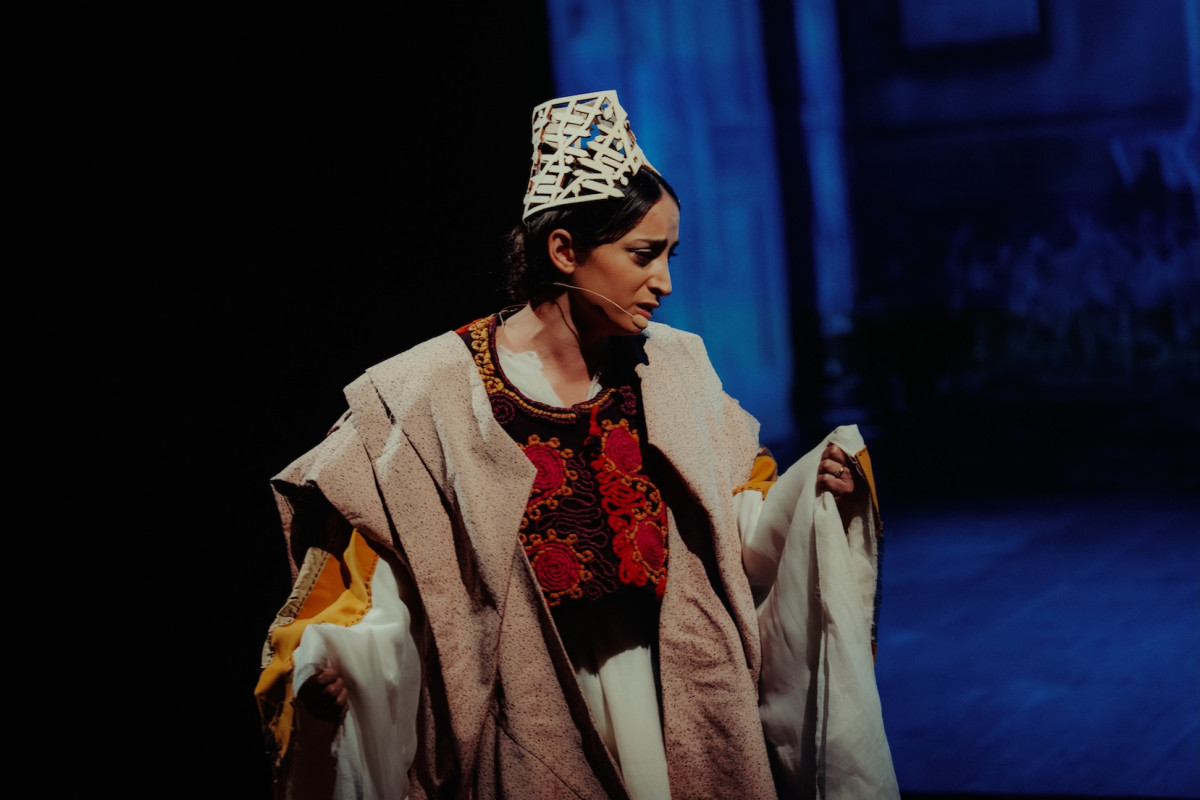
One of my most powerful art experiences of 2025 was British-Palestinian video artist Larissa Sansour’s intense work As If No Misfortune Had Occurred In The Night at Kunsthal Charlottenborg. The piece forms the basis of Thursday’s so-called »opera performance«, in which Palestinian soprano Nour Darwish performs in dialogue with Sansour’s visuals.

When Darwish steps onto the stage, it is before a vast screen where black-and-white scenes from an abandoned chapel establish a solemn atmosphere. It feels as though the entire hall is holding its breath as she begins to sing – tentatively, mournfully at first, then with spine-tingling force.

The composition draws on Kindertotenlieder (1905), in which Gustav Mahler sets to music Friedrich Rückert’s poems on the loss of two daughters. Composer Anthony Sahyoun allows Mahler’s music to merge with the Palestinian folk song »Al Ouf Mash’al«, a lament for a man who fell while serving in the Ottoman army during the First World War. Over time, the song has expanded into an oral account of Palestinian suffering. In its encounter with Mahler, it becomes a lament for centuries of grief – addressed to European ears that, through the colonisation of the region, bear part of the responsibility. Quite simply, it is a very good idea. At first, Darwish alternates between the two musical works, but gradually they fuse into a single narrative of sorrow, loss, and inherited trauma. She briefly leaves the stage, giving way to a filmed sequence in which she descends into a basin and is enveloped by indigo-blue water. In Palestinian tradition, indigo is the colour of mourning, because once it has stained skin and fabric, it cannot be washed away. It must be worn away – just as grief can leave us flayed.

Darwish returns in an indigo dress. At the climax, she falls to her knees as the screen behind her turns black, and I realise I have barely breathed for several minutes. The composition was created in 2022 – before the current war in Gaza – but on this evening, with her immense voice and intense presence, she adds yet another verse to the endless song. At times, art can feel brutally prophetic.

English translation: Andreo Michaelo Mielczarek

© Inga Records

»For me music is life. It contains everything and carries the strongest healing powers there is.«

Mika Akim is the solo project of the viola player, composer and songwriter Mika Persdotter. The project started when Mika found a viola d'amore outside of Prague and started writing songs for it, about and for the body. Exploring open forms, minimalistic approach and mixing influences from folk music, baroque and experimenting with sound. The music is cyclic and honest. Since the project started Mika Akim has released two albums and now the third solo album feb 28 will be released on the 27th of February on Inga Records. 

Besides the solo project Mika Persdotter is an active musician in the experimental music scene as well as the contemporary and baroque fields in Copenhagen. Member of Halvcirkel, Damkapellet, Wolfskin Ensemble and Stök among others.