Under temaet EPIPHANY har den aarhusianske festival for ny musik og lydkunst, SPOR, offentliggjort det fulde program for sin 2017-udgave.

Det engelske ord "epiphany" kan bedst oversættes til dansk som åbenbaring, men dækker også over manifestationer af noget overnaturligt eller magisk. På SPOR 2017 udforsker man gennem temaet små fortryllelser, der er i clinch med hverdagen.

Det kommer i programmet til udtryk gennem forskellige situationer, der erobrer de rum, hvori hverdagslivet udspiller sig og kaster nyt lys over de mønstre og rutiner, som knytter sig til det daglige liv.

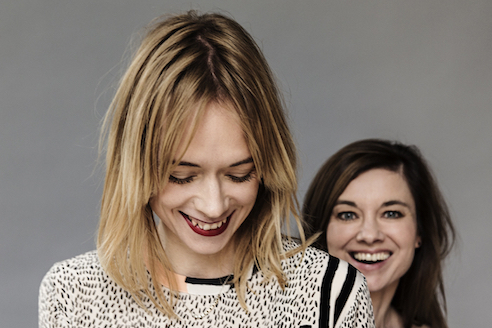
»Eksempelvis laver Ea Borre og Sandra Boss et værk, som tager udgangspunkt i en kendt situation – en gademusikant, som sidder og spiller – det er noget man bumper ind i, når man er i sit almindelige hverdagsliv. Men de vender, drejer og strækker det, så de ender med noget, som bliver en lille bobbel af magi, som både har den her kendte hverdagslige følelse, men som samtidig sætter sig fuldstændigt ud over den«, forklarer den ene af festivalens kunstneriske ledere Anne Marqvardsen.

Værket hedder Sustained Effort og gør brug af en akkordeon-lignende lydskulptur af ekstreme fysiske proportioner, der bliver en del af en offentlig performance i Aarhus' byrum.

Ligeledes laver den polske komponist, performer og kunstner Jagoda Szmytka en syv dage lang performance, hvor hun bor i et udstillingsrum til frit skue for offentligheden. Og således bidrager programmet på forskellig vis med små performative, der rummer åbenbaringer.

»Der er en meget stærk personlighed i årets tema og i de værker og kunstnere, som er blevet inviteret indenfor, og som er blevet udvalgt. Det, der generelt kendetegner SPOR er, at der altid er en ret stram kuratering og tematik, som tegner festivalen rigtigt meget, uanset om vi gør det solo, eller om vi gør det sammen med en gæstekurator. Vi inviterer ikke bare de kunstnere og ensembler ind, der alligevel turnérer i maj måned«, pointerer Anne Marqvardsen.

SPOR er født med idéen om at have en ny kurator hvert år. I 2007 var det Anne Marqvardsen og Anna Berit Asp Christensen, der vandt kuratorkonkurrencen. Året efter indtrådte de som festivalens direktører og har siden givet kuratorstafetten videre til vægtige danske komponister som Bent Sørensen og Simon Steen-Andersen, til udenlandske udfordrere som Joanna Bailie og Jennifer Walshe eller fællesskaber som f.eks. det belgiske Nadar Ensemble, der kuraterede festivalen sidste år. Men på tiåret for deres debut kurateres festivalens program atter af direktørparret Marqvardsen og Christensen.

»EPIPHANY er også et tema og en overskrift, der relaterer sig personligt til det arbejde vi selv har haft med festivalen. Det er vores tiende festival i år, og på en måde tror jeg der ligger en grundforståelse for os begge to af, at vi har arbejdet så utroligt eksperimenterende med den her festival, og vi har valgt at lave så mange ting, som var ukontrollérbare og uden at vide, hvad det ville ende med. Det har affødt de her bittesmå åbenbaringer eller magiske ting, som vi ikke kunne være sikre på. Så der ligger også noget personligt i det tema i forhold til, hvordan vores egen rejse har været med den her festival gennem 10 år«, fortæller Anna Berit Asp Christensen.

Efter at have vokset sig til den institution, den er i dag, har SPOR kræfter til at realisere flere og mere ambitiøse tiltag. Det afspejler sig eksempelvis i projekter som SPOR New Music School, hvor der under festivalen de seneste to år er blevet komponeret samtidsmusik og lydkunst af musikskoleelever på 11-15 år. Men festivalens udvikling ses også i musikprogrammet:

»Alt, hvad der er på programmet, er noget vi holder af på en helt særlig måde, og som betyder rigtig meget for os. Men der er ingen tvivl om, at jeg er rigtig stolt over, at vi i år kan præsentere en meget stor Manos Tsangaris-produktion. Han er en utrolig anerkendt figur på ny-musik-scenen i hele Europa, og man har aldrig haft en Tsangaris-produktion i det format før i Danmark«, afslutter Anna Berit Asp Christensen.

SPOR finder sted i Aarhus 8-14. maj på forskellige lokationer i Aarhus.

Læs mere på festivalens hjemmeside.

© PR

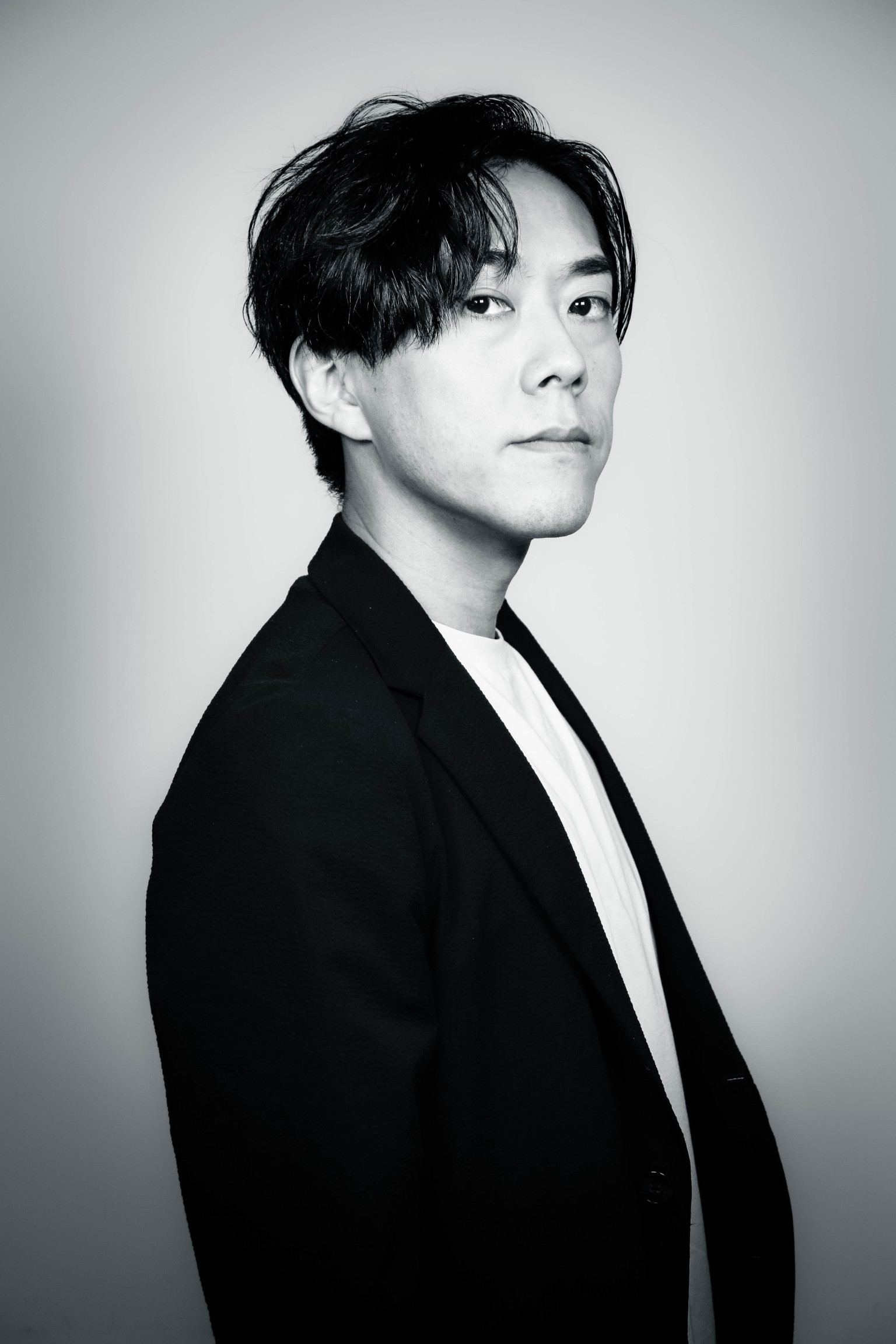
»For me, music is a secret safe place. It is a refuge from society, from who you're expected to be, and from the idea of belonging. It is a space where you're free from conflict and dualistic ways of thinking. It is a place to feel the world without needing to understand it.«

Masaya Ozaki is a composer born in Niigata, Japan. His work is deeply influenced by the transient nature of space and the subtleties of sound within physical environments.  Ozaki views sound not just as a medium, but as a form deeply intertwined with the spaces it inhabits, something that he explores extensively in site-specific projects like Echoes, which involved live performances inside a lighthouse. 

Ozaki’s latest album, Mizukara (2024), is a reflection of his personal and artistic journey, primarily shaped by his experiences in Iceland. The album embraces minimalism and introspection, incorporating field recordings, sparse instrumentals, and the textures of the Icelandic landscape to explore the fluid relationship between self and environment. In recent interviews, he emphasized his shift from purely sound-based compositions to ones that deeply consider the environment and space. His relocation to Iceland has profoundly influenced his work, encouraging him to further merge the boundaries between music, nature, and architecture.  He is also a member of the Reykjavík-based emo anime doom metal band MC Myasnoi.

© Julie Montauk

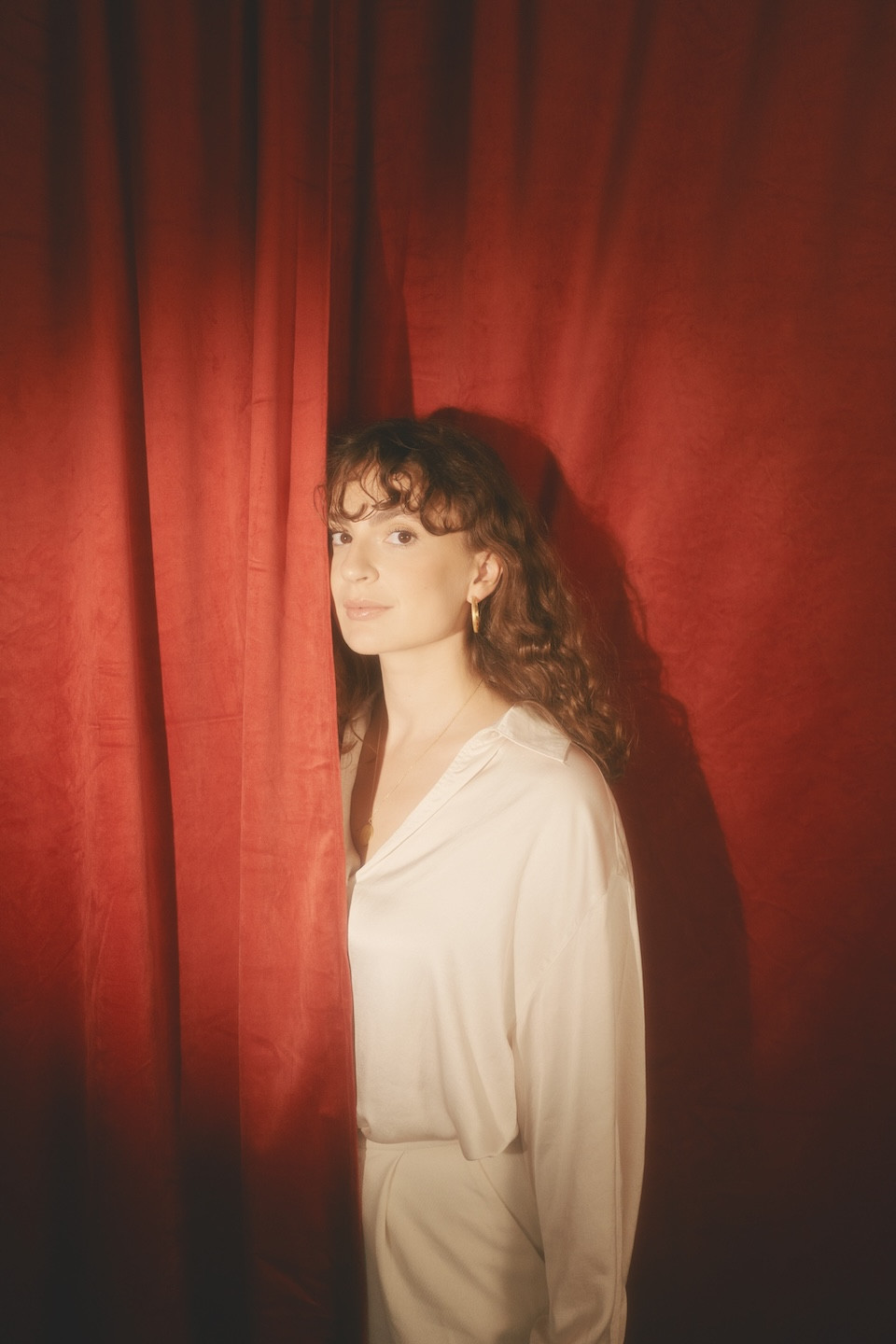
»For me, music is a journey through time; one song can send you back to a childhood summer, a packed dance floor, a breakup – or a sense of hope you thought you had given up.« 

Danish-Corsican Malu Pierini has created her own musical universe somewhere between Copenhagen, Corsica and 1960s Paris. Here, Nordic soul/pop and French chanson meet as she draws threads to her family’s roots in the Parisian cabaret scene, the raw beauty of the Mediterranean and stories that bridge the gap between past and present. Pierini has just released her debut album Libera Me – a cinematic and personal journey into family history and an examination of what we carry with us from those who came before us. The album unites French 60s sounds, bossa references, Corsican folk tunes and indie pop in a story of love, heritage and identity. 

in briefrelease
06.02

Small Snowflakes in a Brutal Snowstorm

Mads Emil Dreyer: »Miniatures«
© PR
© PR

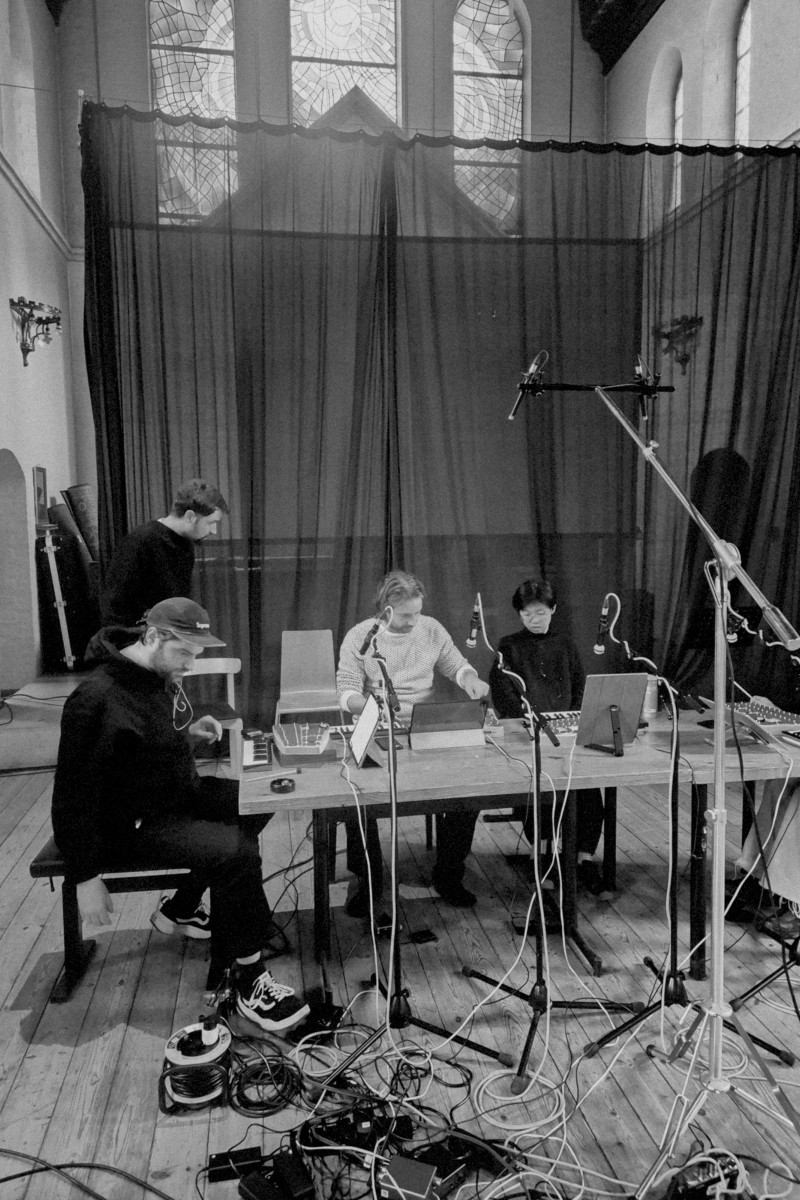
As this review was being written, a snowstorm swept across Denmark, and even Østerbro was submerged in beautiful white snow. This turned out to be a remarkably fitting backdrop for the Danish composer Mads Emil Dreyer’s latest compositions, which are marked by melancholic, childlike phrases of glockenspiel and distant synths. The minimalist works are performed by the ensembles Scenatet, EKKI MINNA, and Athelas Sinfonietta, all of whom share a commitment to contemporary music, uncompromising experimentation, and a playful approach to acoustics and perspectives – qualities that are clearly audible in the works themselves.

Echoes of metallic sound surfaces blend with occasional floating pads, often tipping from the beautiful into the unsettling. The first half of the album is shaped by slightly brighter and more playful melodies, with »Miniature I–II« and »I–III« in particular delivering beautiful themes that frequently strike straight to the heart. A brief intermezzo opens the album’s second half, where abrasive keys and pads are introduced, and the ringing glockenspiels hover above the listener like eerie shadows or frightening ghosts.

The suites are short, simple, and effective, yet at the same time deeply atmospheric. In a short space of time, Miniatures has become a favored sonic space for this reviewer when there is a need to retreat into the chambers of the mind, where the blend of glockenspiel and principles of chance appears like small, glistening snowflakes in a long and brutal snowstorm.

in briefrelease
04.02

Poetic Nocturnal Rummaging

Bent Sørensen: »12 Nocturnes & Piano Concerto No. 3, La sera estatica«
Bent Sørensen. © Peter Christian Christensen

Why is it that one can always recognize a lullaby? This musical archetype, circular and hushed, sung into us with mother’s milk. Composer Bent Sørensen’s solo piano cycle 12 Nocturnes is a tribute to the night’s musical cultural heritage. The nocturne – a nocturnal, lyrical composition – merges with, among other forms, lullabies and cantatas in a poetic narrative from sunset to sunrise about what is close at hand and yet unfathomable: that the sun rises, that children are born, that stars can be glimpsed through small windows on earth, that the piano can create worlds with twelve tones.

Bent Sørensen wrote the twelve short nocturnes between 2000 and 2014 for pianist (and wife) Katrine Gislinge. They have previously been released digitally. Now they appear as a studio recording paired with Piano Concerto No. 3, La sera estatica. The premiere of this “ecstatic evening” stands in contrast to the nocturnes’ simple, balanced forms. With a dramatic opening, multiple orchestral groups, and crackling storminess in the soundscapes, the dreamy nocturnal universe is ruptured by a surging ardor that unfolds in two parts, where purer melodic lines gradually take over the second – complete with a distinct (night?) bell.

Yet the piano concerto’s sovereign quality does not quite come into its own when presented as a postscript to the nocturnes’ rounded narrative. The two elements work best separately, so that the ecstatic evening for full orchestra does not puncture the magic of stars scattered blinking across the piano’s staccato attacks, or Sigrid’s nocturnal dances and lullabies. There is ample drama in the beautifully conveyed single night – for even the child Sigrid will one day no longer be sung to sleep.

© PR

»For me, music is a rush in the chest – a way of understanding and expressing emotions.«

Cecilie Penney (b. 1990, Denmark) will be presenting the exhibition Rest and Routine – Duet for Sanatorium and Modern Hospital at Nikolaj Kunsthal from February. She is a visual artist and electronic composer working across sound, installation, video, and text. Her practice explores how infrastructure and cultural norms shape human behaviour, and how emotions and empathy unfold within structural, linguistic, and technological systems.

In recent years, Penney has focused in particular on the Scandinavian healthcare system and on how patients navigate institutions that can be difficult to access and understand. Through a conceptual approach, she examines how patients are often expected to conform to rigid frameworks that fail to accommodate individual needs. By creating imagined or alternative worlds, Penney explores new possibilities for healing and transformation within bureaucratic systems, while inviting reflection on how systemic change might emerge from emotional insight and collective rethinking.

Penney holds an MFA from the Royal Danish Academy of Fine Arts in Copenhagen and a BFA in Fine Art Photography from HDK-Valand in Gothenburg.