Under temaet EPIPHANY har den aarhusianske festival for ny musik og lydkunst, SPOR, offentliggjort det fulde program for sin 2017-udgave.

Det engelske ord "epiphany" kan bedst oversættes til dansk som åbenbaring, men dækker også over manifestationer af noget overnaturligt eller magisk. På SPOR 2017 udforsker man gennem temaet små fortryllelser, der er i clinch med hverdagen.

Det kommer i programmet til udtryk gennem forskellige situationer, der erobrer de rum, hvori hverdagslivet udspiller sig og kaster nyt lys over de mønstre og rutiner, som knytter sig til det daglige liv.

»Eksempelvis laver Ea Borre og Sandra Boss et værk, som tager udgangspunkt i en kendt situation – en gademusikant, som sidder og spiller – det er noget man bumper ind i, når man er i sit almindelige hverdagsliv. Men de vender, drejer og strækker det, så de ender med noget, som bliver en lille bobbel af magi, som både har den her kendte hverdagslige følelse, men som samtidig sætter sig fuldstændigt ud over den«, forklarer den ene af festivalens kunstneriske ledere Anne Marqvardsen.

Værket hedder Sustained Effort og gør brug af en akkordeon-lignende lydskulptur af ekstreme fysiske proportioner, der bliver en del af en offentlig performance i Aarhus' byrum.

Ligeledes laver den polske komponist, performer og kunstner Jagoda Szmytka en syv dage lang performance, hvor hun bor i et udstillingsrum til frit skue for offentligheden. Og således bidrager programmet på forskellig vis med små performative, der rummer åbenbaringer.

»Der er en meget stærk personlighed i årets tema og i de værker og kunstnere, som er blevet inviteret indenfor, og som er blevet udvalgt. Det, der generelt kendetegner SPOR er, at der altid er en ret stram kuratering og tematik, som tegner festivalen rigtigt meget, uanset om vi gør det solo, eller om vi gør det sammen med en gæstekurator. Vi inviterer ikke bare de kunstnere og ensembler ind, der alligevel turnérer i maj måned«, pointerer Anne Marqvardsen.

SPOR er født med idéen om at have en ny kurator hvert år. I 2007 var det Anne Marqvardsen og Anna Berit Asp Christensen, der vandt kuratorkonkurrencen. Året efter indtrådte de som festivalens direktører og har siden givet kuratorstafetten videre til vægtige danske komponister som Bent Sørensen og Simon Steen-Andersen, til udenlandske udfordrere som Joanna Bailie og Jennifer Walshe eller fællesskaber som f.eks. det belgiske Nadar Ensemble, der kuraterede festivalen sidste år. Men på tiåret for deres debut kurateres festivalens program atter af direktørparret Marqvardsen og Christensen.

»EPIPHANY er også et tema og en overskrift, der relaterer sig personligt til det arbejde vi selv har haft med festivalen. Det er vores tiende festival i år, og på en måde tror jeg der ligger en grundforståelse for os begge to af, at vi har arbejdet så utroligt eksperimenterende med den her festival, og vi har valgt at lave så mange ting, som var ukontrollérbare og uden at vide, hvad det ville ende med. Det har affødt de her bittesmå åbenbaringer eller magiske ting, som vi ikke kunne være sikre på. Så der ligger også noget personligt i det tema i forhold til, hvordan vores egen rejse har været med den her festival gennem 10 år«, fortæller Anna Berit Asp Christensen.

Efter at have vokset sig til den institution, den er i dag, har SPOR kræfter til at realisere flere og mere ambitiøse tiltag. Det afspejler sig eksempelvis i projekter som SPOR New Music School, hvor der under festivalen de seneste to år er blevet komponeret samtidsmusik og lydkunst af musikskoleelever på 11-15 år. Men festivalens udvikling ses også i musikprogrammet:

»Alt, hvad der er på programmet, er noget vi holder af på en helt særlig måde, og som betyder rigtig meget for os. Men der er ingen tvivl om, at jeg er rigtig stolt over, at vi i år kan præsentere en meget stor Manos Tsangaris-produktion. Han er en utrolig anerkendt figur på ny-musik-scenen i hele Europa, og man har aldrig haft en Tsangaris-produktion i det format før i Danmark«, afslutter Anna Berit Asp Christensen.

SPOR finder sted i Aarhus 8-14. maj på forskellige lokationer i Aarhus.

Læs mere på festivalens hjemmeside.

© Mari Liis

»Music and sound for me is a language, the most present and fleeting one. It’s something that passes through your heart and becomes the past in a second. Music amplifies every emotion, love, happiness, anger, sadness a thousand times over, making me feel everything more deeply and sensitively.«

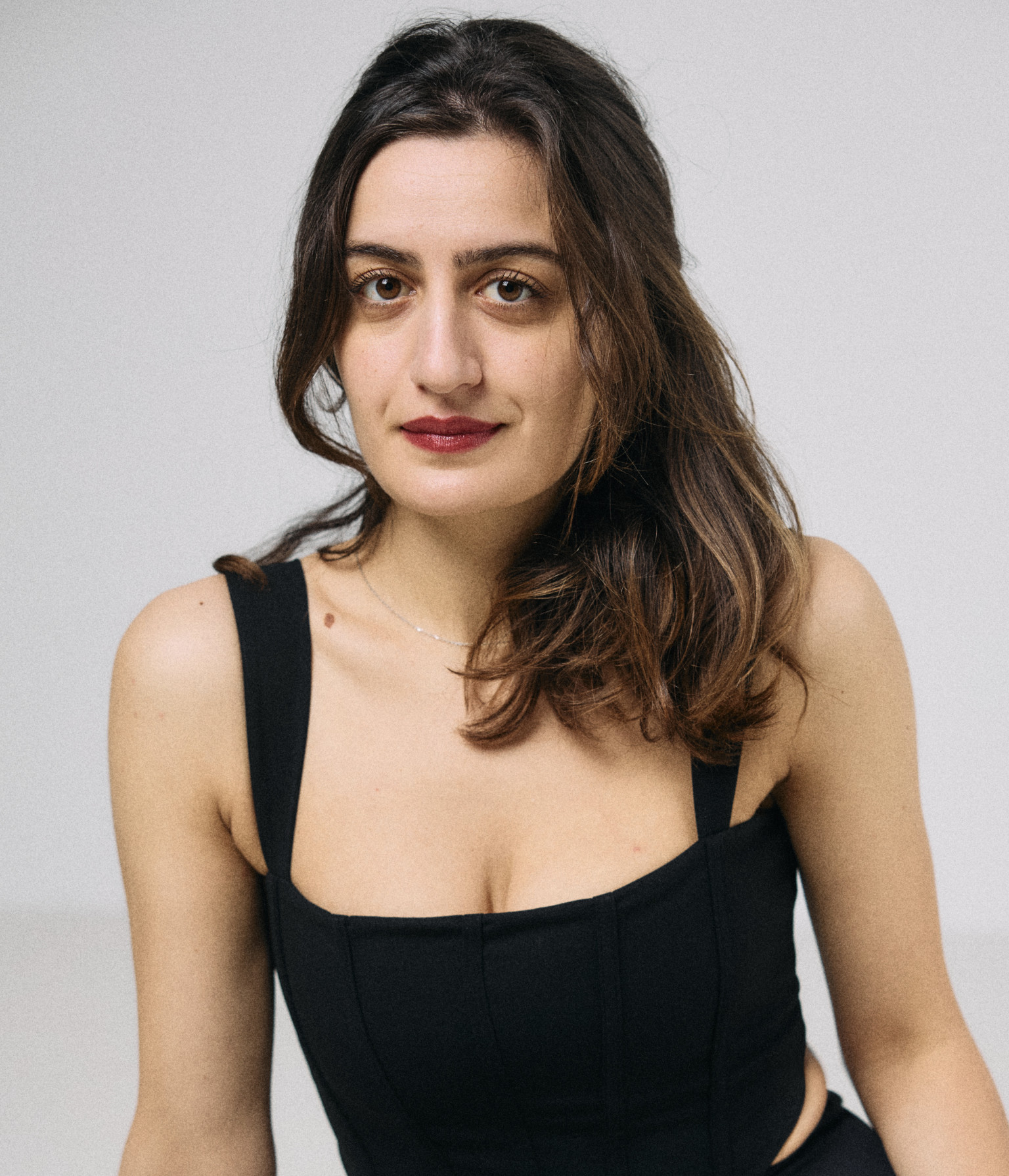
Sophia Sagaradze is a sound artist, composer, and performer from Georgia, based in Denmark. She experiments with space, multichannel electronics and audio-visual installations. Sagaradze is interested in creating works that explore the boundary between external and internal experiences of space. She holds a bachelor’s degree in classical composition from Tbilisi State Conservatory and a master’s degree in electronic composition from DIEM Royal Academy of Music, Aarhus/Aalborg. In 2022, she received the Carl Nielsen and Anne Marie Carl-Nielsen Foundation’s Talent Award in Composition. Sagaradze has performed in several countries, received commissioned works for ensembles, performed live and created audio-visual installations. She is a founder and artistic director of Aarhus Sound Association (Aarhus Lydforening), Project leader at ROSA  and a lecturer at the Royal Academy of Music, Aarhus/Aalborg.

»Like all art, music is a language for emotions, dreams, and the search for meaning—but for us it is just as crucial that music is a path to community.«

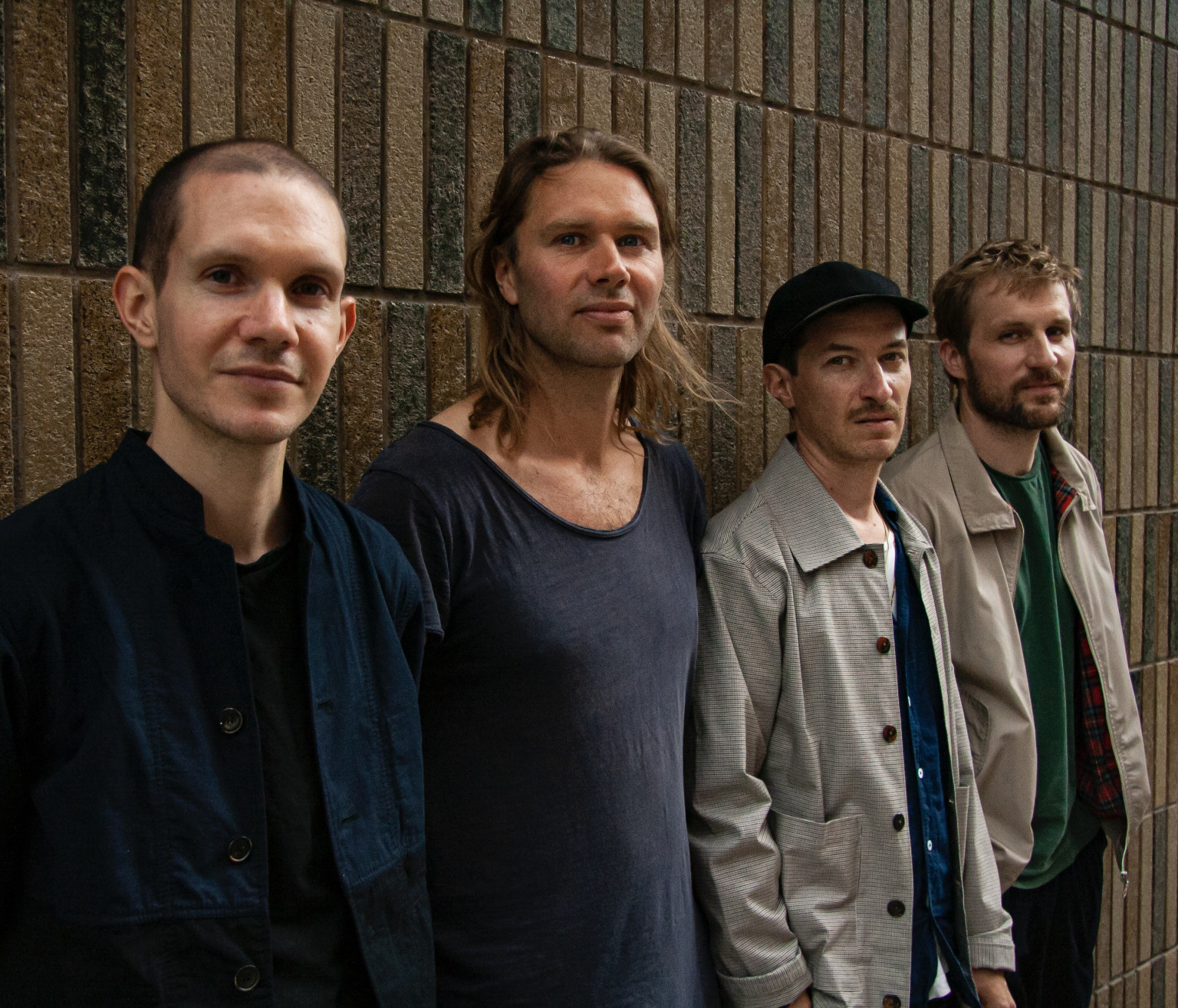
Girls in Airports is a Danish instrumental band with a palette that draws in particular on jazz, electronic music, and sounds from distant horizons. Since their debut album in 2010, they have created a sonic universe in which saxophones, synths, and pulsating grooves meet in a collective and dreamlike expression. Recently, the band has focused on artistic collaborations with, among others, Teitur and Aarhus Jazz Orchestra, and they are now on their way with a new album created in collaboration with the string trio Halvcirkel.

© @joachimdabrowski

»Music, to me, is the lifeline to the world that more than anything else creates emotional resonance and fills my head with confetti of thought.«

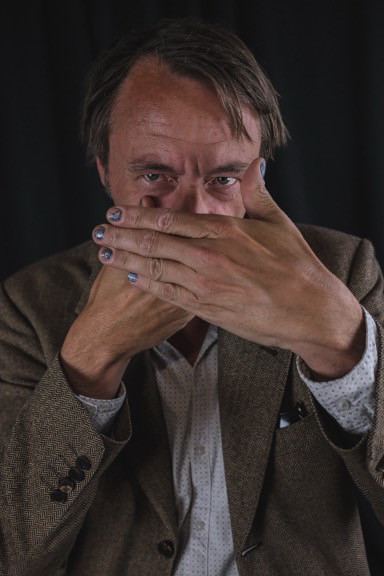
Steen Andersen is a cultural entrepreneur, festival manager, and writer. He is a co-founder of Lost Farm Festival and has coordinated projects such as Copenhagen and Odden Sauna Festival, the collective workspace PB43, the cultural venue BYGN 5, and Prags Have. Over the years, he has written books and articles on urban activism, entrepreneurship, and culture, including Byen bliver til and Learning from Sierra Leone together with Architects Without Borders, which won the Danish Architectural Association’s Initiative Award. He is currently based in Ukraine, where he is coordinating Lost Farm Festival’s Art Exchange Program, and has just curated the exhibition HIDE and SEEK with young Ukrainian artists in Kyiv.

in brieflive
29.10

Islands Of Sound Rising From the Sea

Athelas Sinfonietta: »Nordic Sounds«
© Kasper Vindeløv
© Kasper Vindeløv

Veroníque Vaka’s ongoing project to pin some of earth’s most momentous geological processes down in notated music is proving beguiling. The latest fruit was premiered on Saturday at Nordatlantens Brygge. Eyland (»Island«) was inspired by the formation of the island of Surtsey, which appeared 33km of Iceland’s coast on 14 November 1963 following a volcanic eruption.

Much of the Canadian-Icelandic composer’s work charts decline; its musical movement tracing harvested data around ecological destruction and decay. Eyland is about creation, and Vaka seemed to revel in the wonder and grandeur of it. The 15-strong Athelas Sinfonietta sounded with the sweep of a symphony orchestra under Bjarni Frímann and Jónas Ásgeir Ásgeirsson’s solo accordion like the emergent island itself, edging up from the spray with magnificent, slow force.

Some of the other five pieces in this concert focusing on music of the North Atlantic could feel like a ritualistic preparation for Vaka’s – a testament to the composers’ focus more than their lack of weight. Around the clear long lines of Eli Tausen a Láva’s Álvan are distinctive North Atlantic sparkle and harmonic depth; Daníel Bjarnason’s Skelja is a miniature sonic romance between harp and percussion and Friðrik Margrétar-Guðmundsson's Fikta a smudged chorale, played with shamanistic intensity by Ásgeirsson. Anna Thorvaldsdottir’s Entropic Arrows focused the mind with its threading of long string tendrils from out of frantic wind and percussion action.  

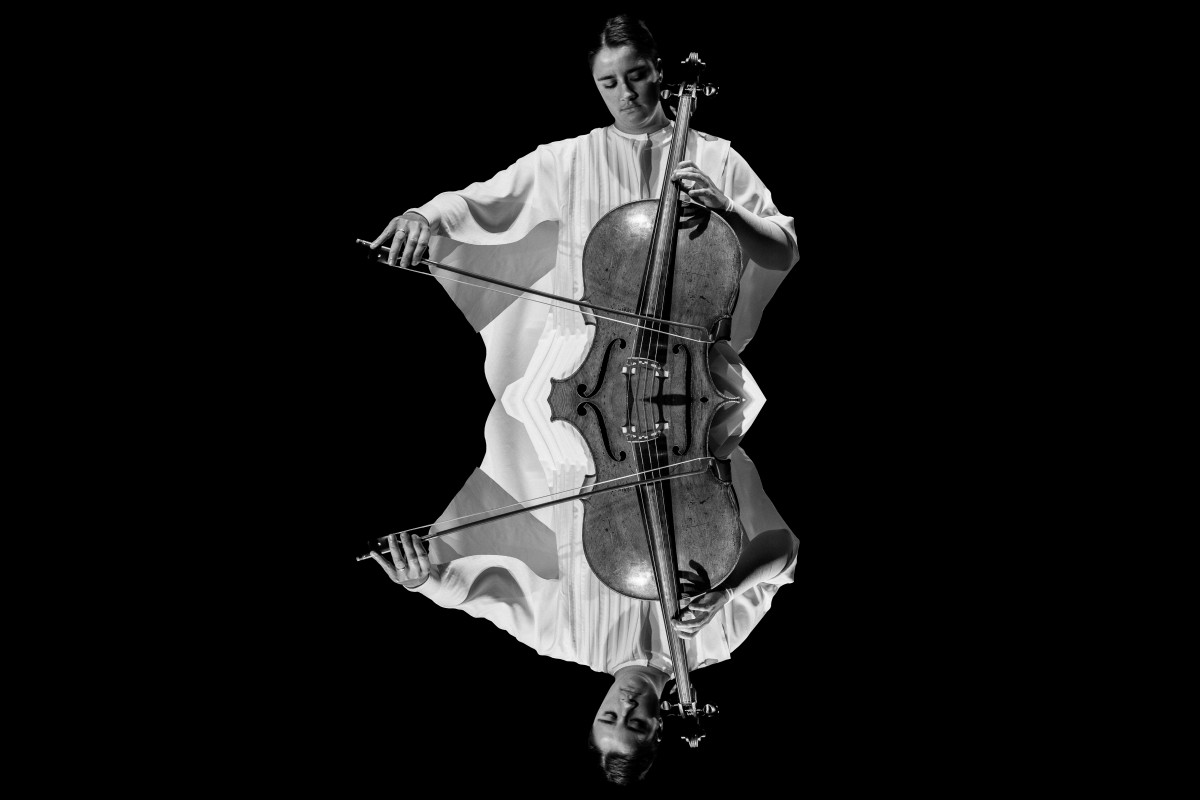
The other premiere was Aya Yoshida’s Song of the Voice – a non-vocal echo of the Faroese song tradition for cello and ensemble in which, at one point, you hear a chain-dance ratcheting round. The work is not without some imagination and effectiveness, but it was made to sound incoherent and unfocused by what surrounded it here. 

in brieflive
29.10

What Do the Mad Want With an Opera House?

OperaHole: »screen (mad scenes)«
© PR
© PR

Denmark is lacking opera houses, a recent call in Politiken declared. And indeed: with only a single major, rather conservative opera house, we don’t quite make our mark on the grand stage. On the other hand, we can boast a flourishing opera life on the stages outside the established institutions. And with the Copenhagen music collective OperaHole, a new player has now entered the field.

Last week, the two singers and artistic directors Litha Ashforth and Daniel Rosenberg, both raised in the United States, presented OperaHole’s first production: a kind of surprise egg consisting of Rosenberg’s own character study recursion for two actors, the mad scene from Donizetti’s Lucia di Lammermoor, and Peter Maxwell Davies’ 8 Songs for a Mad King – all three performed in one continuous flow in a white commercial film studio.

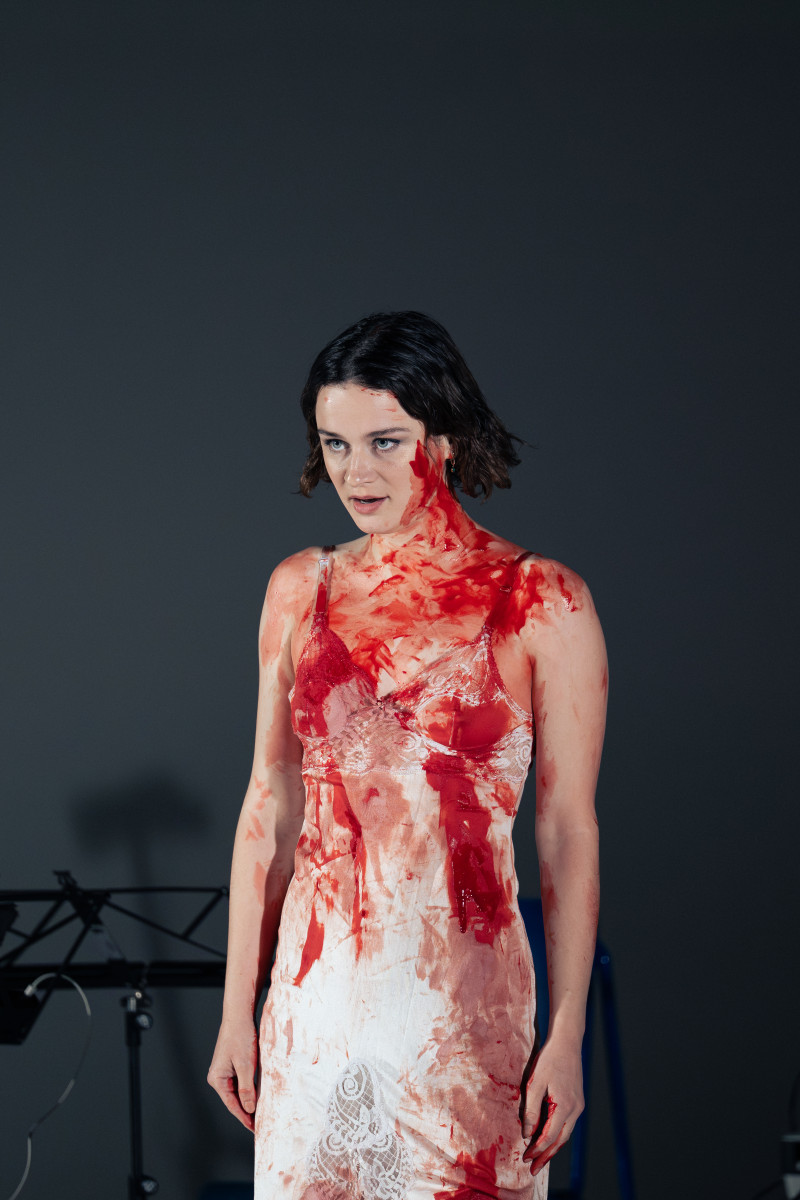
What was interesting, of course, was the juxtaposition of a short play, a classical scene, and one of the most abrasive monodramas of the last 60 years. The thematic common denominator was madness: Rosenberg, a so-called spieltenor with a wide range and comic talent, first skewered devilish variations of latte-drinking Copenhageners in his play, before coloratura soprano Ashforth slipped in wearing a white chemise soaked in blood and sang Donizetti with nimble desperation and a soft sweetness, accompanied by flute and piano.

Finally came the monodrama with Rosenberg as the mad king, staged as a social-media workshop in which the performance was commented on in a livestream (LeaHan1997: »Not this again«!) and screenshots were pasted together into memes in real time. It was spirited – musically as well – but insular, and the work itself disappeared in the process.

Once the collective’s youthful enthusiasm for new media has settled, OperaHole nevertheless looks like a strong contender to carry on our tradition of playful underground opera.

English translation: Andreo Michaelo Mielczarek