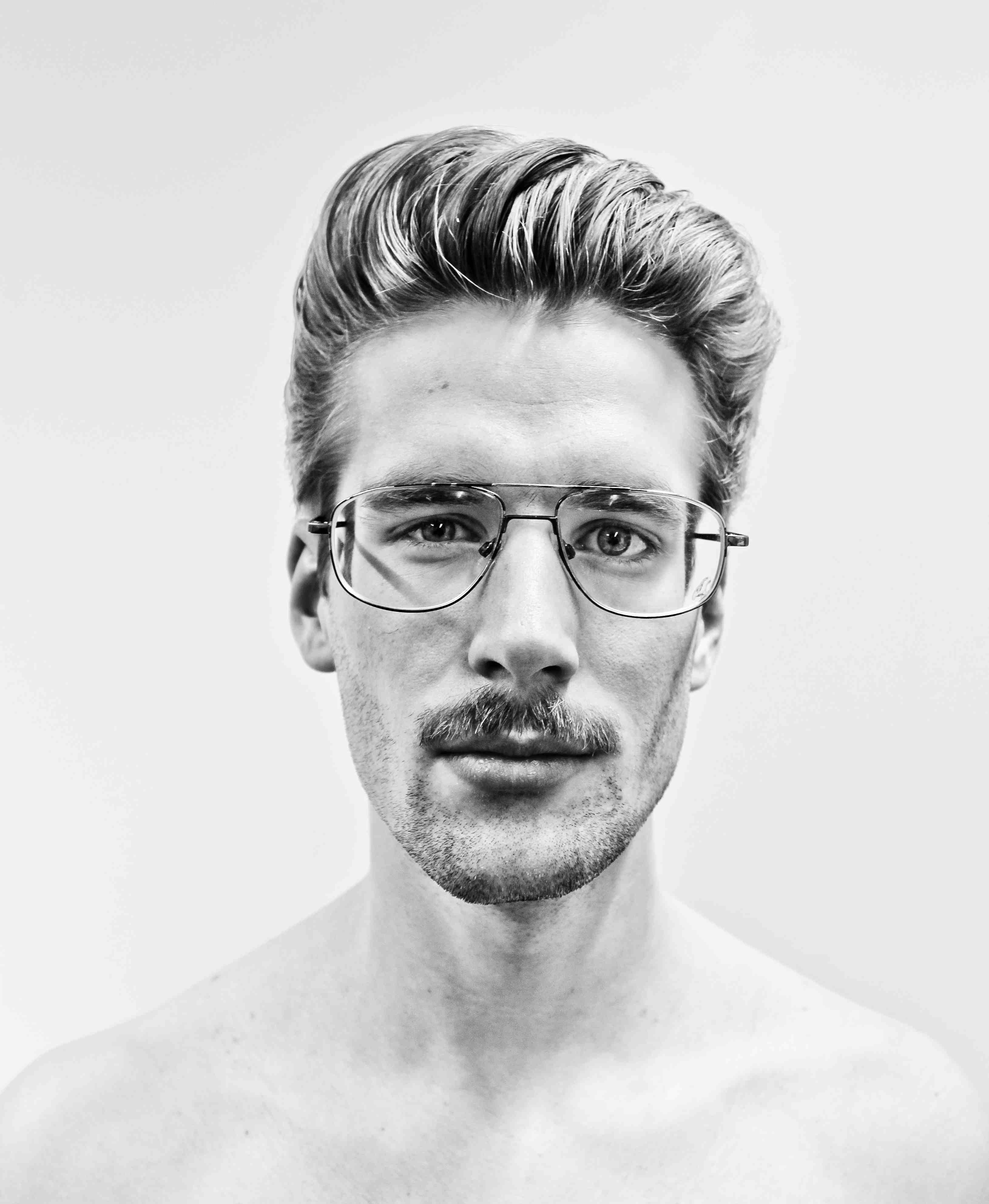
Hvorfor har du valgt at spille så mange uropførelser til en koncert?
På mit masterstudium har jeg tidligere arrangeret «Erik Nerheim Saxofonfestival 2012», hvor jeg afholdt 25 koncerter på tre dage. Dette var blandt andet et forsøg på at gøre noget spektakulært - men uden at det blev på bekostning af det musikalske indhold. Den koncert ville jeg gerne følge op på og valgte at sætte rekord i uropførelser. Koncerten på søndag med navnet «68 kompositioner» er også spektakulær, men har alligevel en musikalsk tyngde og et fokus: at det er muligt at formidle klassisk saxofon og samtidsmusik til et bredt publikum - uden at det bliver på bekostning af musikken.

Herudover er det også vigtig at forny litteraturen og altså blive ved med at bestille nykomponeret musik til saxofonen. Bare til denne koncert er saxofonrepertoiret blevet betragteligt udvidet. Det er vigtigt ikke bare at konservere men også at forny.

For mig er det interessant med en sådan slags «collagekoncert», der springer fra stil til stil og udtryk til udtryk - hvert eneste minut. Jeg har inviteret alle til at skrive, som havde lyst, så derfor er der også en grad aleatorik i projektet. Det synes jeg er spændende. Jeg satte en form på koncerten og inviterede folk til at fylde den med det, de havde lyst til, indenfor de rammer jeg havde sat (max 1 minut, for saxofon mm.). Jeg vidste ikke, hvad folk ville skrive eller i hvilken stil, og det har været umådeligt spændende at modtage værker og begynde at arbejde med dem. Jeg ville gerne lave noget kollektivt, hvor jeg ikke var eneansvarlig og alene havde kontrol med, hvordan udtrykket blev.

Værkerne er primært skrevet af nordiske komponister, hvorfor?
Bortset fra en komponist, er de alle nordiske eller studerer i et nordisk land. Hovedgrunden til dette er nok så enkelt som min kontaktflade og netværk, da jeg kender flere komponister i de nordiske lande. Da det i april gik op for mig, at jeg ville lave dette projekt, annoncerede jeg det på facebook, ligesom jeg skrev e-mails til komponister og musikere, som jeg kender. Det var ikke et mål, at det stort set udelukkende skulle være nordiske komponister, men sådan blev det, efterhånden som folk svarede tilbage.  

Mellem hvert værk, skal der ikke klappes. Er der ikke en fare for at det enkelte værk glider i baggrunden til fordel for én stor komposition? 
Det er selvfølgelig meget på grund af tid og koncertdramaturgi, at folk ikke skal klappe imellem hvert værk, men det er jo også for at understrege selve konceptet. Ofte er det 68 musikere som spiller én komponist. Her vender jeg det på hovedet: 68 komponister fremføres af én musiker. På en måde kan man sige, at magtforholdet mellem komponist og udøver er blevet byttet rundt. Det er jo klart, at hvert eneste værk, som er blevet leveret til mig til koncerten, har en værdi i sig selv, men samtidig bliver de også en del af et større værk – i dette tilfælde koncerten med den aktuelle udøver. Den røde tråd igennem alle kompositionerne på denne koncert er, at det bliver opført af mig. Hele koncerten, sat sammen af 68 etminutsværker, bliver jo også et stort musikværk, i tillæg til at koncerten og alt omkring den selvfølgelig bliver et konceptværk. Alle musikere i et orkester er selvfølgelig vigtige i sig selv, men de udgør også noget mere end kun sig selv, når de har funktionen af musiker i et orkester. For mig er der en pointe i at understrege denne problematik. 

Når alt dette er sagt, så er det vigtigt for mig at præcisere at alle de kompositioner, jeg har modtaget, er vældig gode, og har en stor værdi enkeltstående. Målet for koncerten er, at både den enkelte kompositioner og makrokompositionen kommer tydelig frem.

Koncerten er 2. juni kl. 19.00 i Lindemansalen,
Norges musikkhøgskole, Slemdalsveien 11. 

Læs mer om koncerten
Koncerten ligger også på Facebook

Foto: Silje Måseide

in brieflive
22.04

The Voice in My Head

MØR Collective: »Vildnis – der vokser græs ud af min hovedskal«
© PR
© PR

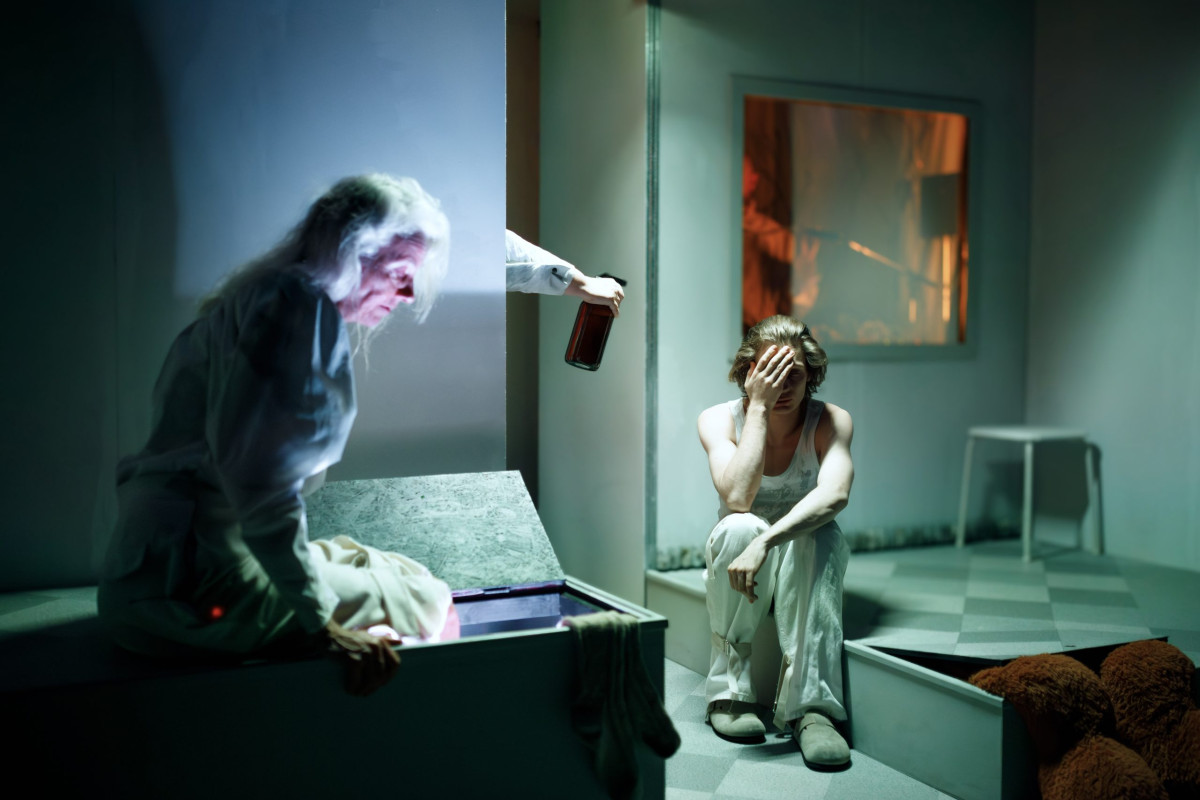
»Is your head also filled with voices that aren’t your own?« the young man asks. The question forms the central theme of Vildnis (Wilderness], a performance by the theatre group MØR collective, and most people would probably answer yes. But whose voices are they, and where do they come from?

In the introduction, Vildnis is described as »a journey into the engine room of theatre.« Playwright Abelone Koppel has written 80 short texts, and each evening a selection is activated by two performers who do not know in advance which texts they will receive through their earpieces. In a back room, a prompter reads the texts aloud, which the actors immediately translate into movement and voice on stage. It could easily have gone wrong. It doesn’t – and much of the credit goes to the two performers, whose work makes the concept function so well.

Also present on stage is composer Mika Forsling, who, through electronic means and abundant percussion, follows the mood unfolding between the performers – but unfortunately not much more than that. I actually found it somewhat difficult to hear what was going on and, at times, forgot about it altogether, as it felt relatively insignificant. It would have been an obvious choice to use the voice itself as an instrument in a performance centered on inner voices, and it is hard to understand why this opportunity is missed.

One should not see Vildnis for the music alone, even if it becomes more prominent towards the end, when the roles are reversed and Forsling’s rhythms seem to guide the performers’ movements. Nevertheless, Vildnis emerges as a cohesive and engaging experience, despite the unpredictability of the experiment.

English translation: Andreo Michaelo Mielczarek

© Mads Skarsteen, CPF

»Music for me is the fifth dimension of life, connecting all the others.«

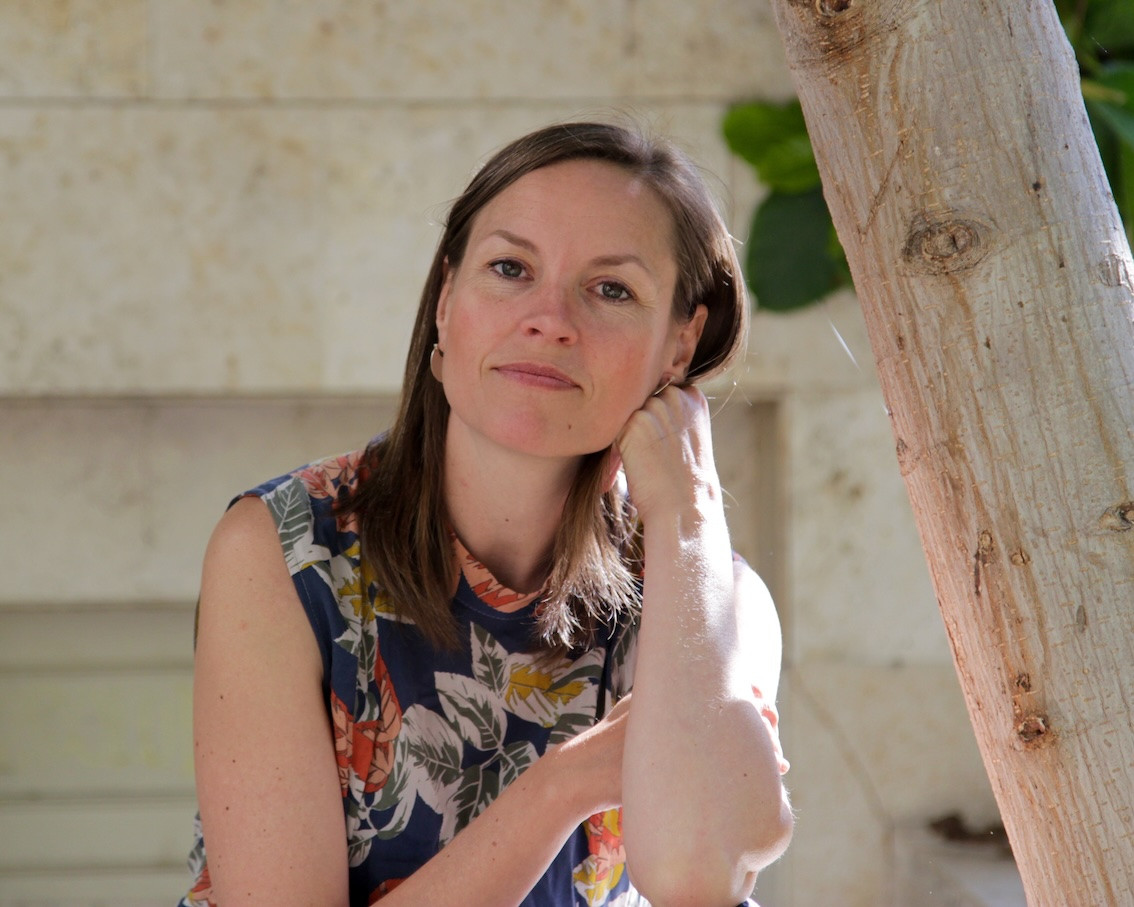
For the past 10 years, Maja Dyrehauge Gregersen has been at the helm of the Copenhagen Photo Festival – the largest photography festival in the Nordic region. The Copenhagen Photo Festival is an international platform with over 1000 annual applicants from all over the world – and a clearly curated level that attracts world names and has lifted the festival out of its original, more local and open form.

© Jesper Van

»Music for me is something that’s constantly playing in my head. I can’t switch off that part of my brain where new melodies and rhythms emerge and take shape – hardly even when I’m asleep. For that reason, I’m not really a big music consumer. One exception is live concerts and music festivals, where I love seeking out music I don’t already know and letting myself be surprised – most recently the intriguing band Nebulah, emerging from the Esbjerg Academy of Music. At home, it’s our 19-year-old daughter who controls the playlist. She sings backing vocals on my album and has introduced me to many artists over the past years. Through her, it’s also been great to rediscover classic artists like CV Jørgensen, Stevie Wonder, and Joni Mitchell. Very inspiring.«

LOH is a Danish songwriter and pianist. The piano has been part of his life since childhood, but until recently it was overshadowed by a career in the TV industry, where he worked as a documentary producer, creating hundreds of programs for Danish television. His debut album Logger Ud, released in March 2026, features Danish-language folk-pop songs with a touch of Nordic jazz.

in brieflive
17.04

The Kids Are Alright

Ligeti Quartet: »Workshop concert«
Ligeti Quartet. © Louise Mason

I know, I know. A workshop concert at the conservatory: yawn. And no, hardly anyone showed up – apart from Bent Sørensen. Fair enough. But yes, you missed out. Especially on young Albert Laubel, who did exactly what you hope someone will do at this kind of concert: suddenly step forward, make a mark, and promise something for the future.

It was the English Ligeti Quartet visiting the Royal Danish Academy of Music for the seventh time to work with the students. And they did so with both commitment and precision. (Someone should really give them a prize one day – say, someone sitting on a fortune they clearly don’t know what to do with.)

Lucas Fagervik’s Bells & Canons set up stark oppositions, as composers tend to do in exercises of style: a bright, slightly fractured minor chord set against gentle baroque pastiche in increasingly rapid alternations. Then a movement with brutal – almost banal – glissandi, another with heavy bow strokes, and a final one in which the strings took turns trying to keep a single tone alive. A beautiful, constructive, and Jürg Frey–porous landing.

A different kind of circus instinct drove Yifan Shao’s ultra-short Dreams Evaporated Too Soon, which sounded like abused sounds dragged across a floor. The ending was ultra-theatrical: the quartet froze mid-air for a moment before scraping the last traces of life out of the strings.

»I can make this even more mannered,« Jonas Wiinblad must have thought, opening his String Trio with Viola – not a quartet, of course! – with silent playing. But cliché turned into quiet poetry as small, innocent intervals slowly emerged in tight patterns. When the viola was finally allowed to join, it went against the grain: a virtuosic solo cadenza with falling bow strokes, shimmering overtones, and temperament. Boom! A striking contrast. Less convincing was the piece’s apparent need for a final, unnecessary layer of electronic distortion. Still, points for mannerism.

What remained was Albert Laubel’s String Quartet as the most fully realized work of the concert. Not overthought, just a seamless movement between dynamic extremes. Distinctive trills were elegantly disarmed by inserted snaps, glissandi sounded like part of an internal logic rather than mere effect, and the sound world shifted with calm dramatic overview. Substance and maturity in 2026 – well, well.

English translation: Andreo Michaelo Mielczarek

in briefrelease
13.04

A Cave of Sound: TAK Ensemble Cuts into the Acoustic Darkness

TAK Ensemble: »Between the Air«
© Titilayo Ayangade
© Titilayo Ayangade

Between the Air demands ears in exploration mode. TAK Ensemble’s eighth album unfolds as a dense acoustic landscape – like a cavern of sonic stalactites, rich in texture and resonance.

The five works, written specifically for the New York-based ensemble, present distinct voices in experimental contemporary music. The album opens with Eric Wubbels’s Instruments, a compelling actualization of Helmut Lachenmann’s musique concrète instrumentale. Violinist Marina Kifferstein’s energetic scratch technique sets a raw tone, carried by the ensemble’s precise, noise-based interplay, which shapes the album as a whole. At its center lies Lewis Nielson’s Siesta Negra, a sonification of Che Guevara’s final notes, written in 1967 shortly before his execution. Its oppressive, almost nightmarish atmosphere is foreshadowed by the sharp-edged textures of Golnaz Shariatzadeh’s moon that sank | wet grass. Bethany Young’s At Midnight I Walked in the Middle of the Desert then follows as a surreal, radio-play-like, playfully exaggerated coda. The album concludes with Tyshawn Sorey’s For jamie branch, a restrained elegy for the exceptionally gifted jazz musician who tragically died in 2022 at the age of 41.

With Between the Air, TAK Ensemble once again demonstrates its remarkable sensitivity to the materiality of sound, inviting listeners to move beyond the often harsh surface of the present – and, perhaps, to breathe more freely again.