PEER article03.07.2026
Hygge acoustics
(Dis)comfortable politics




Use " " to search for an exact phrase. Use AND, OR, and NOT (in caps) to refine your search.
(Dis)comfortable politics
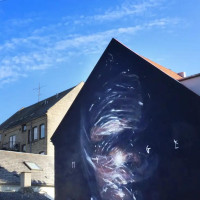
Pricing urban ear-time and sonic citizenship over 24 hours

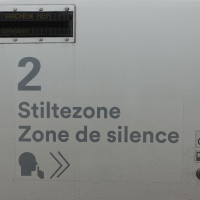
AI-generated text-to-speech communication in public e-governance
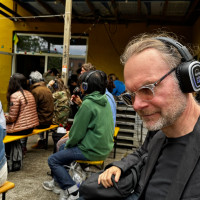
Resonant citizenship and the curatorial tactics of Momentum 13
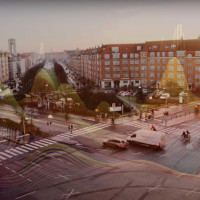

Co-sounding the outdoors in Helsinki
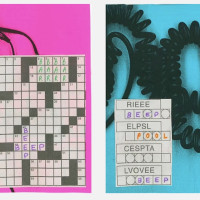
Becoming sonic citizens with BEEP zine
Circulating sounds as memetic citizenship practices in online music cultures
Reflections on an isolated generic sound and how it operates on an affective spectrum from the banal to the horrifyingly significant.

The essay probes poetics and the politics of a life-affirming operation in which Ukrainians have been self-engaged to resist subjugation and assimilation under Russian colonialism.
Democratic conversation and collectively improvised music have such pronounced similarities that improvisations can be discussed in terms of their democratic potentiality.
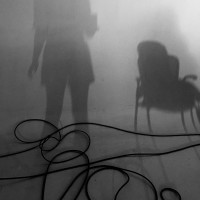
This article researches the role of the Human body in the production of sound art in the exhibition space. It focuses on the spatial path between body and sound in the exhibition space of sound art.
The article analyses the genre of listening scores – texts written in a natural language that provide the readers with instructions to listen in a certain way or to a certain kind of sounds.
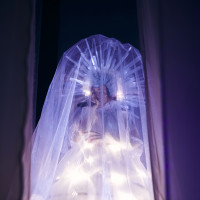
An analysis of a sensory concert and its challenge of the gendered stage.
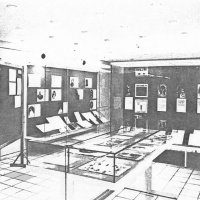
Women composers and the inadequate representation in historical canons and museum exhibitions.

Inclusion and exclusion of gendered artefacts, bodies and things in the spaces of P3´s music production.
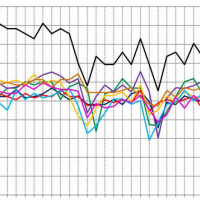
An investigation of pianists’ independence from the score by comparing their tempo through graphs.
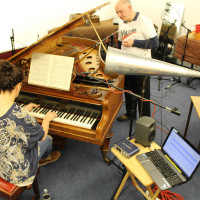
Historically-informed recording research exploring the work of the amateur recording pioneer Julius Block.

If we sought to go beyond the media reveal, what new practices of knowledge should emerge?
How does a sonic artist come to terms with the global effects of the tools of her trade?
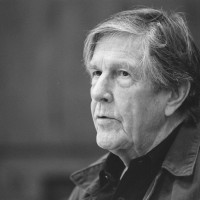
How John Cage deconstructed the governed gallery experience and formed a new field of research.
A curatorial reading of Bruce Nauman’s sound installation “Für Kinder” calling for a post-medium approach to sound art.
A methodology of working with embodied sound and movement as an approach to creating open score pieces.

The current practice of the new format of the audio paper as well as its brief history.

This article argues that as historic avant-gardes made visible the destruction of art, so modified records attempt to make audible the destruction of sound.