I samarbejde Goethe-Institut Dänemark, Københavns og Roskilde Universitet inviterer Seismograf/DMT til seminar tirsdag den 3. juni kl 16-18 Teater Repulique i forbindelse med Klangfestivalen 2014.

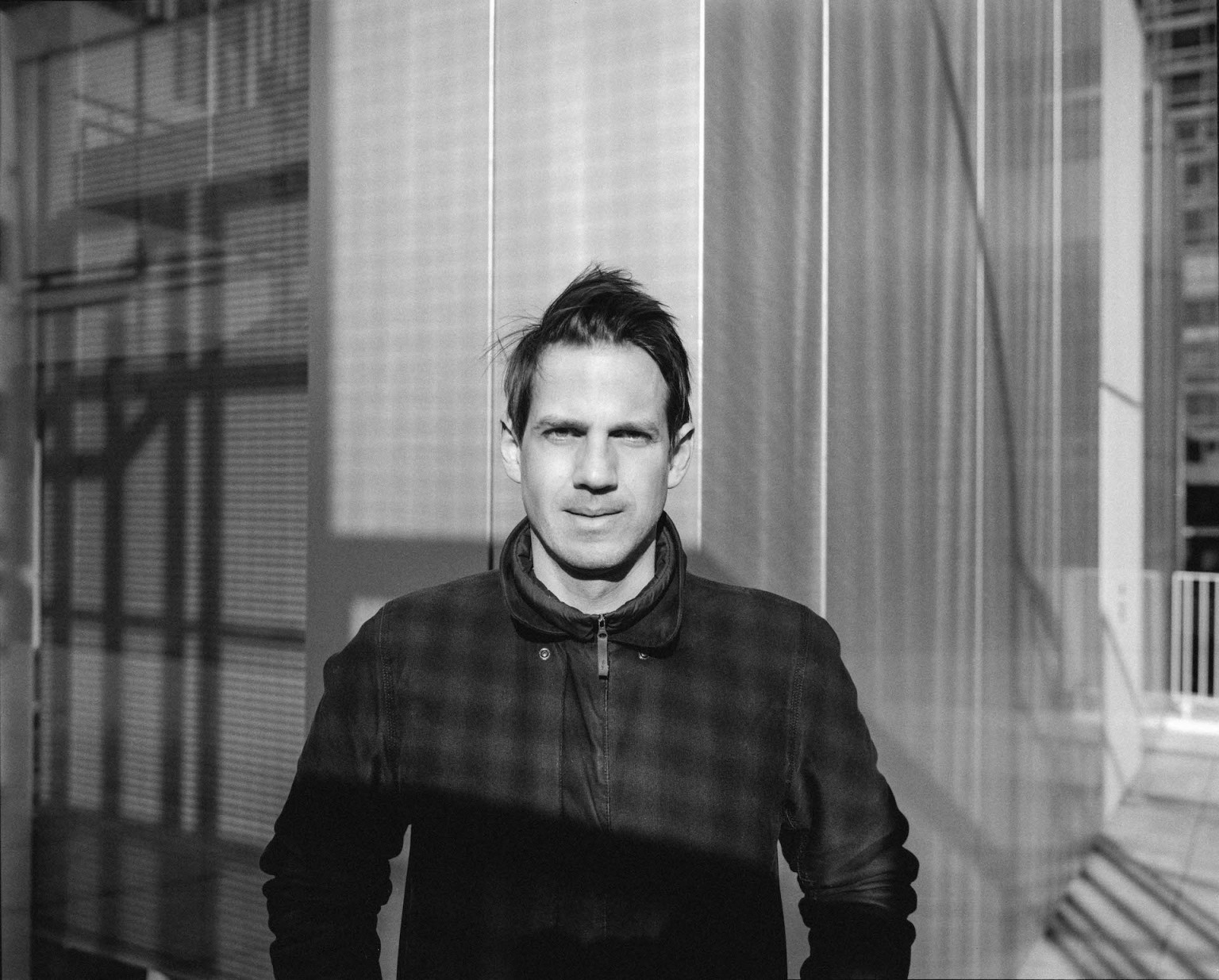
Ved seminaret " Modernisme, politik og det stedsspecifikke" har vi inviteret Dr. Kersten Glandien, Musikkritikeren Henrik Friis og komponisten Johannes Kreidler. Dr. Kersten Glandien fortæller om lydkunstscenerne i Berlin fra 1970erne og frem til i dag. Musikkritikeren Henrik Friis spørger, hvad der skete den radikale tyske modenisme efter Lachenmann og Spahlinger. Svarene søges bl.a. gennem en analyse af Spahlingers betydning for den danske komponist Simon Steen-Andersen. Den tyske komponist Johannes Kreidler taler om de sidste 15 års udvikling i tysk ny musik og præsenterer sin analyse af periodens æstetiske, tekniske og diskursive forandringer. 

Seminaret er arrangeret og ledes af Sanne Krogh Groth (RUC, Seismograf/DMT) og Søren Møller Sørensen (KU). Det afholdes på engelsk og er blevet til i samarbejde med Goethe-Institut Dänemark.

Abstracts:

Dr. Kersten Glandien (Senior Lecturer, University of Brighton, UK):
"… too wide a field - SoundArt in Berlin"

This comment on the human condition by Theodor Fontane came frequently to my mind while researching the various facets of SoundArt in Berlin. Far from encountering ‘a scene’, I found myself facing a vast labyrinth of activities, artists, works, places, events, organisers and institutions, stretching back several decades.

In my paper I will attempt to give an insight into the extent and hybridity of Berlin Sound Art - from its beginnings in the 1970s under the special conditions of cold-war West Berlin, through the landmark-festivals and lively activities of the post-Wall period, down to its ubiquity and acceptance today. I will examine the main players, institutions, organisers and initiatives, trace the unusual political and cultural conditions that set the agenda in both parts of the city, outline the exciting process of fusion that followed - and examine the very different approaches taken to SoundArt in the city today and the aesthetic clusters they form.

Henrik Friis (Music critique, Politiken, DK):
"What happened to modernism?"

What happened to the strong modernist position in German music after Lachenmann and Spahlinger? Well, maybe it is alive and kicking – living on, for instance, as impossible timbre made by young Danish composers. With a strong advocate in the Berlin resident and Spahlinger student Simon Steen-Andersen.

A place to start is the search for a useful framework for the term modernism. The Spanish philosopher Ortega Y Gasset addresses the modernist position in European Art and Music in 1925 in his essay ‘The Dehumanization of the Arts’. He claims that, opposed to earlier epochs in the history of the arts, modern music is not unpopular, as in ‘not popular yet, but outspoken anti-popular. A search for modernism is in that sense a search for traces of thoughts of intellectual anti-popularism and dehumanization. Helmut Lachenman and Matthias Spahlingers music from the early 1970’s and onwards show some of the same alienating and non-popular characteristics. For instance the ‘Musique Concrete Instrumentale’ focuses the ear at the noise of the music production and continuously stops the listener from forgetting that the musical experience is in fact a musical construction. Or the Spahlinger concept of the endless beginnings. These intellectual traces are pursued in the recent music of Simon Steen-Andersen, i.e. the cd of 2010 ‘Pretty Sound’.

Johannes Kreidler (Composer, DE):
"New Music in Germany in the last 15 years."

Having started to become a professional composer towards the end of the 1990s, not only personally I've made my artistic development, but also in general I can draw an overview now on a period of time of which I think has made quite a shift, aesthetically, technically, discursively.

Fakta
Seminar. Klangfestivalen
Tirsdag den 3. juni kl 16-18
Teater Repulique, Østerfælled Torv 37, 2100 København Ø


© Jade Frances

»Music for me is many, often contradictory, things. Here's a few ways I think about it. 1. An opportunity to reframe our attention to our everyday existence, particularly in the way we listen. 2. A contemplative space that can be an escape from reality and a means to engage the senses in a unique way 3. A way to directly relate to and reflect on the world around us 4. A specific set of approaches to the organisation of time 5. An attitude that embraces non-semantic methods of communication 6. Wiggly vibrations of air 7. A meeting place 8. Anything that labels itself as music 9. A collection of histories that are constantly self-reflexively generating new expressive potentials.«

Matthew Grousse is a composer, performer and organiser, originally from Yorkshire (UK), currently living and working in Copenhagen (DK). He often works in interdisciplinary settings between music for instruments and voices; electronic sound; text; video; and performance. His music regularly engages with a re-contextualisation of everyday sounds, objects, and automatic social behaviours to reveal the latently musical in the banal. Recent focusses include: audience participation; music-theatre; collaborative creation; and documentary approaches to composition. 

He is a co-director of composer-performer group Current Resonance, regularly contributing to meticulously curated intermedial events. Working voluntarily to strengthen opportunities for young composers/sound artists, He has been the chairperson of Aarhus Unge Tonekunstnere and the treasurer of Ung Nordisk Musik (DK) since 2023. He debuted as a composer from Det Jyske Musikkonservatorium in February 2024 with the evening-length music-theatre work Call to this number are being diverted.

© Robert Schittko

»Music chews words, thoughts and ideas for me – and perhaps for others too – so that I can digest intentions, affect and meanings.«

Tze Yeung Ho is a Norwegian-Finnish composer. Tze Yeung's music is created at the crossroads of understanding, reflecting his multilingual upbringing. His works explore the territories of speech, translation in language, dramaturgy and poetics. Working with Scandinavian, Finno-Ugric and Chinese poetry and prose, his music treads on the fragile landscapes of (mis)communication through (un)spoken words. Close collaboration with living writers, storytellers and word-based artists is integral to his practice. His creations usually result in some form of music theatre. Tze Yeung holds a doctoral degree (PhD) from the Estonian Academy of Music and Theatre and a master's degree from the Norwegian Academy of Music.

© PR

»Musik for mig er et motorvejshotel. Åbent 24 timer i døgnet. Der er ingen receptionister, og man får ikke udleveret nøgler. Man vandrer søvndrukken rundt ad hotellets mange gange, fra dør til dør. Nogle døre står på klem, andre må man flå op. Bag dem alle er der værelser. Nogle er sparsomt møblerede, andre er fyldt til randen med dansende mennesker. Man kan opholde sig derinde et par minutter. Nogle rum vender man tilbage til. Mange er lidt kedelige, andre vælter nærmest én bagover. Allermest holder jeg af dem, jeg ikke rigtig kan orientere mig i. De rum, hvor jeg er i tvivl om, hvad der er gulv, og hvad der er væg. Og hvad inventaret egentlig skal bruges til. Alle rum sætter sig i én. Du forlader hotellet og kører videre ad livets motorvej. En anden end da du kom.«

Anders Søgaard er digter og professor i kunstig intelligens og filosofi ved Københavns Universitet. Han har skrevet elleve bøger og mere end 300 forskningsartikler. Han har tre børn og bor i et bofællesskab i Roskilde.

© Marina Botes

»Musik for mig er overraskelse, konfrontation, det være sig med en hammer, det være sig med en fjer eller noget helt tredje. Fra højoktan virtuositet til en bildør, der smækker i natten.«

Steen Jørgensen er forsanger, medstifter, komponist og tekstforfatter gennem snart 45 år i Sort Sol. Har derudover deltaget i utallige genrevridende projekter, fx Grønvirke, Ginman/Jørgensen mm. Han er aktuel med orkesteret JØRGENSEN/BOTES og dennes tredje udgivelse Dråberne 5, 7, 8 & 11.

© PR

»Musik for mig er lige så vigtig som brød på bordet og luft i lungerne. Ifølge Spotify kan jeg se, at jeg (med min kone som støtte) har lyttet til Spotify i 48.113 minutter. Og jeg har lyttet til 4837 forskellige sange. Af 1276 forskellige kunstnere. Opgørelsen viser også, at jeg har lyttet til Bob Dylan i det der svarer til tre dage i træk. Jeg hører til det, der kaldes for de 0,5 procent mest dedikerede Dylan-fans. Han viser sig i øvrigt at være min ynglingskunstner. Nok ikke den største overraskelse, men alligevel.«

Johannes Andersen er lektor emeritus og samfundsforsker ved Aalborg Universitet. Han har senest udgivet bogen Fra en anden verden, og i denne uge udkommer Bob Dylan. Nærvær og fravær. Endvidere er han aktiv musiker i Johannes Andersen & The Overheads, som jævnligt spiller Bob Dylan på dansk.