• © PR
    16/3/2023

    Blood, sweat and Chopin

    Jakub Piątek: »Pianoforte«

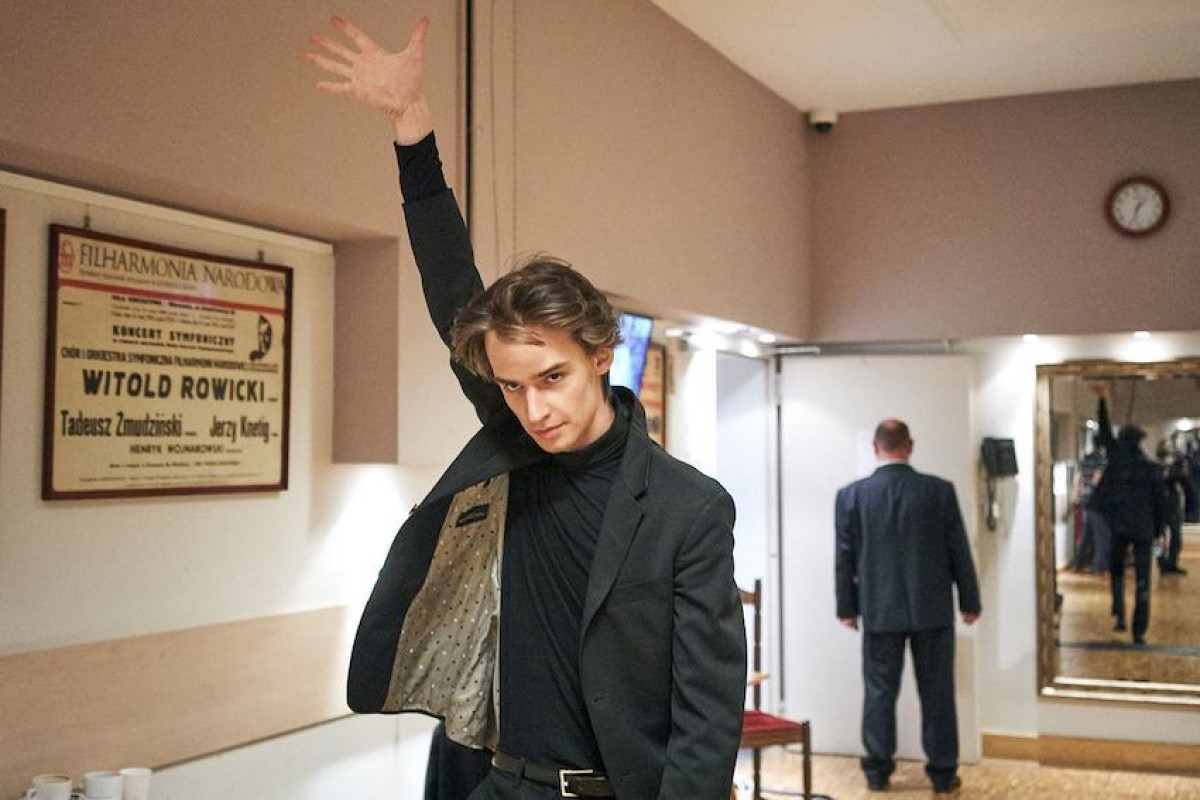
    »They are serious machines. They have been training all their lives. They are like the CIA,« it says in the documentary Pianoforte, which follows a number of pianists up to The International Chopin Piano Competition in Warsaw. The young people experience dramas in the music that they have not yet experienced in real life. One will celebrate a possible victory with a Chopin tattoo. Another films himself endlessly with his iPhone: »The more you look like Chopin, the better«. It’s all about Chopin hair. Tangent equilibrium goes hand in hand with attitude and showmanship, which the sensitive pianistic machines must also control. The ecstasy and revolutions of the Polish-French pianistic guru's super-romantic music also demands étude (»practice«, »eagerness«, »interest«, »occupation«).

    How to compete in music? Jakub Piątek’s Pianoforte depicts in a raw and moving way these piano-fighters backstage. While their nerves are sweating under their nice concert clothes. While they articulate that there is no plan B. As much as they love the polonaises and nocturnes they play, as much is their absolute respect, coupled with the fear of experiencing a blackout when it is their turn to – perhaps – write the next chapter in this piano battle, which has taken place since 1927 and is as brutal as fist fighting. But also so damn beautiful. It just sounds so damn good when 17-year-old Hao's delicate piano fingers hit the piano in the kitchen at home in China, while his mother is cooking just beside him. Bread and Chopin – that's life!


    Translation from Danish: Andreo Michaelo Mielczarek

     

  • © Ros Kavanagh
    19/8/2025

    Når traumer møder toner

    Emma O’Halloran, Irish National Opera: »Trade« / »Mary Motorhead«

    To kammeroperaer af den irske komponist Emma O’Halloran, begge baseret på skuespil af hendes onkel, Mark O’Halloran. Den første, Trade, er fuldstændig fængslende og dybt bevægende: historien om to mænd, der mødes for at have sex på et snusket hotelværelse, hvis sammenfiltrede liv er tynget af traumer og kærlighed. Komponisten taler om det »smukke økonomiske sprog« i sin onkels tekst, og det samme kan siges om hendes musik, der lader teksten opbygge mere og mere spænding og intensitet uden at klemme den – men lige så ofte nærmest trækker sig helt tilbage og lader teateret og fortællingen få overtaget. Den vokale skuespilpræstation er fremragende.

    Den stilistiske opfindsomhed i Trade, hvor de to karakterer tegnes så levende, vender tilbage i monologen Mary Motorhead, men med mindre held. Her kan de musikalske samples komme til at stå i vejen for vores blik ind i fangen, der fortæller om sit hårde liv, inden hun splittede sin mands hoved med en kniv. Sammen med Trade understreger det dog kun O’Hallorans talent for teater og hendes sikre musikalske håndelag. Ville det være for meget at håbe på en eller to virkelig teatrale, fortællende operaer som disse i den avantgardistiske del af Copenhagen Opera Festival?

    Dansk oversættelse: Andreo Michaelo Mielczarek


  • © Ros Kavanagh
    19/8/2025

    Trading Trauma For Truth

    Emma O’Halloran, Irish National Opera: »Trade« / »Mary Motorhead«

    Two chamber operas by Irish composer Emma O’Halloran, both adapted from plays by her uncle, Mark O’Halloran. The first, Trade, is utterly compelling and deeply moving: the story of two men meeting for sex in a grubby hotel room, whose intertwining lives are burdened by trauma and love. The composer writes of the »beautiful economy« in her uncle’s language and the same could be said of her music, which charges the text with more and more tension and urgency without cramping it – but just as often barely registers at all, letting theatre and storytelling rule. The vocal acting is outstanding. 

    The stylistic resourcefulness of Trade, in which the two characters are so vividly drawn, returns in the monologue Mary Motorhead but with less success. Here, musical sampling can get in the way of our view of the prisoner, who tells of her troubled life before she split her husband’s head open with a knife. Taken with Trade, though, it only emphasizes O’Halloran’s brilliance with theatre and deft musical hand. Would it be too much to hope for one or two truly theatrical, storytelling operas like these in the avant-garde strand of Copenhagen Opera Festival?


  • 12/8/2025

    Modstandens trommer

    Maria Faust Sacrum Facere: »Marches Rewound and Rewritten«

    Med sit seneste album har saxofonisten og komponisten Maria Faust sat det politiske i centrum af jazzen – i den lange tradition efter Ornette Coleman, Miles Davis, Charlie Haden, Fred Frith og Tom Cora, for blot at nævne nogle få. Det overraskende er hendes valg af genre: marcher, som i sig selv ikke er en traditionel jazzform. Hvis Charles Mingus for eksempel hyldede New Orleans’ marching bands, er Fausts valg uden tvivl mere konfrontatorisk. De marcher, hun manipulerer og nedbryder indefra, er ikke af den underholdende slags – medmindre man er general – for de tilhører den militære og nationalistiske kategori.

    Fausts musik ville passe perfekt til stykker som Alphonse Allais’ Père Ubu og Bertolt Brechts Den afviselige opstigning af Arturo Ui, i kraft af dens brug af det groteske som en kreativ drivkraft. Fausts geni ligger dog ikke i at forvandle disse marcher til fjollede cirkusfanfarer, men i at skabe et ægte truende rum i musikken – gennem kaos, men også gennem hjerteknusende dissonanser, som kan høres som et ekko af grådkvalte klagesange over de faldne i krig. Hendes relativt store ensemble – syv musikere plus hende selv – bestående af seks blæsere og to trommeslagere/percussionister, skaber et perfekt harmoni-disharmoni-univers, som hvis Charles Mingus og Sun Ra havde arbejdet sammen.

    Marches Rewound and Rewritten er et skelsættende og vigtigt album, som lyser mørkt i disse svære tider og minder os om, at alt er politisk – især musik.