Kortkritik
12.07.2023

Grand Miniature Worlds

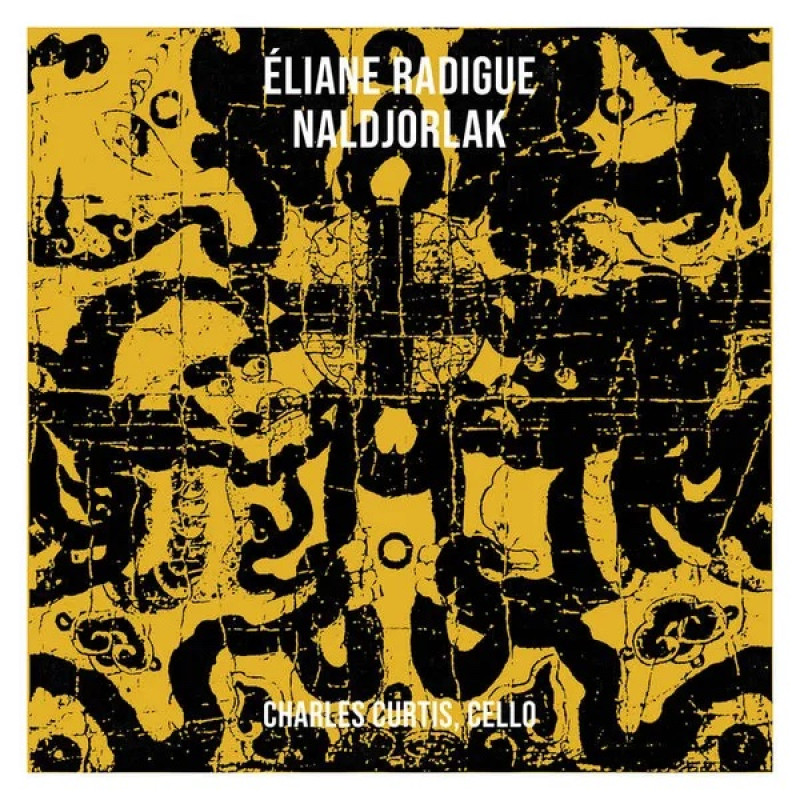
Éliane Radigue: »Naldjorlak«
© PR
© PR

In Naldjorlak French composer Éliane Radigue takes us on a journey of microscopic proportions as a seemingly simple musical situation reminiscent of her earlier work for synthesizers unfolds. Naldjorlak is a work for unaccompanied cello and Radigue’s first composition for acoustic instruments and relies on a verbal communication between composer and performer. Cellist Charles Curtis, hones in on just one note for the duration of the piece, however, this premise which at first can strike the listener as simple is anything but. 

What 91 year-old Radigue is asking of her listener is to be present and it might come as no great surprise that she has been a practicing Buddhist since the 1970's. To experience Radigue’s music you need to be able to follow sound to its silence, and that is a mental state. Naldjorlak is an invitation to deep listening. What do you hear when you stop in your tracks and begin truly listening as Charles Curtis drones on? Curtis is right at home in Radigue’s investigation of sound and his playing reminds us that without a great performer a great work of sound art does not exist. Had there been a score we could have mused that the work itself exists for the reader to experience through reading, but given the fact that composer and soloist have worked verbally it is more difficult to imagine this piece without its performer and so it’s difficult to fully know when we are hearing Radigue and when we hear Curtis. 

Curtis brings Naldjorlak to life so subtly that it’s easy to think that he is doing nothing. It sounds deceptively simple at first but if you take the time to actually experience the pace of the droning you will notice that not only are the two versions offered on this release vastly different in character and expressivity. They aren’t really drones with its implicit monotony, rather they are microscopic worlds of constantly changing textures of sound, and it is the way Curtis so masterfully mediates Radigue’s ideas that makes these recordings from Los Angeles and Paris so captivating.

© PR

Pernille Andersen is a Danish actress, screenwriter, and singer. In the Pandemic lockdown she and her partner, British John Garrison, founded the band GlassEar. For years they had traveled apart pursuing their separate careers. But with all work cancelled for both, this new found time together gave the necessary time needed to try something new. A means to connect creatively. They recorded six songs about loneliness, love, family, career and the meaning of life as a new musical duo. They have just released their debut EP Nobody will get out alive. Pernille also stars as an actress in the upcoming season of the TV2 series Hvide Sande 2 and writes a film script in collaboration with The Global Ensemble Drama. The duo’s name GlassEar refers to their many years of communication in a digital time: Glass (screen) / Ear (phone).

Kortkritik
15.12.2023

Orglet er lydkunstens kreative motor

Organ Sound Art Festival: Amina Hocine, Sandra Boss, William Kudahl, Mads Kjelgaard
© @_francoadams_
© @_francoadams_

Jeg er helt sikkert ikke den eneste, der keder mig i kirker, når organister halvdovent taster løs uden at få melodierne til at leve. For på orglet kan musikeren ikke forme tonernes klang med anslaget. Den er givet. 

Eller hvad? De unge lydkunstnere får i disse dage meget mere klangfølsomhed frem med deres hjemmebyggede orgler i Koncertkirken, end mange musikere kan producere med en klavertangent.

Torsdag åbnede de fire dages smuk, smuk festival med fire værker. Her fik vi lov til at zoome helt ind i William Kudahls sindssygt lange orgeltoner optaget i en islandsk kirke og filtreret live til fire højttalere med alle mulige små impulser, interferencer og farvede overtoner som resultat. 

Vi fik også oplevelsen af at sidde rundt om Sandra Boss’ smukke, hjemmelavede orgel af fugleformede lerkander med vand, der peb, fløjtede, piblede, hvinede og trillede, når luftslanger blæste vind igennem dem. Svenske Amina Hocine åbnede endnu en dimension med sin fantastiske opfindelse – en slags akustisk synthesizer. Hun kunne sidde på gulvet og gradvist åbne ventiler til otte lodrette plastrør rundt om sig og langsomt og minutiøst forme pulserende, harmoniske, sfæriske klange med ren, sammenpresset luft. 

Jeg nåede ikke aftenens sidste værk, men fik i stedet Mads Kjeldgaards installation i krypten med i lyttehatten: en mørk kube med to virtuelle orgler, en sofa og fire højttalere, der under hele festivalen genererer musik med de besøgendes bevægelser. Heller ikke den skal man snyde sig for, hvis man kan komme forbi Nørrebro de næste dage. 

© Kasper Muusholm

Komponist og guitarist Emil Palme har lige udgivet sit solo-debutalbum Ripen. På albummet stryges sten som buer mod elguitarens strenge, der i messende og klagende mønstre frembringer en dystopisk og ceremoniel urlyd i grænsen mellem komposition og improvisation. Ripen handler om at fuldende og modne – men også om at betræde de forræderiske stier, som naturen dikterer, at alt levende skal gå, og den uundgåelige opløsning af formål, der opstår efter en opnået fuldkommenhed.

»Jeg oplever musik som noget magisk, som en kraft der kan kommunikere via energier, der ikke nødvendigvis kan forstås eller måles på. At skabe musik er for mig at have kontakt med den kraft.«

© PR

Iku Sakan is an electronic musician from Osaka, Japan. his music focuses predominantly on the potential of emotional developments through the repetitive rhythmic patterns, rotating harmonics, and resonating melodies. The decades of collecting constantly shifting sound materials, melding improvisation, and DJ'ing practices, has led him to create his own unique niche of organic music in the late 2010s. His most recent works incl. a remix for the French composer Yann Tiersen (via Mute Records) and the forthcoming musique-concrete-inspired tone poem LP OMNITOPOEIA. When you ask Sakan what music is the answer is short: »Music is the healing force.«

© Andre Hansen

»To me, music is about everything else.«

Mike Sheridan has been a part of the Copenhagen electronic musicscene since the mid 00’s. He entered the scene, barely in his teens, with his landmark debut album I Syv Sind (In Two Minds, 2008). Sheridan traced an ambient and dreamy approach, and with limited tools at hand, he constructed a teenage masterwork that few could have predicted. Among the first in his generation, Mike Sheridan launched his career to high acclaim, effectively crossing over to mainstream audiences.

Recent projects includes featuring on techno artist KÔLSCH’s album Isopolis (2021) and performances in Nicolai Howalt’s exhibhition A Journey: The Near Future at Gallery Martin Asbæk (2022). Yesterday Sherian released the album Atmospherics