- © Julia Haimburger6/12/2025
Minimalisme for tålmodige ører
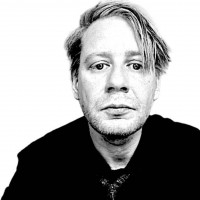
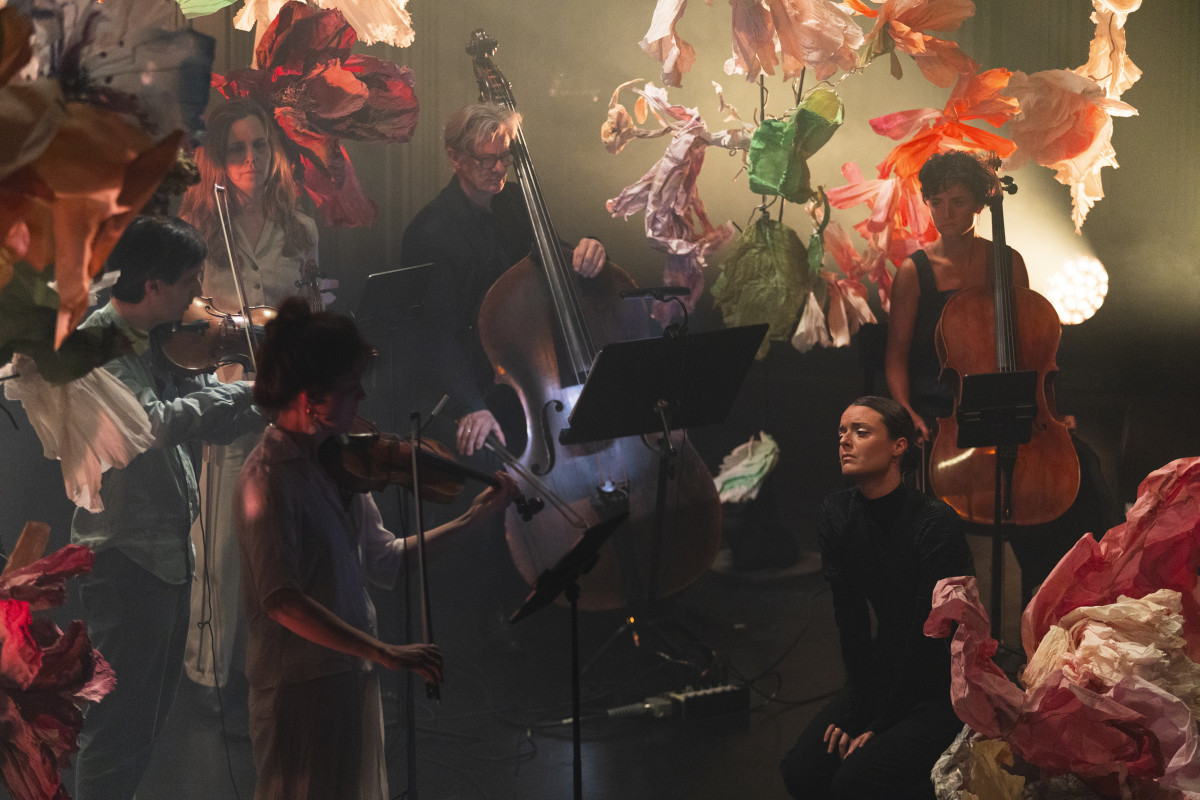
Lukas Lauermann: »Varve«Varve – på dansk varv – betegner de årlige lag aflejringer af sediment, et stille geologisk arkiv over tidens passage. Lukas Lauermanns album bærer denne betydning med sig helt ind i sin lydlige kerne. Her mødes orgel- og stemmesamples fra slidte kassettebånd med en undersøgende, næsten asketisk cello, der bevæger sig som fine streger i et ellers flimrende og støvfyldt klangrum.
Celloen er tilbageholdt, men aldrig passiv. Den glider ind og ud af kassettens whitenoise, af fragmenterede stemmer og orglets lette luftstrømme, så alle elementer til sidst fremstår som én samlet, organisk tekstur. Laurmann beskriver selv musikken som en skildring af uregelmæssigheder, og det er netop i de små forskydninger, at Varve finder sin særlige styrke. Albummets idé om lydlige aflejringer bliver et billede på vores længsel efter forbindelse til naturens tempo. De kompositoriske motiver virker repetetive, men de gentager sig aldrig helt; de bygger lag på lag, som organisk vækst. Som lytter bliver man vidne til mikroskopiske forandringer, der langsomt folder sig ud – en proces, der kan føre til en næsten meditativ tilstand.
Varve er et album for dem, der foretrækker lytteoplevelser i langsomt tempo; for dem, der finder Hans Zimmer for storladen, og som hellere vil følge græssets tålmodige vækst end et orkesters følelsesmæssige kulminationer.
- © PR5/12/2025
Anna von Hausswolff: The Path to the Organ’s Modern Resurrection
Klara Lewis, Anna von HausswolffThe organ, one of Christianity’s most powerful liturgical markers, runs like a red thread through Swedish artist Anna von Hausswolff’s work. But on her latest album Iconoclasts, the long, piercing drones are toned down in favour of a sharper, driving energy. It was an energy that came through strongly at Hausswolff’s concert in Vega last night, where she was, as usual, joined by a large band. The evening opened with Swedish noise musician Klara Lewis, whose mumbling cassette-loop textures set a brutally atmospheric tone from the start.
Hausswolff’s band was this time expanded with saxophone and percussion, both central on Iconoclasts and both contributing to the slight eurodance tinge that colours several tracks. Unfortunately, the saxophone was at times swallowed by the dense soundscape. Fortunately, Hausswolff’s radiant voice cut through clearly. So did the small organetto – a kind of bellows-driven organ with long pipes. It stood like a totem at the centre of the stage and was almost embraced by Hausswolff whenever she played it. A piece like »The Whole Woman« (a waltzing duet with Iggy Pop on the album) became, in concert, a touching love ode, carried by the organ’s gentle breath as its pulse.
In recent years, a number of musicians have used the organ’s distinctive resonances to wrest it free from the weight of Christian liturgy, giving the instrument an almost iconoclastic status. Despite a slightly muddy sound mix, Hausswolff’s concert was a clear example of this contrast – still deeply rooted in ecclesiastical connotations, yet now an accomplice in large-scale modern productions and a central instrument on major stages.
- © PR29/11/2025
From Pain to Paralysis: a Stabat Mater Without Wounds
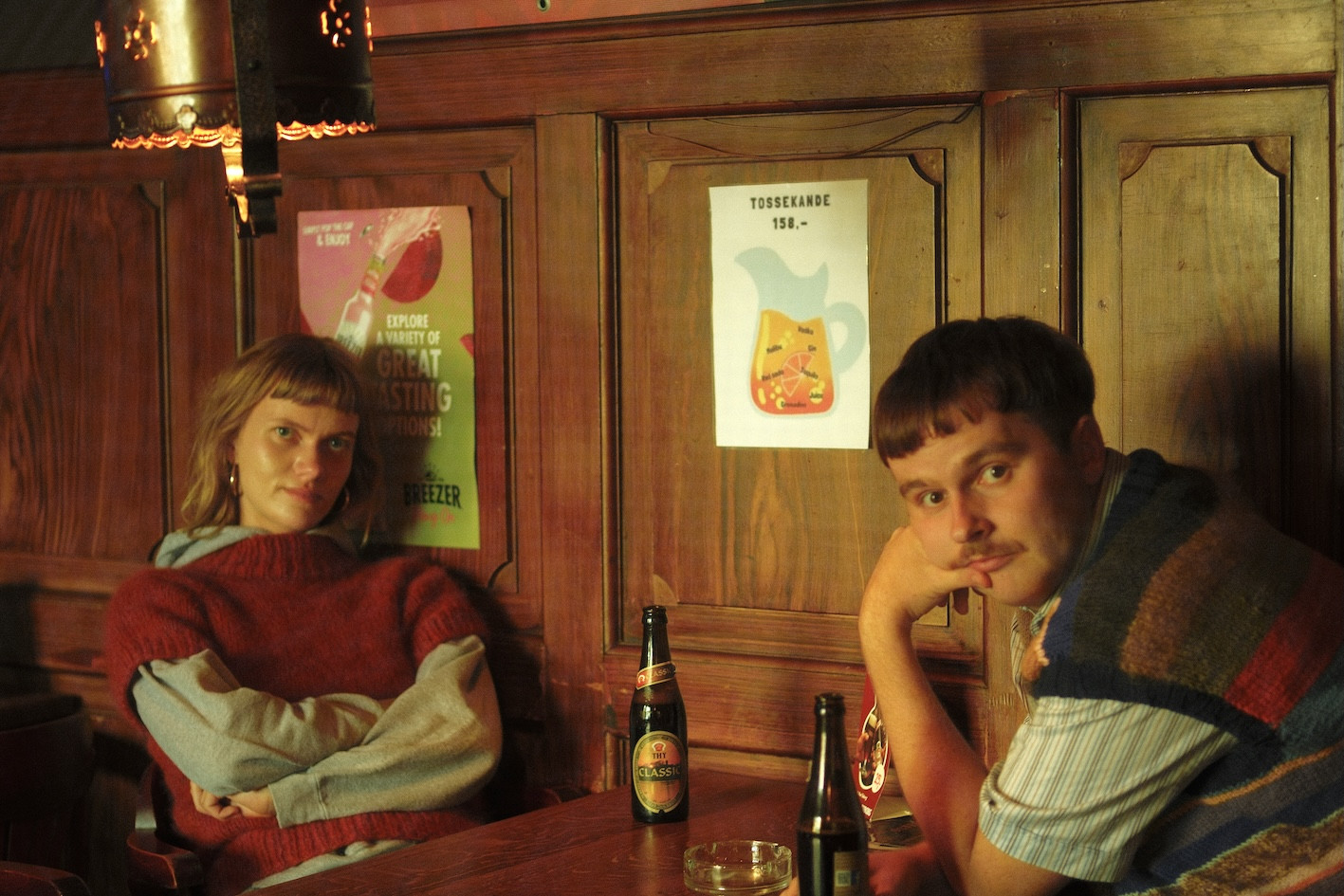
ELECTRIO: »Stabat Mater«The theme has been revisited countless times in music history, but ELECTRIO (Francesco Rista, Simone Giordano and Sandra Lind Þorsteinsdóttir) attempt to give Stabat Mater a new expression, combining guitar, vocals and electronics with Latin texts, Monteverdi fragments and songs by Dowland. The ambition is clear, yet the result is uneven.
There are, however, two striking exceptions. The opening of Stabat Mater – recorded at the Royal Danish Academy of Music – is captivating in itself: a four-minute build-up that establishes a muted, hovering sense of expectation. But it lies so close to Pink Floyd’s »Shine On You Crazy Diamond« that one can almost hear the quotation shimmering underneath. The characteristic three guitar notes fall at exactly the same place, just before Sandra Þorsteinsdóttir’s voice enters. »Fac me Cruce« is shaped with attractive energy and dynamic form, making strong use of electronics, but ends abruptly before the music has truly begun to unfold. If only ELECTRIO had continued in this direction.
The harmonic foundations of the eight pieces are often predictable, as in »Sancta Mater«, in which the Holy Mother prays that the wounds of the crucified be imprinted upon her heart. The harshness of the text is entirely absent from the underlying feel-good guitar fingerpicking, which moves shamelessly through familiar chord progressions. No wounds. No suffering.
More generally, Þorsteinsdóttir rarely strays from conventional baroque phrasing or genuinely experiments with the genre. The result resembles a mirror version of Sting’s Dowland project from 2006: only inverted – here a classically oriented singer who keeps too respectful a distance to let the songs truly enter an experimental universe.
Why did the trio not instead draw inspiration from Pergolesi’s music for the same text and theme? His score brims with wild dissonances that a new interpretation could have explored to powerful effect – revealing more anguish and outward-turning sorrow.
English translation: Andreo Michaelo Mielczarek
- © PR29/11/2025
Fra smerte til stilstand: et Stabat Mater uden sår
ELECTRIO: »Stabat Mater«Temaet er gennemspillet utallige gange i musikhistorien, men ELECTRIO – Francesco Rista, Simone Giordano og Sandra Lind Þorsteinsdóttir – forsøger at give Stabat Mater et nyt udtryk med guitar, vokal og electronics til latinske tekster, Monteverdi-melodier og Dowland-sange. Ambitionen er klar, men resultatet bliver ujævnt.
Der er dog to markante undtagelser. Åbningen på Stabat Mater – musikken er optaget på Det Kongelige Danske Musikkonservatorium – er i sig selv dragende: en fire minutter lang opbygning, der etablerer en dæmpet, svævende forventning. Men samtidig ligger den så tæt på Pink Floyds »Shine On You Crazy Diamond«, at man næsten kan høre citatet ruste sig i baggrunden. De karakteristiske tre guitartoner falder på præcis samme sted, inden Þorsteinsdóttirs vokal træder ind. »Fac me Cruce« bygges flot og dynamisk op med stærk brug af electronics, men slutter brat, inden musikken er kommet rigtig i gang. Havde ELECTRIO blot fortsat lidt ud ad denne vej!
De harmoniske underlag i de otte sange er ofte forudsigelige, som i »Sancta Mater«, om den Hellige moder, der beder om, at den korsfæstedes sår præges uudsletteligt i hendes hjerte. Den barske tekst kan slet ikke høres i det underlæggende feel-good-guitar-fingerspil, der bevæger sig skamløst gennem gængse akkordprogressioner. Ingen sår. Ingen lidelse.
Generelt tør sangeren Þorsteinsdóttir ikke bevæge sig væk fra almindelige barokfraseringer eller eksperimentere rigtigt med genren. Så det ender som en spejlvendt udgave af Stings Dowland-projekt fra 2006. Her blot omvendt – en klassisk orienteret sanger med for meget berøringsangst for rigtigt at lade sangene indgå i et eksperimenterende univers. Hvorfor lod trioen sig ikke i stedet lade inspirere af Pergolesis musik til samme tekst og emne? Her er fyldt med vilde dissonanser, som en ny udlægning kunne have fået vældig meget ud af – og skabt mere lidelse og udvortes sorg.
- © PR20/11/2025
In the Ruins of Old Organs, Builder Finds His Own Sonic Universe
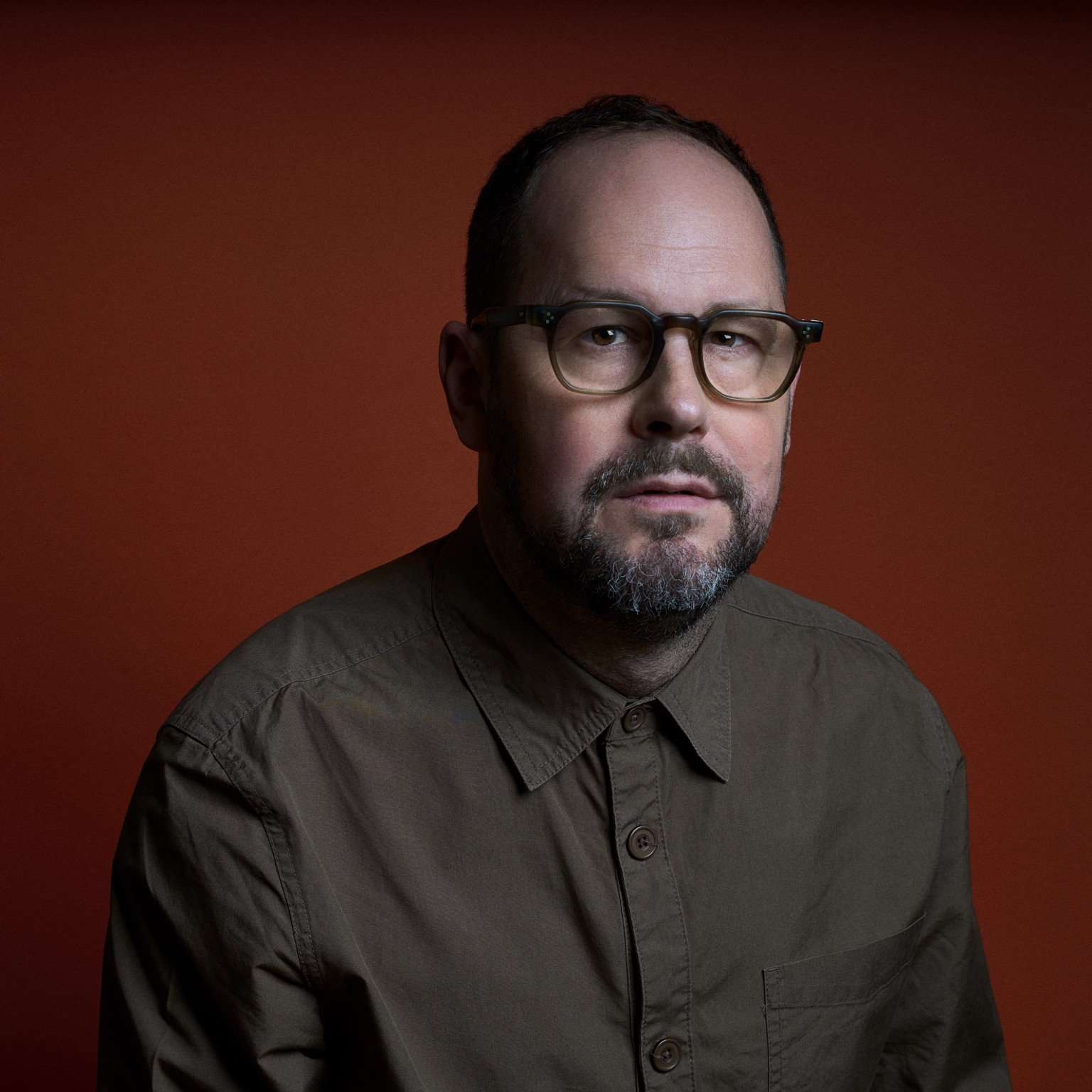
Calum Builder: »Poor_in_Spirit – the (Re)constructed Pipe Organ«On his previous album, Renewal Manifestation, Calum Builder let the organ of Mariendal Church roar forth as an imposing protagonist. Now he returns with a work in which the same instrument not only carries the narrative but is the entire narrative – in the form of »the (Re)constructed Pipe Organ«, an organ he has assembled himself from discarded pipes and mechanics salvaged from Danish churches.
It’s a fascinating project, but what about the music? It’s a mixed experience. The three opening tracks, which together form the title piece, as well as »sometimes, I wonder«, are the highlights. The homemade organ surges beneath Builder’s touch on the keys, its frequencies rising and falling like hills and valleys in constant flux. The instrument howls like an autumn wind in the trees, while under- and overtones stand tall like runestones before crashing into each other. Builder’s talent for dramatic songwriting emerges in these miniature pieces – despite the instrument’s audible limitations.
Unfortunately, things unfold differently in several of the other tracks, such as »cicadas_nighttimesound« and »Pacific«. They appear more like sketches – demonstrations of the organ’s possibilities – than fully realised compositions. Ideas remain static and repeated, with very little development. The expected shifts and resolutions never arrive. On Poor_in_Spirit, Builder is clearly experimenting with form and function, and that in itself is interesting. But I miss the vitality and dramaturgy that are otherwise the core of his music.
English translation: Andreo Michaelo Mielczarek