








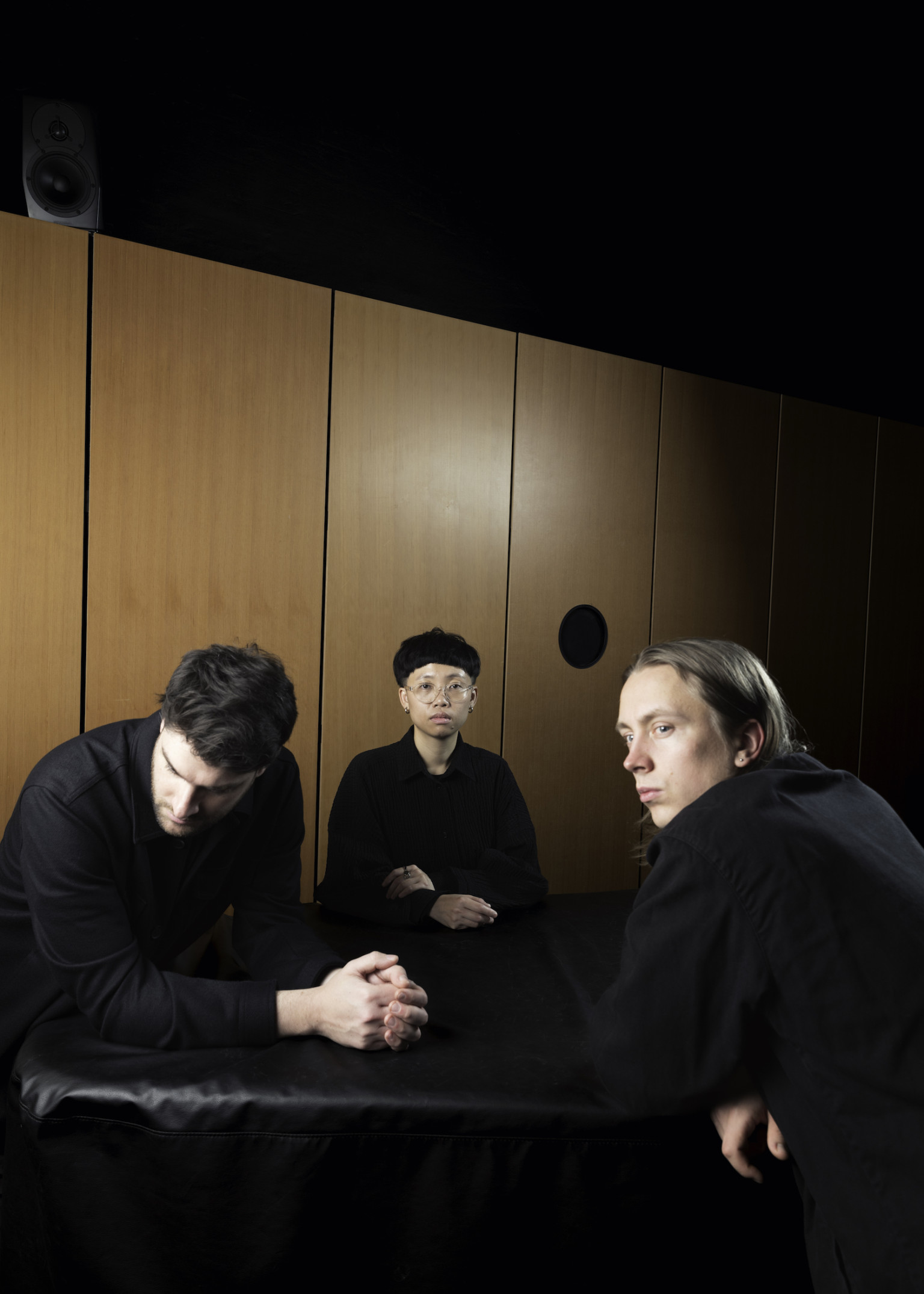
»Music is like an ancient mineral, containing a history of wisdom reaching over centuries, stratifying and evolving into new forms. It is like a black hole, wrapping around us and allowing us to temporarily escape the noise of the world.
An emotional safe zone, a place for solace, a bringer of light, a unifying factor. It is us.«
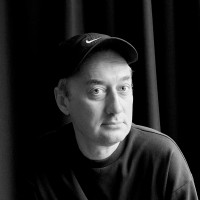
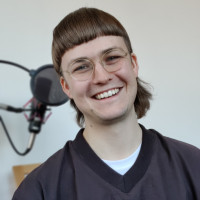
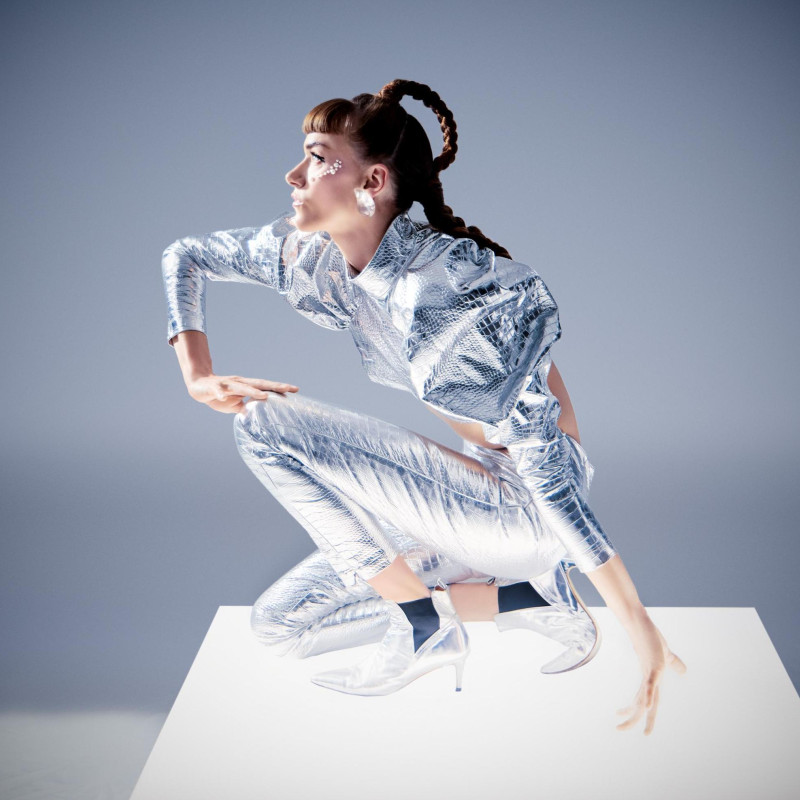
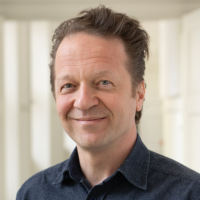
NEKO3 is a Copenhagen-based experimental music group consisting of: Fei Nie, Lorenzo Colombo and Kalle Hakosalo. The group is working towards the creation of a new musical language, flexibly moving between various performance media and artistic expressions. Continuously collaborating with composers and other creators of art, it seeks to integrate music and other forms of art into one conceptual whole.
NEKO3 has performed at Festival Internacional de la Imagen, SONICA Glasgow, cresc... Biennale, Time Of Music, Rondò, MINU festival, Copenhagen Light Festival, Unerhörte Musik and Spor Festival. They have been featured as soloists with the Danish National Symphony Orchestra and the Aarhus Sinfonietta, and given workshops and presentations at ie. Standford University, the Royal Danish Academy of Music, Hochschule für Musik und Theater Hamburg, University of California San Diego and Kungliga Musikhögskolan (SE). The ensemble has recorded multiple EP’s and released their first full length album Angel Death Traps in collaboration with Alexander Schubert in 2024.
NEKO3 has performed at Festival Internacional de la Imagen, SONICA Glasgow, cresc... Biennale, Time Of Music, Rondò, MINU festival, Copenhagen Light Festival, Unerhörte Musik and Spor Festival. They have been featured as soloists with the Danish National Symphony Orchestra and the Aarhus Sinfonietta, and given workshops and presentations at ie. Standford University, the Royal Danish Academy of Music, Hochschule für Musik und Theater Hamburg, University of California San Diego and Kungliga Musikhögskolan (SE). The ensemble has recorded multiple EP’s and released their first full length album Angel Death Traps in collaboration with Alexander Schubert in 2024.