in brieflive
28.03

Opera or Exam Preparation?

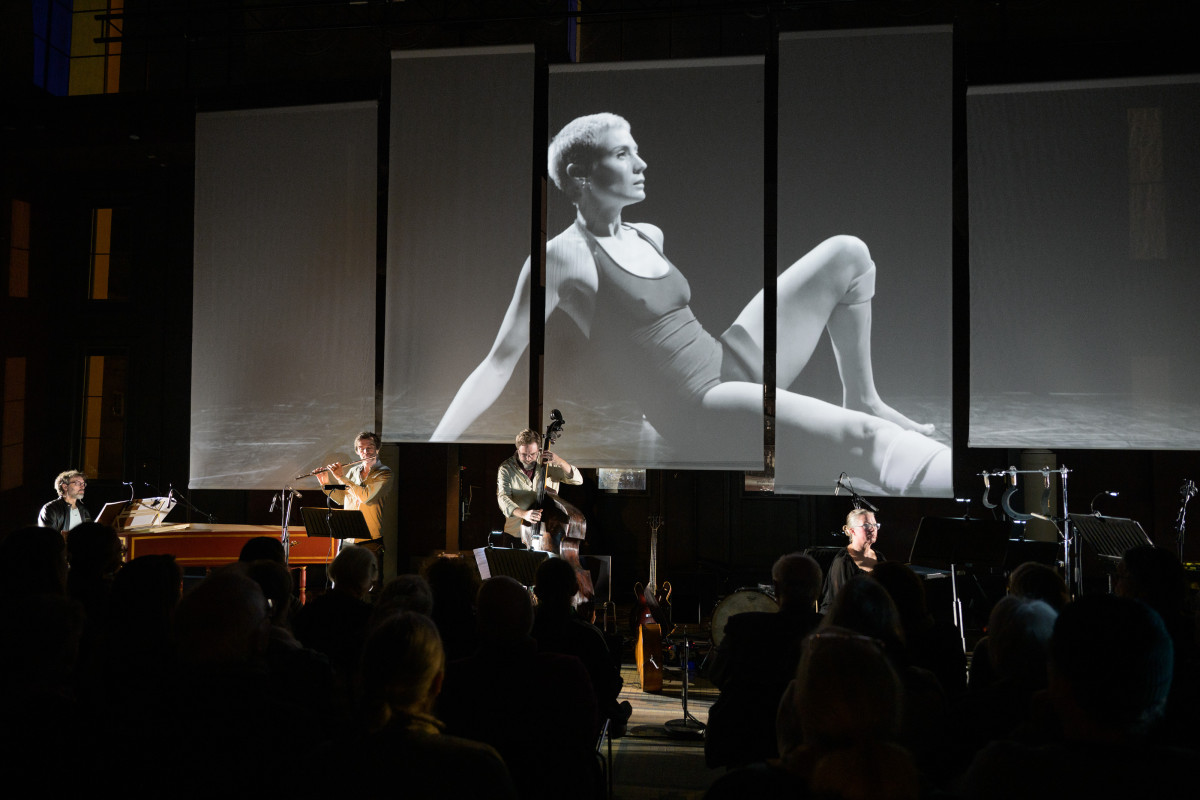
Mauro Patricelli, Signe Asmussen, Matias Seibæk, Anders Banke, Thommy Andersson, Jessica Lyall et al.: »Tarantula«
© Søren Meisner
© Søren Meisner

Tarantula is presented as a »documentary opera«, a genre created by Mauro Patricelli. The work takes its starting point in tarantism – the myth of the spider’s bite, which triggers madness and the ecstatic dance that heals – and intertwines it with A Doll’s House and Napoli by August Bournonville. The ambition is clear: to reflect female experiences of mania, oppression, and interpretation throughout history. The scenography reinforces the documentary approach. Five suspended screens display text, archival material, a dancer, and a professor character who didactically explains the work’s sources. At the same time, four musicians and the soprano Signe Asmussen stand in a row.

The music alternates between long, bare lines and repetitive, rhythmically complex figures clearly inspired by the tarantella. Yet this very complexity becomes a drawback: the reliance on click-track and sheet music lends a mechanical quality that clashes with the work’s purportedly demonic and physical energy. The main issue is the balance between explanation and interpretation. The professor figure constantly dictates the reading, undermining the work’s own critical ambitions – not least when it simultaneously critiques a »male lens«. The engagement with Ibsen also feels simplified, almost misread, functioning more as illustration than genuine interpretation.

The libretto – largely composed of historical sources and academic language – weighs heavily on the dramaturgy. When a letter about Ibsen’s knowledge of tarantism is elevated to a dramatic climax, it becomes difficult to grasp what is truly at stake. That the text is sung, projected, and handed out in libretto form only intensifies the sense of redundancy. In the end, one is left with the feeling of having attended a lecture rather than an opera. My final note before the curtain fell: Will this be on the test?

English translation: Andreo Michaelo Mielczarek

© PR

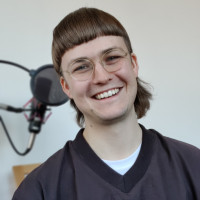
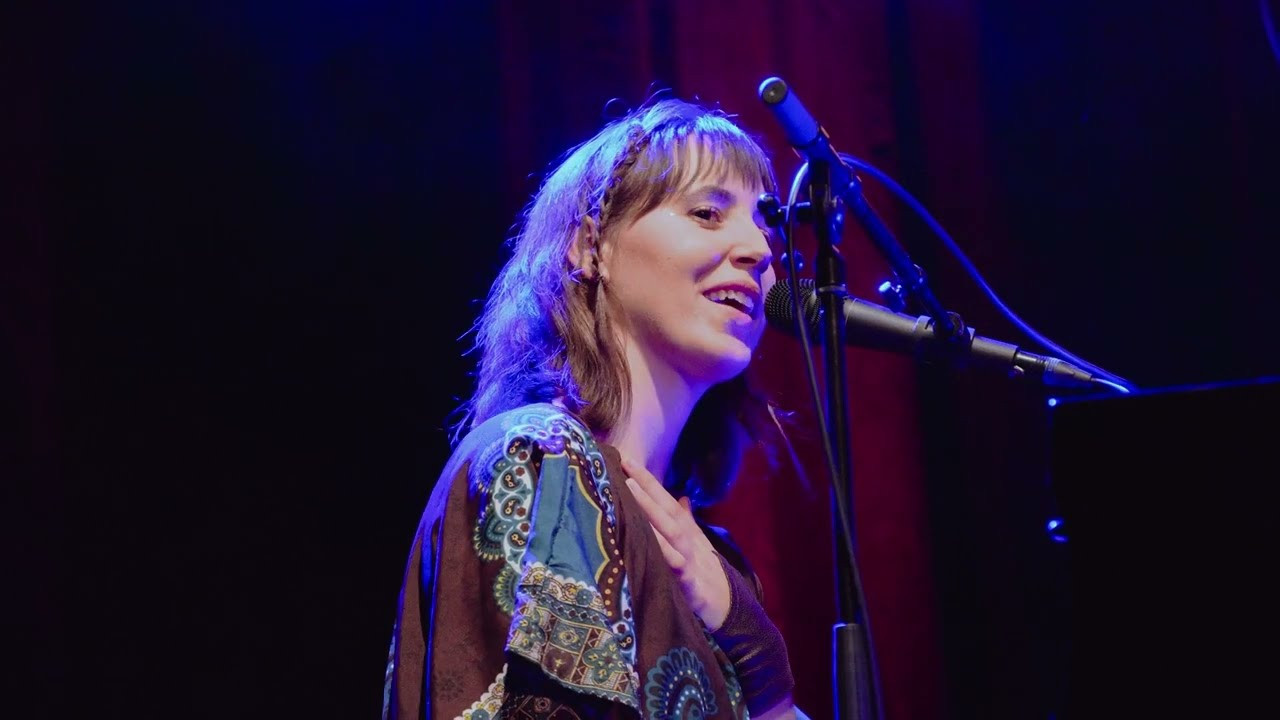
»To me, music is love. I love how music allows you to skip the small talk and connect directly with people’s innermost selves. It is an extraordinary and moving way to meet one another.«

Fenja wrote her first song at the age of twelve – about a polar bear dying due to climate change – and themes of existentialism, nature, and her own sensitive nature came to define the lyrics and sound she has since developed. She released her debut album, Flugtdyr, in 2021, and in February 2026, she released the album Menneskedyr.

© PR
© PR

Danish composer Sofus Forsberg has died at the age of 56. With his distinctive blend of melodic sensibility, electronic processing and rhythmic precision, he created a musical world that moved effortlessly between IDM, pop and the avant-garde.

© Simon Weyhe

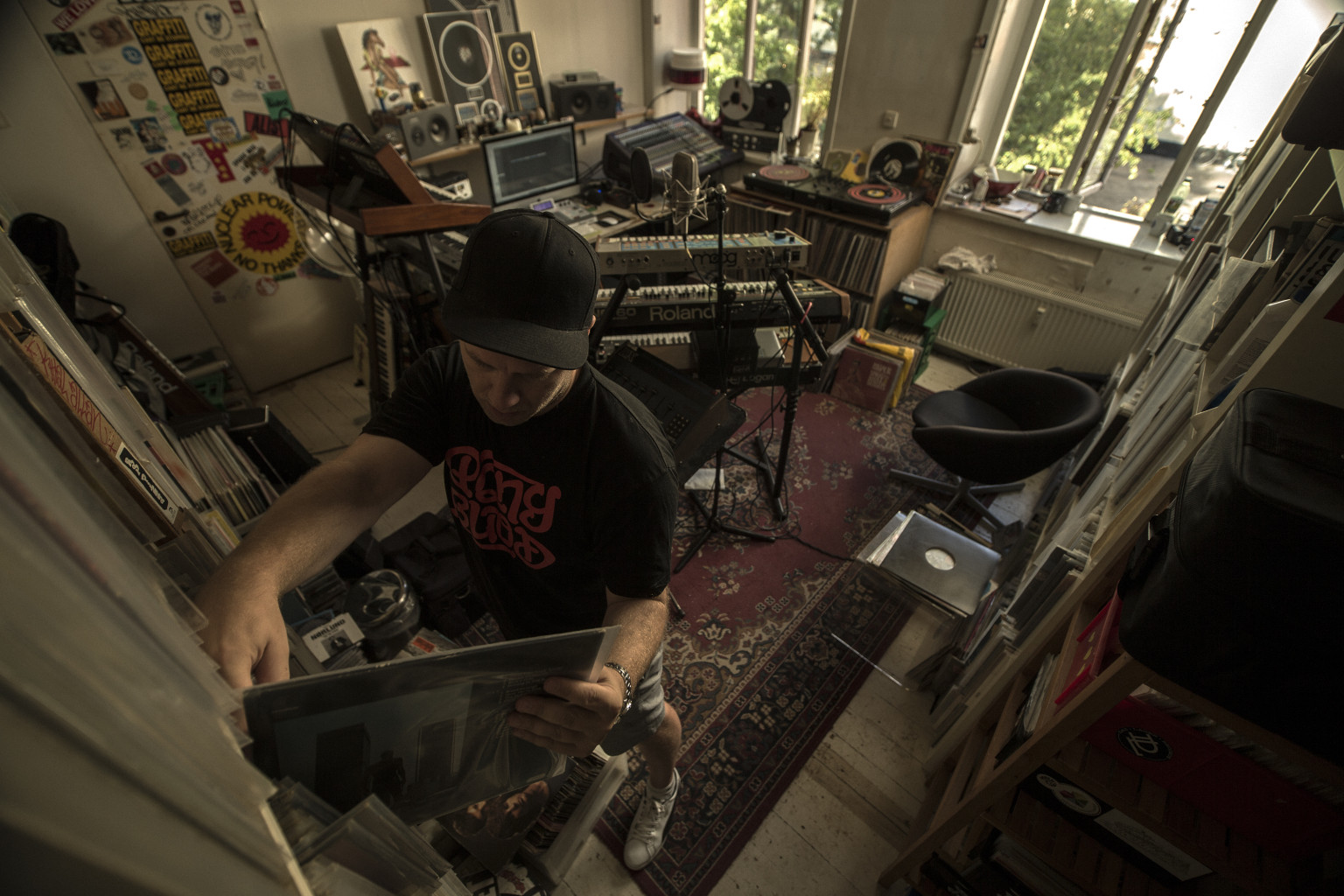
»Music for me is my hobby, my job, my outlet, my mood, an endless source of discovering new music and new, old music, some of the best and can be some of the worst. And I love it!« 

Track72 aka Tue Track aka Anders Lundby Brixen. Producer, DJ, rapper and more. Known for his role in the trio Malk De Koijn, which since the mid-1990s has created a personal universe in Danish hip-hop. Has performed in Ponyblod, Xtra Naan, Track Abdullah Rock, Booty Cologne and others.

© PR
© PR

On Wednesday, 5 August 2026, it happened again: a chord in John Cage’s Organ2/ASLSP (As Slow as Possible) changed after two and a half years. Classic FM reports.

The work was written by the American avant-garde composer John Cage in the mid-1980s. The score consists of eight pages of music, and, as the title suggests, the instruction is to play it »as slow as possible.«

»What music is to me? Where have the great feelings gone?«.

Gellért Szabó is a composer, conductor and performer based in Leipzig, Germany. His work combines contemporary composition with influences from free improvisation, noise and the expressive richness of the late nineteenth century. He is the founder and artistic director of the 23-piece Ideal Orchestra, an ensemble dedicated to large-scale experimental music of sweeping emotional intensity. Alongside this work, Szabó performs internationally with his solo project Radical Radio Show, exploring symphonic textures and immersive sound worlds through a single electric guitar and live electronics. His music is driven by a search for intensity, vulnerability and uncompromising emotional expression.