in briefrelease
10.04

Squarepusher in a Straitjacket Among Strings

Squarepusher: »Kammerkonzert«
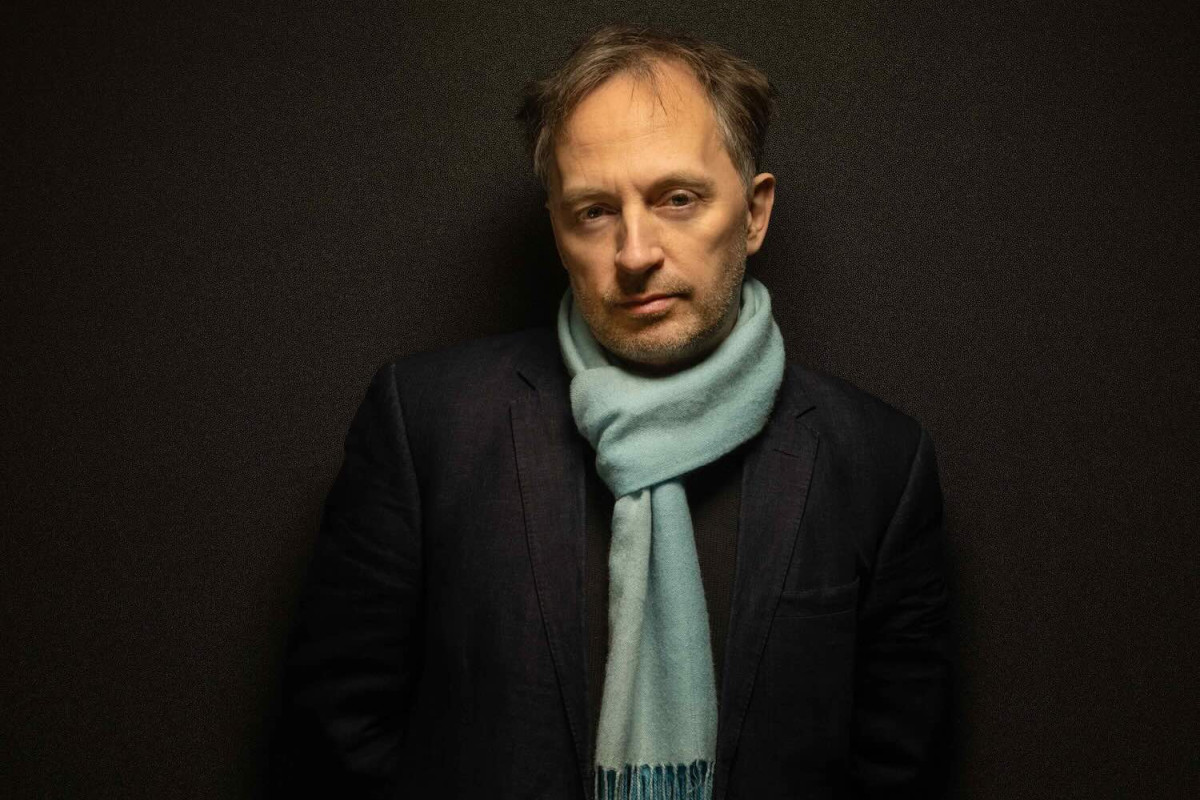
© PR
© PR

With Kammerkonzert, British electronic composer Tom Jenkinson, better known as Squarepusher, places himself within the braindance tradition of the 1990s and 2000s, when electronic artists flirted with classical music – from Aphex Twin’s collaborations with Philip Glass to Venetian Snares’ Rossz Csillag Alatt Született, where baroque patterns were folded into mechanical rhythms and the melancholy of strings torn apart by breakbeats.

Squarepusher is no stranger to the acoustic: his hyperactive bass guitar – often sounding as if in flight from its own virtuosity – has been central to his music since Music Is Rotted One Note (1998). Here, too, it takes a leading role. On »K2 Central«, a looped, faintly anxious bass figure drives the music forward while strings swell in and shift its harmonic function. The effect is not without merit, but the execution is strikingly conventional. The MIDI-generated strings move in neat chord blocks with an almost overly reverent sense of decorum. The classical tradition is not challenged but merely cited, and the arrangements are so polished that the orchestra’s presence feels barely justified.

The compositions also hover awkwardly between the slick functionality of elevator jazz and something exaggerated, almost circus-like, as if unable to decide whether they want to be serious or ironic – and end up being neither. »K4 Fairlands« stands out by pairing string quartet with the busy breakbeats that are Squarepusher’s trademark. Here, a friction emerges between the rigid and the fluid that briefly opens the album up, suggesting how two otherwise incompatible systems might coexist.

Overall, Kammerkonzert comes across as artistically cautious, marked by a peculiar restraint. What remains is the sense of something only half realised. One wishes Squarepusher had either ventured further into the orchestral realm or trusted more in what he actually excels at, giving the electronics freer rein. Preferably both.


in briefrelease
18.05

Somewhere Between an Acid Dream and a Sound Garden

Kaloja: »A Body of Water«
© PR
© PR

On A Body of Water, you step directly into the singular sonic universe of Finnish multimedia artist Jan Anderzén(Tomutonttu, Kemialliset Ystävät). The album unfolds as a collage of whimsical melodies created in collaboration with British musician Paul Wilson (f.ampism, Yayoba), whose contributions subtly enrich the colorful patchwork of sonic threads. Subtle, perhaps, but unmistakable. The soundscape is densely detailed: beneath the constantly shifting melodies, countless tiny sonic shoots stretch eagerly toward the eardrum. It feels like an acid dream in which everything around you – from roadside flowers to airplanes crossing the sky – has suddenly begun to sing.

Paradoxically, this flood of chaotic and rapidly changing impressions gives the music an almost ambient quality. There is great pleasure in listening closely to the miniature details bubbling beneath the surface, occasionally bursting through to dominate the frequencies for a brief moment.

Yet strong, recurring melodies capable of anchoring the listening experience remain absent in favor of mood and texture. Importantly, this is not a flaw. Heard through an ambient lens, the album – which at first can seem slightly directionless – suddenly reveals its logic. Its playful depth and lack of rigid structure encourage endless free association. It is wonderful music for drifting thought: a multicolored universe where the imagination continually discovers new pathways through a dense undergrowth of details.

English translation: Andreo Michaelo Mielczarek

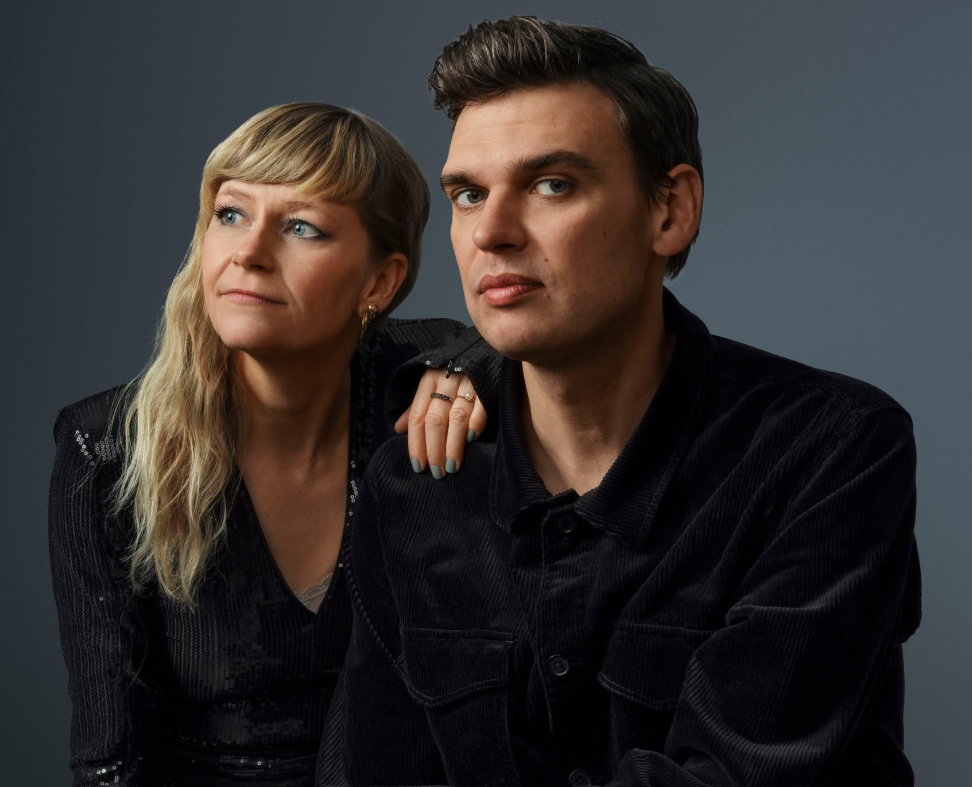
© Meseguer

»To us, music is the definitive companion. As listeners, it fosters a sense of communion, bridging the gap between souls through the shared experience of sound. As creators, however, music confronts us with our own inner void, that profound solitude that nourishes the creative spirit. At the same time, it dares us to leap into the unknown to decipher the ineffable. Music anchors us to the present moment, to the 'now' shared with a live audience; yet, it also touches the eternal.«

L'arannà is an electronic folk duo. With their last project, Turmarí, the duo dives deep into the folk music traditions of the Pityusic Islands, offering – through their blend of sound exploration– a perspective on Ibiza and Formentera. Synthesizers and keyboards share the stage with traditional instruments and aesthetics inspired by the ancestral ball pagès dance. Reviving cant redoblat (a unique form of singing from these islands preserved by fewer than twenty people) the group weaves a narrative that traces the roots and lived reality of two islands that are far more than just a dreamt-of paradise. The band will be touring around Denmark and Sweden, from 27th to 31th of May, playing at venues like Turkis, Dexter, Inkonst or ALICE.

© Ana Alexandrino

»Music to me is movement, trance, transformation. The rest I won't tell you.«

Marcela Lucatelli is a vocalist and composer. Born in Brazil and based in Denmark, she has gained international recognition for her boundary-pushing performances — sensuous, politically charged, and uncompromisingly original. Described by The Wire as a composer of »scores for the limits of bodies and voice,« Lucatelli challenges conventions with her fearless vocal experimentation and bold compositions. Her works have been performed by Danish National Symphony Orchestra, Danish National Vocal Ensemble, and Neue Vocalsolisten Stuttgart. She has appeared at major festivals and venues, including Theatro Municipal de São Paulo, DR Koncerthuset, Donaueschinger Musiktage, Darmstadt Ferienkurse, IRCAM, Copenhagen Opera Festival, Ultima Festival, Borealis Festival, Copenhagen Jazz Festival, Jazzfestival Saalfelden, Cafe Oto, A L’ARME!, DMA Jazz – Danish Music Awards, WOMEX, and many more. Lucatelli's work has earned her several prestigious awards, including the Carl Nielsen and Anne Marie Carl-Nielsen Talent Prize (2019), Pelle Prize (2021), and the Danish Music Awards' 2023 Vocal Jazz Release of the Year, which shows that vocal jazz has many faces – and does not necessarily belong only to the soft end of the spectrum.

© PR

»What is music to me? Here’s a quote from Nietzsche: ‘The people dancing all seemed crazy to the people who couldn’t hear the music.’«

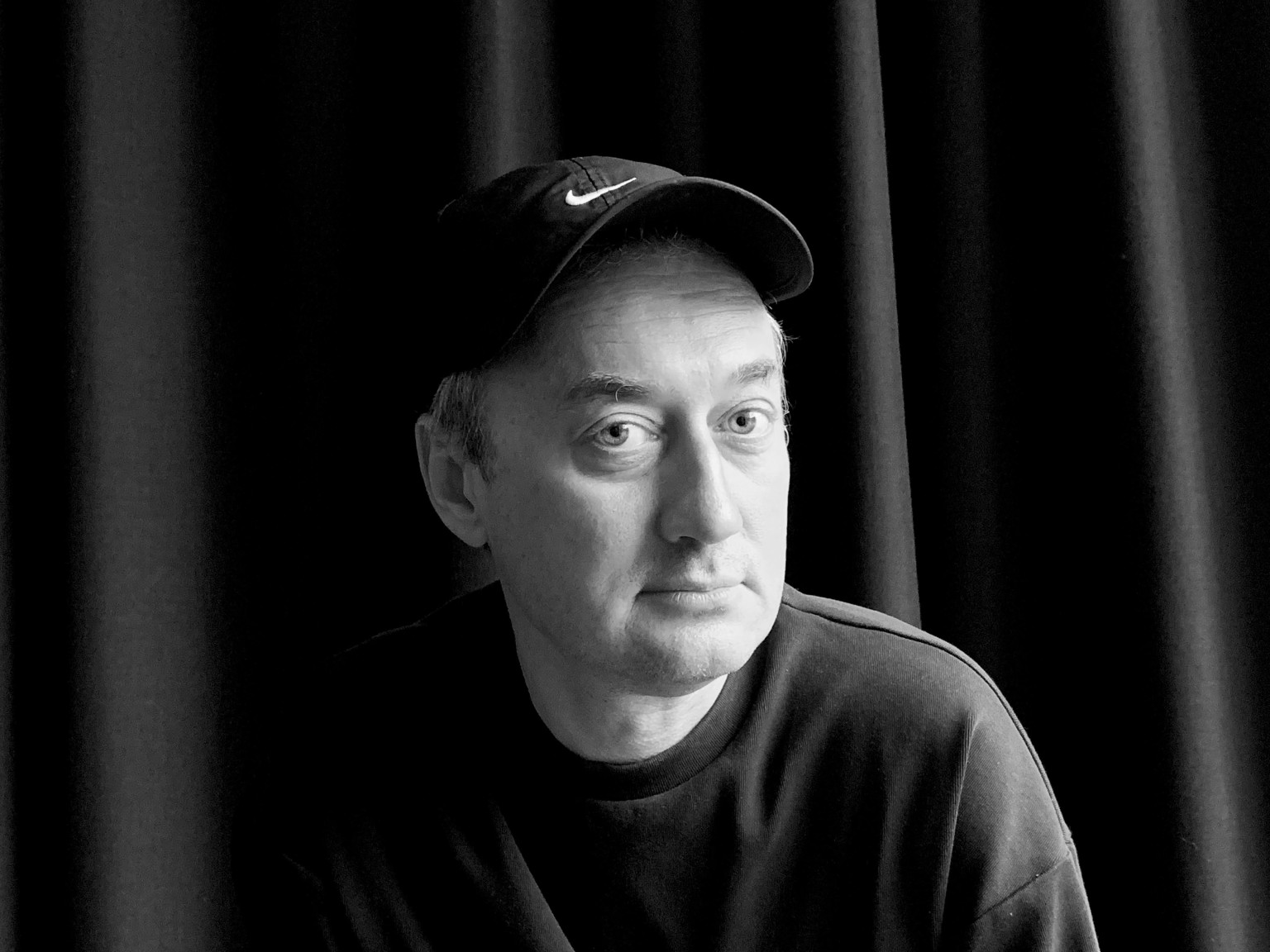
Salim Washington is a saxophonist, multi-instrumentalist, composer, academic, and activist from Detroit who has been highly active on the American jazz scene since the 1970s, and also in South Africa, where he became a central figure. The spirit of John Coltrane hovers over his music, which carries both spiritual and social dimensions.

© Aske Jørgensen

»Music for us is the perfect language that we love to speak. A language where it is the individual's feelings and imagination that determine what is right and wrong. Everyone can speak the language. You don't have to be able to write or understand, but just listen. Some music requires that you listen carefully and maybe hear it several times. A bit like when you talk to someone from Norway or Sweden, you also have to listen a little extra.«

DØGNKIOSK is a Danish punk rock band with roots in Silkeborg. The band consists of bassist and singer Anders Ejner, who has been active on the Danish underground scene for several decades. Musically, DØGNKIOSK moves in a field between classic Danish punk and alternative rock. In the spring of 2026, the band will release their second album, Tæt på kanten.