



in briefrelease
11.09

A Strange Instrument, a Familiar Sound

Mike Sheridan: «Touch«
© André Hansen
© André Hansen

There is something almost dogmatic about Mike Sheridan’s latest album, Touch. Everything leads back to the Cristal Baschet – a peculiar instrument from the 1950s in which sound is produced by running wet fingers over glass rods, setting metal resonators into vibration. No strings, no keys, just glass, water, skin and friction, slowly making the metal sing.

The Cristal Baschet is not merely an instrument on Touch. It is the album cover, the subject of the press photos, and almost the very argument for the album’s existence.

It recalls the material fetishism found in the American duo Matmos, whose music is often built around a single material or sound source: metal on Metallic Life Review (2025), plastic on Plastic Anniversary (2019), a washing machine on Ultimate Care II (2016). What is interesting about such constraints is that they ought to force the music somewhere it otherwise might not be able to go.

While listening to Touch, a question therefore begins to press itself forward: Which of these sounds could not have existed without a Cristal Baschet?

There are glassy tones that hang in the air and slowly change texture. Thin, cutting vibrations. Metallic surfaces that flutter, ripple, open and close. A constant sense of droning resonance; of something vibrating just on the other side of the audible.

Sheridan’s layering is meticulous. There is a precision to the mix, an almost surgical sense of the distance between the different textures. The best moments occur when the surface is disturbed: something that scratches at or short-circuits the otherwise tightly controlled resonance. On »BOW / GROUND«, for instance, deep bass pulses suddenly enter, creating a different physical quality – crackling, heavy, like something hitting the floor.

But Touch is first and foremost a well-produced ambient album. It moves through different degrees of the same state, changing nuance without ever truly changing its skin. That is not necessarily a weakness. There is something consistent, almost meditative, in Sheridan’s insistence. But the longer one remains in the same sonic state, the more one begins to miss what ought to be the Cristal Baschet’s particular possibility.

This is where the disappointment lies: in the gap between the instrument’s strangeness and the music’s conventional appearance. The sounds have been assimilated into a familiar ambient vocabulary, where the extraordinary instrument ends up producing something surprisingly familiar. You can hear that something unusual is happening at the source of the sound. But you cannot necessarily hear why it had to be this particular instrument. Had one not been told that a rare, almost otherworldly acoustic sculpture was standing in the room, one would hardly have guessed it.

© PR

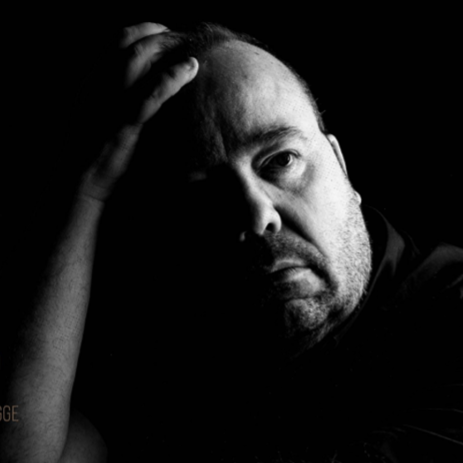
»For me, music is incredibly important. It is music that reveals who I am and who I want to be. Music is my muse, my solace, and my paintbrush. It paints my state of mind, serves as a frequent topic of conversation among my friends, and – along with the lyrics – acts as my preferred form of expression. To me, music represents the colors and shapes of my life. I have a particular fondness for Danish artists such as C.V. Jørgensen, Elisabeth, Olesen-Olesen, Peter Sommer, and Gravens Rand.«

Søren Damm is an award-winning author known for the novels Transit, Melodrama, and Finland. He is also a singer and songwriter, having released, among other works, the album Håbet Er Den Største Last.
© Paw Ager

»For me, music is about curiosity and surprises – yet it’s also something in which you can feel right at home. Music resides within us all, in a physical way that sets it apart from any other art form. To me, music is something greater than the individual – something that will always outlive the individual. The good stuff, in other words ;) « 

Kaspar Kaae is an award-winning film composer, music producer, and songwriter, known for his work with bands such as CODY and Bug Chaser. He holds a Master’s degree in film composition from SDMK.  He has previously been a guitarist in a number of bands on the Danish indie scene, such as CODY, Broken Twin, and Bug Chaser. The latter is releasing the album My First Crippled Love in November. He was born in 1983 on Bornholm, but has lived in Copenhagen and Berlin throughout his adult life.

© PR

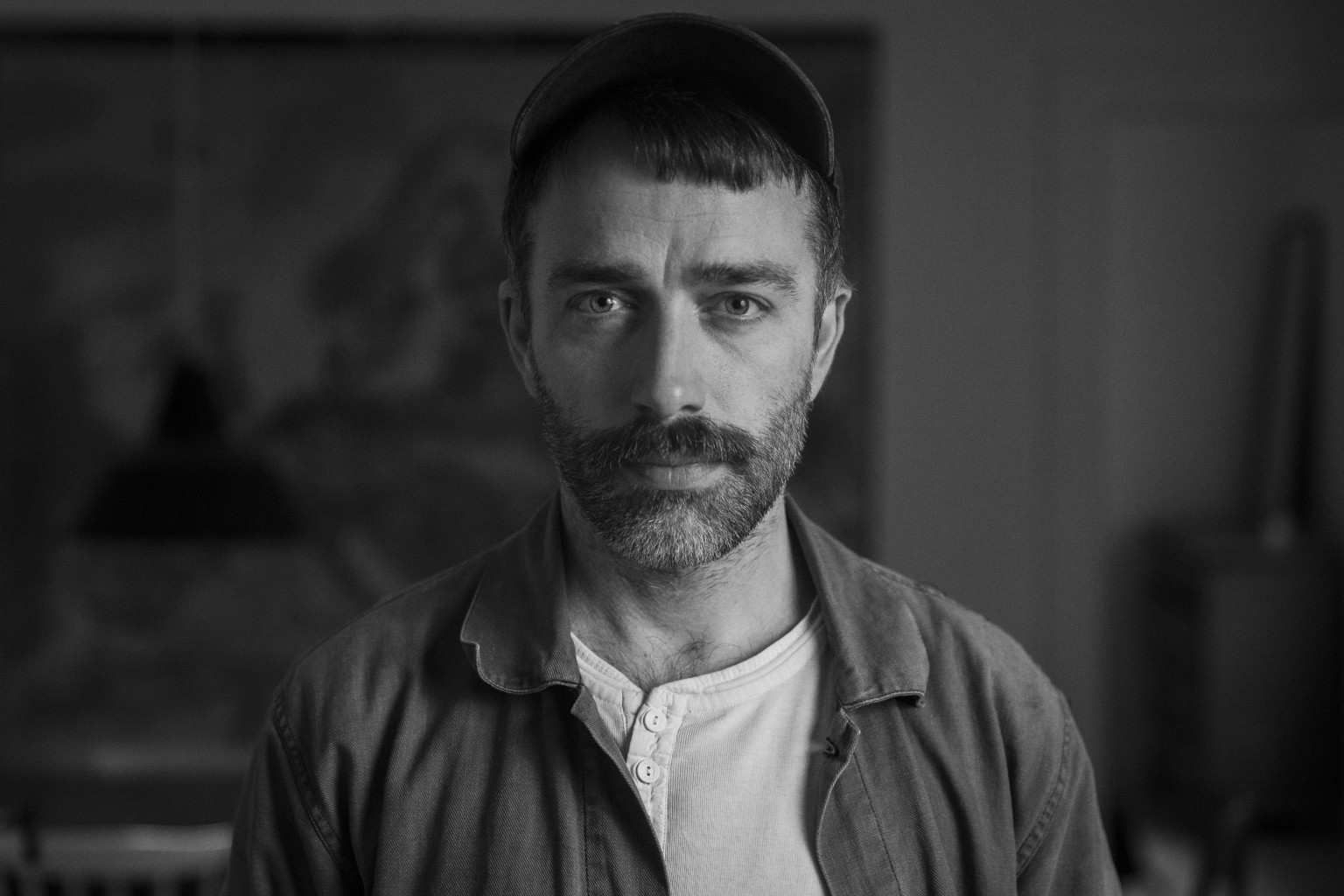
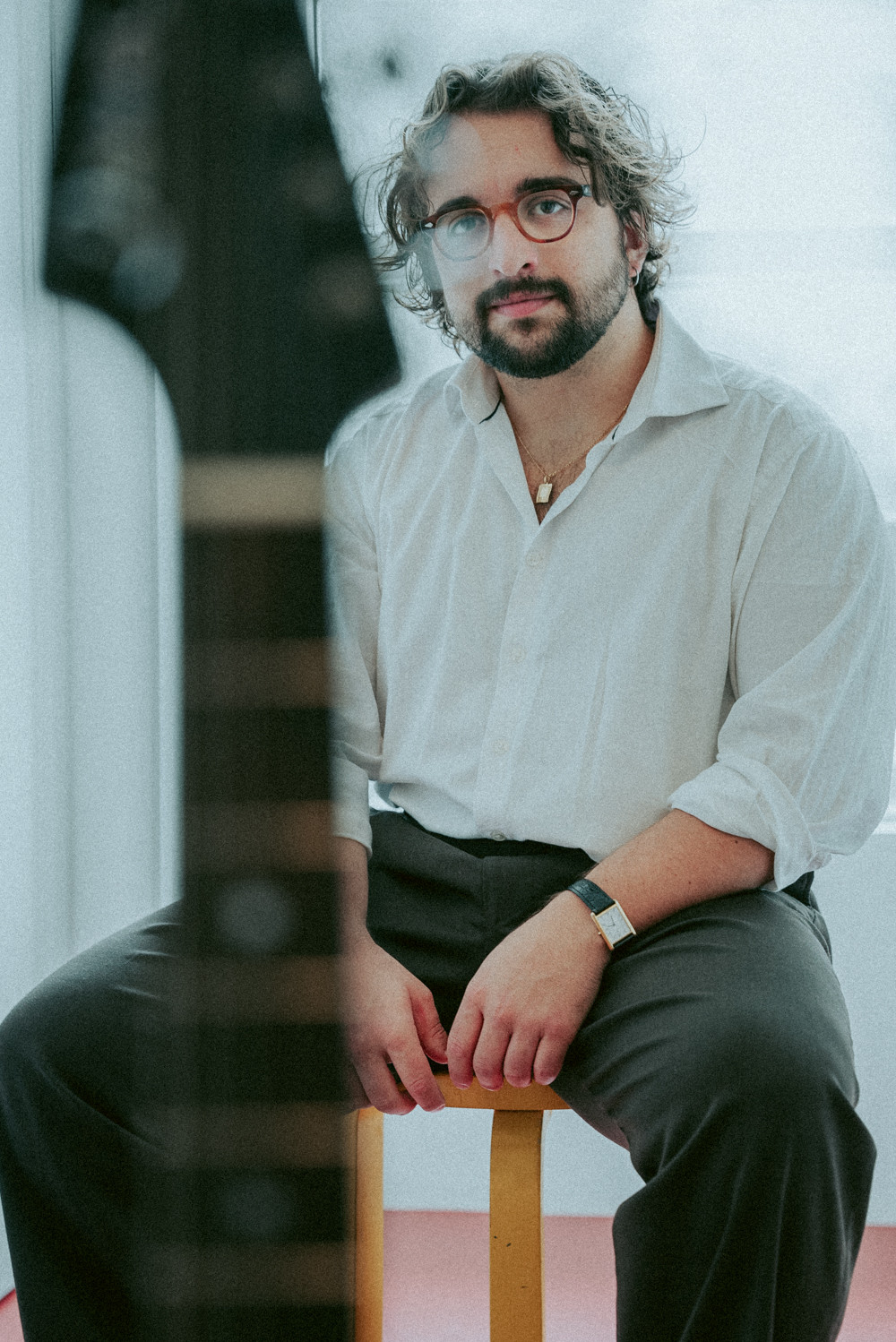
»Music is like a black hole that sucks you in and shoots you out on the other side of the universe.«

Francesco Rista is a guitarist working across classical and electric guitar. His recordings have been reviewed by international music magazines and broadcast on BBC and RAI Radio 3. After studying at the Royal Danish Academy of Music and Lund University, he focused on studio recordings, exploring guitar repertoire from the Baroque and Romantic periods to contemporary music, as well as the instrument’s varied tonal possibilities. Rista is currently based in Iceland, where he teaches guitar, composes music, and collaborates with contemporary composers.


© Villads Hoffmann
© Villads Hoffmann

Percussionist and composer David Hildebrandt is honoured for his virtuosic work with new music and his efforts to push the boundaries of what rhythm can be.

David Hildebrandt is among the recipients of this year’s honorary awards from the Wilhelm Hansen Foundation. He receives DKK 200,000 in recognition of his uncompromising work with new music and multi-percussion, as well as his ability to challenge conventional ideas about rhythm.

© Thor Brødreskift
© Thor Brødreskift
The 2026 Nordic Council Music Prize goes to Norwegian composers Kristine Tjøgersen and Benedicte Maurseth for Elja, a suite for the Kronos Quartet and Hardanger fiddle.
 
Rationale