in brieflive
21.09

The Trombone Finds Its Lyrical Side

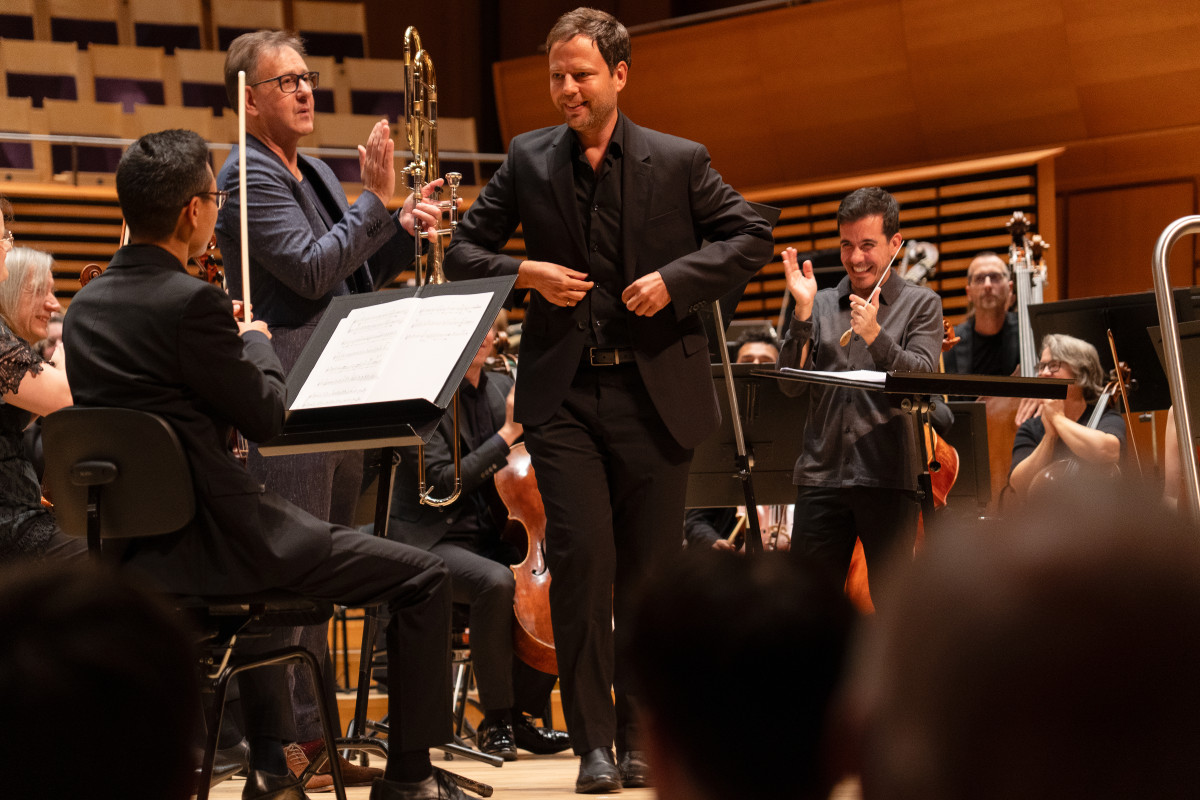
Francisco Coll: »Tapias«
© PR
© PR

At 19, the Spanish composer (and trombonist) Francisco Coll wrote a wild-child of a trombone concerto that pushed the instrument out of its comfort zone. 22 years later he has created a new piece from some of that material. Its priorities are the opposite.

Tapias embraces the lyrical, ethereal qualities of the trombone. It is not a concerto, insists Coll. Perhaps it could be described as a set of frescoes for trombone and orchestra. Whatever the category, it’s a beguiling piece that was gorgeously birthed on Thursday by Ian Bousfield, conductor Nuno Coelho and a sumptuous-sounding Stavanger Symphony Orchestra.

Composers from Sibelius to Turnage have reacted against caricatures of the trombone as brusque and clowning by exploring its dark-hued lyricism. Coll does something more, setting his soloist’s introspective, intervallic melodies in evocative and provocative orchestral contexts. The soloist’s lines can resemble spray-canned tracings on walls already heavy with the patina of history, decoration and graffiti.

Initially the trombone appears to seek repose. The second movement draws it into more agility but the dancing is suppressed: a layered burying of all manner of rhythms from flamenco to Hiphop. Great wodges of rich harmony weigh the boogying down for good. 

The trombone does find peace in the final movement – its long, soulful melodies more yielding. But not before Coll has conjured up moments of huge harmonic strain and conscious orchestral magnificence. They sat well next to Coelho’s fierce performance of Shostakovich’s Symphony No 5 after the interval. But Bousfield’s heartfelt journey through Tapias, sounding entirely at one with the orchestra, will linger longest in the mind. 

© PR

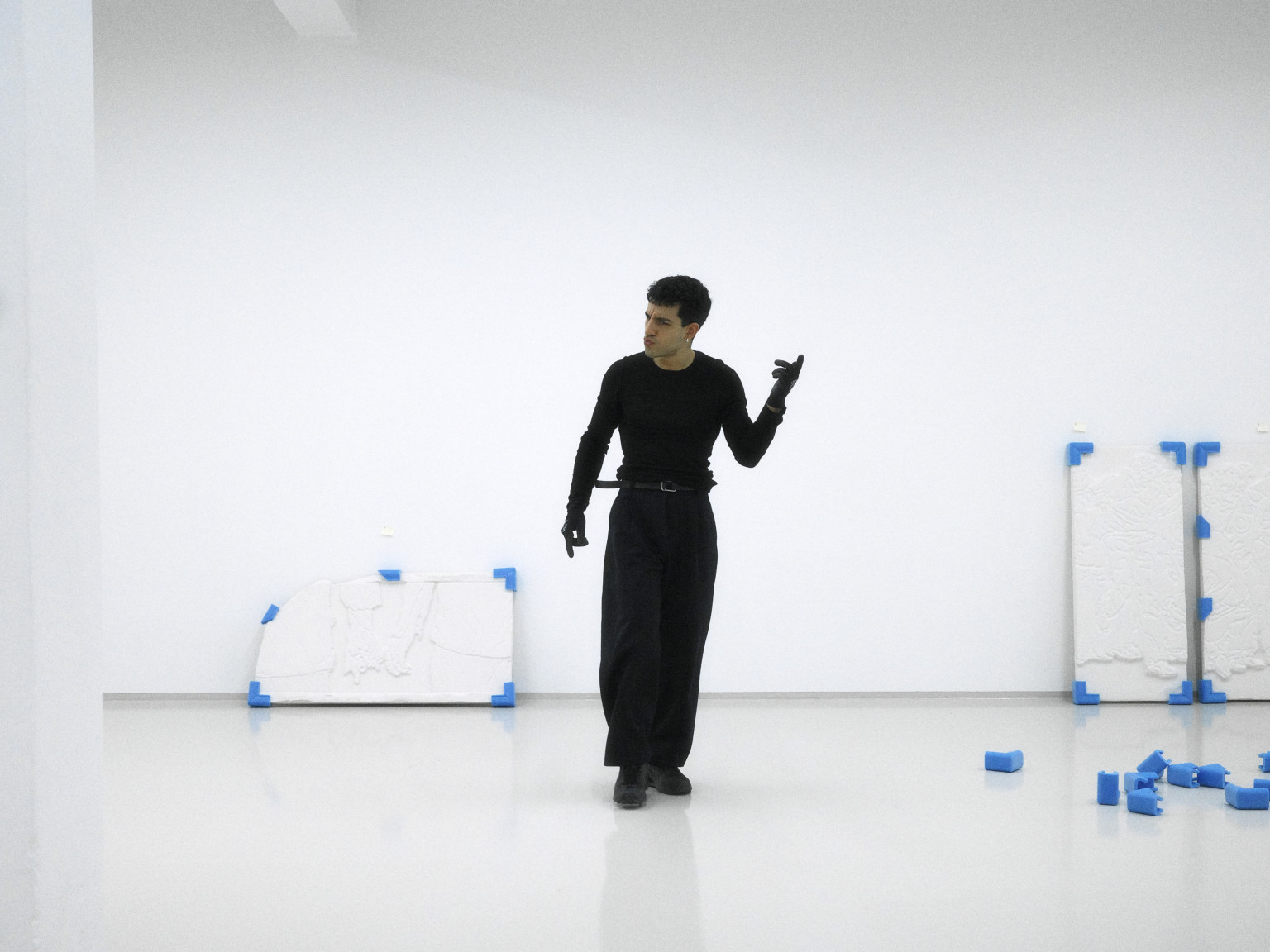
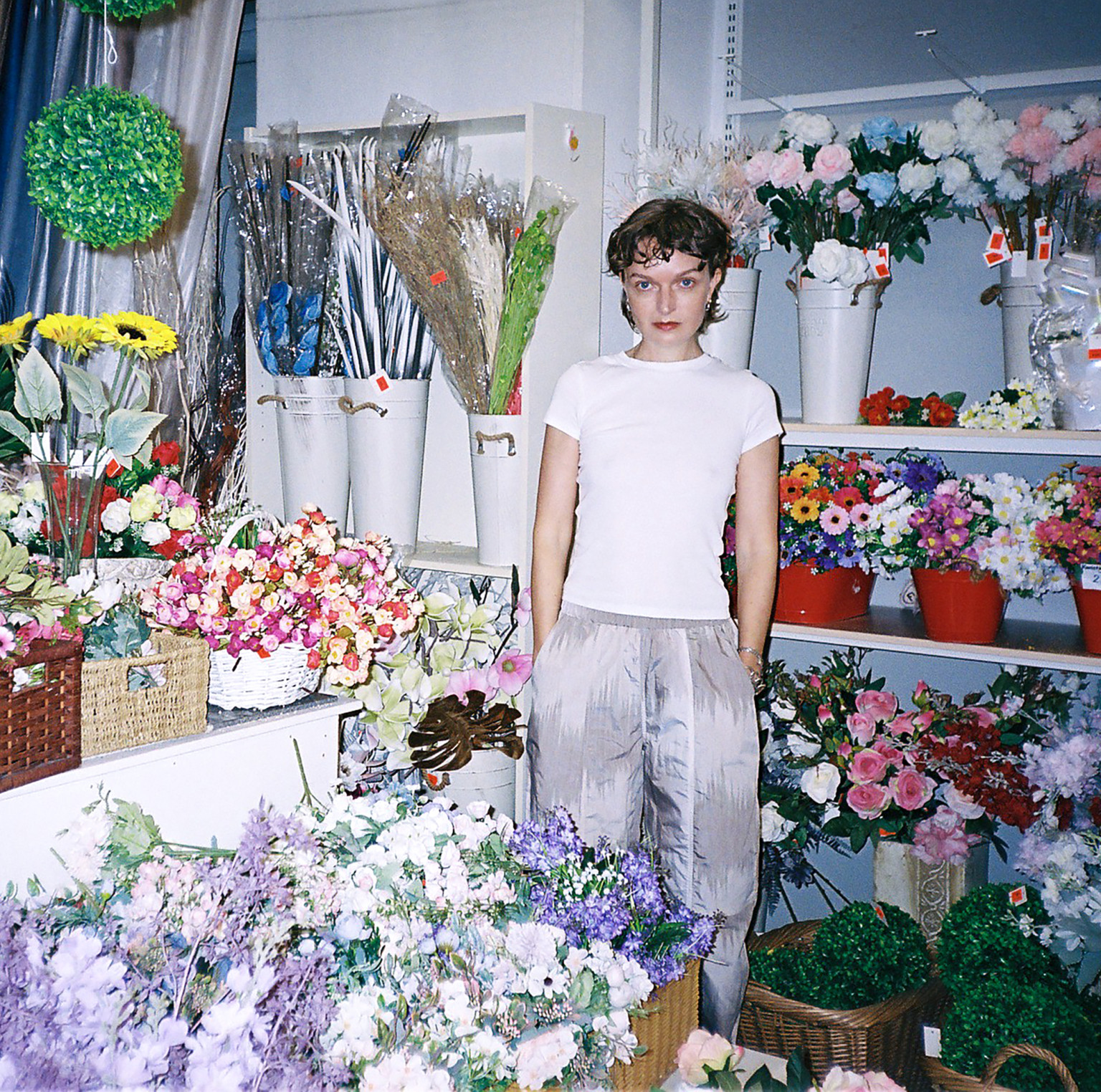
»Music for me is the purest communication! We are constantly trying to understand each other, completely in vain, with our inadequate language, while music speaks pure. I can’t think of a more powerful and influential form of expression. It surpasses visual art, film, theatre, everything. Music is without exception the start of all my work; I often think, if this work were a song, what song would it be?« 

ihsan saad ihsan tahir (b. 1995, UK/DK) graduated from the Royal Danish Academy of Fine Arts (2025) and Goldsmiths University of London (2025) and lives and works in Copenhagen. tahir has previously exhibited at, among others, Kunsthal Kongegaarden, Korsør (2026), SKAL Contemporary, Skagen (2025); 13 Vitrine, Lausanne (2024); Kunsthal Aarhus, Aarhus (2023;2024); Collega, Copenhagen (2024); and All All All, Copenhagen (2023). tahir opens a new, large solo exhibition at O ​​– Overgaden (February 20–May 3, 2026).

in brieflive
16.02

Indigo over Mahler

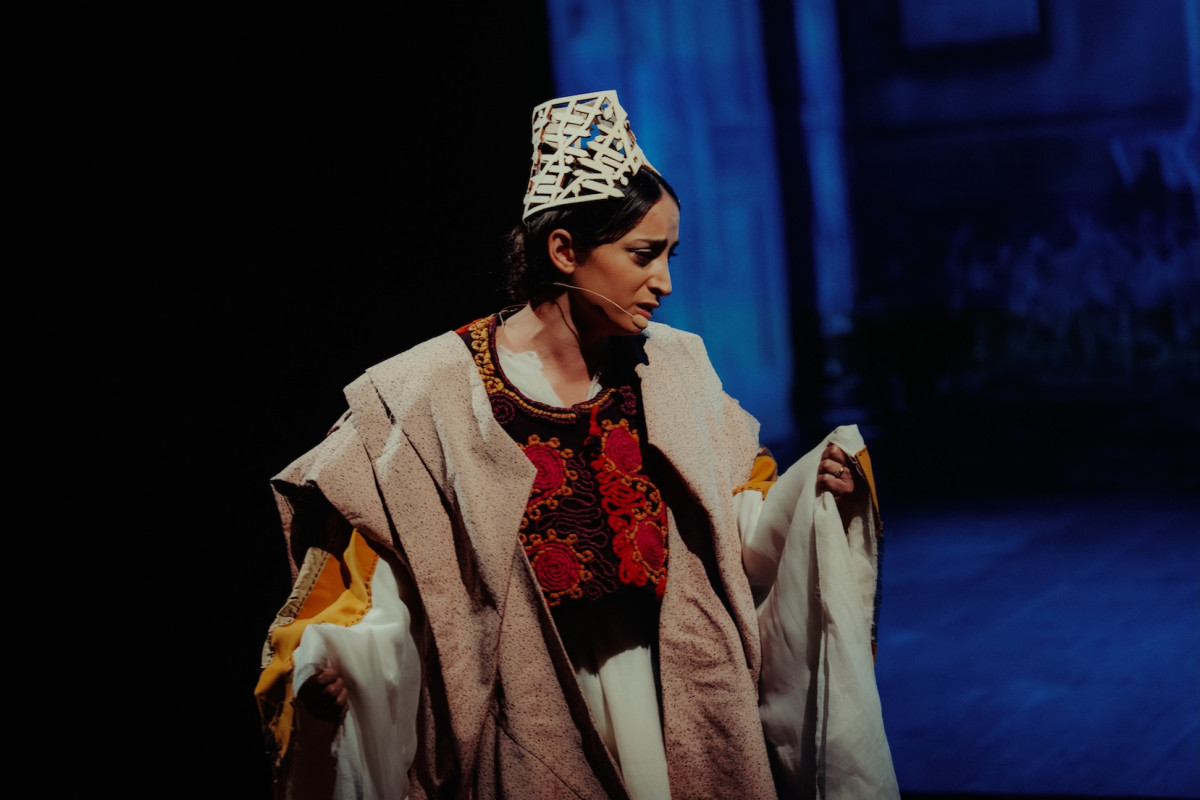
Anthony Sahyoun, Nour Darwish, Larissa Sansour, Søren Lind: »As If No Misfortune Had Occurred In The Night«
© Joakim Züger
© Joakim Züger

One of my most powerful art experiences of 2025 was British-Palestinian video artist Larissa Sansour’s intense work As If No Misfortune Had Occurred In The Night at Kunsthal Charlottenborg. The piece forms the basis of Thursday’s so-called »opera performance«, in which Palestinian soprano Nour Darwish performs in dialogue with Sansour’s visuals.

When Darwish steps onto the stage, it is before a vast screen where black-and-white scenes from an abandoned chapel establish a solemn atmosphere. It feels as though the entire hall is holding its breath as she begins to sing – tentatively, mournfully at first, then with spine-tingling force.

The composition draws on Kindertotenlieder (1905), in which Gustav Mahler sets to music Friedrich Rückert’s poems on the loss of two daughters. Composer Anthony Sahyoun allows Mahler’s music to merge with the Palestinian folk song »Al Ouf Mash’al«, a lament for a man who fell while serving in the Ottoman army during the First World War. Over time, the song has expanded into an oral account of Palestinian suffering. In its encounter with Mahler, it becomes a lament for centuries of grief – addressed to European ears that, through the colonisation of the region, bear part of the responsibility. Quite simply, it is a very good idea. At first, Darwish alternates between the two musical works, but gradually they fuse into a single narrative of sorrow, loss, and inherited trauma. She briefly leaves the stage, giving way to a filmed sequence in which she descends into a basin and is enveloped by indigo-blue water. In Palestinian tradition, indigo is the colour of mourning, because once it has stained skin and fabric, it cannot be washed away. It must be worn away – just as grief can leave us flayed.

Darwish returns in an indigo dress. At the climax, she falls to her knees as the screen behind her turns black, and I realise I have barely breathed for several minutes. The composition was created in 2022 – before the current war in Gaza – but on this evening, with her immense voice and intense presence, she adds yet another verse to the endless song. At times, art can feel brutally prophetic.

English translation: Andreo Michaelo Mielczarek

© Inga Records

»For me music is life. It contains everything and carries the strongest healing powers there is.«

Mika Akim is the solo project of the viola player, composer and songwriter Mika Persdotter. The project started when Mika found a viola d'amore outside of Prague and started writing songs for it, about and for the body. Exploring open forms, minimalistic approach and mixing influences from folk music, baroque and experimenting with sound. The music is cyclic and honest. Since the project started Mika Akim has released two albums and now the third solo album feb 28 will be released on the 27th of February on Inga Records. 

Besides the solo project Mika Persdotter is an active musician in the experimental music scene as well as the contemporary and baroque fields in Copenhagen. Member of Halvcirkel, Damkapellet, Wolfskin Ensemble and Stök among others. 

Bobo Moreno. © Thomas Roger Henrichsen

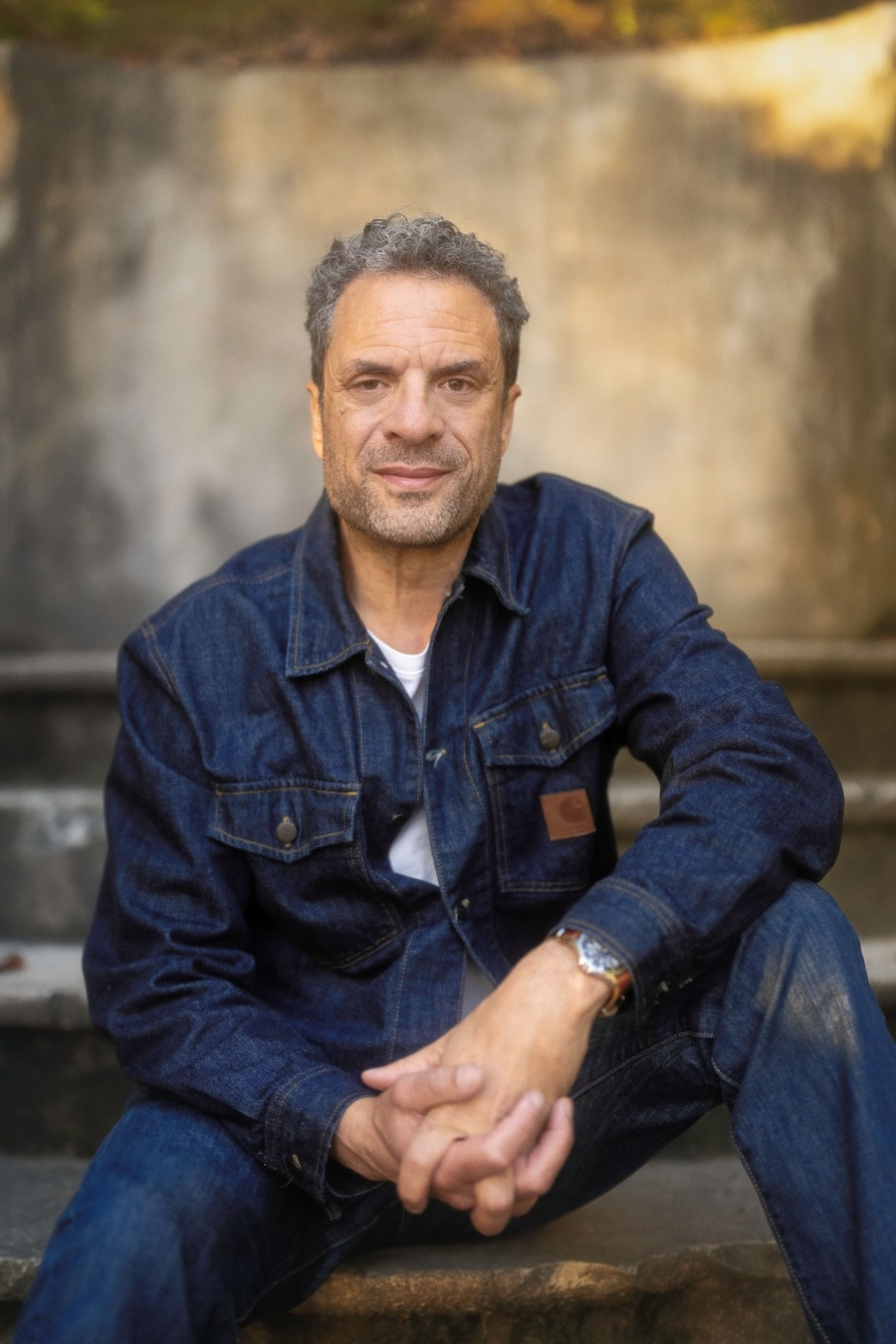
»Music is an element for me, along with earth, wind, fire and water. Music is a nutrient that is part of my personal food pyramid, along with cheese, eggs and tomatoes. Music is a relationship in my life that is just as important as the people I have around me. Music is like an extra organ through which I perceive the world.« 

Growing up surrounded by his parents’ eclectic record collection, Bobo Moreno developed a love for music across genres. Named after his stepfather, jazz and rock bassist Bo Stief, Bobo started out on the electric bass before, at the age of 22, finding his true instrument – ​​his voice. Self-taught, he developed his craft through countless live performances and garnered recognition for his expressive voice and stylistic range. His national breakthrough came with the pop duo Peaches & Bobo in 1993. After decades of performing, at the age of 60, Bobo now releases Missing Pieces – his deeply personal debut album, reflecting a life of musical exploration and self-discovery, while marking a new chapter in a lifelong musical journey.

© Mira Campau

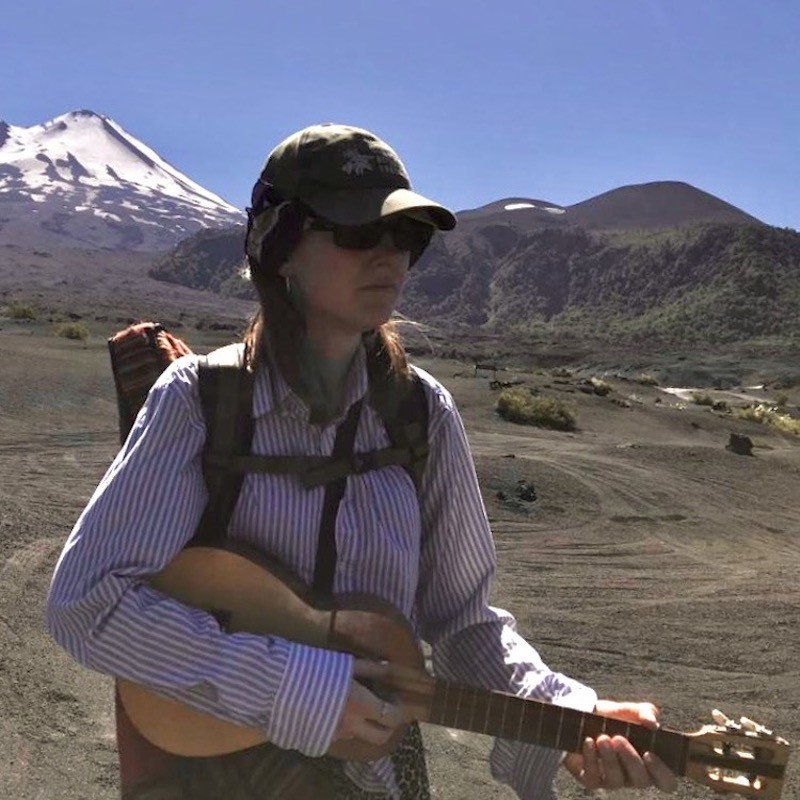
»Music to me is like water to plants. And a space to connect us, to ourselves, others and the world.«

Astrid Engberg is a contemporary artist with roots in the past, blending electronic-organic jazz, soul and percussive minimalism. Her sound combines heavy, minimal productions with personal storytelling and a spiritual edge, carried by a voice that balances sensitivity and strength. Since releasing her debut album Tulpa in 2020, highlighted by Bandcamp as one of the summer’s best releases, she has received the Steppeulven award as Producer of the Year 2021 and won Vocal Jazz Release of the Year at Danish Music Awards Jazz, alongside a nomination for Experimental Album of the Year.

Engberg has performed live and as a DJ at major Danish festivals and venues, including SPOT, Heartland, Roskilde Festival, DR Koncerthuset and SMK – Statens Museum for Kunst.