© Thor Brødreskift
© Thor Brødreskift
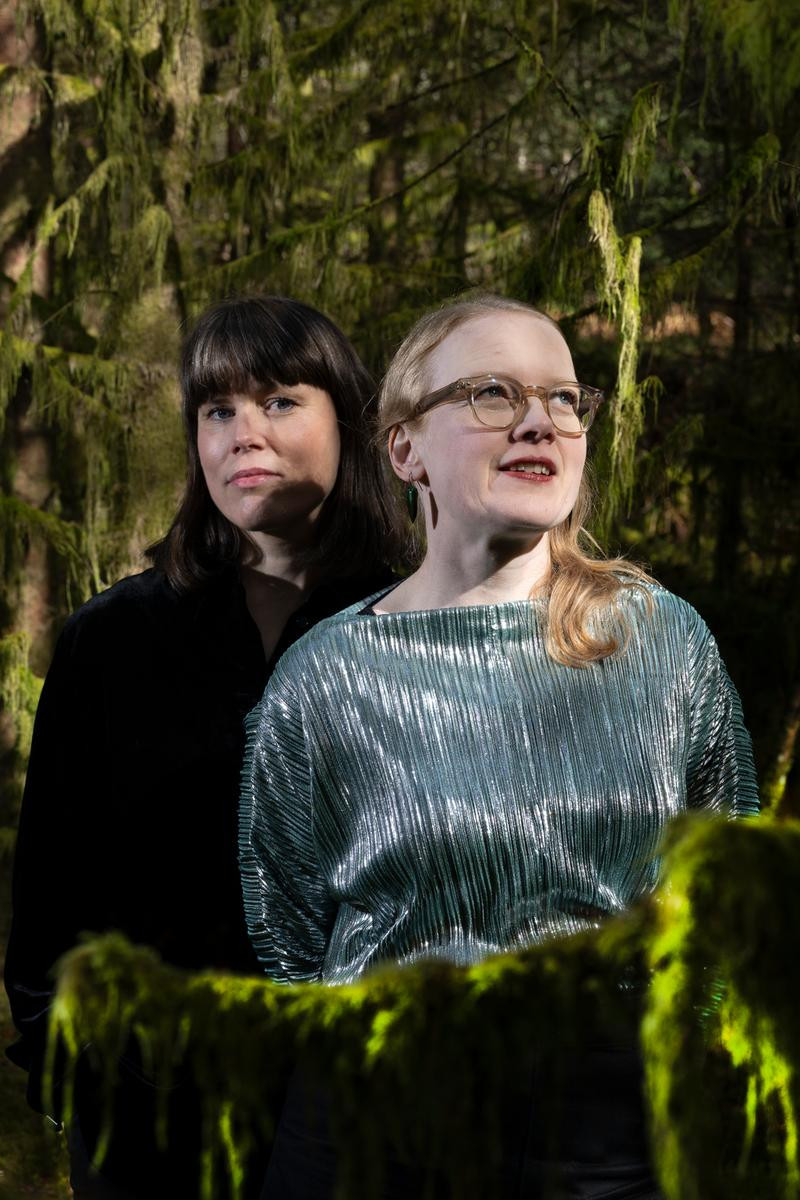
The 2026 Nordic Council Music Prize goes to Norwegian composers Kristine Tjøgersen and Benedicte Maurseth for Elja, a suite for the Kronos Quartet and Hardanger fiddle.
 
Rationale

Elja is an innovative and ambitious work that unites folk tradition, contemporary music, and a strong ecological perspective within a single, fully realised artistic vision. Drawing on the open landscapes of Hardangervidda, the composers create a rich and coherent sonic world in which birds, animals, weather, and vast distances emerge as musical movements and states of being. In it, nature appears not as a subject to be depicted, but as a fragile ecosystem in which everything is connected – and the music carries a quiet awareness of what is at risk of being lost.

The piece was written for a purpose-built family of instruments – Hardanger fiddles, Hardanger viola, and Hardanger cello, crafted by luthier Ottar Kåsa – with Maurseth as soloist. Their sympathetic strings, alternative tunings, and rich overtones open an immersive space in which the tonal heritage of the Hardanger fiddle tradition meets new musical landscapes. The meeting between Maurseth’s grounding in a living, oral tradition and Tjøgersen’s precise and exploratory approach to sound gives rise to a poetic, richly detailed, and sonically daring expression. 

Elja demonstrates how collaboration between different artistic practices can expand the possibilities of the instrument, the tradition, and contemporary music itself. Through its artistic originality, its profound engagement with nature, and its international impact, the work stands out as a significant contribution to the music of our time – a work that invites deep listening and reflection on humanity’s place within the wider ecological community. 

Commissioned by Kronos Quartet and Carnegie Hall, the work had its world premiere in New York in March 2025, marking an international breakthrough for two of the most distinctive voices in Norwegian music. 

Source: Nordic Co-operation

© PR

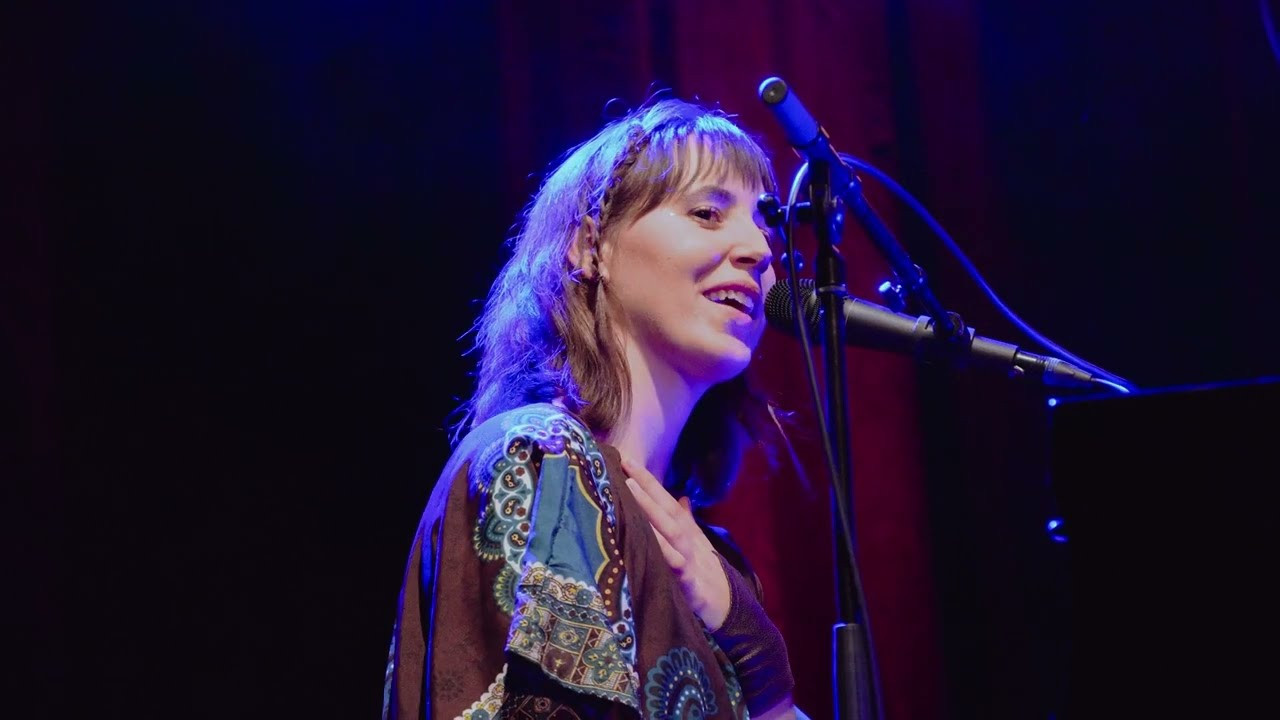
»To me, music is love. I love how music allows you to skip the small talk and connect directly with people’s innermost selves. It is an extraordinary and moving way to meet one another.«

Fenja wrote her first song at the age of twelve – about a polar bear dying due to climate change – and themes of existentialism, nature, and her own sensitive nature came to define the lyrics and sound she has since developed. She released her debut album, Flugtdyr, in 2021, and in February 2026, she released the album Menneskedyr.

© PR
© PR

Danish composer Sofus Forsberg has died at the age of 56. With his distinctive blend of melodic sensibility, electronic processing and rhythmic precision, he created a musical world that moved effortlessly between IDM, pop and the avant-garde.

© Simon Weyhe

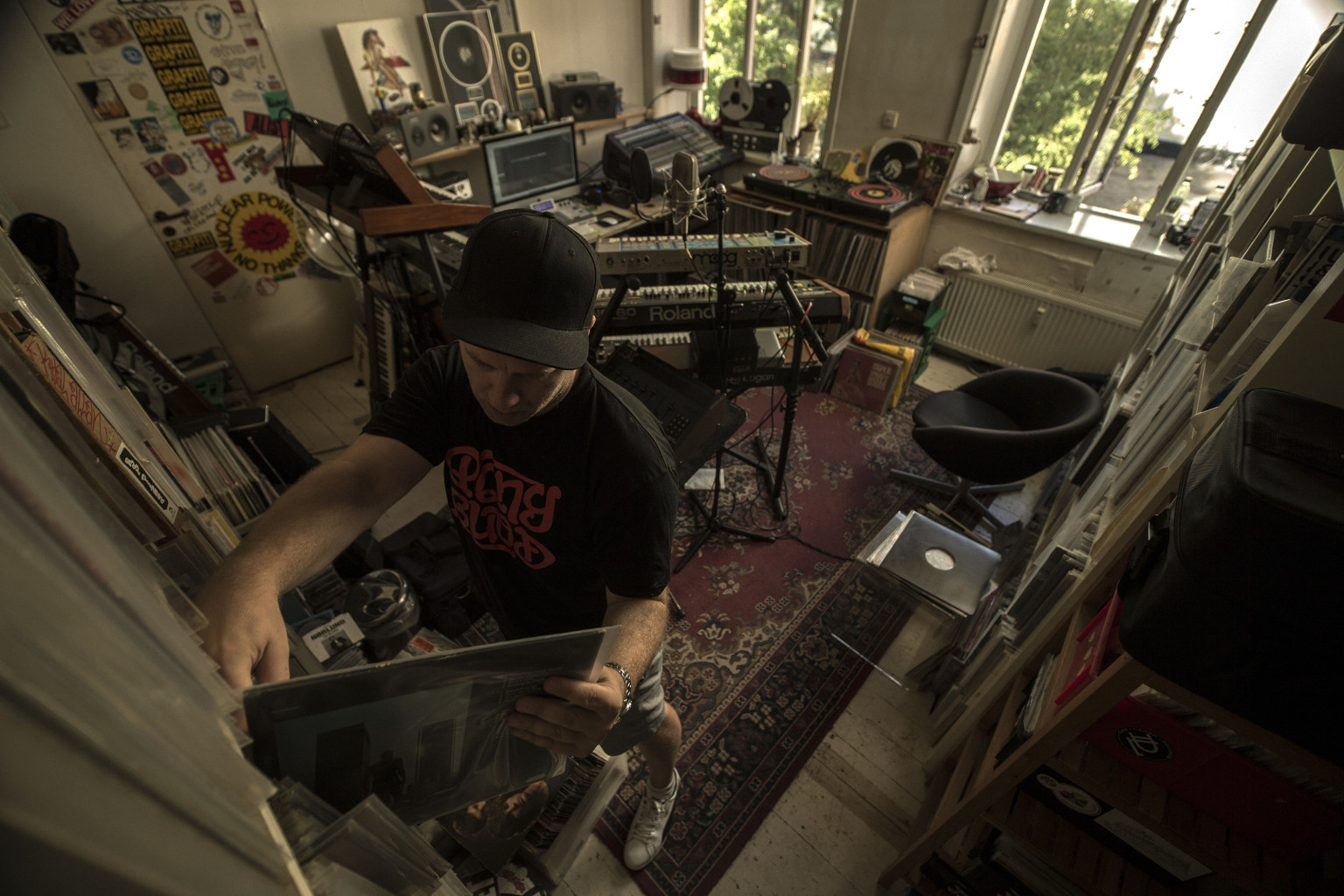
»Music for me is my hobby, my job, my outlet, my mood, an endless source of discovering new music and new, old music, some of the best and can be some of the worst. And I love it!« 

Track72 aka Tue Track aka Anders Lundby Brixen. Producer, DJ, rapper and more. Known for his role in the trio Malk De Koijn, which since the mid-1990s has created a personal universe in Danish hip-hop. Has performed in Ponyblod, Xtra Naan, Track Abdullah Rock, Booty Cologne and others.

© PR
© PR

On Wednesday, 5 August 2026, it happened again: a chord in John Cage’s Organ2/ASLSP (As Slow as Possible) changed after two and a half years. Classic FM reports.

The work was written by the American avant-garde composer John Cage in the mid-1980s. The score consists of eight pages of music, and, as the title suggests, the instruction is to play it »as slow as possible.«

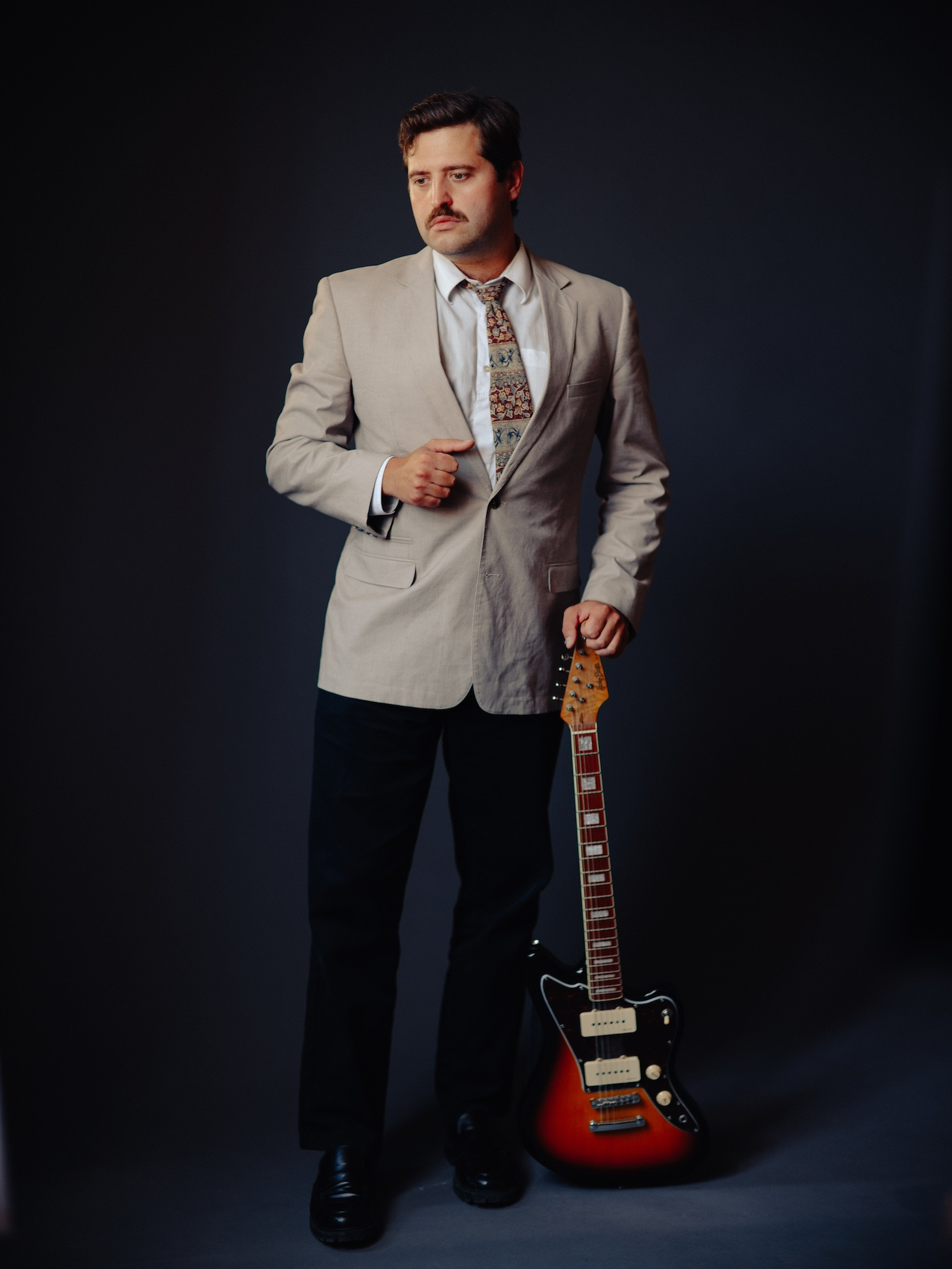
»What music is to me? Where have the great feelings gone?«.

Gellért Szabó is a composer, conductor and performer based in Leipzig, Germany. His work combines contemporary composition with influences from free improvisation, noise and the expressive richness of the late nineteenth century. He is the founder and artistic director of the 23-piece Ideal Orchestra, an ensemble dedicated to large-scale experimental music of sweeping emotional intensity. Alongside this work, Szabó performs internationally with his solo project Radical Radio Show, exploring symphonic textures and immersive sound worlds through a single electric guitar and live electronics. His music is driven by a search for intensity, vulnerability and uncompromising emotional expression.