in brief
16.03.2021

Doing it anyway

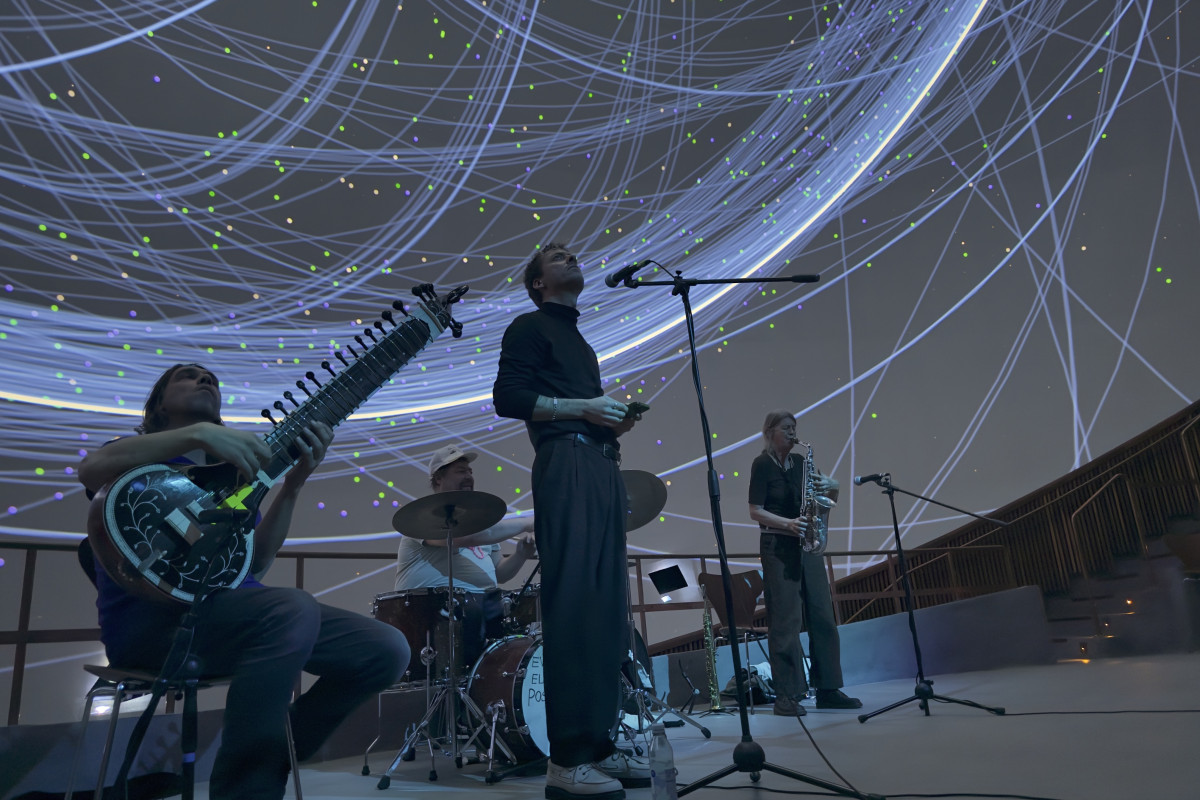
Mikkel Schou: Debut Concert I-II
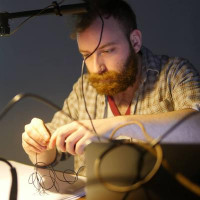
Mikkel Schou. © The Royal Danish Academy of Music
Mikkel Schou at his Debut Concert. © The Royal Danish Academy of Music

Schou is a powerhouse – unafraid to try new things, push himself in new directions, and pull us all along with him. We sorely need this energy, and we are lucky to have Schou and his do-it-anyway attitude.

But sometimes do-it-anyway needs tempering a little. Schou spoke about how he prepared this concert without guidance from his teachers. Brave, but I missed a guiding hand, a sharper focus. Both concerts were too long, and not always coherent. I sensed an artist who has defined himself by who he isn’t, but not yet by who he is.

Still, there were glimpses of a unique personality. Stefan Prins’ Generation Kill was an odd choice to start a debut concert with – Schou’s back was facing the audience, and the piece did little to highlight his skills as a performer (I also hated the piece, but that’s a personal matter). So I’m going to pretend that the concert started with Johannes Kreidler’s Guitar Piece – a vile little video-nasty to which Schou fully committed. A perfect manifesto – the absolute nerve of presenting two years of soloist class education by eating your guitar. I wish we’d had more of this playfulness.

But the energy sagged with a disparate selection of pieces that seemed more like a composer class concert than a presentation of a fresh artistic profile. Props to Schou for this – using your debut concert to focus on younger composers is bold, and should be celebrated. I just wish we’d had more Schou. My highlight was Emil Vijgen’s Photobooth Study, where Schou got to engage with his instrument in a different way, let loose a little, and be a soloist.

Schou may present himself as a force of nature, and he is, but there is an air of sensitivity (reticence, even) to his presence that does not always match up with the pieces being performed. Rob Durnin’s What, de facto could have benefitted from some more ‘fuck you’ attitude – the performance was oddly shy.

The late-night concert’s improvisation was fun: it’s always a joy to see Marcela Lucatelli and Henrik Olsson improvise (although Schou was the clear third wheel). However, the concert was overlong, and did not add much to Schou’s profile. I get that he wanted to show more sides of himself, but, again, it came at the expense of focus. Replacing Esben Nordborg Møller’s bloated Drones with Sarah Nemtsov’s lounge-jazz tinged Seven Colours from earlier would both shorten the concerts and sharpen the intention.

But these things are matters of polish. Schou is a rare and exceptional artist, and deserves accolades for his work and for these concerts. With more confidence and time to refine his vision, there is no doubt that Schou will be an essential fixture on the new music scene for years to come.


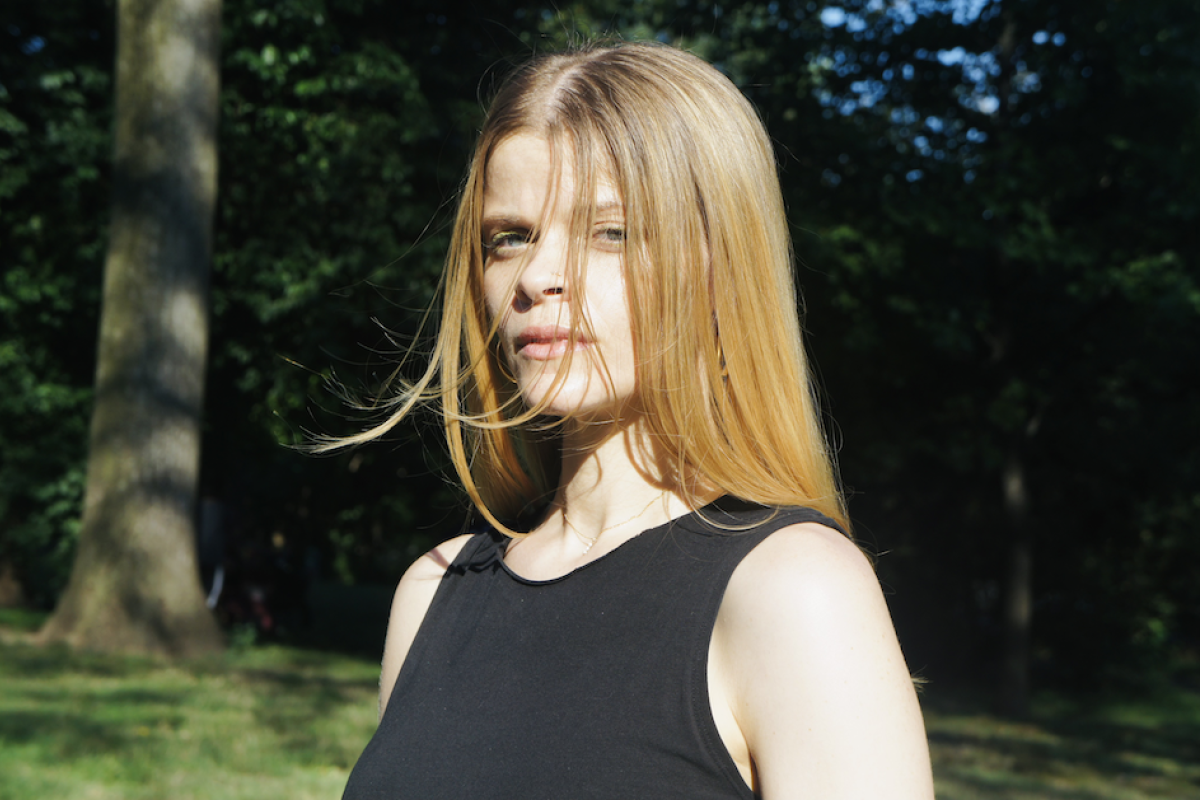
© PR

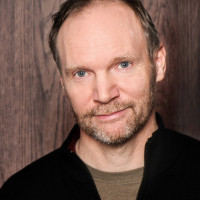
»Music has been a healing balm for me.«

John William Grant is an American singer, musician, and songwriter holding both American and Icelandic citizenship. He first came to prominence as a co-founder, lead vocalist, pianist, and primary songwriter of the alternative rock band The Czars. After releasing six albums between 1994 and 2006, the band disbanded, and Grant withdrew from music for four years before embarking on a solo career.

He returned in April 2010 with a critically acclaimed debut album recorded in collaboration with Midlake. Queen of Denmark was named Album of the Year 2010 by Mojo magazine and was also selected as one of the ten best albums of 2010 by The Guardian’s music critics and writers.

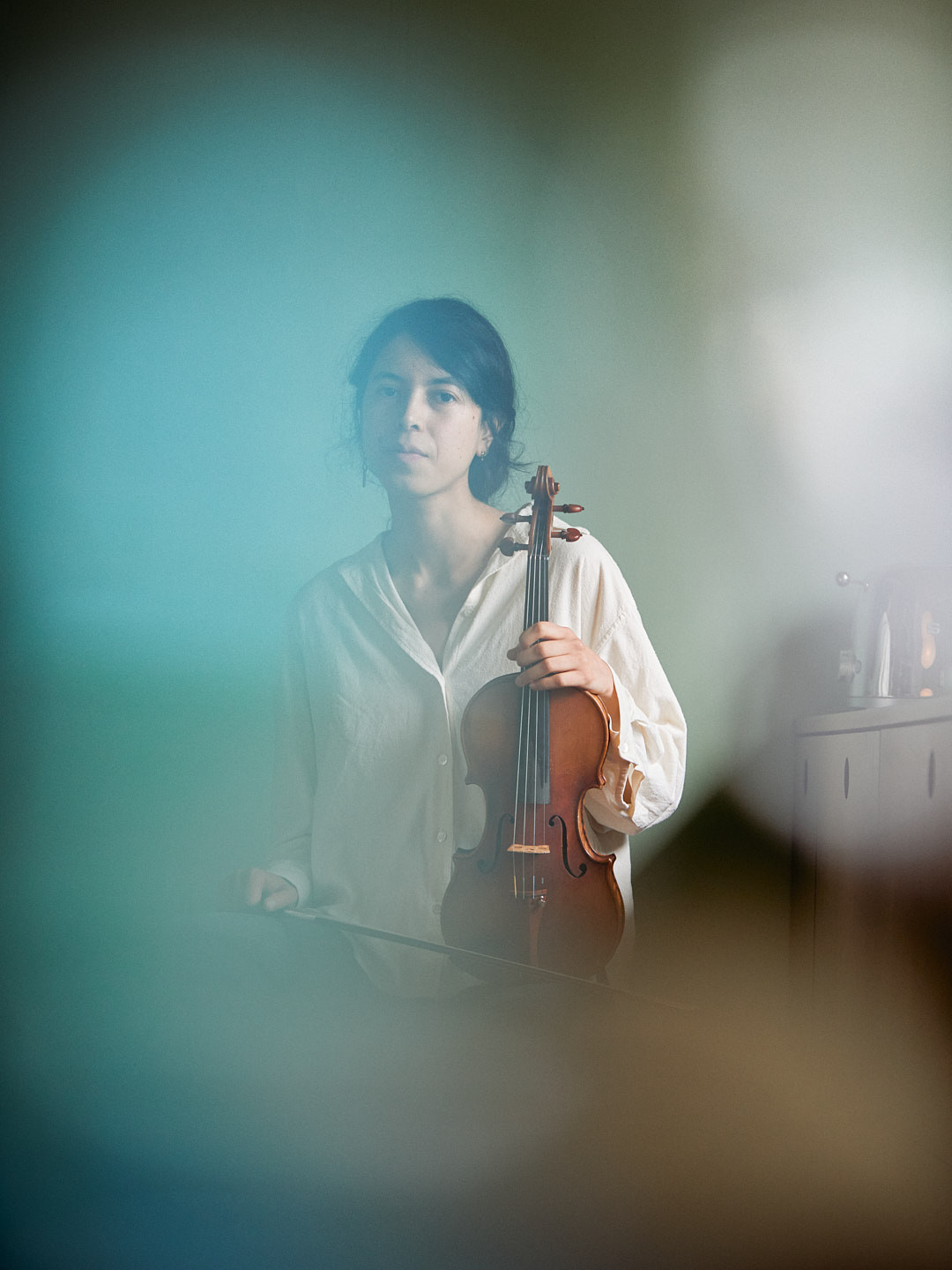
© Malthe Folke Ivarsson

»In his music, composer Allan Gravgaard Madsen tries to create a better version of himself.« 

Allan Gravgaard Madsen is a Danish composer based in Copenhagen. His most recent works include Träume nicht and Nachtmusik. He tries to create a better version of himself in his music – where his personality tends to be restless, chatty and has an active inner life, his music is controlled, simple and merciless in its expression. He is the recipient of the Carl Nielsen & Anne Marie Carl-Nielsens Hæderspris 2022.

in briefrelease
23.01.2022

Finnish Space Travel

Tomutonttu: »Hoshi«
© Tomutonttu: »Hoshi«

The Finnish multimedia artist Jan Anderzén has, with the album Hoshi, released under the solo moniker Tomutonttu, created a true little star. Not only because »hoshi« literally means »star« in Japanese, but above all due to the music itself. There is something cosmic, yet infinitely minute, about the sonic worlds Anderzén conjures—like a galaxy reflected in a puddle, or a space journey in a rocket carved from a hollow tree trunk. Synths emit busy, warm blips and bloops, while ultra-short vocal and instrumental samples create a recognizable blur. At once artificial and organic – soft, rounded, jagged, crackling.

Anderzén approaches sound with a playfulness I simply adore. His music is strange in an incredibly comforting way. It places me in a kind of colorful, trance-like state, only interrupted when, several times over the course of the album, I find myself smiling in delight at a particularly great sound. The synths on »Katse osuu sähköön!« The choral samples on »Kesä oli äkkiä ohi!« Milo Linnovaara’s flute on »Malta lausua ‘AH’!« And many more. Hoshi is an album packed with microscopic moments that together form a frayed, exploding, radiant, idiosyncratic whole—a stellar moment of just under 38 minutes.