in brief
26.05.2021

Vidne til ophøret

Bára Gísladóttir & Skúli Sverrisson: »Caeli«
Bára Gísladóttir og Skúli Sverrisson: »Caeli«. © Sono Luminus

En verden af iskold sol og helvedsblomster toner frem i Gísladóttirs musik; bredt hvislende droner sat over for kontrabassens på samme tid meditative og foruroligende botanisering. Det er storladent, men ukunstlet, en bombastisk ensartethed i en to timer lang raptus. »Solen størkner blodig, imedens den brænder,« som Baudelaire skrev.

Kun rent undtagelsesvis viger Gísladóttir og Sverrisson bort fra hovedsporet på Caeli, for eksempel med de klagende mågeskrig og konturerne af et strygerarrangement på »Caeli movendi sunt et terra«. For sproget er fundet, deres opgave er blot at lade det flyde. Hyl mod månen!

Jeg kan ikke lade være et krydslæse Gísladóttir – månens og den evige vinters besynger – med den soloptagede og lige så hyperproduktive digter Cecilie Lind: »Jeg er solen, der stod op om natten,« skriver hun i Mit barn, langdigtet om fødslen af den sorte sols baby og den personlige undergang spejlet i galaksens, »mor / mord / dødssol«.

Umuligt er det at fjerne blikket fra himmellegemer i kollaps, hvad end det er måne eller sol (ét fedt bag apokalyptiske briller). Og det er vel sådan, jeg lytter til Caeli og Gísladóttirs improvisatoriske partiturcirkler, som en myg fanget af det lys, der vil udslette den. Som en myg, der ser en komponist finde sit sprog og bade sig i den overflod af lyd, det taler.


© PR

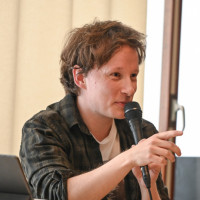
»To me, music is love. I love how music allows you to skip the small talk and connect directly with people’s innermost selves. It is an extraordinary and moving way to meet one another.«

Fenja wrote her first song at the age of twelve – about a polar bear dying due to climate change – and themes of existentialism, nature, and her own sensitive nature came to define the lyrics and sound she has since developed. She released her debut album, Flugtdyr, in 2021, and in February 2026, she released the album Menneskedyr.

© PR
© PR

Danish composer Sofus Forsberg has died at the age of 56. With his distinctive blend of melodic sensibility, electronic processing and rhythmic precision, he created a musical world that moved effortlessly between IDM, pop and the avant-garde.

© Simon Weyhe

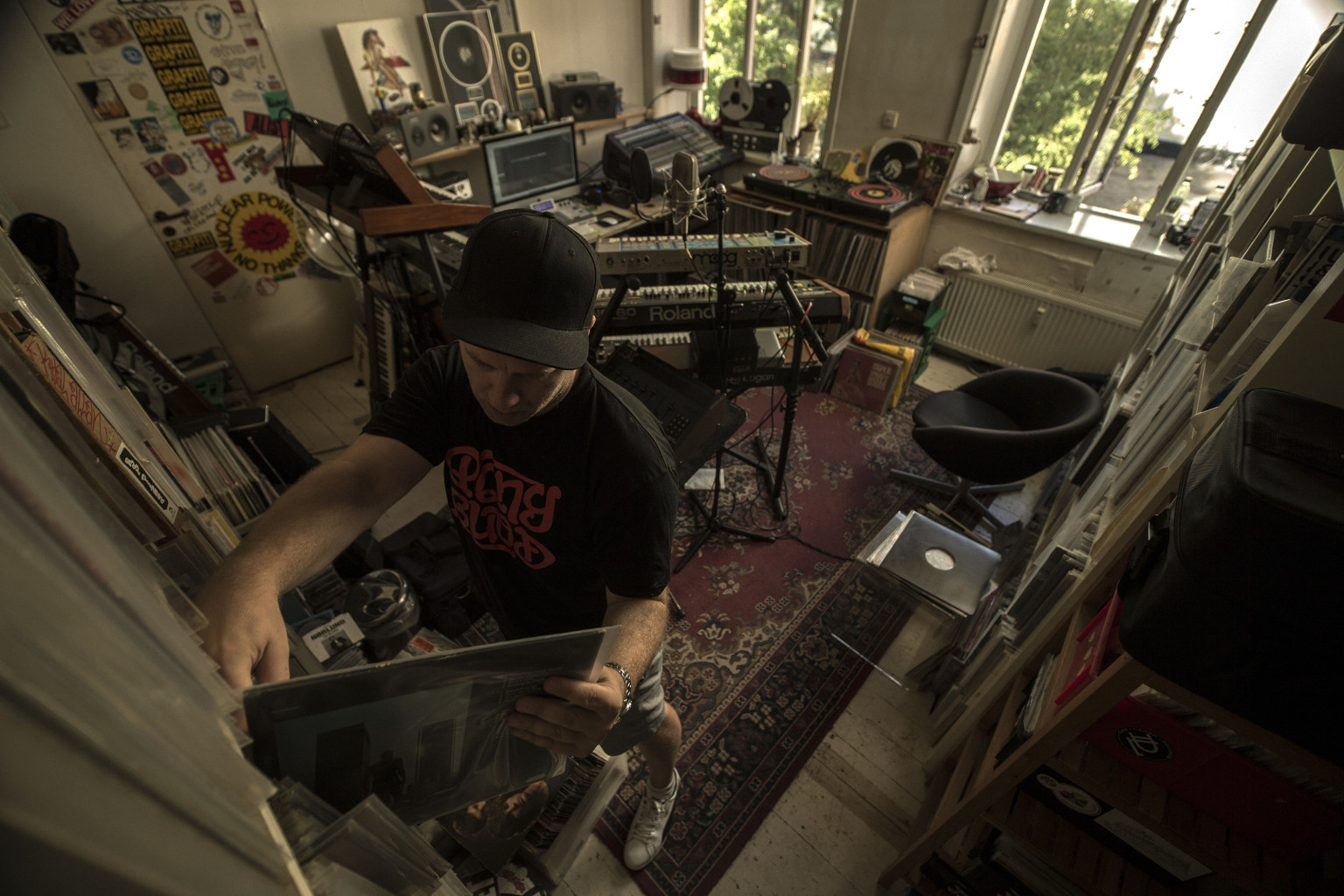
»Music for me is my hobby, my job, my outlet, my mood, an endless source of discovering new music and new, old music, some of the best and can be some of the worst. And I love it!« 

Track72 aka Tue Track aka Anders Lundby Brixen. Producer, DJ, rapper and more. Known for his role in the trio Malk De Koijn, which since the mid-1990s has created a personal universe in Danish hip-hop. Has performed in Ponyblod, Xtra Naan, Track Abdullah Rock, Booty Cologne and others.

© PR
© PR

On Wednesday, 5 August 2026, it happened again: a chord in John Cage’s Organ2/ASLSP (As Slow as Possible) changed after two and a half years. Classic FM reports.

The work was written by the American avant-garde composer John Cage in the mid-1980s. The score consists of eight pages of music, and, as the title suggests, the instruction is to play it »as slow as possible.«

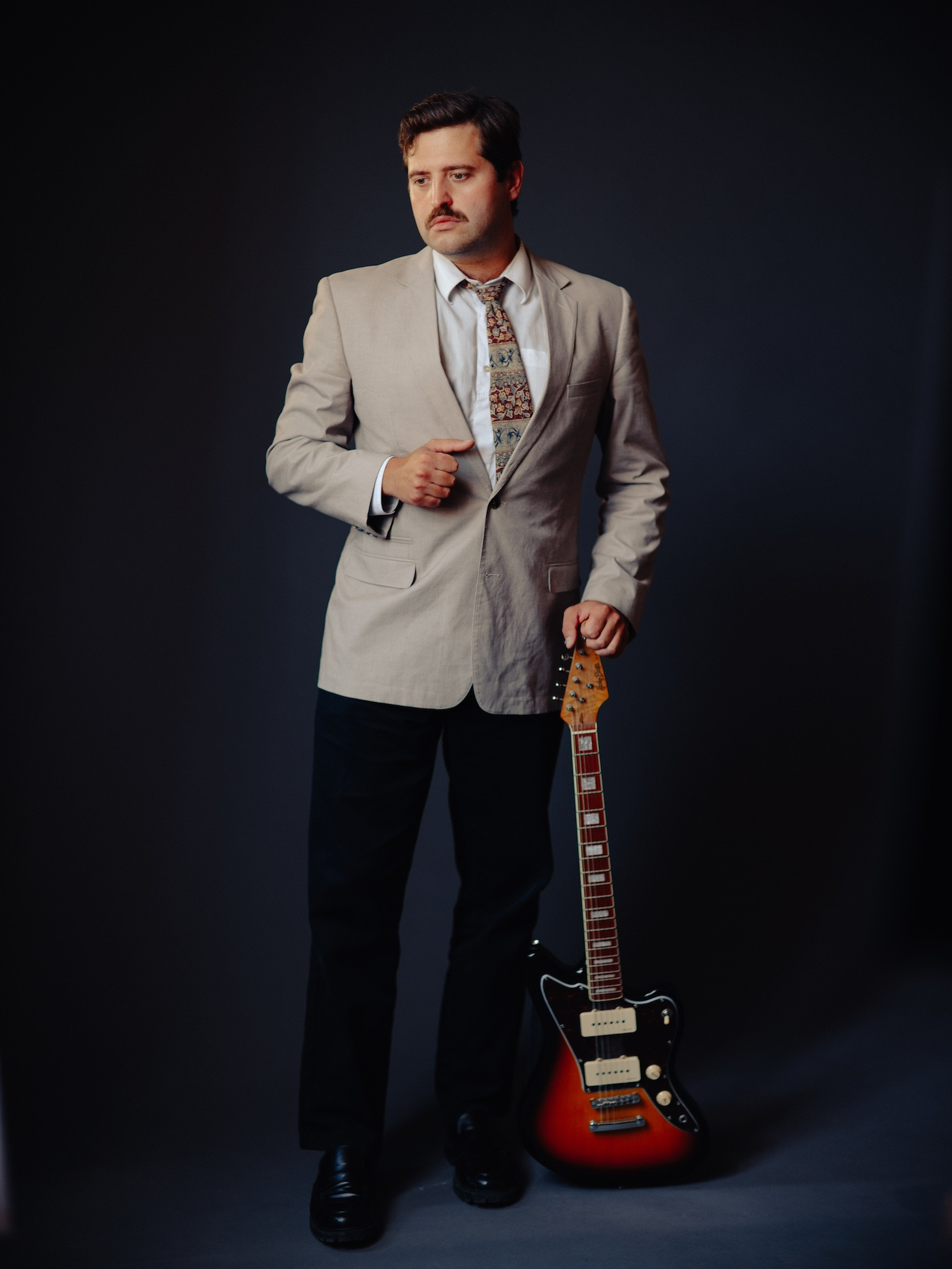
»What music is to me? Where have the great feelings gone?«.

Gellért Szabó is a composer, conductor and performer based in Leipzig, Germany. His work combines contemporary composition with influences from free improvisation, noise and the expressive richness of the late nineteenth century. He is the founder and artistic director of the 23-piece Ideal Orchestra, an ensemble dedicated to large-scale experimental music of sweeping emotional intensity. Alongside this work, Szabó performs internationally with his solo project Radical Radio Show, exploring symphonic textures and immersive sound worlds through a single electric guitar and live electronics. His music is driven by a search for intensity, vulnerability and uncompromising emotional expression.