in brief
23.08.2021

Lyt! De tabte lande lever

Peter Danstrup: »Landene der forsvandt«
Vokalselskabet GLAS
Vokalselskabet GLAS

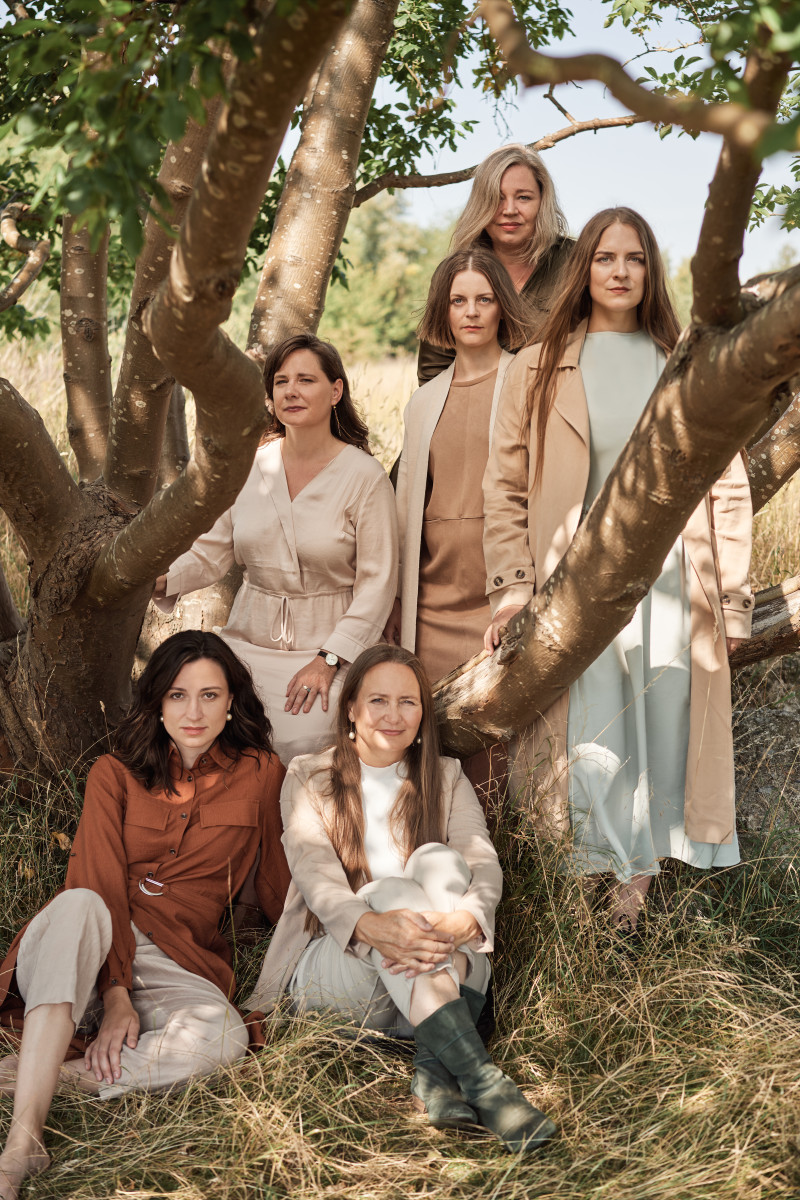
Komponisten Peter Danstrups sangcyklus Landene der forsvandt til Vokalensemblet GLAS lader os besøge lande, hvis navne ikke længere findes på verdenskortene. I en stærk blanding af genrer er hver sang som skåret ud af sit egen tidspunkt i historien. Teksten i den munstre folkevise Heligolandet giver associationer til Alberte Windings universer (en kæmpe kompliment). Min ven Brooke er en bluesy og stærkt humoristisk fortælling, der konstant holdt mig på kanten af mit sæde i spænding efter den næste strofe. Østrumelien har karakter af en revolutionær kampsang, og Libertatia føles som det manglende nummer på Sebastians Skatteøen, nemlig piraternes stærkt politiske modspil mod det klassesamfund, de ikke ønskede at være en del af.

De mange genrer er mesterligt flettet sammen og fremført af sangerne i ensemblet. Hver sang spiller på nogle kendte musikalske konventioner, så det føles som om, man genkender musikken. Og alligevel vindes nyt land – det er lidt som at studere historien om de lande, der nu mangler. De udfylder nogle huller i vores konventionelle fortællinger.

Samarbejdet mellem Danstrup og GLAS-sangerne er et af de sjældne samarbejder, der kun bliver bedre efter første gennemlytning – og det bør fortsættes, udbygges og styrkes fra officiel side. Øj hvor er det godt!

© PR
© PR

It was officially confirmed only recently that Icelandic avant-garde star Björk is visiting Bielsko-Biała today. After keeping it under wraps until the last moment, the organizers of the Wędrujący Festiwal (Wandering Festival) have revealed that Björk is the artist closing out the festival's grand finale.

© Kåre Viemose

»Recently, I discovered that when a couple of thousand people clap their thick gloves in minus 30 degrees, it sounds like the softest techno – a freezing space where the cold air turns into a wave of warmth, and we, in a moment of collective devotion, become one with the rhythm, one with the invisible bond that connects us in the warmth of silence. Music is not just sounds, but a vain attempt to capture the infinite, which has always been and always will be.«

Andreo Michaelo Mielczarek has been the editor-in-chief of Seismograf since 2021. He is also a music critic and cultural journalist at Kristeligt Dagblad and Århus Stiftstidende/Avisen Danmark and has over the years written to publications such as Kunsten.nu, Glissando (Poland), Neural (Italy), Raw Vision (UK), Nutida Musik (Sweden), Kunstkritikk (DK/Sweden), Iscene.dk, B.T., and Jazz Special. He is the author (together with Lars Muhl) of the book HVA' SAA! En guidet rutsjebanetur gennem Aarhus – før, nu og i fremtiden (2024) and has also contributed to the anthology on music criticism Man skal høre meget (ed. Thomas Michelsen and Claus Røllum-Larsen, 2024). He is a founder and partner in the Polish-Danish cultural organization Kultur(a), and wherever there is a piano, he will be there, eager to coax a melody from it.
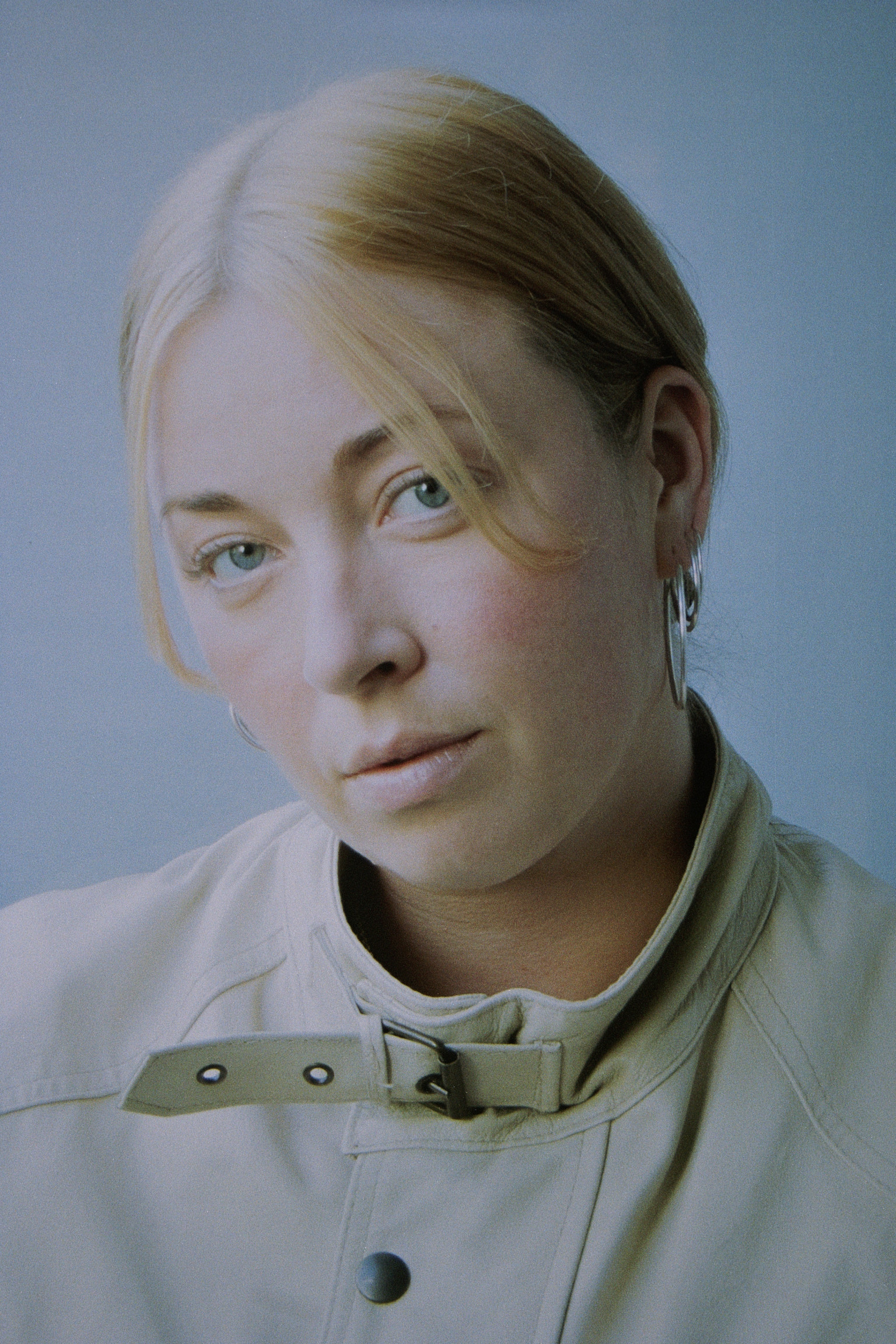
© Aria Leth Schütze

»For me, music is an opportunity for transformation.«

Aria Leth Schütze is based in Copenhagen and is the creative force behind the music projects Alto Aria and Samler På Dig. They are a co-founder of the record label Rhizome and a co-editor of the music magazine Passive/Aggressive. Their practice brings together electronic and acoustic music in an exploration of transformation.
 

© PR

»For me, music is the art form that – if measured in hours and minutes – occupies by far the greatest part of my life. I cannot sing, nor can I play an instrument, but I can listen – as a happy amateur – while cycling, on the dance floor, and, above all, at the office. I almost always work – that is, write – to music.« 

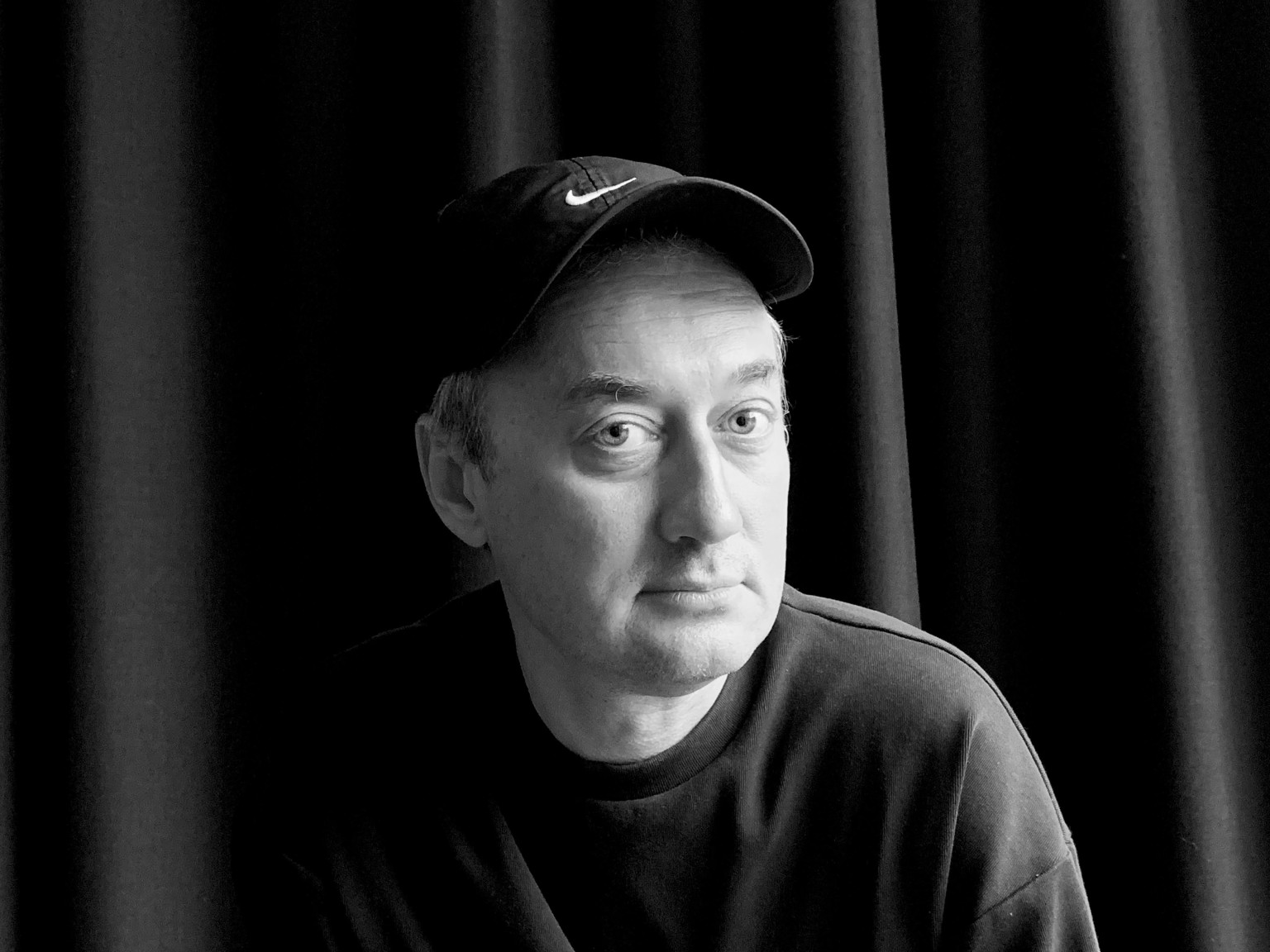
Mikkel Krause Frantzen (b. 1983) is an associate professor at the Department of Arts and Cultural Studies, a literary critic for Politiken, and the author of several books in English and Danish, such as En fremtid uden Fremtid (2018), Klodens Fald (2021), and Slutspil (2024).

© Mads Nissen
»Music is what gets my gears turning. It sets both my body and mind in motion – and on a good day, even gets them up to speed. My listening habits are entirely shaped by my mood... and by the musical tastes of my two children, which shift every eight minutes... so the home stereo gets exposed to a bit of everything. In a way, that’s exactly how it should be. Room for everything and everyone.«
 
David Dyrholm (b. 1990) is a food and music critic for Politiken, focusing on jazz – ranging from the traditional to the modern—and avant-garde music. Alongside this, he has worked for the Modern Jazz Days festival, served on the jury for the DMA Jazz awards, and previously released a number of records with the hip-hop collective DoktorDoktor.