
Frahms blockbusterfantasier
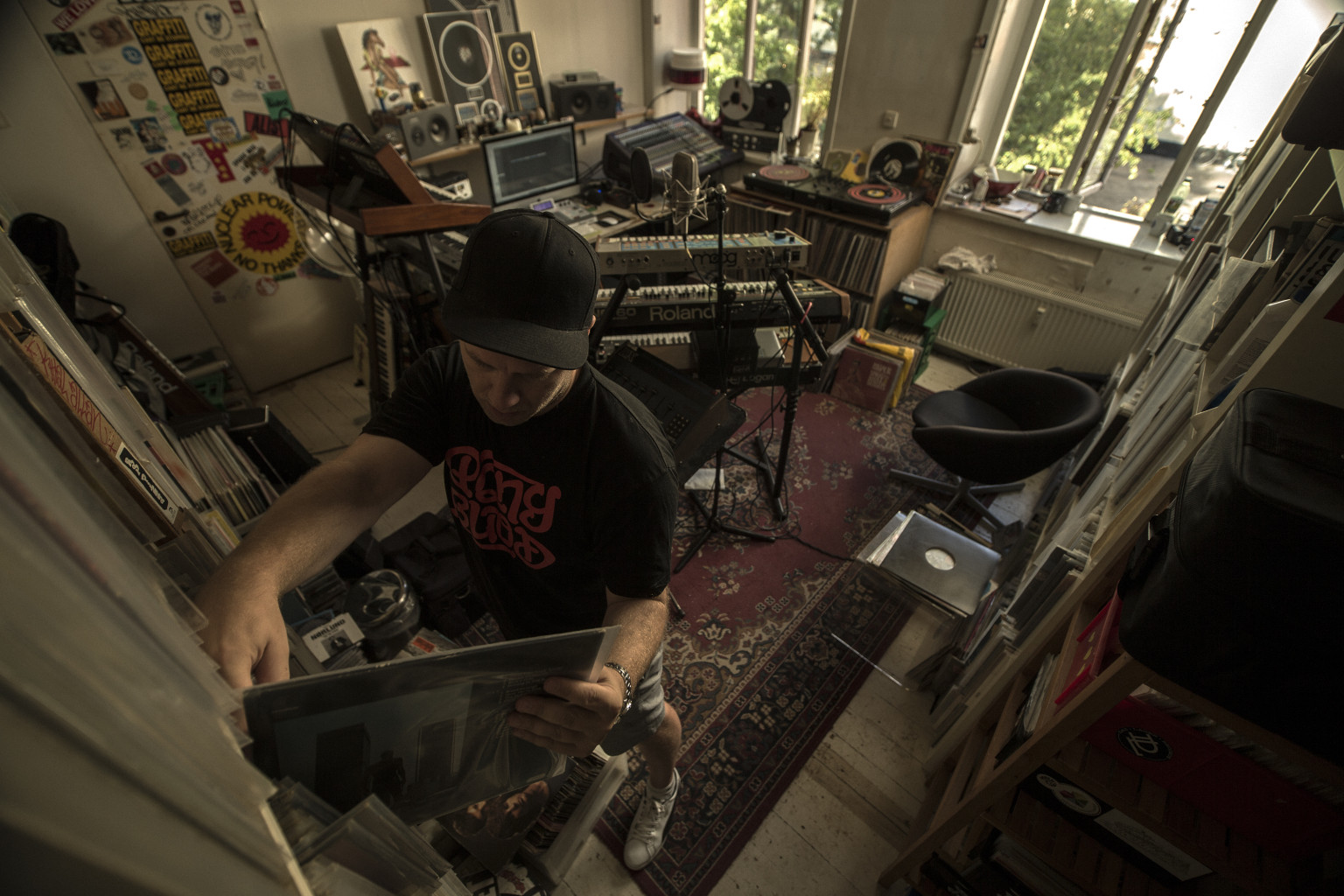
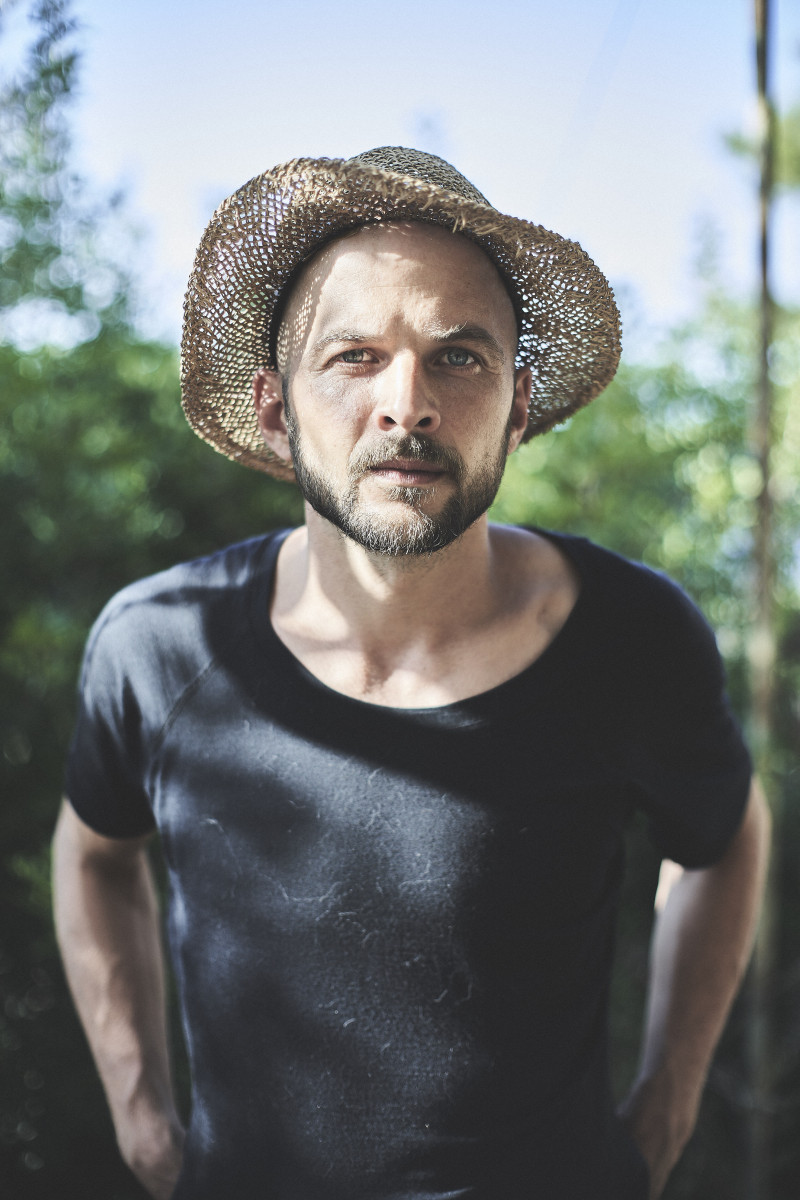
Nils Frahm har mange venner. På dette album alene præsenterer han lytteren for ikke mindre end 23 af dem, gamle og nye, over en spilletid på en time og tyve minutter. Det er en vældig opsamling, faktisk overvældende.
Frahm er efter sigende lidt af en lydnørd, og det høres. Næsten alle numre består af impressionistiske soloklaverstykker iblandet reallyde. Man kan høre gulvet under instrumentet knirke, når pianisten bevæger sig i sædet, eller regnen, der i tilfældet »Rain Take« trommer mod taget. Det er intimt, og det fremhæver de små ting, der så ofte er dem, der virkelig gør en forskel, når det kommer til denne slags musik, som for eksempel de flade anslag i »Weddinger Walzer«.
Desværre skorter det på sådanne øjeblikke. Næsten hvert eneste nummer på denne opsamling kunne fungere yderst effektivt som lydsporet til den introspektive sekvens i en blockbusterfilm. Men netop denne effektivitet er det, der nager mig. For i lighed med disse filmsekvenser, så kommer det hurtigt til at føles kalkuleret. Lidt for mange velkendte tricks til at fremkalde en specifik emotionel respons.
Jeg er stor fortaler for musik, der måske ikke umiddelbart gør megen væsen af sig. Men de bedste eksempler på den slags musik er dem, hvor der trods alt ydes en vis modstand, hvor det forventes, at man også selv skal gøre lidt af arbejdet. Her har Frahm ikke overladt meget til fantasien.
Cortini – the Electronic John Williams
Alessandro Cortini is best known as a member of Nine Inch Nails, and as I discreetly listened in on conversations before the concert, it was clear that several people had shown up because of the connection to the famous band and its noisy, confrontational music – music that is worlds apart from the feather-light ambient universe that characterises most of Cortini’s solo work.
At ALICE, however, we were presented with a very different side of Cortini: Cortini the film composer. The artist was positioned far out at the edge of the stage, where he could tinker with his synthesizers in peace without stealing attention from the film projected onto the back wall of the stage. Contrasting, tactile images slowly sliding into and out of one another. Abstract, amorphous shapes that at times resembled misty memories from the real world: raindrops on a car window, a city seen from above, stars in the night sky; tar, metal shavings, crushed crystal.
Cortini reminded me of a kind of electronic John Williams, enveloping the images in an unusually grand, almost symphonic universe that elevated the black-and-white light forms into hieroglyphs of infinite wisdom. The atmosphere was so sacral and gripping that, with closed eyes, one could easily forget that Cortini was not singing Michelangelo’s paintings from behind the organ in the Sistine Chapel, but instead setting analogue synth tones to what looked like an image of a granite block. Some of the Nine Inch Nails fans, I could hear, were slightly confused by the emotionally charged, almost romantic aesthetic, but I myself truly admired Cortini for his uncompromising maximalism. There was no affected distance or feigned coolness – only pure, unadulterated musical beauty.
Shouldn’t Selvhenter be playing the Orange Stage next year?”
It is not the first time Selvhenter have shown Roskilde how a saxophone can scream. Even the most avant-garde-ready listeners were left gasping for air. It was hard not to let your own lungs empathise with the long passages and unruly energy that the experimental Copenhagen quartet excelled in, wielding an instrumentarium consisting of two drum kits, synth, trombone, saxophone and assorted extras.
And the more the band – positioned in the centre of the Avalon tent, surrounded by the audience – wove their collective patchwork carpet, the more the individual character of the instruments was erased. Selvhenter could just as well have been playing entirely different instruments. You could see Sonja LaBianca standing there, forcing tones out of a wind instrument, yet it sounded more like a harp from outer space. It was astonishing how her saxophone fanfares resembled distress signals beamed into the cosmos. Meanwhile, the drums drove very grounded rhythms: Steve Reich-like pulses colliding with freer passages.
Selvhenter inflated the tent with full-fat punked and jazzy noise. Without pauses (not even when a snare drum went dead and had to be replaced mid-set) and without water for the crowd. Being so close to the musicians was a plus; on their small central stage they looked like giants in a battle arena. This was new music that was deeply physical. For about an hour we breathed together (and perhaps even sweated?) in sync. And it is profoundly good to do something together at a festival.
Selvhenter on the Orange Stage next year. Come on!
It is difficult to keep pace with Masami Akita. The 69-year-old Japanese noise artist, who since 1979 under the name Merzbow has helped shape the genre, released no fewer than a dozen albums in 2025 alone. On a rare mini-tour with stops in Helsinki, Stockholm and Aarhus, he showed that his energy remains intact. At Radar he gathered an audience that had travelled far to experience the godfather of noise – an artist who has consistently insisted on noise as a physical, almost tactile experience. Wearing a bucket hat, Akita constructed his trajectories with clear architectural precision. Layer upon layer of distortion and feedback took shape and struck like a brush of metal: hard, cutting, physical – uncompromising, yet at the same time remarkably nuanced.
Akita worked not only with electronics, but also with homemade metal instruments – first a banjo-shaped device, then a square musical saw – lending the sound a raw, tangible materiality. Everywhere, microscopic shifts in texture emerged, small fissures of tone within the massive pressure.
The opening set by frã (Francisco Moura) began the evening with a more fragile, yet persistent electronic texture, a precise counterpoint to Merzbow’s compact blocks of sound. Some might have wished for a gentler entry into the musical year 2026, but the concert underscored the ambitions Radar is currently pursuing.
English translation: Andreo Michaelo Mielczarek
When the Trumpet Says Farewell – Mikkelborg’s Most Beautiful Moment
It is difficult not to read a great deal into trumpeter, composer and all-round musical visionary Palle Mikkelborg’s new solo album Light. He has long since passed retirement age, withdrew from touring in 2024, and with this release has presented something that very much feels like a kind of farewell.
The opening track, Per Nørgård’s »At tænde lys« (»To Light a Candle«), is pure Mikkelborg: his lyrical, elevated and elegiac solo trumpet, in both form and expression, speaks directly to the listener’s heart. Elsewhere, he draws on old soundscape recordings, combining them with piano and trumpet. The interplay between the old and the new creates a compelling mystique and casts a subtle, unsettling shadow over the music.
»Capricorn« perhaps stands out most strongly: a tender and romantic reimagining for solo piano of one of his own pieces, like a loving glance back at bygone times and former triumphs. And then, of course, the closing track, Thomas Laub’s »Stille, hjerte, sol går ned« (»Be Still, Heart, the Sun is Setting«), where Mikkelborg’s melancholic trumpet is joined by Jakob Bro’s guitar, Helen Davies’ harp and Thomas Lis’s choral soundscape. Together they create a piece of music that truly feels like a farewell, marked by both uncertainty and sorrow, but also acceptance and gratitude.
All in all, Light is the perfect distillation of Mikkelborg’s musical life – a cavalcade of the qualities that have always defined him as a musician: light, colour, life, mysticism, love. Whether this will be the final release from Mikkelborg’s hand, I do not know, but if it should prove to be the case, few swan songs have ever sounded so beautiful.
The Excess of Attention
A steady stream of musicians enters the Xenon stage on Wednesday night at Vinterjazz. No fewer than 33 musicians take part in the mosaic of instruments assembled by the label Aar & Dag to celebrate the release of their cassette A MAJOR CELEBRATION. A release consisting of no less than three concerts, performed according to special composition cards, then mixed on top of one another and now issued on cassette. A major release calls for a major celebration, and rarely have I seen a more ambitious and idiosyncratic release concert.
The concert unfolded at a calm, unhurried pace – patient and attentive, the many musicians gave one another space to open up the broad soundscape. Double bass and electric bass, guitars, saxophones, synthesizers, percussion, cassette tapes, piano, and cello are just a selection of the orchestra’s many voices. Like a kaleidoscope, the ensemble shifted again and again, drifting between crooked, meandering passages and bubbling harmonies that only just brushed against a peculiar sense of tempo.
The word »soundscape« truly comes into its own in this context. For much like Hieronymus Bosch’s surreal monumental paintings or Sven Nordqvist’s Pettson and Findus illustrations, the concert – with its many people on stage – was filled with an impressive level of detail and a multitude of small scenes unfolding across one another. Each time my attention settled on a particular point in the music, I missed a new development elsewhere in the orchestra. An excess of attention, and a fine demonstration of a boundary-disrupting musical expression that one can only hope to encounter more of.