in brief
03.01.2022

Orgelhekserier

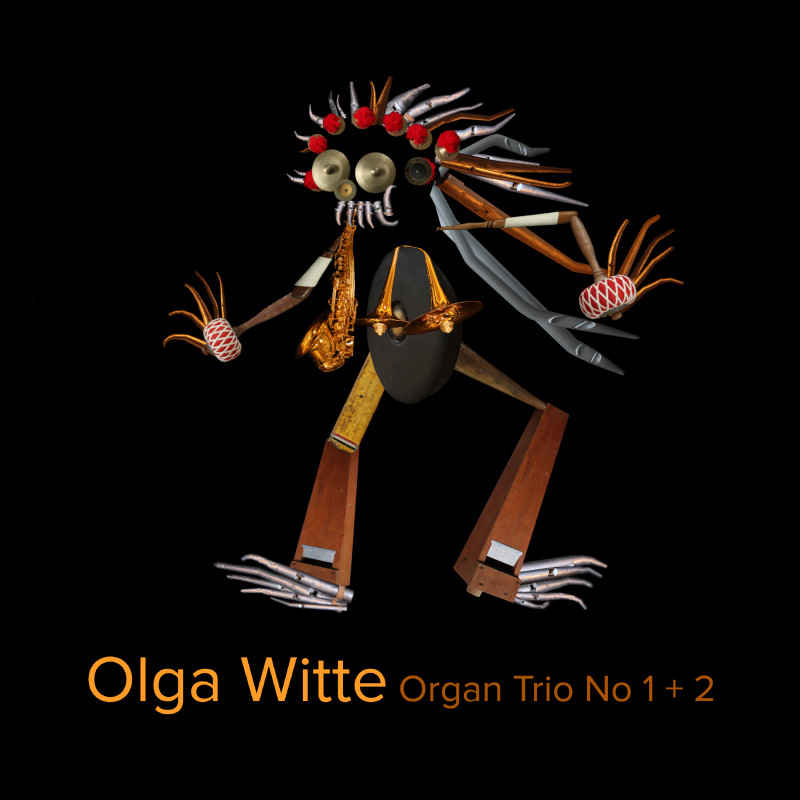
Olga Witte: »Organ Trio No 1 + 2«
© Olga Witte
© Olga Witte

Visionen »at udvide lytterens horisont ved at føre denne ind i en verden, hvor musikken er inspireret af praksisser fra balinesisk gamelan« ligger til grund for komponist, jazzpianist, kirkeorganist og musiketnolog Olga Witte, der bringer alle fire titler i spil på de selvudgivne to værker Organ Trio No 1 + 2. Første er et abstrakt stykke i fire satser for orgel og to basuner og det andet »en musikalsk fortælling om en mægtig østjavanesisk heks Calon Arang« i syv satser for orgel, alt- og tenorsaxofon. 

I Trio 1 varierer musikken fra salig og forsigtig meditation over noir-jazzet improvisation til samtaler mellem jamrende stemmeagtige basuner og støjende passager med fri leg i rigtig freejazz-stil. I Trio 2 er messingblæserne udskiftet med saxofoner, og selvom værkerne ikke konceptuelt er forbundet, er klanguniverset stadigt overvejende improviseret og stort set uændret. 

Når Trio 1 ikke lyder meget anderledes end 2, på trods af at sidste er programmatisk, kommer jeg i tvivl, om man med samme værk kan »udvide lytterens horisont« og fortælle en forståelig historie, eller om det måske er den megen improvisation, der gør historien om Calon Arang uklar og udvisker overgangen mellem de to værker. Noget må skærpes! Men uagtet at fortællingen er utydelig, er teksturerne interessante, og i satser som Trio 2’s »Raja Erlangga« viser Witte, at når hun tager styringen, og musikken bliver mere komponeret end improviseret, kan en besætning af to blæsere og pibeorgel udrette underværker.

© PR
© PR

Danish composer Sofus Forsberg has died at the age of 56. With his distinctive blend of melodic sensibility, electronic processing and rhythmic precision, he created a musical world that moved effortlessly between IDM, pop and the avant-garde.

© Simon Weyhe

»Music for me is my hobby, my job, my outlet, my mood, an endless source of discovering new music and new, old music, some of the best and can be some of the worst. And I love it!« 

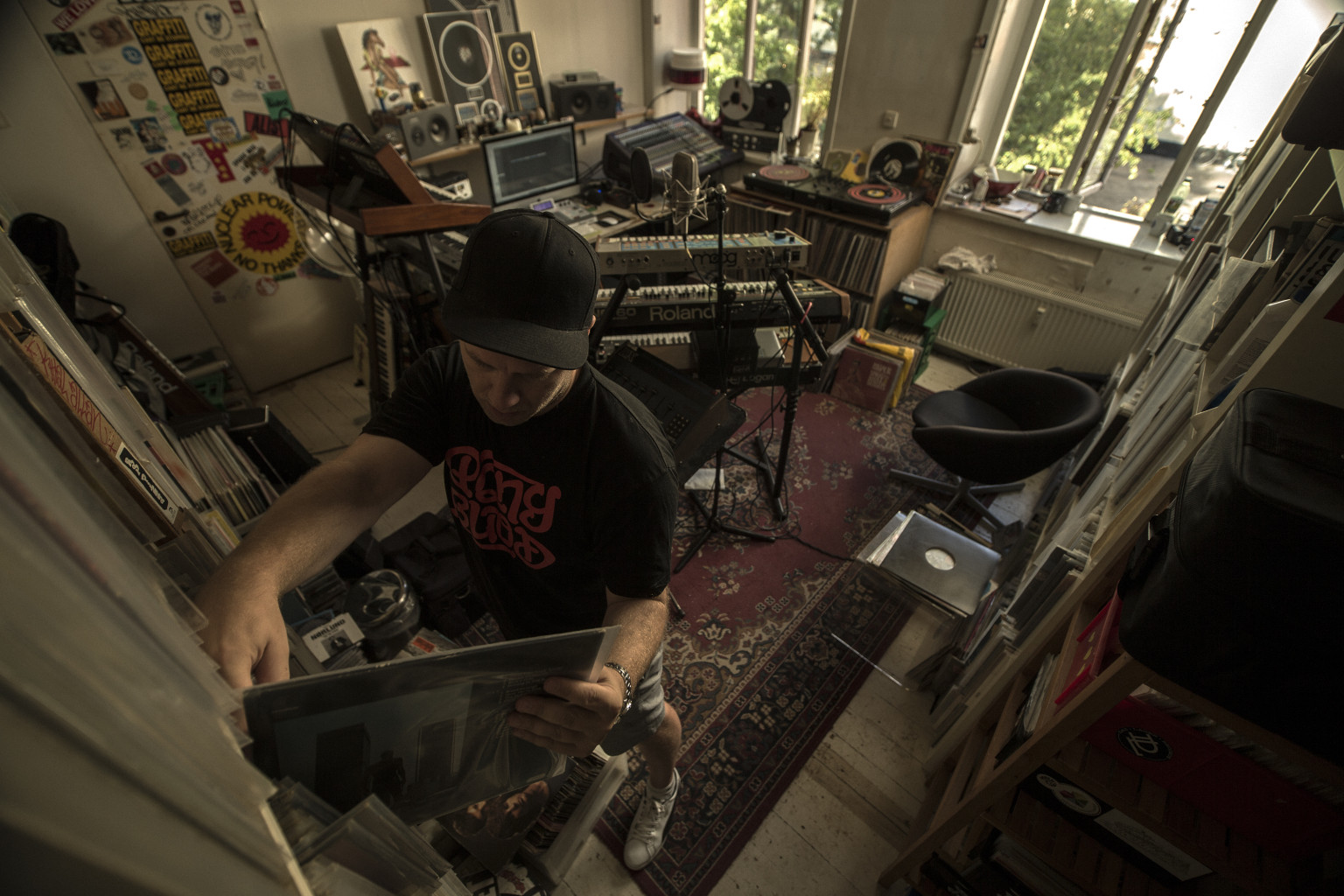
Track72 aka Tue Track aka Anders Lundby Brixen. Producer, DJ, rapper and more. Known for his role in the trio Malk De Koijn, which since the mid-1990s has created a personal universe in Danish hip-hop. Has performed in Ponyblod, Xtra Naan, Track Abdullah Rock, Booty Cologne and others.

© PR
© PR

On Wednesday, 5 August 2026, it happened again: a chord in John Cage’s Organ2/ASLSP (As Slow as Possible) changed after two and a half years. Classic FM reports.

The work was written by the American avant-garde composer John Cage in the mid-1980s. The score consists of eight pages of music, and, as the title suggests, the instruction is to play it »as slow as possible.«

»What music is to me? Where have the great feelings gone?«.

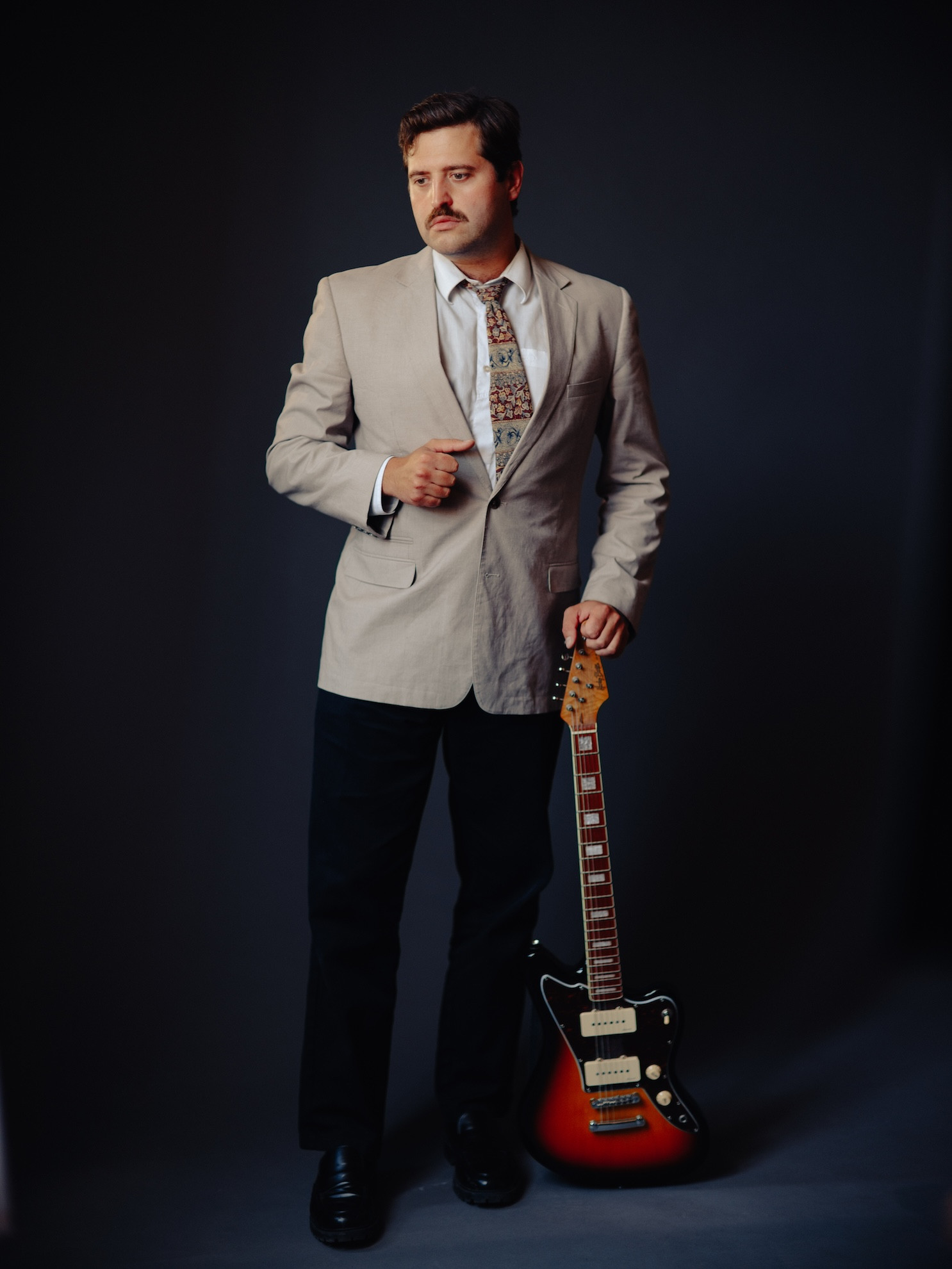
Gellért Szabó is a composer, conductor and performer based in Leipzig, Germany. His work combines contemporary composition with influences from free improvisation, noise and the expressive richness of the late nineteenth century. He is the founder and artistic director of the 23-piece Ideal Orchestra, an ensemble dedicated to large-scale experimental music of sweeping emotional intensity. Alongside this work, Szabó performs internationally with his solo project Radical Radio Show, exploring symphonic textures and immersive sound worlds through a single electric guitar and live electronics. His music is driven by a search for intensity, vulnerability and uncompromising emotional expression.

© Christoffer Askman

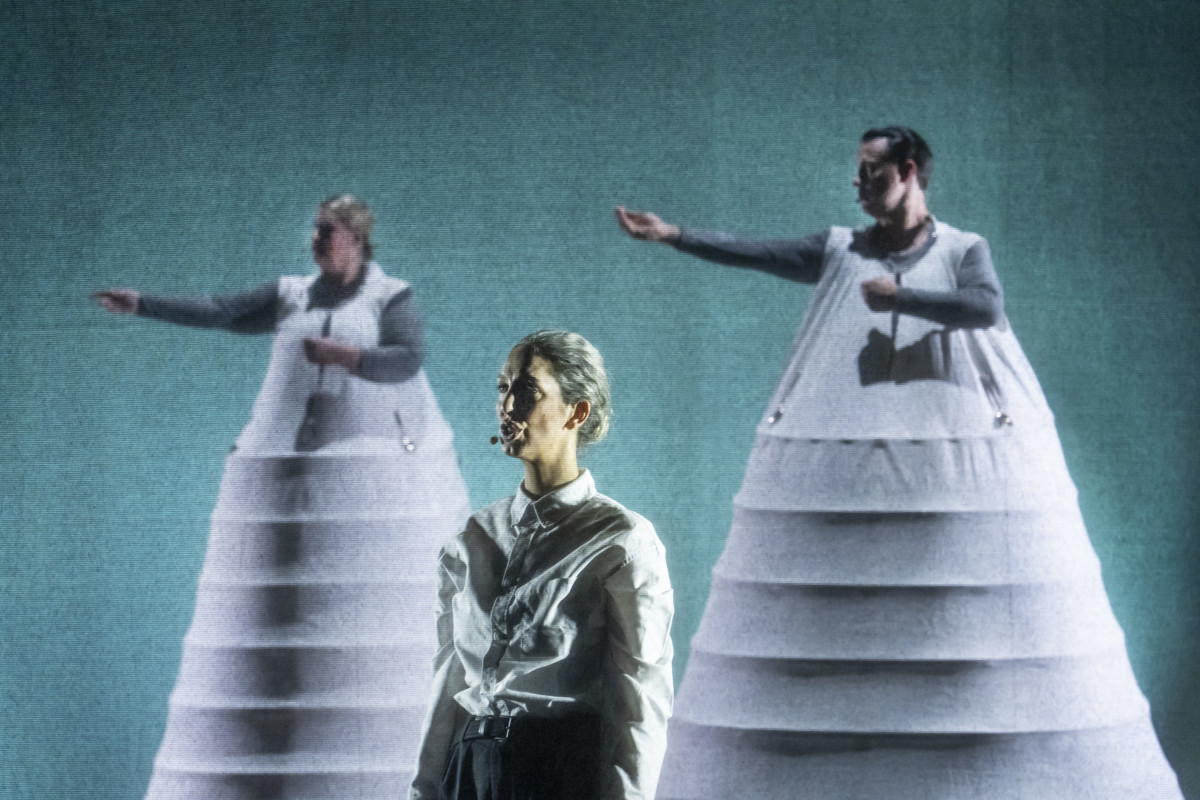
From the Culture Yard in Helsingør, ships glide past Kronborg Castle through the narrow waters of the Øresund – a reminder of the trade routes that, for centuries, have carried goods, people and power between the Nordic region and the wider world. It is an apt point of departure for the Passage Festival, and for Marie Dahl's vocal work Silk. Sugar. Sand, which explores the intertwined histories of three materials.

Silk. Sugar. Sand is a vocal performance in three acts tracing the historical journeys of these materials through colonialism, the global economy and geopolitics. Five singers from Ars Nova Copenhagen perform within a minimalist scenography consisting almost entirely of coloured light and three sets of costumes that transform throughout the performance: first silk dresses, then crinoline-like structures evoking sugar loaves, and finally grey stone-like forms suggesting accumulations of sand.

The work's central device is to translate the physical properties of these materials into vocal expression. At one moment, the elasticity of silk becomes soft, flowing polyphony; at the next, a cocoon-like electronic crackle. Sugar's crystalline structure is rendered as sharp vocal attacks – brief, whip-like cracks – as well as sweet, intimate whispers, while sand creaks and rustles, resonating with a libretto about economy and domination, violence and desire.

The performance has no conventional narrative, and the five singers portray no distinct characters, moving somewhat stiffly across the stage, as performers often do when their primary focus is on the voice. Comparisons with Hotel Pro Forma's Flammenwerfer are difficult to avoid. There, the production's rigorous aesthetic was counterbalanced by C.F. Hill's wildly expressive visual universe and Blixa Bargeld's deeply vulnerable stage presence. Those qualities are missing from Marie Dahl's carefully controlled staging, which could have benefited from more of the sensitivity and chaos that also form part of Kirsten Dehlholm's artistic legacy.