in brief
21.02.2022

Med Bamse i »Black Mirror«

Laura Cocks: »field anatomies«
Carrier, 22. feb.
Carrier, 22. feb.

Man skal ikke langt ind i første værk på albummet, David Birds Atolls fra 2013, før fløjten viser sit bredspektrede potentiale som soloinstrument. Det begynder muntert med åndedræt og små stødpust, inden Laura Cocks tvinger værket for piccolofløjte og elektronik ud i en eskalerende fløjtestorm. Vi kommer godt rundt i temperamenterne.

Decideret omskifteligt bliver det med Bethany Younges ufokuserede Oxygen and Reality (2017), der zapper rundt mellem støj, nynnen, insektliv, ubåde og noget, der brænder. Og omvendt ensporet med Jessie Cox’ Spiritus (2018), der med lange, selvhøjtidelige halvgennemblæsninger saboterer sig selv for at understrege en programmatisk reference til »I Can’t Breathe«-bevægelsen.

Mest helstøbt fremstår DM R’s You’ll see me return to the city of fury (2017). I forgrunden folder Cocks sig ud med ekspressiv tværfløjte, mens baggrunden bygger et drama op af langsomt indtonende sampling, digitale overtoner og roterende støj. Ildevarslende!

Dristigst er dog Joan Arnau Pàmies’ teatralske stresstest Produktionsmittel I (2014). Her kæmpes virkelig, både for at frembringe lyd og med at overskue forløbet; solisten er fanget i et (kapitalistisk) system og må bryde ud. Forestil dig Bamse i et afsnit af Black Mirror. Fløjten har alle dage været et af de mest yndede instrumenter til at skrive mennesket ind i musikken, og Laura Cocks’ veludførte soloalbum viser, hvor meget drama de bøjede toner og aggressive pust kan sætte i gang.

© Meseguer

»To us, music is the definitive companion. As listeners, it fosters a sense of communion, bridging the gap between souls through the shared experience of sound. As creators, however, music confronts us with our own inner void, that profound solitude that nourishes the creative spirit. At the same time, it dares us to leap into the unknown to decipher the ineffable. Music anchors us to the present moment, to the 'now' shared with a live audience; yet, it also touches the eternal.«

L'arannà is an electronic folk duo. With their last project, Turmarí, the duo dives deep into the folk music traditions of the Pityusic Islands, offering – through their blend of sound exploration– a perspective on Ibiza and Formentera. Synthesizers and keyboards share the stage with traditional instruments and aesthetics inspired by the ancestral ball pagès dance. Reviving cant redoblat (a unique form of singing from these islands preserved by fewer than twenty people) the group weaves a narrative that traces the roots and lived reality of two islands that are far more than just a dreamt-of paradise. The band will be touring around Denmark and Sweden, from 27th to 31th of May, playing at venues like Turkis, Dexter, Inkonst or ALICE.

© Ana Alexandrino

»Music to me is movement, trance, transformation. The rest I won't tell you.«

Marcela Lucatelli is a vocalist and composer. Born in Brazil and based in Denmark, she has gained international recognition for her boundary-pushing performances — sensuous, politically charged, and uncompromisingly original. Described by The Wire as a composer of »scores for the limits of bodies and voice,« Lucatelli challenges conventions with her fearless vocal experimentation and bold compositions. Her works have been performed by Danish National Symphony Orchestra, Danish National Vocal Ensemble, and Neue Vocalsolisten Stuttgart. She has appeared at major festivals and venues, including Theatro Municipal de São Paulo, DR Koncerthuset, Donaueschinger Musiktage, Darmstadt Ferienkurse, IRCAM, Copenhagen Opera Festival, Ultima Festival, Borealis Festival, Copenhagen Jazz Festival, Jazzfestival Saalfelden, Cafe Oto, A L’ARME!, DMA Jazz – Danish Music Awards, WOMEX, and many more. Lucatelli's work has earned her several prestigious awards, including the Carl Nielsen and Anne Marie Carl-Nielsen Talent Prize (2019), Pelle Prize (2021), and the Danish Music Awards' 2023 Vocal Jazz Release of the Year, which shows that vocal jazz has many faces – and does not necessarily belong only to the soft end of the spectrum.

© PR

»What is music to me? Here’s a quote from Nietzsche: ‘The people dancing all seemed crazy to the people who couldn’t hear the music.’«

Salim Washington is a saxophonist, multi-instrumentalist, composer, academic, and activist from Detroit who has been highly active on the American jazz scene since the 1970s, and also in South Africa, where he became a central figure. The spirit of John Coltrane hovers over his music, which carries both spiritual and social dimensions.

© Aske Jørgensen

»Music for us is the perfect language that we love to speak. A language where it is the individual's feelings and imagination that determine what is right and wrong. Everyone can speak the language. You don't have to be able to write or understand, but just listen. Some music requires that you listen carefully and maybe hear it several times. A bit like when you talk to someone from Norway or Sweden, you also have to listen a little extra.«

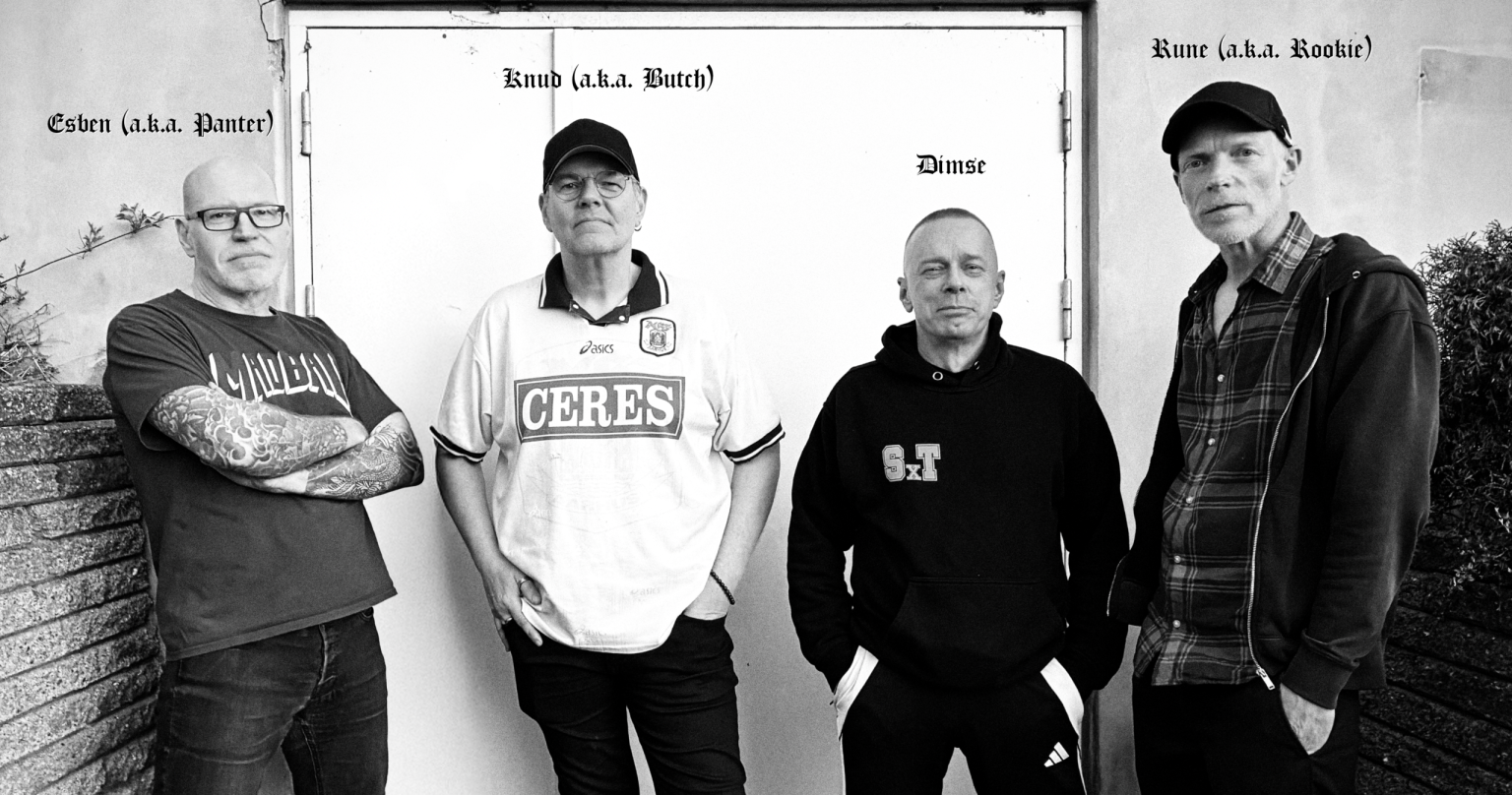
DØGNKIOSK is a Danish punk rock band with roots in Silkeborg. The band consists of bassist and singer Anders Ejner, who has been active on the Danish underground scene for several decades. Musically, DØGNKIOSK moves in a field between classic Danish punk and alternative rock. In the spring of 2026, the band will release their second album, Tæt på kanten.

© Bastian Zimmermann

It is difficult to comprehend that Andreas Engström is no longer with us. Just a couple of months ago, he wrote – as he had done so many times before – with an ambitious proposal: he wanted to review a box set of twenty releases by Dror Feiler. In the same message, he mentioned plans to come to Aarhus for the recently concluded Spor Festival.