in brief
18.04.2022

Fuldendt fortabelse

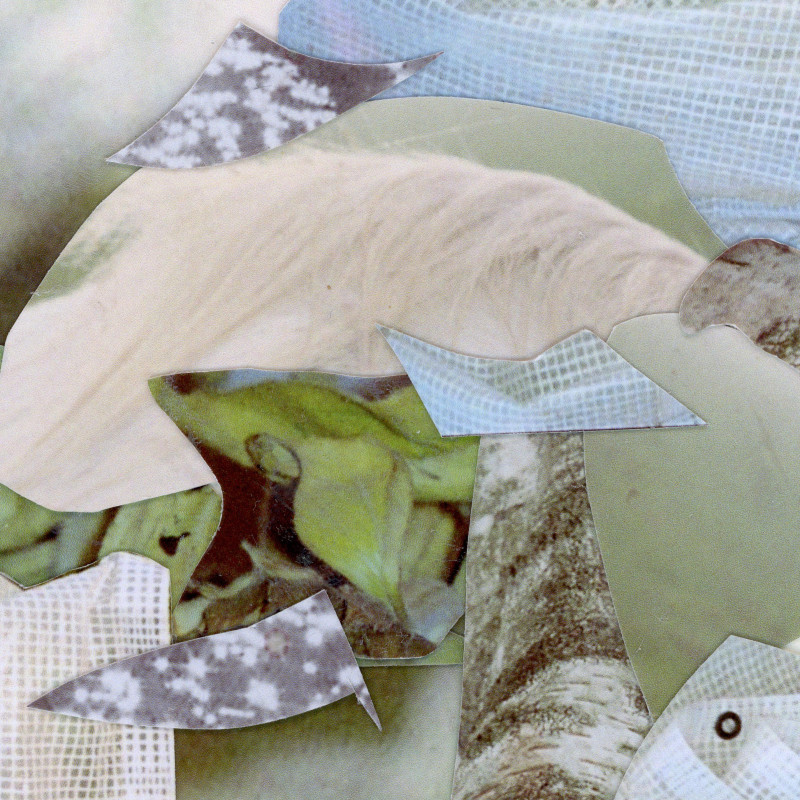
Quiver: »Artificial Tranquility«
© Quiver: »Artificial Tranquility«

Quivers debut-EP, Artificial Tranquility, spilder ikke min tid. Få sekunder efter at jeg har trykket play, gennemdolkes trommehinderne af staccato elektroniske issyle. Næsten lige så hurtigt som denne bratte opvågnen, falder der et orgel ind bag støjen og ændrer oplevelsen: Et radikalt skift i tempo og humør.

Parringen mellem synths, samples og orgel – et instrument, der med sit dronende aspekt i virkeligheden ikke er så langt fra elektronisk musik, som dets kirkelige associationer ellers kunne implicere – skaber en bred spændvidde, som denne EP i høj grad benytter sig af. Sammensmeltningen af de elektroniske elementers hårde, aggressive hakken med en analog sørgmodig fylde og varme skaber et lydbillede, der kræver min absolutte opmærksomhed. Det lyder ikke bare som en masse synths og samples smidt i en blender, hakket i småstykker, og sammensat på ny – til tider lyder det faktisk som selve blendeprocessen. Kaotisk og destruktivt. Og på andre tidspunkter smukt og sammensat.

Jeg har en svaghed for denne moderne blanding af progressive electronic, samples og analoge instrumenter, og netop derfor præsenterer Quiver mig ikke for noget, jeg ikke har hørt før. Til gengæld formår han på blot omtrent 16 minutter at skabe et fuldendt værk, der både fungerer i sin egen ret og gør mig nysgerrig på, hvor han vil tage sin lyd hen i fremtiden.

© Villads Hoffmann
© Villads Hoffmann

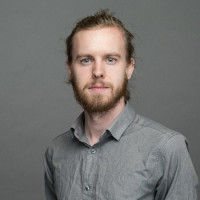
Percussionist and composer David Hildebrandt is honoured for his virtuosic work with new music and his efforts to push the boundaries of what rhythm can be.

David Hildebrandt is among the recipients of this year’s honorary awards from the Wilhelm Hansen Foundation. He receives DKK 200,000 in recognition of his uncompromising work with new music and multi-percussion, as well as his ability to challenge conventional ideas about rhythm.

© Thor Brødreskift
© Thor Brødreskift
The 2026 Nordic Council Music Prize goes to Norwegian composers Kristine Tjøgersen and Benedicte Maurseth for Elja, a suite for the Kronos Quartet and Hardanger fiddle.
 
Rationale
© Alicja Rzepa/Sacrum Profanum
»Music helps me feel, process and regulate my emotions, giving them an outlet when I need release and bringing me calm when I need balance – it’s sort of my outsourced nervous system.«
 
Krzysztof Pietraszewski is a music journalist, editor and curator based in Kraków, Poland. Since 2016, he has served as artistic director of Sacrum Profanum, a festival dedicated to new and experimental music. He hosts Muzykoteka and the RKK Live concert rebroadcast series on Radio Kraków Kultura. He also develops listening sessions with discussions, inviting audiences to discover unfamiliar music, exchange impressions and experience listening as a shared activity. His work includes executive-producing recordings for the Sacrum Profanum Archives series. Originally from Silesia, he has made Kraków his home, sharing music through concerts, radio broadcasts, writing and, more recently, experimental DJ sets.


© PR

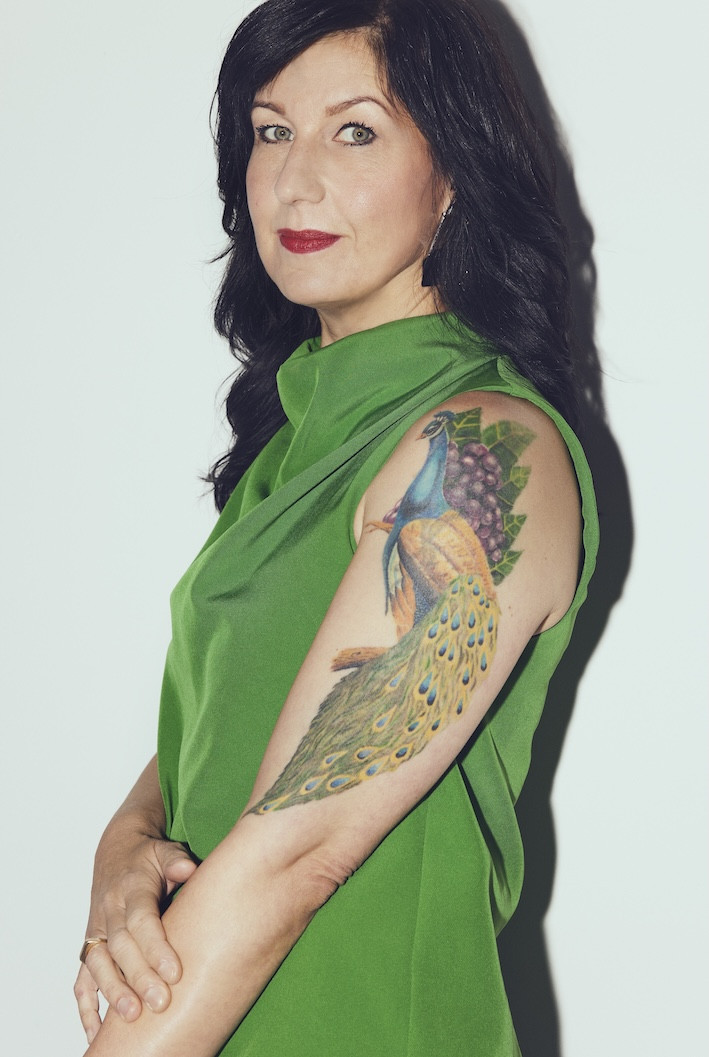
»For me, music is at its best when it appeals to both the head and the heart. I love music that plays with language and understands how words create images, while also possessing its own unique sonic quality and mood. It’s an added bonus if the music energizes me during a run, makes me dance in the kitchen, or makes me laugh. Or cry. Music can be like a chocolate-coated marshmallow treat with a surprise inside.« 

Lone Hørslev is an author of poetry, novels, and song lyrics, as well as the TV series Den gode stemning. Together with Mads Mouritz, she forms one half of the Mouritz/Hørslev Project, and she recently wrote lyrics for the musical theatre production STOLT in collaboration with Katrine Muff. The songs can be found on the album Jeg ønsker mig.

© Sam Aebi
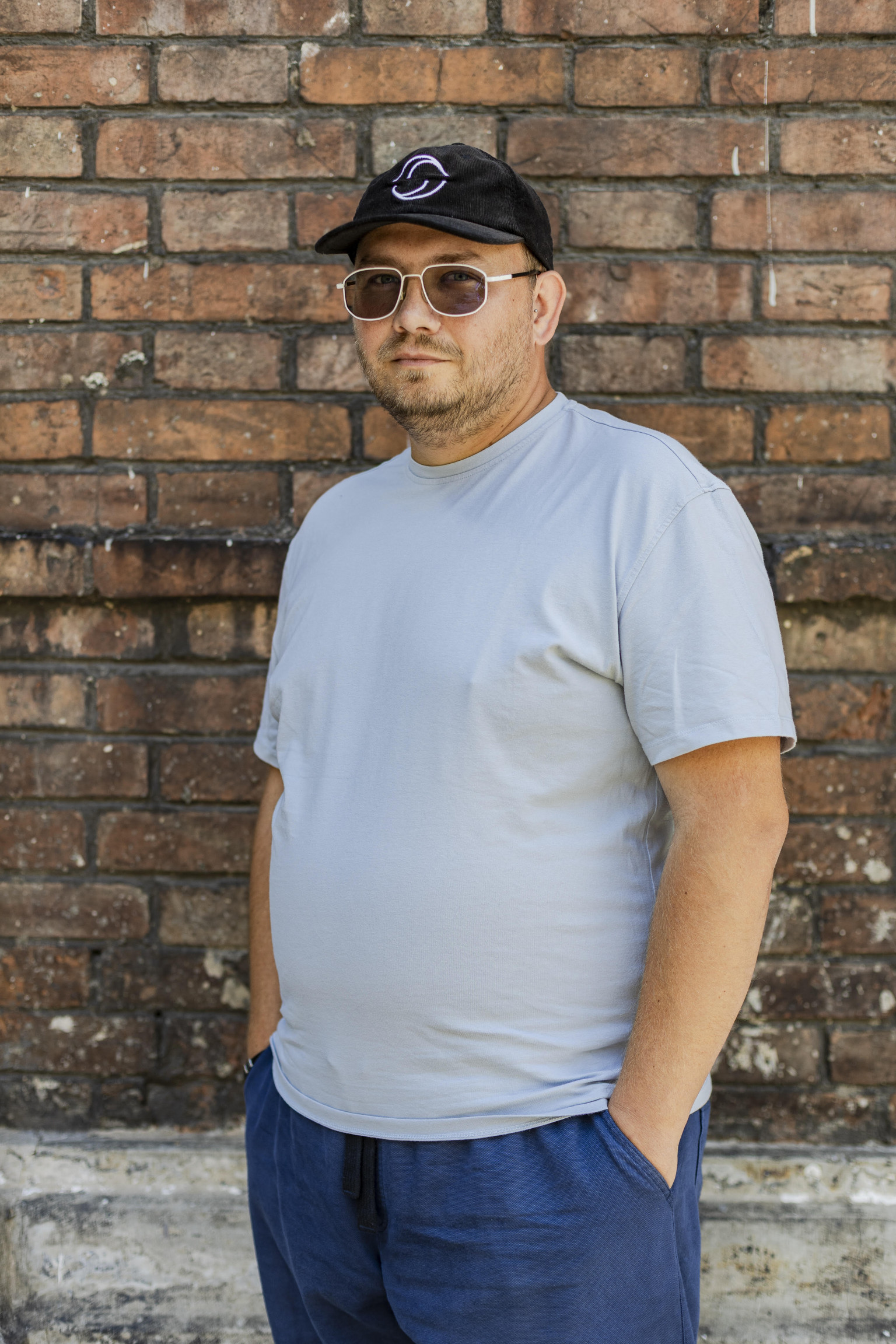
»I think music is just the way I perceive and process the world.«
 
Raphael Loher is a pianist and composer based in Lucerne, Switzerland who combines elements of experimental electronic music, ambient, and minimalist composition. His distinct, crystalline work explores playful reduction and rhythmic abstraction, aiming to create singular resonances and aesthetic connections. His meditative style of piano playing allows shimmering rhizomatic structures to emerge, giving rise to tense narrative arcs. Loher expands his sound spectrum by preparing the piano, using effect pedals, and working with a tape recorder.
 
Loher’s new album Figuren (Präsens Editionen) is an album shaped by intuition, experimentation, and a deliberate distance from his primary instrument — the piano. Reworking intimate concert recordings made during a residency, Loher deconstructed selected melodies, tones, and resonances into new forms, transforming them further through tape manipulation.