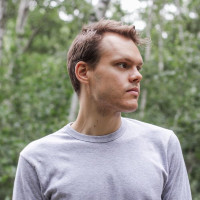
Simon Steen-Andersen
65






Det er et ydmygt emne, Simon Steen-Andersen har valgt til sin performance Walk the Walk: emnet er at gå. Følgerigtigt går de fire performere fra schweiziske Ensemble This Ensemble That rundt på scenen både i almindelige og lysende sko, på stedet, på løbebånd, og bare helt normalt. Walk the Walk er en tour de force gennem forskellige vinkler på emnet, og forskellige vinkler at lave teater på. Performerne er del af en nøje timet score, hvor hvert et skridt og til tider enhver stavelse skal leveres pointeret for at gå op i en højere enhed med scenografi, lydplayback og de øvrige medspillere. Instrumenter spiller de ikke på, de spiller på og med rekvisitterne; sko eller mikrofoner for eksempel. Kun helt til sidst får perkussionist Brian Archinal lov til at røre drumsettet, indtil også det bliver taget fra ham når det bliver hevet op i luften. Trommerne spiller videre, dog, ved hjælp af en slags trommeslagsmaskine. Scenografien tager over.
Tysk teater ser ud til at have inspireret komponisten, der arbejder med kneb som meta-samtaler om værket i værket (som den tyske instruktør René Pollesch), musikalsk nonsense (i stil med noget Christoph Marthaler kunne have fundet på), eller en scenografi der bliver til et selvspillende instrument (som Heiner Goebbels tidligere har gjort). Bedst fungerer værket, når sammenhængen mellem emnet og det sceniske og musikalske bliver tydligt, som når performerne går i takt med et lydsample, der bliver kortere og kortere, og det udsnit af scenen, vi som publikum ser, bliver mindre og mindre. Mindre godt fungerer det, hvor musikerne agerer som skuespillere, eller skal lipsynche til lydklip, hvilket de desværre gør rigtig meget.
Walk the Walk er en multimediel undersøgelse af et tilsyneladende banalt tema. Men præcis hvorfor vi skal se et stykke om at gå bliver ikke helt klart. Snarere virker emnet som en undskyldning for de forskellige permuteringer af mediale konstellationer, komponisten vil lege med. Live-tale, optaget tale, samples, scenografi, rekvisitter, lys – alt dette er instrumenterne, Steen-Andersen bygger sin komposition af. Imponerende er det, og han finder på originale kombinationer. Æstetisk efterlader det et blandet indtryk. Et eller andet sted mellem sofistikeret koncept, en hjemmelavet virkende scenografi, drenget humor og lecture performance. Steen-Andersen spiller højt risiko når han vælger selv at stå for alt fra musik til scenografi, lys og instruktion. I nogle få øjeblikke bliver publikum belønnet med noget enestående. Men hvorfor ikke have tillid til et dygtigt hold skuespillere, en scenograf, lysdesigner, dramaturg eller en instruktør? Den præcision, værket forlanger, bliver ikke helt forløst.
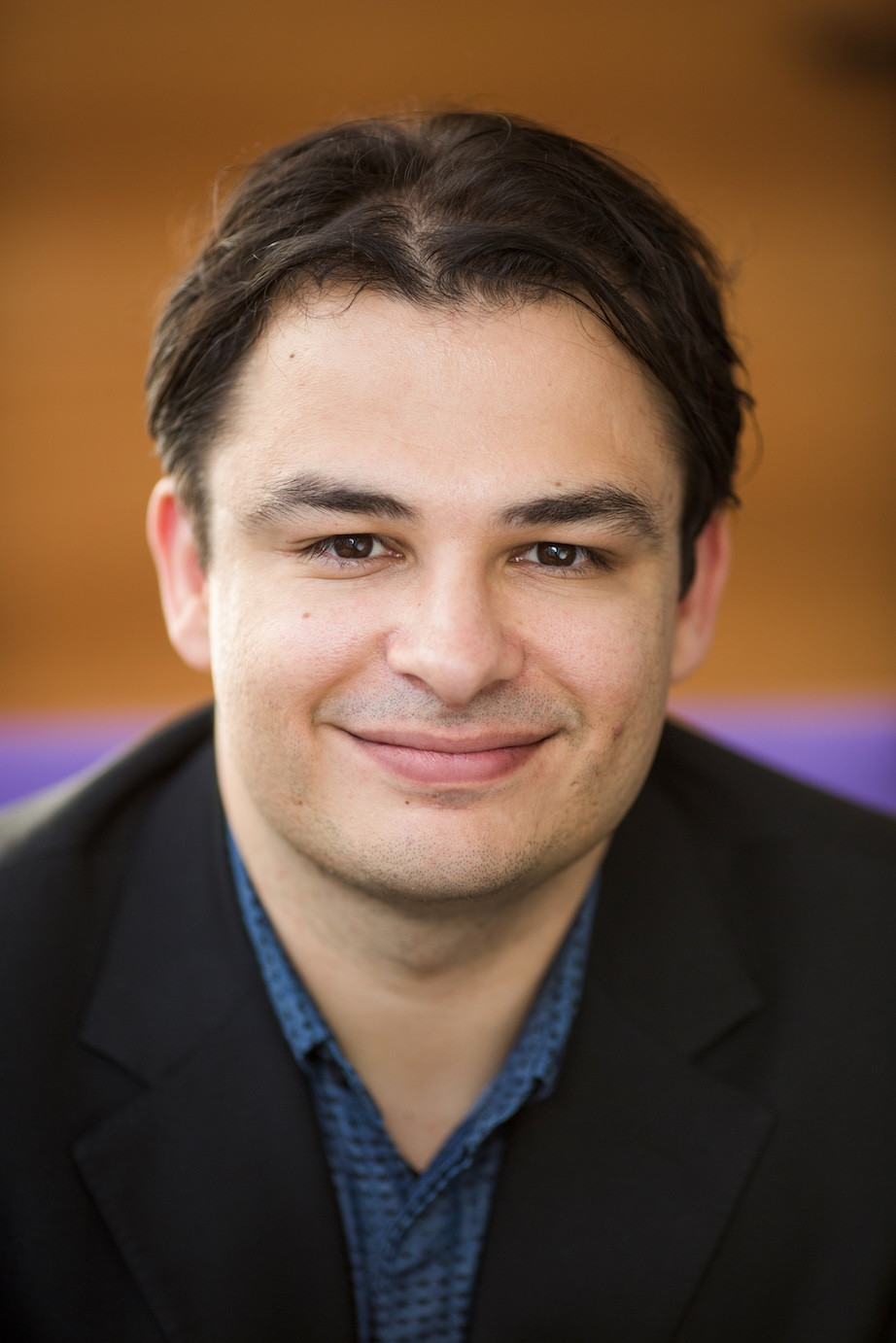
»Music is the best way to discover myself and understand the world around me.«
Luca Quintavalle is a harpsichordist, fortepianist and conductor. He has performed with ensembles including Concerto Köln, Harmonie Universelle, the Mozarteum Orchestra Salzburg and the Kölner Kammerorchester at venues and festivals such as the Kölner Philharmonie, Salzburg Festival and Enescu Festival. He was harpsichordist of Les Musiciens du Prince, led by Cecilia Bartoli, for over five years, and has conducted ensembles including the Orchestra and Chorus of Teatro dell’Opera di Roma, Concerto Köln and Deutsche Kammerakademie Neuss. His recordings include Mirrors, released by Berlin Classics and awarded an OPUS KLASSIK.
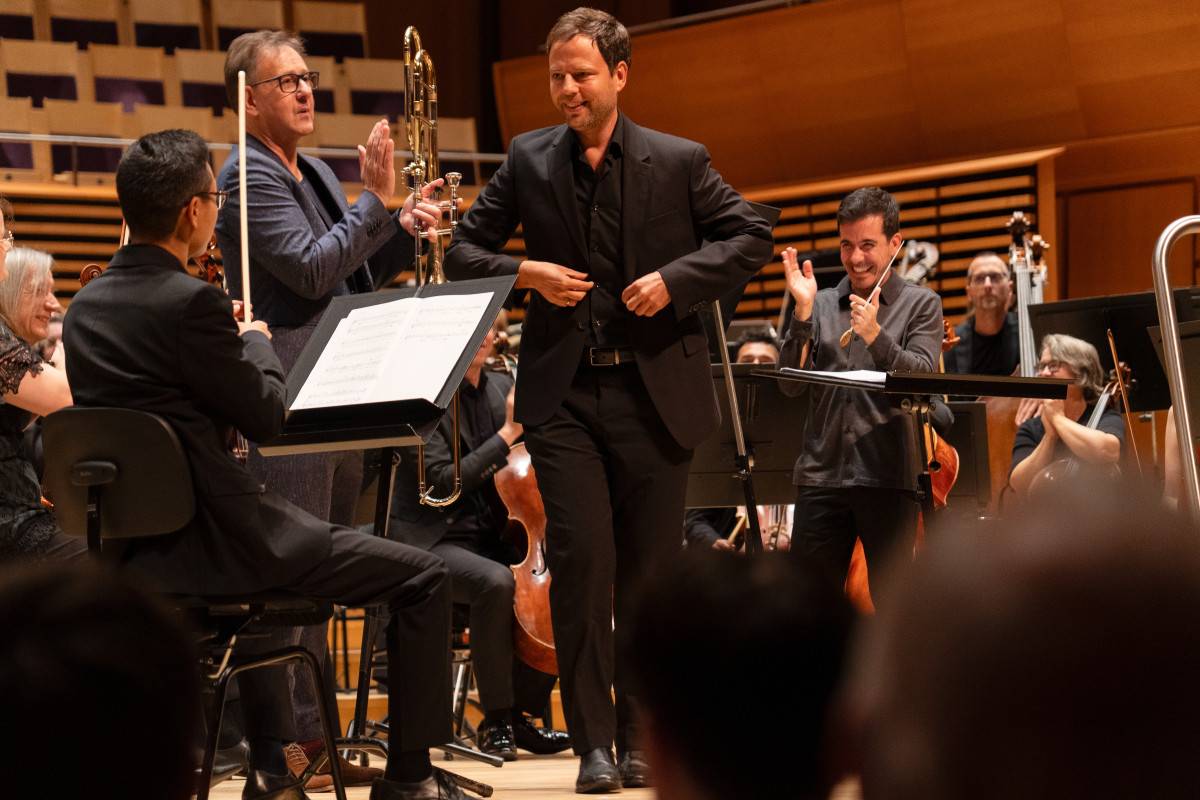
At 19, the Spanish composer (and trombonist) Francisco Coll wrote a wild-child of a trombone concerto that pushed the instrument out of its comfort zone. 22 years later he has created a new piece from some of that material. Its priorities are the opposite.
Tapias embraces the lyrical, ethereal qualities of the trombone. It is not a concerto, insists Coll. Perhaps it could be described as a set of frescoes for trombone and orchestra. Whatever the category, it’s a beguiling piece that was gorgeously birthed on Thursday by Ian Bousfield, conductor Nuno Coelho and a sumptuous-sounding Stavanger Symphony Orchestra.
Composers from Sibelius to Turnage have reacted against caricatures of the trombone as brusque and clowning by exploring its dark-hued lyricism. Coll does something more, setting his soloist’s introspective, intervallic melodies in evocative and provocative orchestral contexts. The soloist’s lines can resemble spray-canned tracings on walls already heavy with the patina of history, decoration and graffiti.
Initially the trombone appears to seek repose. The second movement draws it into more agility but the dancing is suppressed: a layered burying of all manner of rhythms from flamenco to Hiphop. Great wodges of rich harmony weigh the boogying down for good.
The trombone does find peace in the final movement – its long, soulful melodies more yielding. But not before Coll has conjured up moments of huge harmonic strain and conscious orchestral magnificence. They sat well next to Coelho’s fierce performance of Shostakovich’s Symphony No 5 after the interval. But Bousfield’s heartfelt journey through Tapias, sounding entirely at one with the orchestra, will linger longest in the mind.
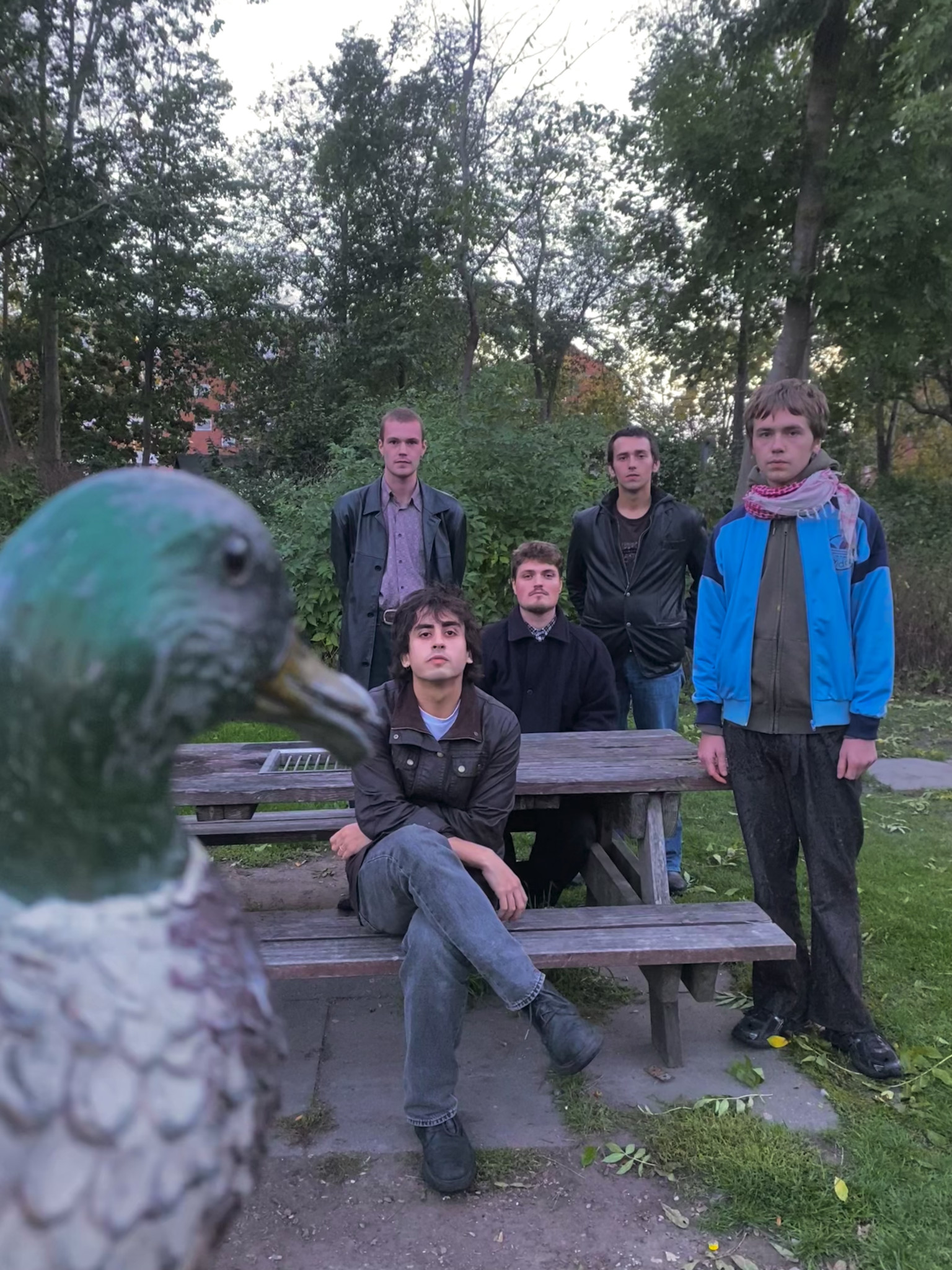
»For us, music is a transcendent force with transformative potential – something we get to experience and shape when we create sound together. It is an opportunity to describe one’s innermost universes without words, and the best way for an introvert to express intense emotions at full volume.«
With roots in Copenhagen’s experimental jazz and punk scene, Echo, Bravo challenges the notion of what a rock band can sound like. The quintet blends post-punk, free punk, and noise rock into a raw and unpredictable soundscape. They describe the music themselves as a kind of »empty-the-fridge soup,« where various leftovers come together. »Best enjoyed as a hot meal in a cold industry.«
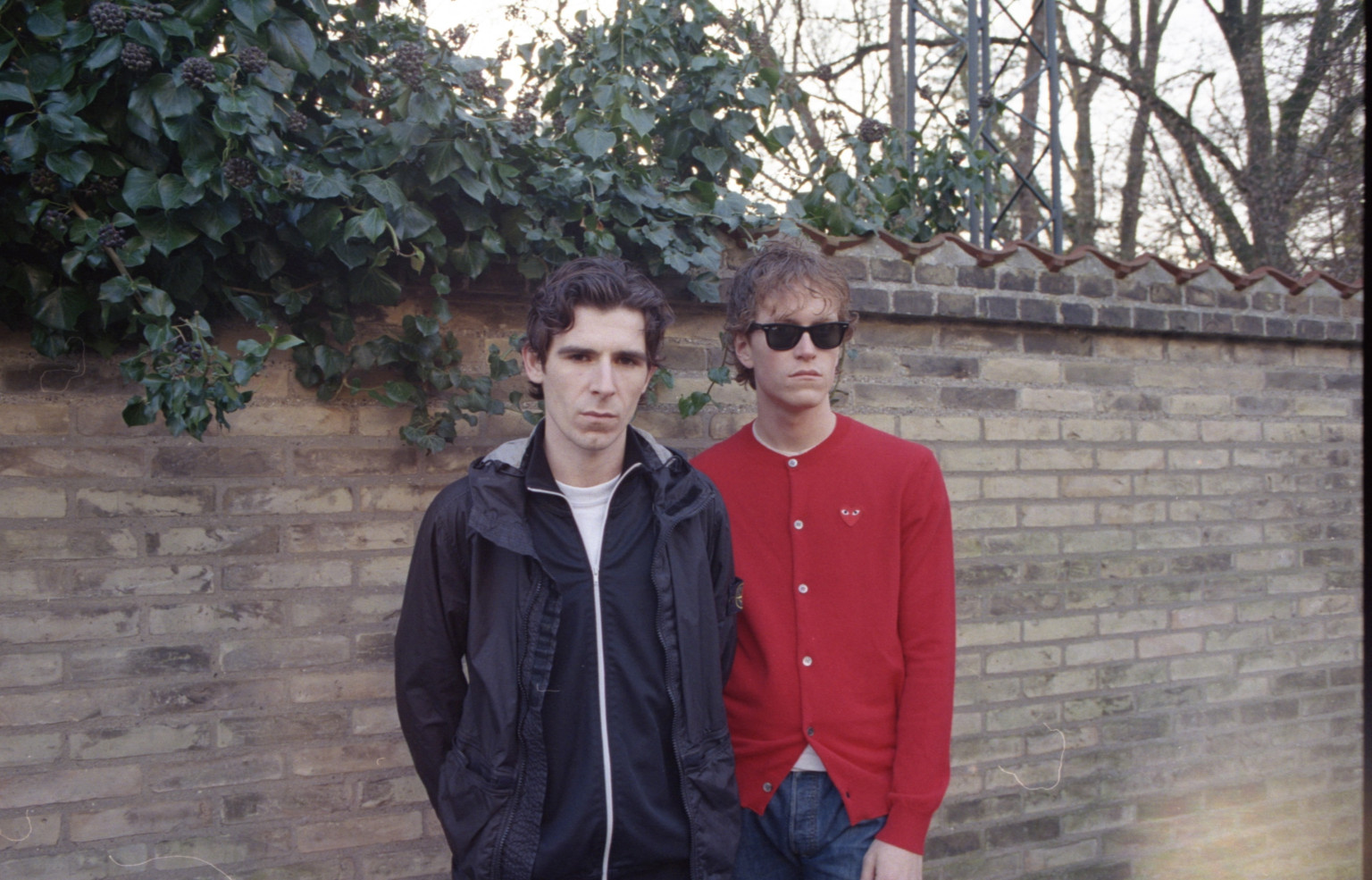
»For us, music is a passion, a livelihood, and a focal point for us and our best friends in the band.«
Barselona consists of Rud Aslak and Rasmus Theodor. The band was formed in 2016 after a year at Ollerup Musikefterskole and has since released five albums and two EPs, most recently the album *Tag Min Hånd, Så Slipper Vi*, which is set for release in September 2026.
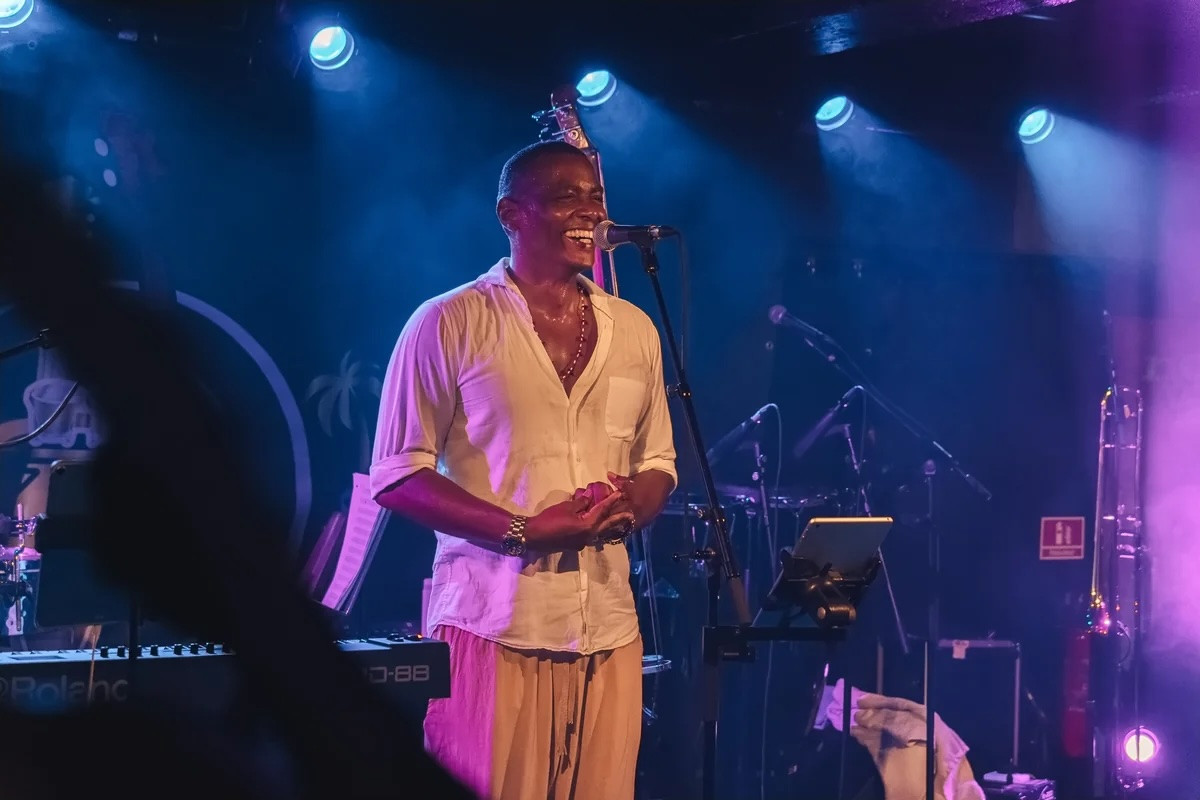
»To me, music is humanity, community, a smile, a conversation, a moment, an eternity«
Abel Alazo Rangel is the founder, curator, and producer of the Nova Concerts Series in Copenhagen. Nova began as a festival in 2003 and was relaunched as a concert series in 2023. Through Nova, he presents musicians and creates musical encounters that bridge the Cuban, Latin American, Danish, and international music scenes.