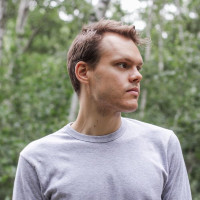
Simon Steen-Andersen
66






Det er et ydmygt emne, Simon Steen-Andersen har valgt til sin performance Walk the Walk: emnet er at gå. Følgerigtigt går de fire performere fra schweiziske Ensemble This Ensemble That rundt på scenen både i almindelige og lysende sko, på stedet, på løbebånd, og bare helt normalt. Walk the Walk er en tour de force gennem forskellige vinkler på emnet, og forskellige vinkler at lave teater på. Performerne er del af en nøje timet score, hvor hvert et skridt og til tider enhver stavelse skal leveres pointeret for at gå op i en højere enhed med scenografi, lydplayback og de øvrige medspillere. Instrumenter spiller de ikke på, de spiller på og med rekvisitterne; sko eller mikrofoner for eksempel. Kun helt til sidst får perkussionist Brian Archinal lov til at røre drumsettet, indtil også det bliver taget fra ham når det bliver hevet op i luften. Trommerne spiller videre, dog, ved hjælp af en slags trommeslagsmaskine. Scenografien tager over.
Tysk teater ser ud til at have inspireret komponisten, der arbejder med kneb som meta-samtaler om værket i værket (som den tyske instruktør René Pollesch), musikalsk nonsense (i stil med noget Christoph Marthaler kunne have fundet på), eller en scenografi der bliver til et selvspillende instrument (som Heiner Goebbels tidligere har gjort). Bedst fungerer værket, når sammenhængen mellem emnet og det sceniske og musikalske bliver tydligt, som når performerne går i takt med et lydsample, der bliver kortere og kortere, og det udsnit af scenen, vi som publikum ser, bliver mindre og mindre. Mindre godt fungerer det, hvor musikerne agerer som skuespillere, eller skal lipsynche til lydklip, hvilket de desværre gør rigtig meget.
Walk the Walk er en multimediel undersøgelse af et tilsyneladende banalt tema. Men præcis hvorfor vi skal se et stykke om at gå bliver ikke helt klart. Snarere virker emnet som en undskyldning for de forskellige permuteringer af mediale konstellationer, komponisten vil lege med. Live-tale, optaget tale, samples, scenografi, rekvisitter, lys – alt dette er instrumenterne, Steen-Andersen bygger sin komposition af. Imponerende er det, og han finder på originale kombinationer. Æstetisk efterlader det et blandet indtryk. Et eller andet sted mellem sofistikeret koncept, en hjemmelavet virkende scenografi, drenget humor og lecture performance. Steen-Andersen spiller højt risiko når han vælger selv at stå for alt fra musik til scenografi, lys og instruktion. I nogle få øjeblikke bliver publikum belønnet med noget enestående. Men hvorfor ikke have tillid til et dygtigt hold skuespillere, en scenograf, lysdesigner, dramaturg eller en instruktør? Den præcision, værket forlanger, bliver ikke helt forløst.

»To me, music is love. I love how music allows you to skip the small talk and connect directly with people’s innermost selves. It is an extraordinary and moving way to meet one another.«
Fenja wrote her first song at the age of twelve – about a polar bear dying due to climate change – and themes of existentialism, nature, and her own sensitive nature came to define the lyrics and sound she has since developed. She released her debut album, Flugtdyr, in 2021, and in February 2026, she released the album Menneskedyr.

Danish composer Sofus Forsberg has died at the age of 56. With his distinctive blend of melodic sensibility, electronic processing and rhythmic precision, he created a musical world that moved effortlessly between IDM, pop and the avant-garde.
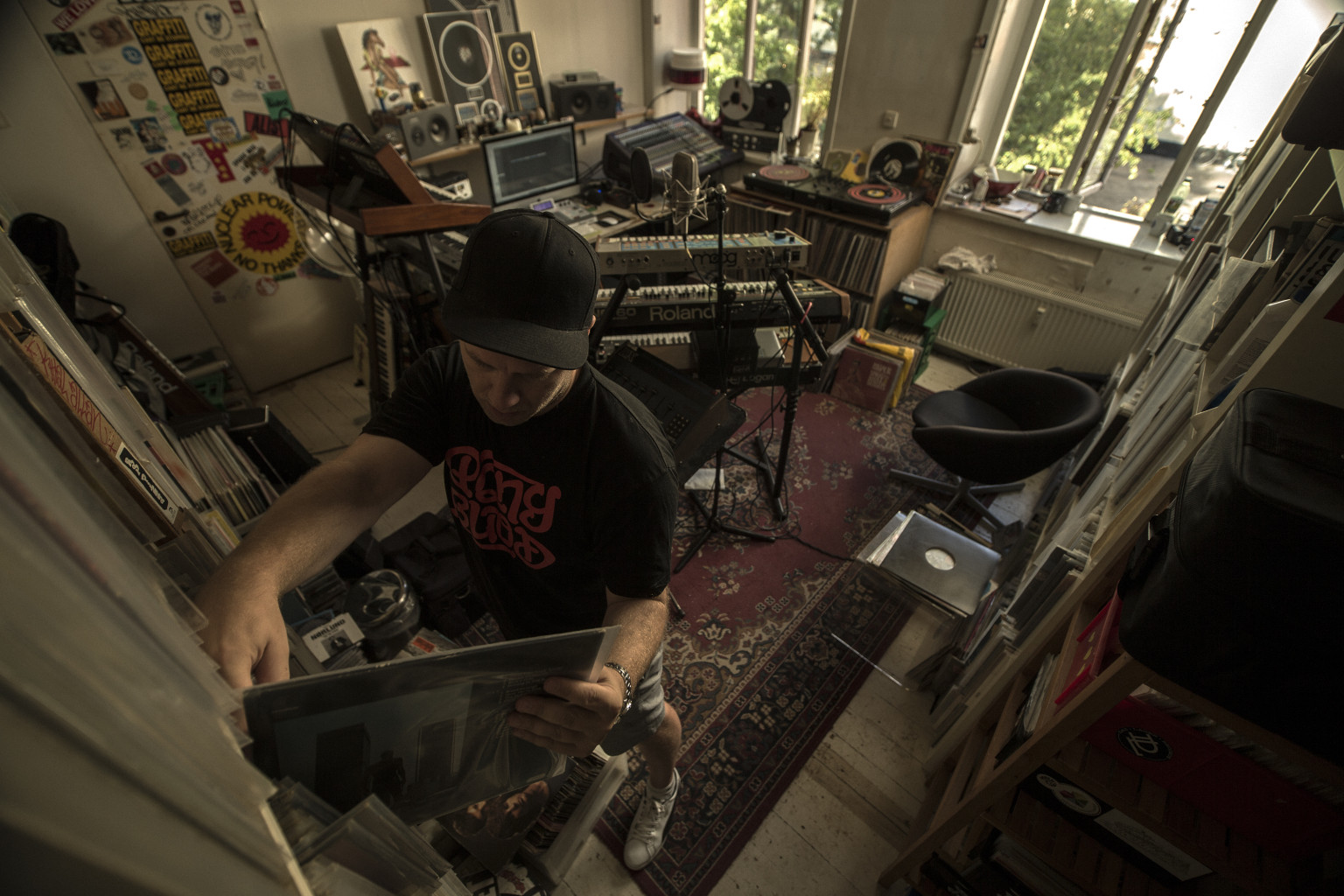
»Music for me is my hobby, my job, my outlet, my mood, an endless source of discovering new music and new, old music, some of the best and can be some of the worst. And I love it!«
Track72 aka Tue Track aka Anders Lundby Brixen. Producer, DJ, rapper and more. Known for his role in the trio Malk De Koijn, which since the mid-1990s has created a personal universe in Danish hip-hop. Has performed in Ponyblod, Xtra Naan, Track Abdullah Rock, Booty Cologne and others.

On Wednesday, 5 August 2026, it happened again: a chord in John Cage’s Organ2/ASLSP (As Slow as Possible) changed after two and a half years. Classic FM reports.
The work was written by the American avant-garde composer John Cage in the mid-1980s. The score consists of eight pages of music, and, as the title suggests, the instruction is to play it »as slow as possible.«
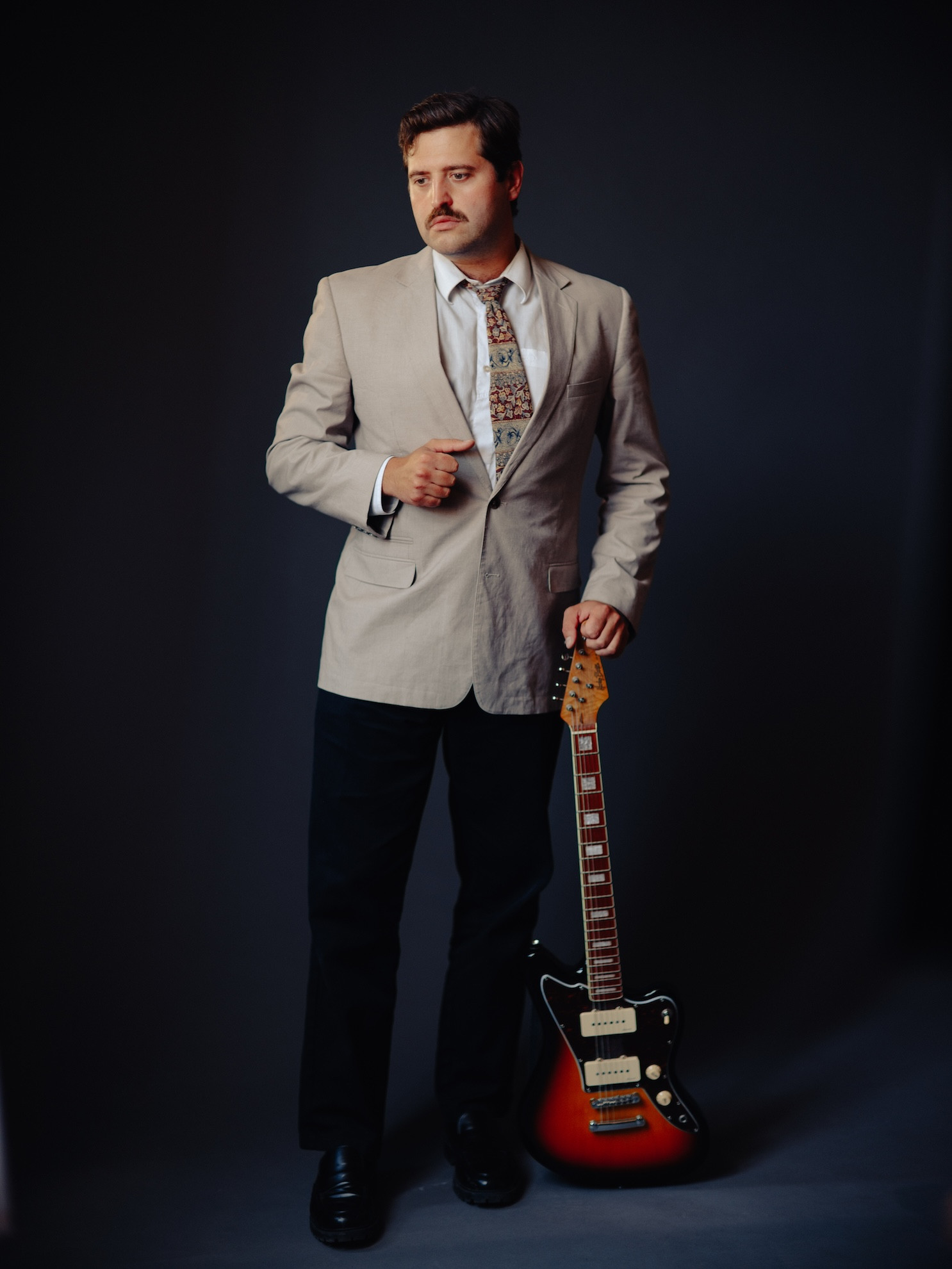
»What music is to me? Where have the great feelings gone?«.
Gellért Szabó is a composer, conductor and performer based in Leipzig, Germany. His work combines contemporary composition with influences from free improvisation, noise and the expressive richness of the late nineteenth century. He is the founder and artistic director of the 23-piece Ideal Orchestra, an ensemble dedicated to large-scale experimental music of sweeping emotional intensity. Alongside this work, Szabó performs internationally with his solo project Radical Radio Show, exploring symphonic textures and immersive sound worlds through a single electric guitar and live electronics. His music is driven by a search for intensity, vulnerability and uncompromising emotional expression.