in brief
28.10.2022

Slangen i Edens have

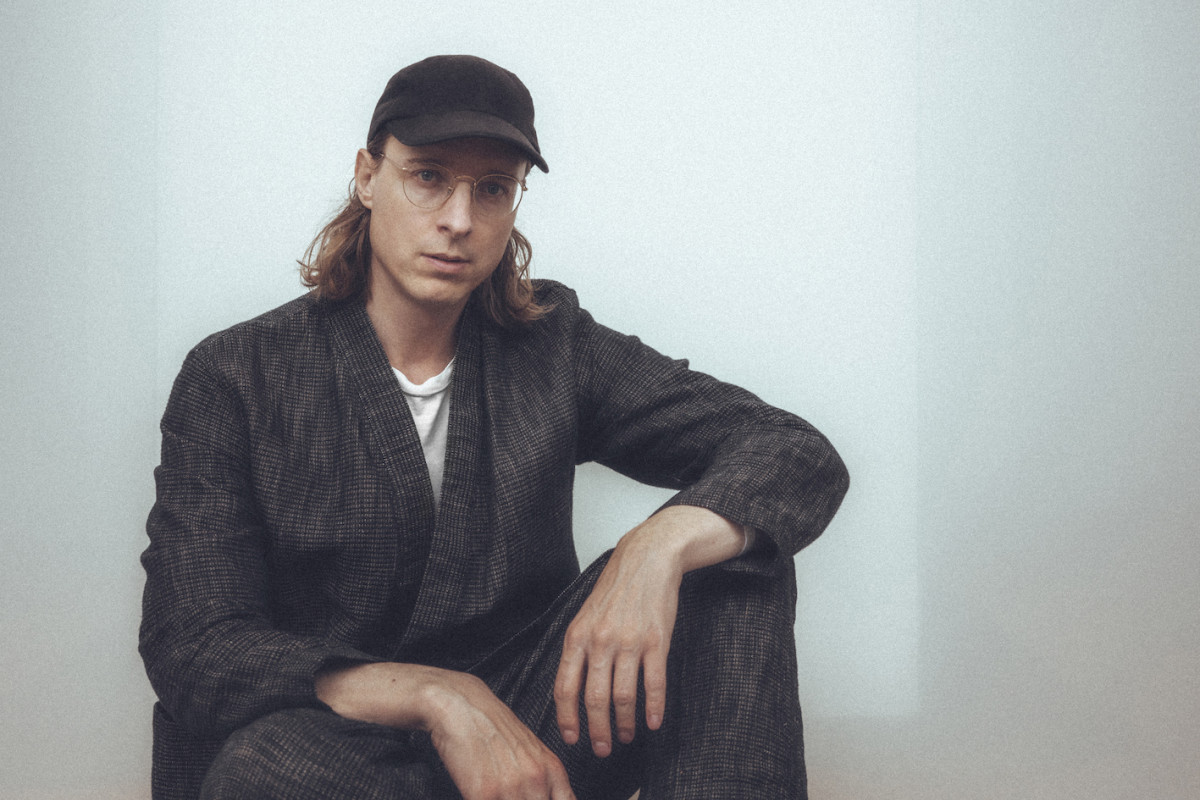
Kasper Bjørke Quartet: »Mother«
© PR
© PR

Den bibelske skabelsesberetning begynder med, at Gud skaber lyset. Straks bliver han enig med sig selv om, at lys er godt, men mørket, der tidligere fyldte hele universet, forsvinder ikke: Som lysets skumle antitese er det altid til stede. På Mother – komponisten Kasper Bjørkes fortolkning af klodens evolution fra dens spæde formation til menneskets nært forkomne udryddelse – er mørket dog ofte meget svært at få øje på: Jordens første milliarder år iscenesættes med blød synth, sørgmodige strygere og forsigtig marimba; lyden vibrerer lyst, varmt og luftigt som en solstråle gennem et støvet vindue. Æstetikken er storladen, som noget Hans Zimmer ville komponere til en Science Fiction-film, om end synthesizeren og marimbaen til tider placerer albummet tættere på den form for New Age-musik, der i 90'erne dukkede op på de ganske charmerende Moods-opsamlinger. 

1. Mosebog skal selvsagt ikke ses som nogen form for facitliste. Når jeg alligevel nævner den, skyldes det, at Bjørke selv virker opsat på at skildre klodens evolution som en syndefaldsmyte: Helt teleologisk bevæger jorden sig fra en tilstand af harmonisk lyksalighed til undergang, og som slangen i Edens have er det mennesket, der bringer Jorden i forfald. Først på albummets sidste kompositioner – med de udpenslende titler »Anthropocene« og »Tipping Point« – begynder mørket og kaosset at ulme i lydbilledet. Albummets eskatologiske fortælling, hvor menneskets undergang også er Jordens, forekommer mig lige lovligt antropocentrisk. Det er en skam for albummet lyder smukt: Et perfekt ambient lydtæppe til kølig efterårssol og søvnige togture. Desværre vakler Mother for mig under vægten af sit eget ambitiøse koncept. 

© PR

»For me, music is incredibly important. It is music that reveals who I am and who I want to be. Music is my muse, my solace, and my paintbrush. It paints my state of mind, serves as a frequent topic of conversation among my friends, and – along with the lyrics – acts as my preferred form of expression. To me, music represents the colors and shapes of my life. I have a particular fondness for Danish artists such as C.V. Jørgensen, Elisabeth, Olesen-Olesen, Peter Sommer, and Gravens Rand.«

Søren Damm is an award-winning author known for the novels Transit, Melodrama, and Finland. He is also a singer and songwriter, having released, among other works, the album Håbet Er Den Største Last.

© Paw Ager

»For me, music is about curiosity and surprises – yet it’s also something in which you can feel right at home. Music resides within us all, in a physical way that sets it apart from any other art form. To me, music is something greater than the individual – something that will always outlive the individual. The good stuff, in other words ;) « 

Kaspar Kaae is an award-winning film composer, music producer, and songwriter, known for his work with bands such as CODY and Bug Chaser. He holds a Master’s degree in film composition from SDMK.  He has previously been a guitarist in a number of bands on the Danish indie scene, such as CODY, Broken Twin, and Bug Chaser. The latter is releasing the album My First Crippled Love in November. He was born in 1983 on Bornholm, but has lived in Copenhagen and Berlin throughout his adult life.

© PR

»Music is like a black hole that sucks you in and shoots you out on the other side of the universe.«

Francesco Rista is a guitarist working across classical and electric guitar. His recordings have been reviewed by international music magazines and broadcast on BBC and RAI Radio 3. After studying at the Royal Danish Academy of Music and Lund University, he focused on studio recordings, exploring guitar repertoire from the Baroque and Romantic periods to contemporary music, as well as the instrument’s varied tonal possibilities. Rista is currently based in Iceland, where he teaches guitar, composes music, and collaborates with contemporary composers.


© Villads Hoffmann
© Villads Hoffmann

Percussionist and composer David Hildebrandt is honoured for his virtuosic work with new music and his efforts to push the boundaries of what rhythm can be.

David Hildebrandt is among the recipients of this year’s honorary awards from the Wilhelm Hansen Foundation. He receives DKK 200,000 in recognition of his uncompromising work with new music and multi-percussion, as well as his ability to challenge conventional ideas about rhythm.

© Thor Brødreskift
© Thor Brødreskift
The 2026 Nordic Council Music Prize goes to Norwegian composers Kristine Tjøgersen and Benedicte Maurseth for Elja, a suite for the Kronos Quartet and Hardanger fiddle.
 
Rationale