




in brief
16.11.2022

Æsteten sanser, sommerfugle danser

Jeppe Ernst: »Anatomisk sangbog«
© Émile Sadria
© Émile Sadria

Når nu Jeppe Ernsts strenge studier af kroppens musikalitet ikke helt forløses i Émile Sadrias sort-hvide kortvideoer på Medicinsk Museion, så er det ikke, fordi det kompositoriske greb ikke er beundringsværdigt.

Ernst har overtalt en af den ny musiks store helte, basbarytonen Jakob Bloch Jespersen, til at strippe ned til et par hvide underbukser og følge tolv af komponistens tavse partiturer, som hver især fokuserer på én kropsdel.

Han bøjer ryggen, folder nakkehuden og vrider skuldrene, så bevægelsen modsvarer nodeværdier. Det er billedskønt og fint anatomisk sansende, men fornemmer man også musikken i motorikken?

Kun sjældent. Dels saboterer den naturlige museumsstøj Ernsts subtile rytmik. Dels savner man tydelige temposkift og den skarpe præcision, som er lettere at formidle med kvikke fingerspidser end besværlige hofter.

Det føles hurtigt fastlåst, når albuer bevæges stift fra side til side som en skibskran. Omvendt sitrer videoerne af poesi, når øjenlåg i closeup bliver til blid sommerfugledans. Jeg savner helt ind i sjælen at se de forskellige kropsdele spille op mod hinanden i polyfone, humørfulde splitscreens i stedet for æstetisk flotte, men sterile solostudier.

Jeppe Ernst ville sikkert kalde mig vulgær.

Museet opfordrer til, at man følger med i partituret via QR-koder, men visningen er frustrerende nok ikke tilpasset telefoner. I stedet burde noderne være afbildet nær videoskærmene. Det er måske i deres stille, utopiske poesi, at Anatomisk sangbog har det bedst.

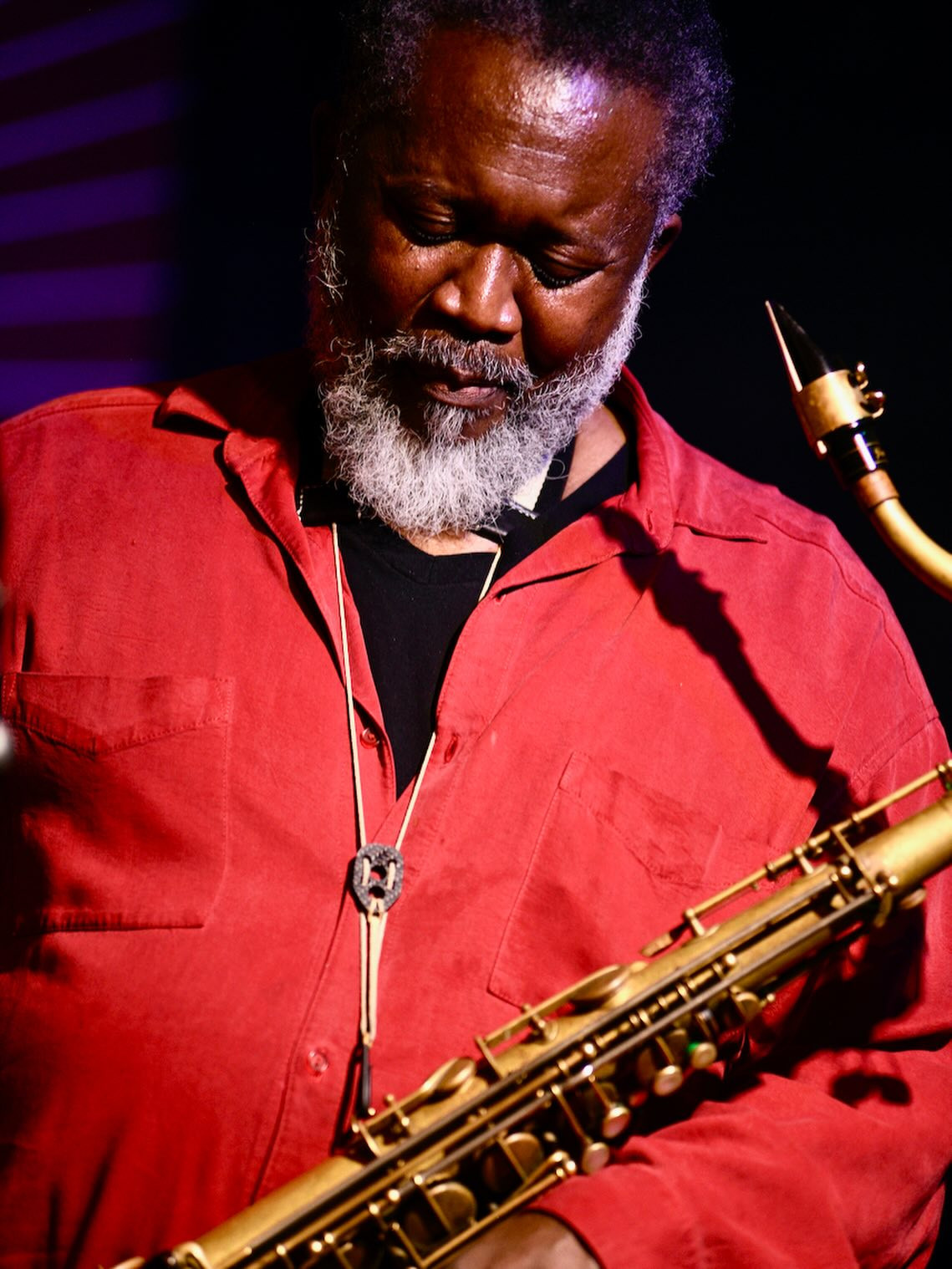
© Peter Gannushkin

»Music for me is a world full of sound that you can explore, juggle with, systematize, be inspired by and form a starting point for meetings between people across cultures and generations.«  

Håkon Berre (b. 1980) has made his mark as a central figure on the Danish improvised music scene. His practice is characterized by an expanded approach to percussion, where both traditional instruments and everyday objects – such as doorbells, tin plates, chains and kitchen utensils – are included in a nuanced and often unpredictable sonic expression. He has performed at clubs and festivals internationally and collaborated with a wide range of notable musicians, including Peter Brötzmann, Phil Minton, Axel Dörner, John Tchicai, Jamie Branch and Otomo Yoshihide. Berre contributes to an extensive discography with more than 40 releases, many of which on the artist-run label Barefoot Records, which he co-founded. He has also composed and arranged music for theatre and exhibitions, and worked on interactive sound installations shown in museums in Denmark and Germany. He is active in a number of ensembles and collaborations, including Ytterlandet, TEETH, VÍÍK and Mirror Matter, as well as in various duo and quartet constellations.

© Niklas Ottander

»Music is a deep, but not serious, spiritual practice, in which creator, collaborator, and consumer alike are their own personal pope.«

James Black (b. 1990) is a composer, performer, and artistic director of Klang Festival – Copenhagen Experimental Music. Originally from Bristol, England, they moved to Copenhagen in 2013. Black's works have attracted a large amount of attention both nationally and internationally for their signature combination of artistic courage and vulnerability, described by the Danish Arts Council as »a universe of real madness where everything goes«. Their work is a deep and personal exploration of topics such as religion, loss, and queer identity, that is unafraid to be stupid or serious in any direction.

© Christian Klintholm

»Music is just something for me.«

Christian Juncker is a Danish musician and songwriter who has released a number of Danish-language albums. He debuted in 1995 with the band Bloom. Together with his friend Jakob Groth Bastiansen, he formed the duo Juncker in 2002. He is also behind the Christmas carol »Luk julefreden ind« from 2024.

© Guy Wasserman

»Music, for me, reveals the emptiness of boundaries and definitions – in consciousness, in space, and in music itself.«

Idan Elmalem is an oud player and composer working across world and popular music, now presenting his debut instrumental EP and live performance project. Following years of collaboration within the Israeli music scene, he turns toward a more personal and intimate musical voice, blending traditional oud with a contemporary sensibility. Influenced by his studies with master Nissim Dakwar, Elmalem’s music explores the space between tradition and innovation. His debut EP, Time, features three live-recorded pieces that move between past, present, and future, combining classical Arabic and Persian elements with jazz, minimalism, and cinematic sound. Based in Tel Aviv, Elmalem draws on his Moroccan-Danish heritage in his work. He is a graduate of the Jerusalem Academy of Music and Dance and is currently pursuing a Master’s degree in Ethnomusicology at the University of Haifa, alongside his work as a player and composer.

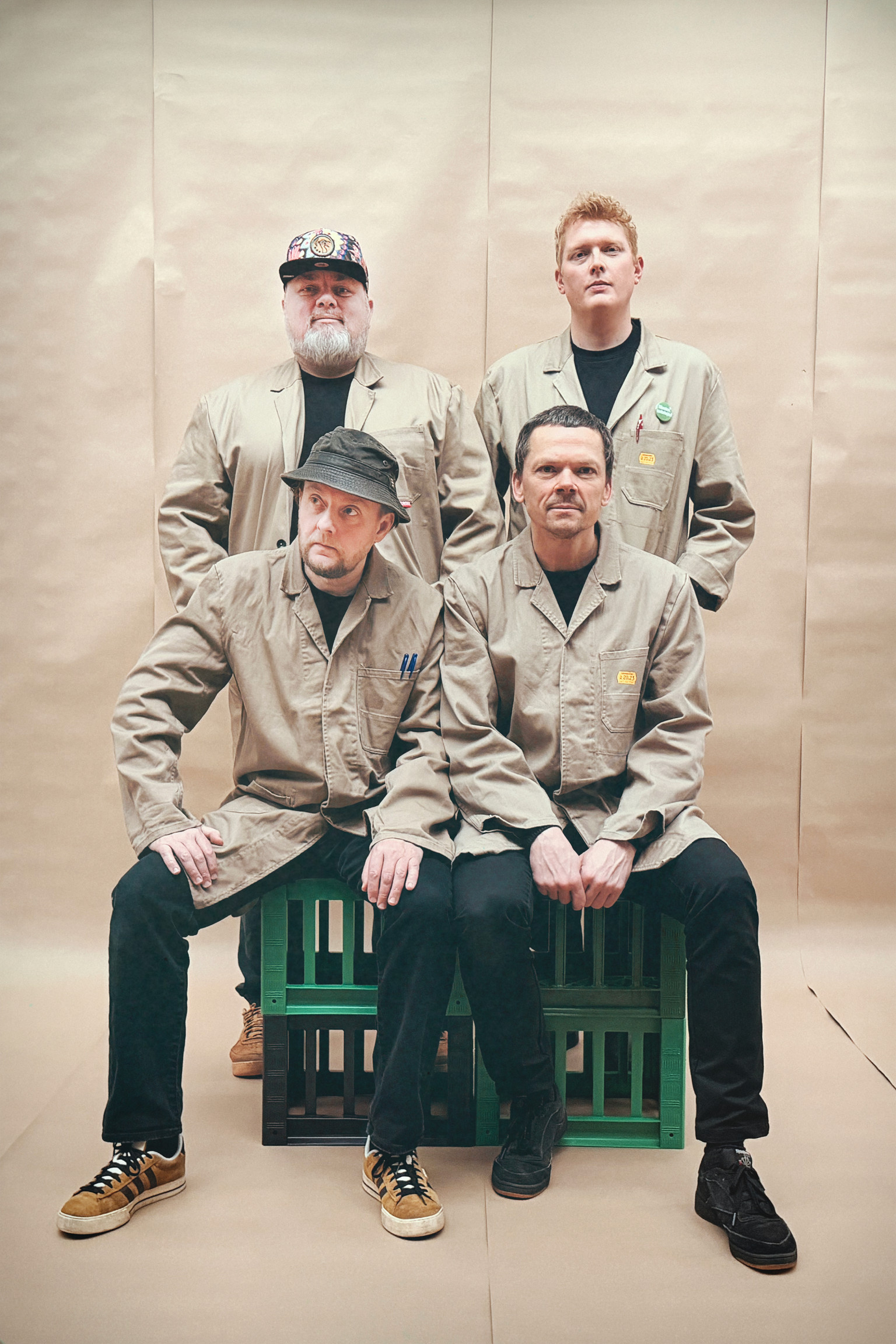
© PR

On May 29, the Aalborg-based collective Datahaven9000 takes over the venue Skråen, transforming its main hall into a concentrated one-day festival of electronic music. The event is part of the concert series Bystanders #3, where the stage is handed over to local scenes rather than the venue’s in-house programming.