


in brief
07.02.2023

Ind i det elektroniske ormehul

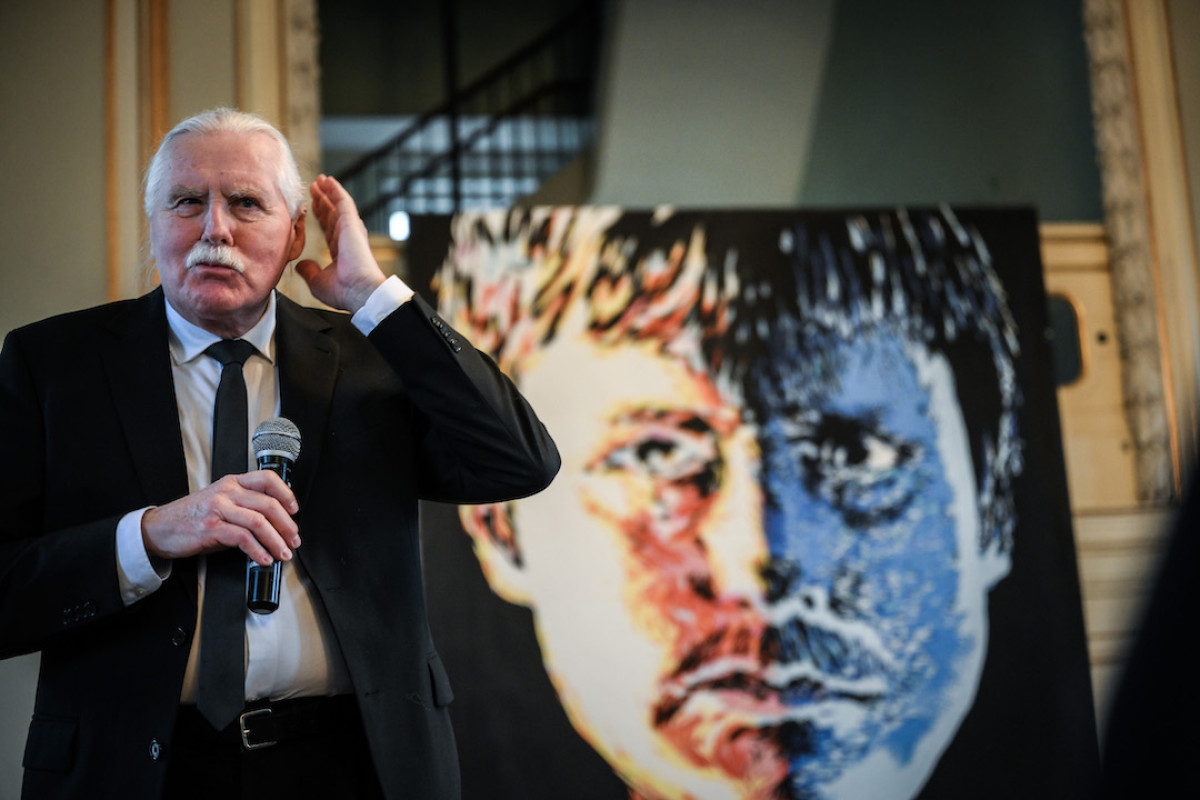
Gunner Møller Pedersen: »Lydskatten åbnes!«
© Alexander Banck-Petersen

Ulig Birgitte Alsted, hvis 80-års fødselsdag ikke rigtig tiltrak sig opmærksomhed sidste år, blev der søndag inviteret til bobler og 12-kanalskoncert i Musikhuset København, da Gunner Møller Pedersen rundede samme milepæl.

Det kan man selvfølgelig tænke sit om, for deres stjerner i dansk elektronisk musik skinner vel omtrent lige klart. Men lifligt var det nu at skrue tiden mellem et kvart og et halvt århundrede tilbage og lytte til en håndfuld af Pedersens værker.

I baren rumsterede Glass Music (1993) fra et par højttalere og lød med sine strøgne glasklange som et fjernt ekko af tryghed i slowmotion. Men mørket satte også ind, en tøven af anslag og atonalitet, og bevægelsen mellem utopi og vemod hørtes også i de tre elektronværker i koncertsalen.

Først i Som ild og vand (1986), hvor glidende klokkesinus mod slutningen indledte et langt fald. Siden i Phoenix (1973-76) med sit væksthus for korte xylofonmotiver, som blev mødt af spidse klange og dumpe slag. Og endelig i Da niente (1969-76), her ledte en kaskade af faldende toner hen til glimtet af fjern, sortnende korvokal – en anelse af noget menneskeligt bag det elektroniske ormehul.

Hvad var det mørke: komponistens melankoli over ikke selv at kunne flytte ind i det rum, han skaber? Lyst opbyggede man i hvert fald til at tage springet derind, men som en lille dreng varsomt sagde til sin far efter koncerten: »Det er også lidt uhyggeligt.«

in brieflive
13.02

Ash in the Ear

Farvel & Peter Laugesen
© PR
© PR

There was something liberating about watching 83-year-old Peter Laugesen step onto the stage at Phono with a new band and not a trace of nostalgia. There was no hint of a poetic lap of honour. But plenty of noise. The trio Farvel – Halfdan Magnus Stefansson (guitar), Gustav M.K. Lauridsen (bass) and Jens Højbøge Mosegaard (drums) – did not play politely around the poet. They laid down a massive carpet of stoner rock and free improvisation beneath him, as if the words had to be wrenched free from gravel and distortion. At first the music moved heavy and viscous. For a long time. Then it accelerated. And Laugesen accelerated with it.

He sat on a chair in the corner, leafing through his books, speaking of dawn, of children at play before they disappear, of Finnegans Wake, Winnie-the-Pooh and an irate »then thaw, for fuck’s sake.« The words did not fall in rhythm – they landed like bolts on a workshop floor. Laugesen’s baritone is still as coarse as steel wire; the Brabrand accent refuses to be polished. He played the harmonica. It sounded more than off-kilter – a twisted blues.

Farvel emerged from a jazz ambition that dissolved and found another path in the abrasive aesthetics of 1990s noise rock. It suits Laugesen. The three young musicians did not play behind him, but with him, across generations, on equal footing. This was no solemn celebration of an ageing poet. It was a workplace filled with friction. At Phono, Laugesen sang – yes, sang – the prose of life across a wall of sound. His voice cut in between the rumbling bass and the grit of the snare drum. He spoke of »ash in the ear«. You left carrying precisely that: a tremor in your hearing. When language meets resistance, it can still strike sparks.

Phono. 12.02

in briefrelease
11.02

Echoes from the Olive Trees

Mai Mai Mai: »Karakoz«
© PR
© PR

Grief is hereditary. It is collective and more than mere streams of tears – as countless generations of oppressed Palestinians can attest. On the album Karakoz, the Rome-based musician Mai Mai Mai creates a resonance of this collective sorrow and attempts to grasp the desperate hope of the Palestinian people. Not through political slogans, but through dark spiritualism and synthesizers.

Karakoz is an ancient form of shadow theatre with roots in the Ottoman Empire, and the album title serves as an omen of the musical pulse that sets in from the opening track, »Grief«. Here the music sounds like an archaic folk hymn: slow, repetitive percussion creates a tear-soaked minimalism, and the piece feels like a ceremony passed down through generations. With synthesizers slowly coiling around Maya Al Khaldi’s yearning vocals, »Grief« becomes a cultural bridge between forgotten traditions and the painfully current tragedy that today envelops Palestine in an all-consuming darkness.

Across the seven tracks, one hears trauma like a wind murmuring through the streets and among the olive trees. This may be because the album was created in collaboration with local artists and includes archival material from The Palestinian Sound Archive – an archive of decades of forgotten music, poetry, and album covers. Karakoz is a reinterpretation of Middle Eastern spiritualism and forgotten music. It is a testament to grief as lived experience, and as an archival bulwark, Karakoz thus takes part in the struggle for a free Palestine.

English translation: Andreo Michaelo Mielczarek

© PR

»For me, music is a secret safe place. It is a refuge from society, from who you're expected to be, and from the idea of belonging. It is a space where you're free from conflict and dualistic ways of thinking. It is a place to feel the world without needing to understand it.«

Masaya Ozaki is a composer born in Niigata, Japan. His work is deeply influenced by the transient nature of space and the subtleties of sound within physical environments.  Ozaki views sound not just as a medium, but as a form deeply intertwined with the spaces it inhabits, something that he explores extensively in site-specific projects like Echoes, which involved live performances inside a lighthouse. 

Ozaki’s latest album, Mizukara (2024), is a reflection of his personal and artistic journey, primarily shaped by his experiences in Iceland. The album embraces minimalism and introspection, incorporating field recordings, sparse instrumentals, and the textures of the Icelandic landscape to explore the fluid relationship between self and environment. In recent interviews, he emphasized his shift from purely sound-based compositions to ones that deeply consider the environment and space. His relocation to Iceland has profoundly influenced his work, encouraging him to further merge the boundaries between music, nature, and architecture.  He is also a member of the Reykjavík-based emo anime doom metal band MC Myasnoi.

© Julie Montauk

»For me, music is a journey through time; one song can send you back to a childhood summer, a packed dance floor, a breakup – or a sense of hope you thought you had given up.« 

Danish-Corsican Malu Pierini has created her own musical universe somewhere between Copenhagen, Corsica and 1960s Paris. Here, Nordic soul/pop and French chanson meet as she draws threads to her family’s roots in the Parisian cabaret scene, the raw beauty of the Mediterranean and stories that bridge the gap between past and present. Pierini has just released her debut album Libera Me – a cinematic and personal journey into family history and an examination of what we carry with us from those who came before us. The album unites French 60s sounds, bossa references, Corsican folk tunes and indie pop in a story of love, heritage and identity. 

in briefrelease
06.02

Small Snowflakes in a Brutal Snowstorm

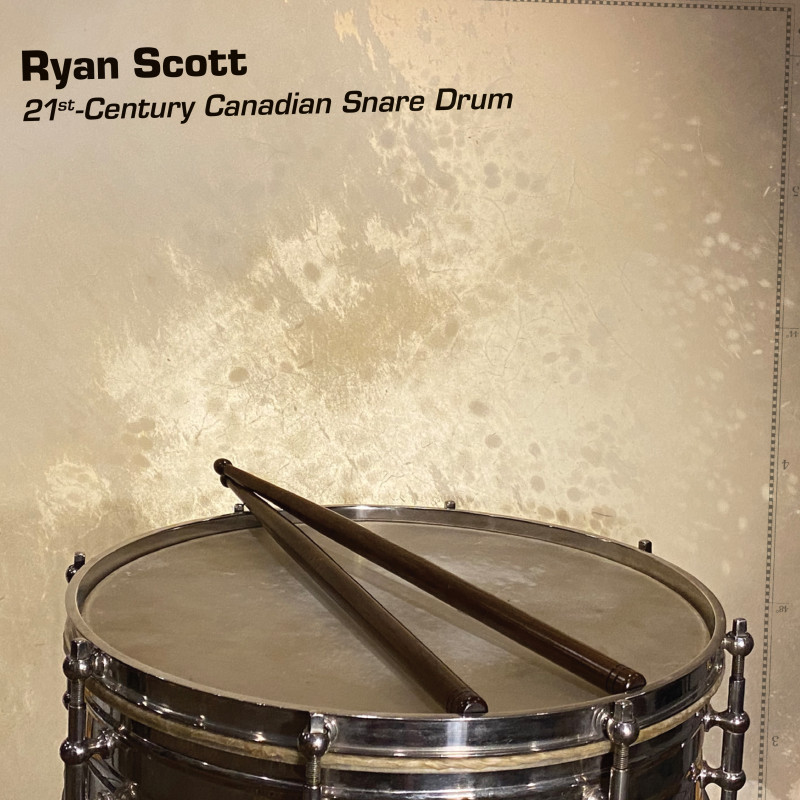
Mads Emil Dreyer: »Miniatures«
© PR
© PR

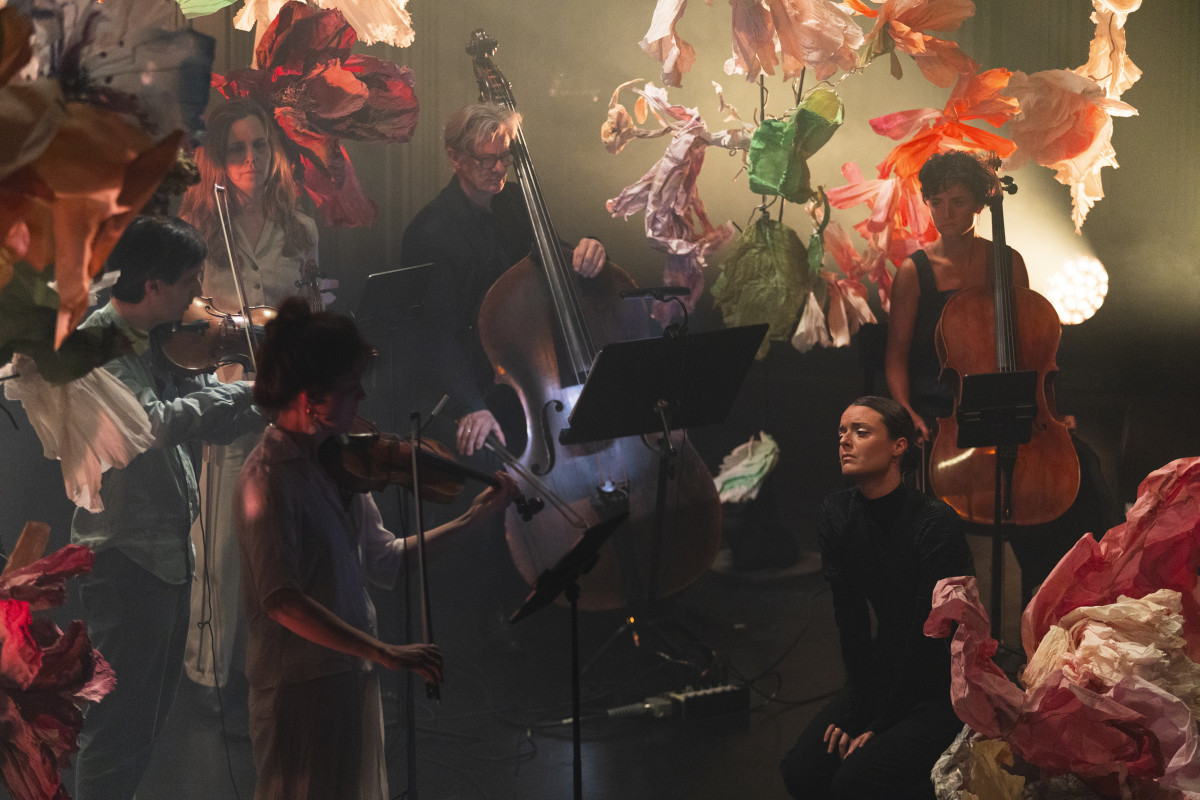
As this review was being written, a snowstorm swept across Denmark, and even Østerbro was submerged in beautiful white snow. This turned out to be a remarkably fitting backdrop for the Danish composer Mads Emil Dreyer’s latest compositions, which are marked by melancholic, childlike phrases of glockenspiel and distant synths. The minimalist works are performed by the ensembles Scenatet, EKKI MINNA, and Athelas Sinfonietta, all of whom share a commitment to contemporary music, uncompromising experimentation, and a playful approach to acoustics and perspectives – qualities that are clearly audible in the works themselves.

Echoes of metallic sound surfaces blend with occasional floating pads, often tipping from the beautiful into the unsettling. The first half of the album is shaped by slightly brighter and more playful melodies, with »Miniature I–II« and »I–III« in particular delivering beautiful themes that frequently strike straight to the heart. A brief intermezzo opens the album’s second half, where abrasive keys and pads are introduced, and the ringing glockenspiels hover above the listener like eerie shadows or frightening ghosts.

The suites are short, simple, and effective, yet at the same time deeply atmospheric. In a short space of time, Miniatures has become a favored sonic space for this reviewer when there is a need to retreat into the chambers of the mind, where the blend of glockenspiel and principles of chance appears like small, glistening snowflakes in a long and brutal snowstorm.