Allan Gravgaard Madsen
27



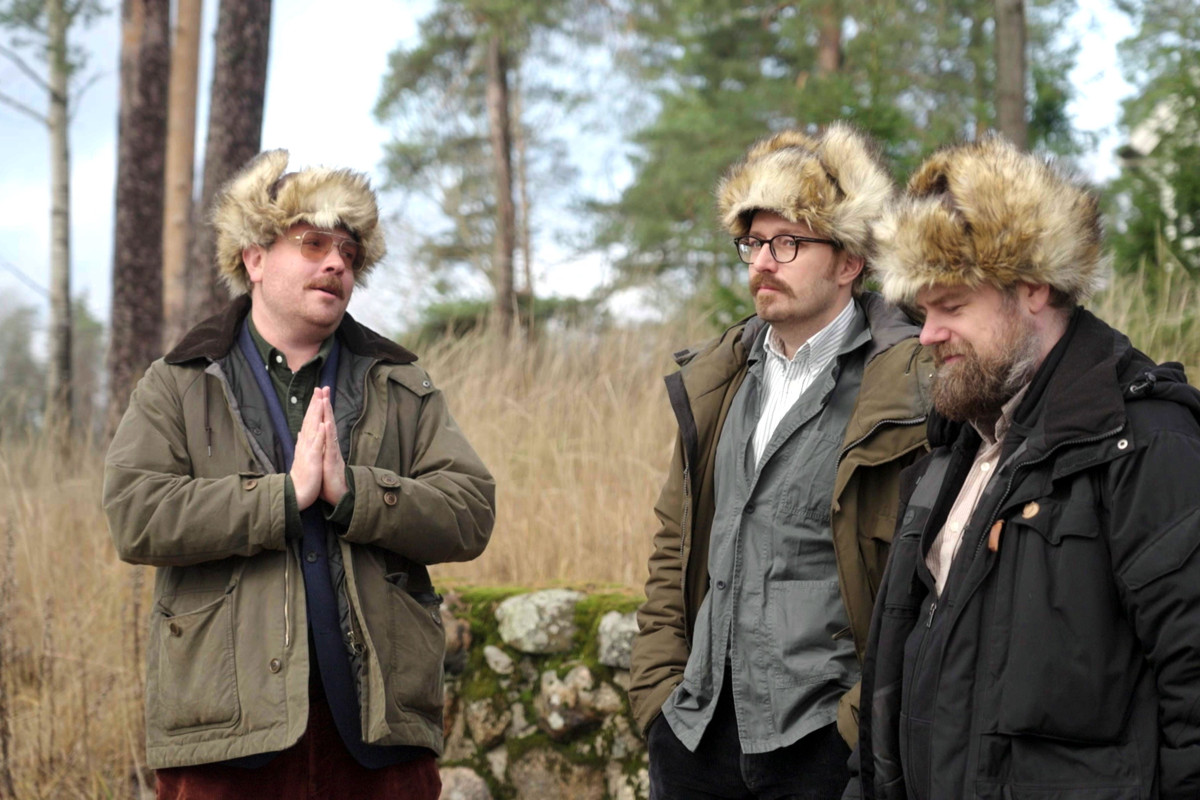
Fjorten afsnit skulle vi ind i en serie, der nu strækker sig over to sæsoner, før nutidsmennesket Allan Gravgaard Madsen fik overbevist sine to medrejsende og et ikke vildt progressivt produktionsselskab om, at det da nok var en meget god idé at aflægge en opera fra dette årtusinde et besøg.
Således når den netop frigivne sæson to af Operarejsen også endelig forbi en kvindelig komponist i det, der ellers hidtil har været renæssancevæsnet Frederik Cilius’ selvtilfredst konservative optegning af det europæiske operaliv. Og tænk engang: Han begejstres, i hvert fald næsten, ganske gevaldigt for opdagelsen af Kaija Saariahos genrebøjende skoleskyderrefleksion Innocence (2018).
Her møder Cilius ikke blot spektrale klangmeditationer, men også et værk, der med akut samtidssnilde sender sine sangere i alle retninger, inklusive snerrende finsk folketone, samtidig med at opsætningen som sådan er så fuld af spændstig dramatik, at selv den ikke længere helt utrænede Rasmus Bruun er ekstatisk, da han kommer ud af operahuset i Helsinki.
Enige bliver de vist nok om, at Saariaho er mere sanselig instrumentalt end vokalt, hvilket er såre sandt, men glædes kan alle tre rejsende – ikke mindst en pludseligt vågen Allan Gravgaard Madsen – over, at samtidsopera faktisk kan være en ekstremt besættende oplevelse.
Halløj for et vendepunkt i den vildt charmerende, men jo også irriterende reaktionære rejseserie. Hvad kan der ikke ske i den sæson tre, som der æggende teases for til slut?
»For me, music is the art form that – if measured in hours and minutes – occupies by far the greatest part of my life. I cannot sing, nor can I play an instrument, but I can listen – as a happy amateur – while cycling, on the dance floor, and, above all, at the office. I almost always work – that is, write – to music.«
Mikkel Krause Frantzen (b. 1983) is an associate professor at the Department of Arts and Cultural Studies, a literary critic for Politiken, and the author of several books in English and Danish, such as En fremtid uden Fremtid (2018), Klodens Fald (2021), and Slutspil (2024).

Last year, Builder released Poor_in_Spirit, an album in which he explored, on his own, the sonic possibilities of his self-built organ. It was an album shaped by this exploration, but ultimately also by the limitations of the organ itself. On Although Changed, I Arise the Same, the composer finds a way beyond them.
The organ is now joined by three additions: Builder’s own alto saxophone, along with the voices of Zola Mennenöh and Johanna Sulkunen. It makes all the difference, providing the diversity of instrumentation that Builder has repeatedly demonstrated his ability to compose for. At times, the organ’s bass sinks beneath the voices and saxophone like a light haze; at others, it envelops them in a heavy fog. It howls like wind in the trees and roars like a train in the night. Mennenöh and Sulkunen sing, chant and breathe simple, repetitive phrases about spiritual uncertainty and searching, as though lost in the dark forest of doubt.
It is a Spartan form of storytelling, giving the listener enough lyricism and atmosphere to set the mind in motion, but never so much that it becomes overwhelming. This is where Builder’s strength lies: his music clearly grows out of his life and experiences, yet he composes in such a way that the listener is invited to enter the story with their own imagination.
Builder determines the colours, but leaves part of the picture to the listener. It is an album that is far more restrained in its dramaturgy than previous releases. No less beautiful or inspiring for it.
English translation: Andreo Michaelo Mielczarek
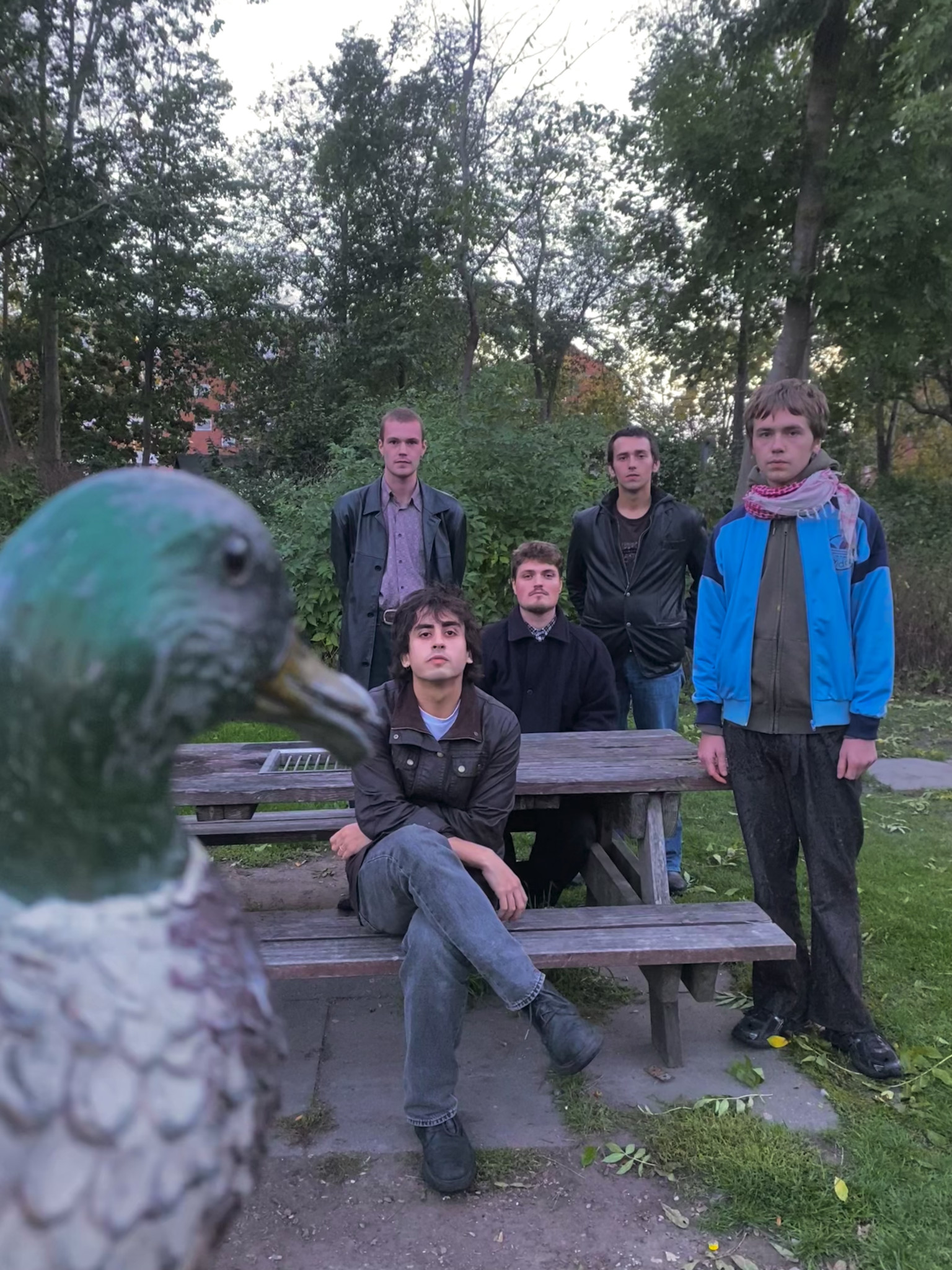
»For us, music is a transcendent force with transformative potential – something we get to experience and shape when we create sound together. It is an opportunity to describe one’s innermost universes without words, and the best way for an introvert to express intense emotions at full volume.«
With roots in Copenhagen’s experimental jazz and punk scene, Echo, Bravo challenges the notion of what a rock band can sound like. The quintet blends post-punk, free punk, and noise rock into a raw and unpredictable soundscape. They describe the music themselves as a kind of »empty-the-fridge soup,« where various leftovers come together. »Best enjoyed as a hot meal in a cold industry.«

Thorbjørn Tønder Hansen has died. With Thorbjørn’s passing, the art music community has lost one of the Nordic region’s most significant producers, curators and cultural leaders.
