Allan Gravgaard Madsen
27



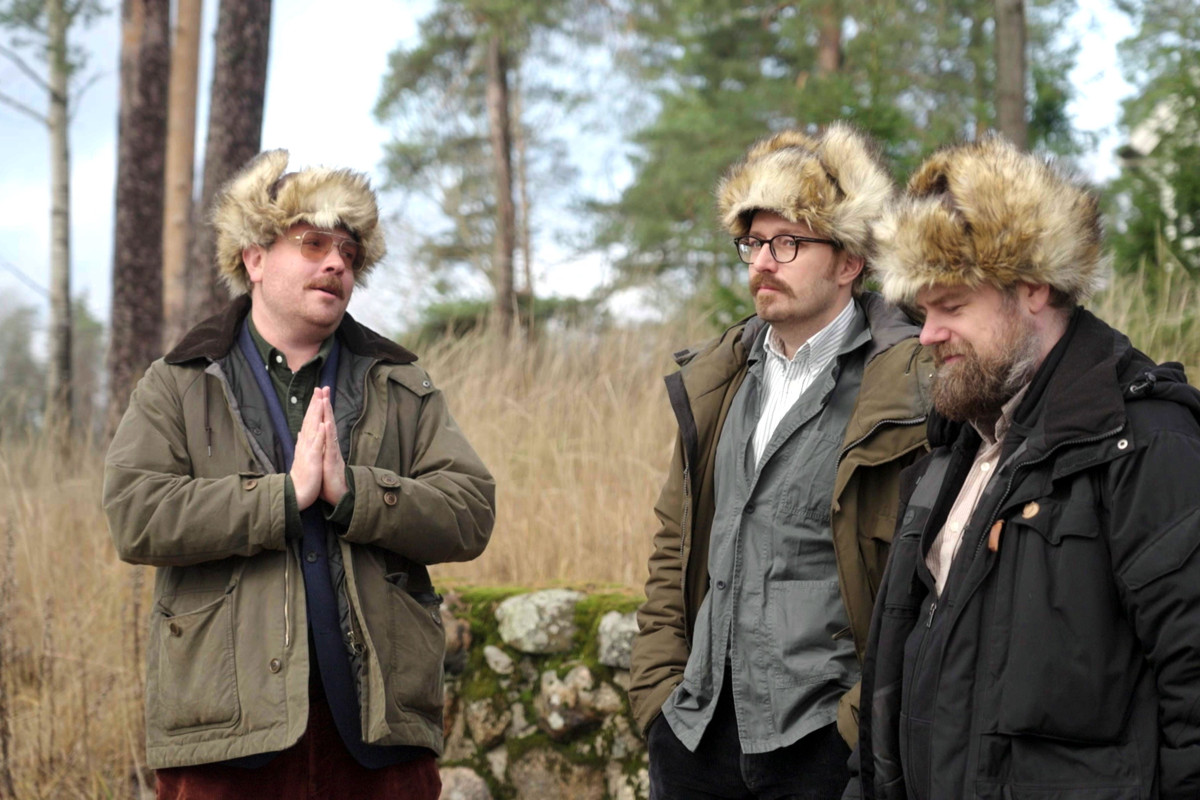
Fjorten afsnit skulle vi ind i en serie, der nu strækker sig over to sæsoner, før nutidsmennesket Allan Gravgaard Madsen fik overbevist sine to medrejsende og et ikke vildt progressivt produktionsselskab om, at det da nok var en meget god idé at aflægge en opera fra dette årtusinde et besøg.
Således når den netop frigivne sæson to af Operarejsen også endelig forbi en kvindelig komponist i det, der ellers hidtil har været renæssancevæsnet Frederik Cilius’ selvtilfredst konservative optegning af det europæiske operaliv. Og tænk engang: Han begejstres, i hvert fald næsten, ganske gevaldigt for opdagelsen af Kaija Saariahos genrebøjende skoleskyderrefleksion Innocence (2018).
Her møder Cilius ikke blot spektrale klangmeditationer, men også et værk, der med akut samtidssnilde sender sine sangere i alle retninger, inklusive snerrende finsk folketone, samtidig med at opsætningen som sådan er så fuld af spændstig dramatik, at selv den ikke længere helt utrænede Rasmus Bruun er ekstatisk, da han kommer ud af operahuset i Helsinki.
Enige bliver de vist nok om, at Saariaho er mere sanselig instrumentalt end vokalt, hvilket er såre sandt, men glædes kan alle tre rejsende – ikke mindst en pludseligt vågen Allan Gravgaard Madsen – over, at samtidsopera faktisk kan være en ekstremt besættende oplevelse.
Halløj for et vendepunkt i den vildt charmerende, men jo også irriterende reaktionære rejseserie. Hvad kan der ikke ske i den sæson tre, som der æggende teases for til slut?
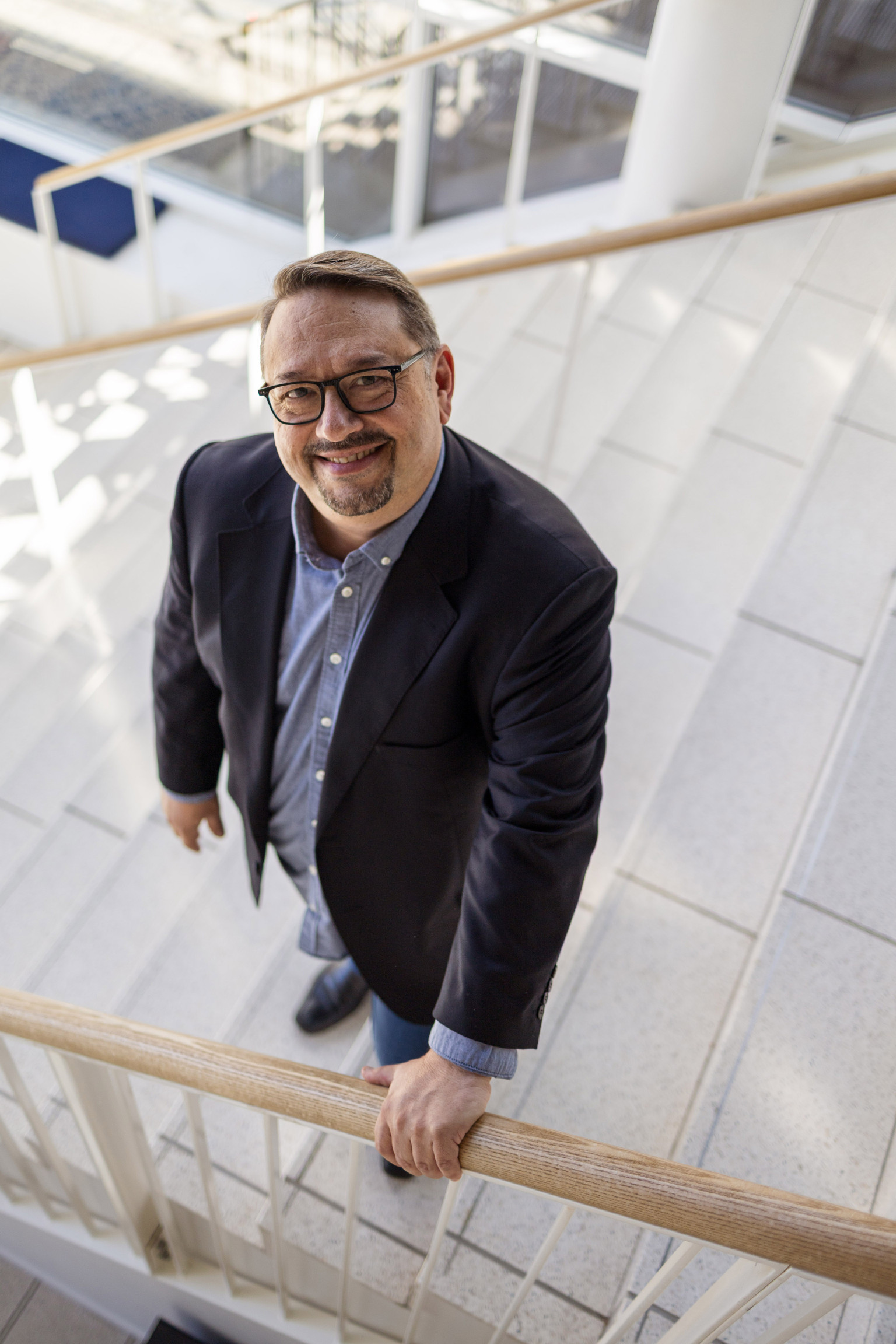
»Music is my life. It has accompanied me all the way and given me experiences, friendships and opportunities that I could never have imagined.«
Pablo Fernández is a Spanish musician and the new Head of Classical Music at the Royal Academy of Music, Aarhus/Aalborg. For many years, he was principal tuba player with the Barcelona Symphony Orchestra and has taught at higher music education institutions in Spain and Denmark. He is also active as a conductor, soloist, guest lecturer and jury member at international competitions. Fernández has extensive experience in the management and development of music projects, festivals and international collaborations. He has lived in Aarhus since 2014 and has been affiliated with the Royal Academy of Music since 2021.
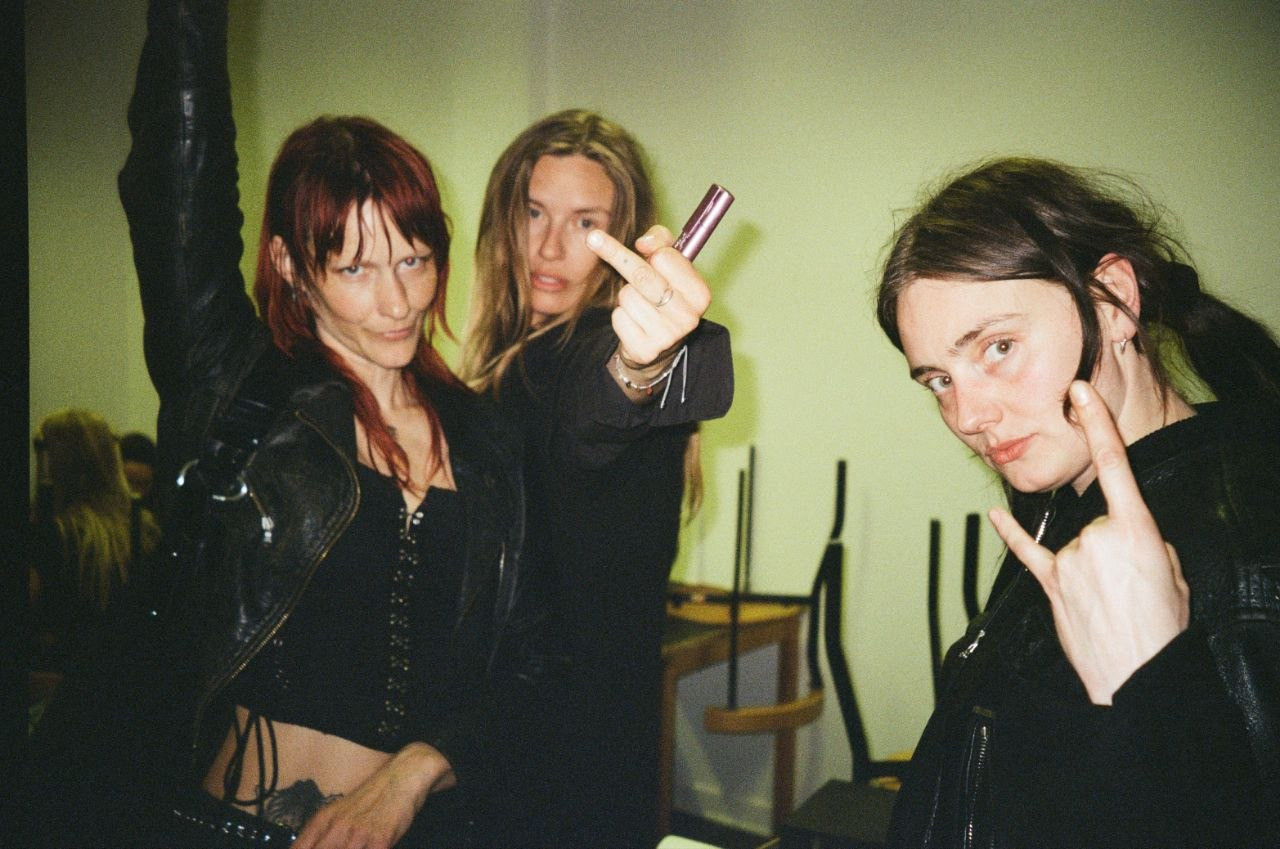
»Music is, to us, a kind of closed club of nepotism, networking and Copenhagen cowboy energy. But in reality, it’s got nothing to do with expensive guitars or technical skill. For us, music is something you can feel in your chest, or something that gives you goosebumps. The best concerts are when someone screams so earnestly that the rest of us don’t have to. The best music expresses emotions in a way that would get you picked up by an ambulance if you did it out on the street. For us, music should fuck with the people who have it too comfortable, and give those who have it fucked a feeling that they’re not alone. Boom. And what the fuck is a chord and a key anyway? Kisses from Nightmaries.«
Nightmaries blend saws, guitars and voices into a dark-country, no-wave, cowboy-doom nightmare. They create the kind of soundtrack that feels like a fever dream you somehow don’t want to wake up from. As the world gets stranger and darker, Nightmaries lean into the madness, serving up slow-burning songs that creep under your skin like a poison that takes its sweet time. Put on your favourite steel-toe boots, dip your smoky eyes in an ashtray, and prepare yourself for sloppy doom with punk energy.
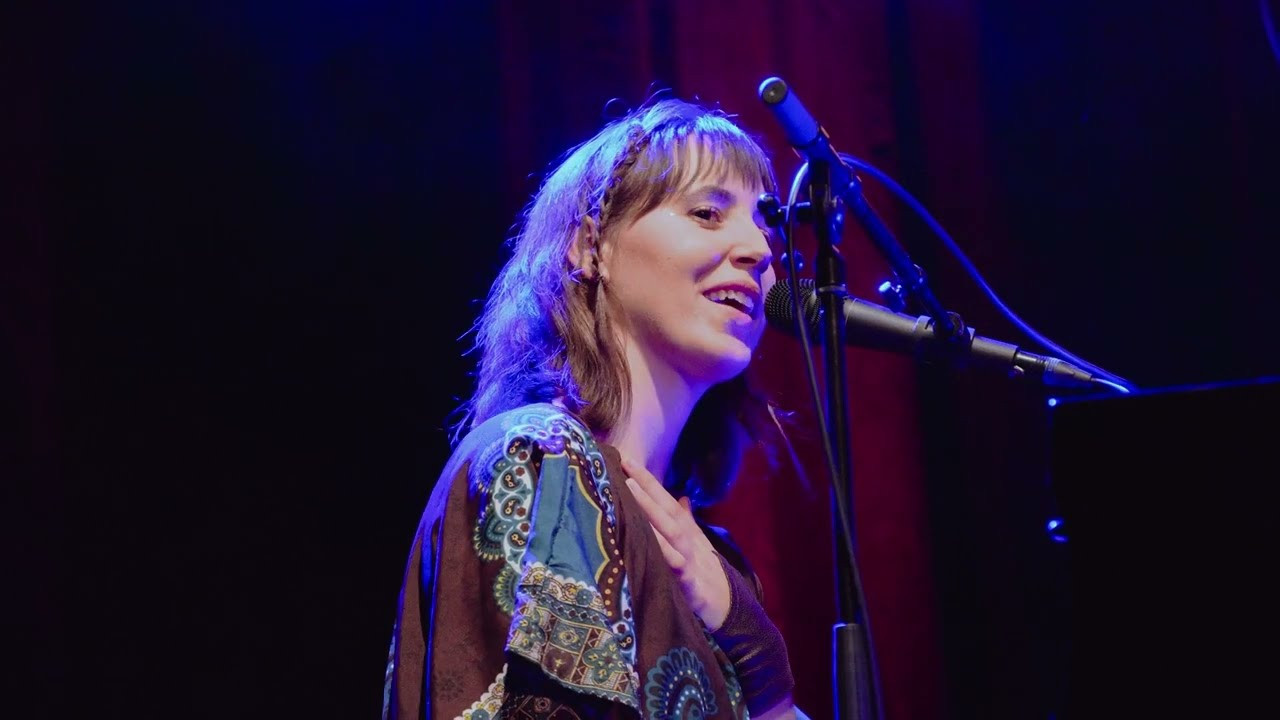
»To me, music is love. I love how music allows you to skip the small talk and connect directly with people’s innermost selves. It is an extraordinary and moving way to meet one another.«
Fenja wrote her first song at the age of twelve – about a polar bear dying due to climate change – and themes of existentialism, nature, and her own sensitive nature came to define the lyrics and sound she has since developed. She released her debut album, Flugtdyr, in 2021, and in February 2026, she released the album Menneskedyr.

Danish composer Sofus Forsberg has died at the age of 56. With his distinctive blend of melodic sensibility, electronic processing and rhythmic precision, he created a musical world that moved effortlessly between IDM, pop and the avant-garde.
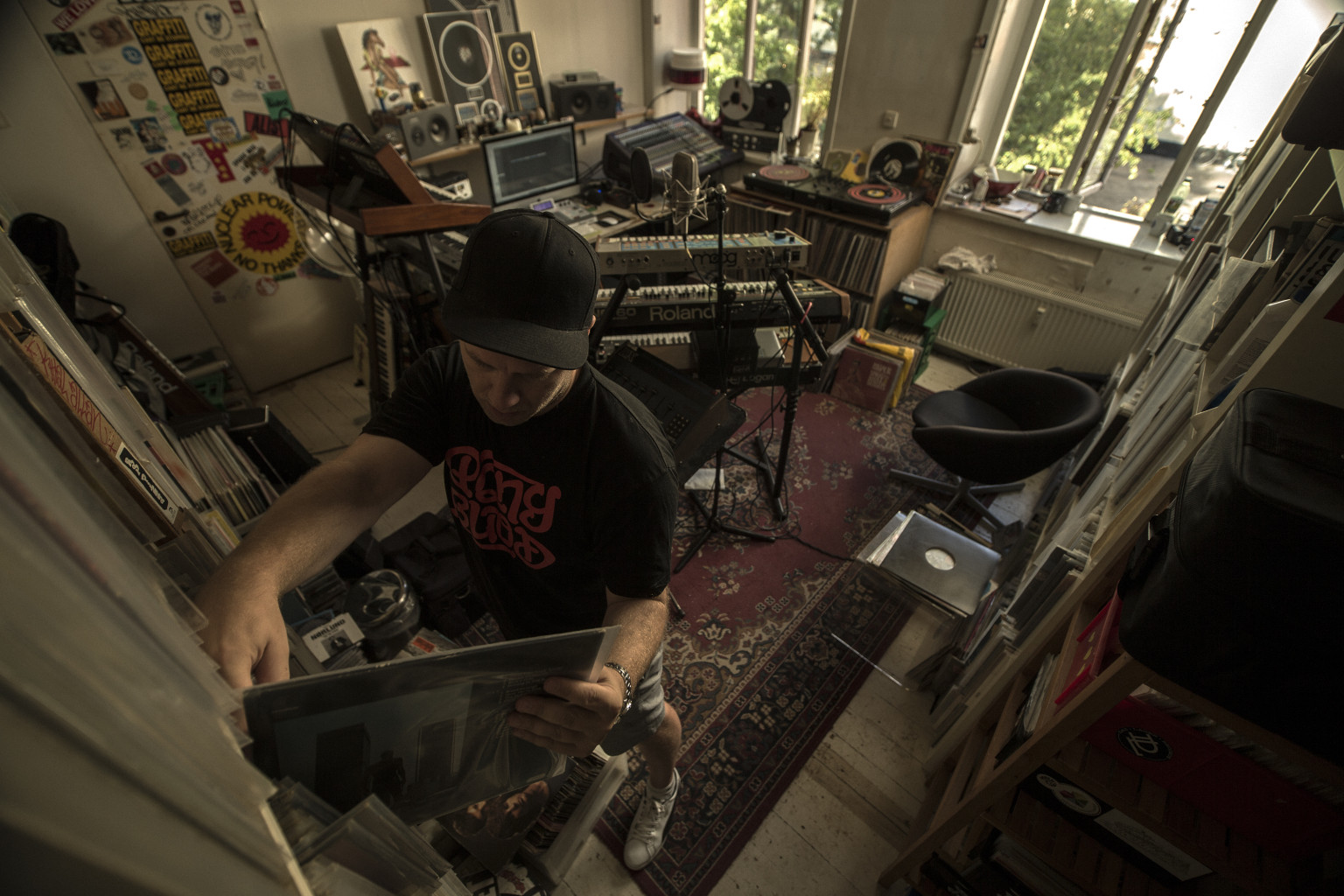
»Music for me is my hobby, my job, my outlet, my mood, an endless source of discovering new music and new, old music, some of the best and can be some of the worst. And I love it!«
Track72 aka Tue Track aka Anders Lundby Brixen. Producer, DJ, rapper and more. Known for his role in the trio Malk De Koijn, which since the mid-1990s has created a personal universe in Danish hip-hop. Has performed in Ponyblod, Xtra Naan, Track Abdullah Rock, Booty Cologne and others.