in brief
14.03.2023

Uden filter i Tallinn

Kaupo Kruusiauk: »Machina Faust«
© PR
© PR

Fra filmens begyndelse kastes vi ind i øvelokalet. Den kompromisløse musiker, bandlederen – eller »chefen« som saxofonist Maria Faust selv kalder sig – har taget sit danske band med til Estland, hvor hun blev født, for at indspille albummet Organ i St. Nicholas' kirke i Tallinn. Udover at være en hyldest til orgelet, der er gennemgående på pladen, ser man Faust forklare bandet, at det også skal ses som en hyldest til det kvindelige organ: livmoderen. Hun slår ud med armene, da hun siger det og ler let for at tage brodden af den blodige alvor, hun præsenterer midt i dette mandefællesskab. For Faust har humor, og gennem hele filmen fremstår hun både uhøjtidelig, karismatisk og stærk, men snart finder vi ud af, at vi faktisk følger kunstneren midt i en form for livskrise. 


Titlen på filmen, Machina Faust, er udover at være en reference til hendes album fra 2018, sigende for det menneske, den portrætterer – en skaberkraft med et overlevelsesinstinkt uden lige. På den ene side ruller hendes karriere endelig ud over stepperne, hvilket et helt bord fyldt af prisstatuetter vidner om. På den anden side sørger hun over at have fået konstateret, at hun ikke kan få børn, mens hendes ægteskab er i vanskeligheder. Faust er dog vant til at kunne arbejde sig ud af det meste: »Any kind of pressure from someone, makes me do the opposite,« siger hun. Men konfronteret med sin egen fortid som offer for et seksuelt overgreb, både i hendes helt nære relation, og i suiten, hun er ved at skrive om vold mod kvinder, Mass of Mary, oplever vi også hendes skrøbelighed. 


Machina Faust fremstår som et ærligt og alsidigt portræt af en kvinde og kunstner, der gennemlever mange af livets paradokser. Politiske spørgsmål antydes, men filmen er hverken for privat, dømmende eller moraliserende. En vigtig og interessant dokumentarfilm, som giver lyst til selv at skabe.

© PR
© PR

It was officially confirmed only recently that Icelandic avant-garde star Björk is visiting Bielsko-Biała today. After keeping it under wraps until the last moment, the organizers of the Wędrujący Festiwal (Wandering Festival) have revealed that Björk is the artist closing out the festival's grand finale.

© Kåre Viemose

»Recently, I discovered that when a couple of thousand people clap their thick gloves in minus 30 degrees, it sounds like the softest techno – a freezing space where the cold air turns into a wave of warmth, and we, in a moment of collective devotion, become one with the rhythm, one with the invisible bond that connects us in the warmth of silence. Music is not just sounds, but a vain attempt to capture the infinite, which has always been and always will be.«

Andreo Michaelo Mielczarek has been the editor-in-chief of Seismograf since 2021. He is also a music critic and cultural journalist at Kristeligt Dagblad and Århus Stiftstidende/Avisen Danmark and has over the years written to publications such as Kunsten.nu, Glissando (Poland), Neural (Italy), Raw Vision (UK), Nutida Musik (Sweden), Kunstkritikk (DK/Sweden), Iscene.dk, B.T., and Jazz Special. He is the author (together with Lars Muhl) of the book HVA' SAA! En guidet rutsjebanetur gennem Aarhus – før, nu og i fremtiden (2024) and has also contributed to the anthology on music criticism Man skal høre meget (ed. Thomas Michelsen and Claus Røllum-Larsen, 2024). He is a founder and partner in the Polish-Danish cultural organization Kultur(a), and wherever there is a piano, he will be there, eager to coax a melody from it.
© Aria Leth Schütze

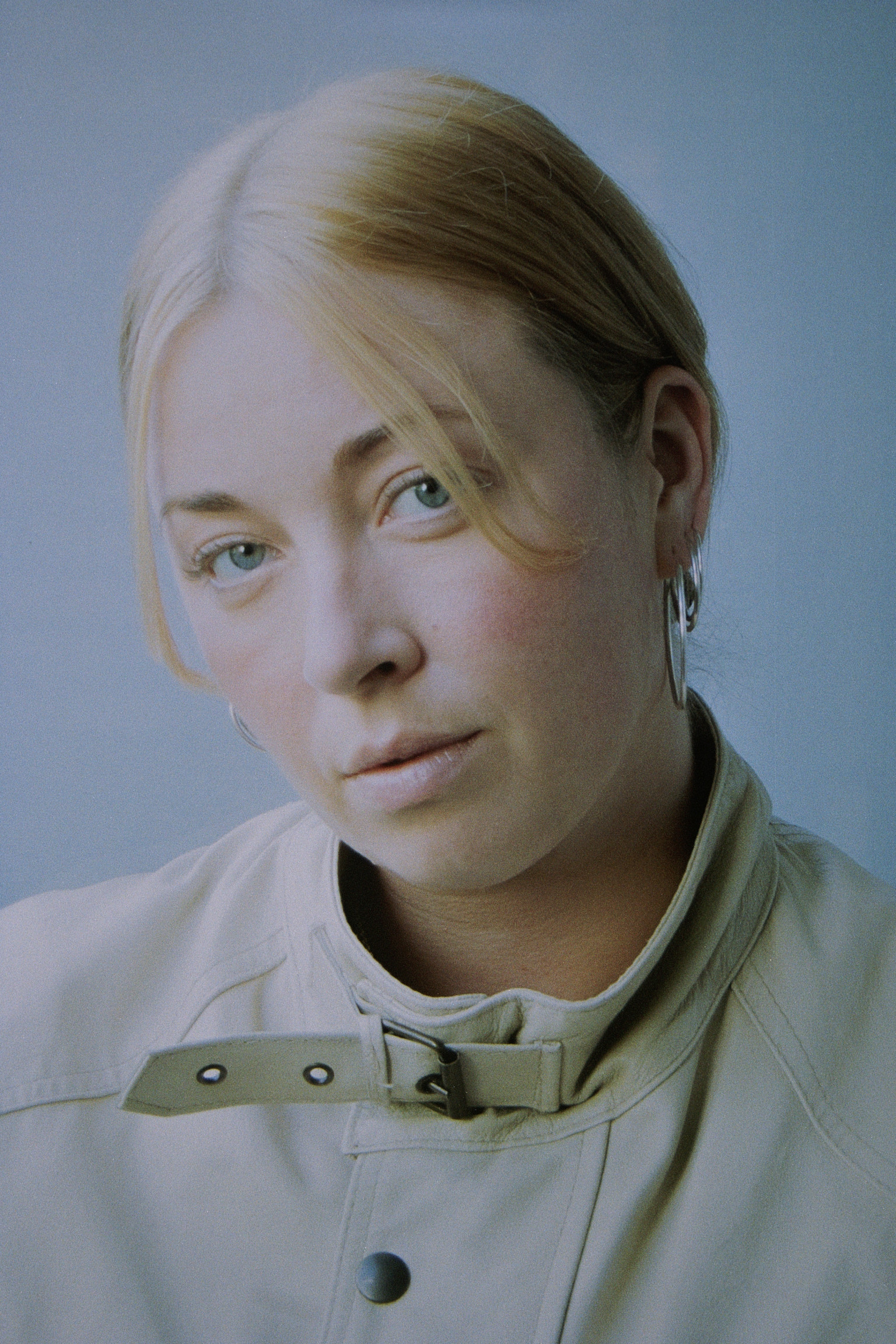
»For me, music is an opportunity for transformation.«

Aria Leth Schütze is based in Copenhagen and is the creative force behind the music projects Alto Aria and Samler På Dig. They are a co-founder of the record label Rhizome and a co-editor of the music magazine Passive/Aggressive. Their practice brings together electronic and acoustic music in an exploration of transformation.
 

© PR

»For me, music is the art form that – if measured in hours and minutes – occupies by far the greatest part of my life. I cannot sing, nor can I play an instrument, but I can listen – as a happy amateur – while cycling, on the dance floor, and, above all, at the office. I almost always work – that is, write – to music.« 

Mikkel Krause Frantzen (b. 1983) is an associate professor at the Department of Arts and Cultural Studies, a literary critic for Politiken, and the author of several books in English and Danish, such as En fremtid uden Fremtid (2018), Klodens Fald (2021), and Slutspil (2024).

© Mads Nissen
»Music is what gets my gears turning. It sets both my body and mind in motion – and on a good day, even gets them up to speed. My listening habits are entirely shaped by my mood... and by the musical tastes of my two children, which shift every eight minutes... so the home stereo gets exposed to a bit of everything. In a way, that’s exactly how it should be. Room for everything and everyone.«
 
David Dyrholm (b. 1990) is a food and music critic for Politiken, focusing on jazz – ranging from the traditional to the modern—and avant-garde music. Alongside this, he has worked for the Modern Jazz Days festival, served on the jury for the DMA Jazz awards, and previously released a number of records with the hip-hop collective DoktorDoktor.