In brief
22.05.2023

Beruset af storbyen

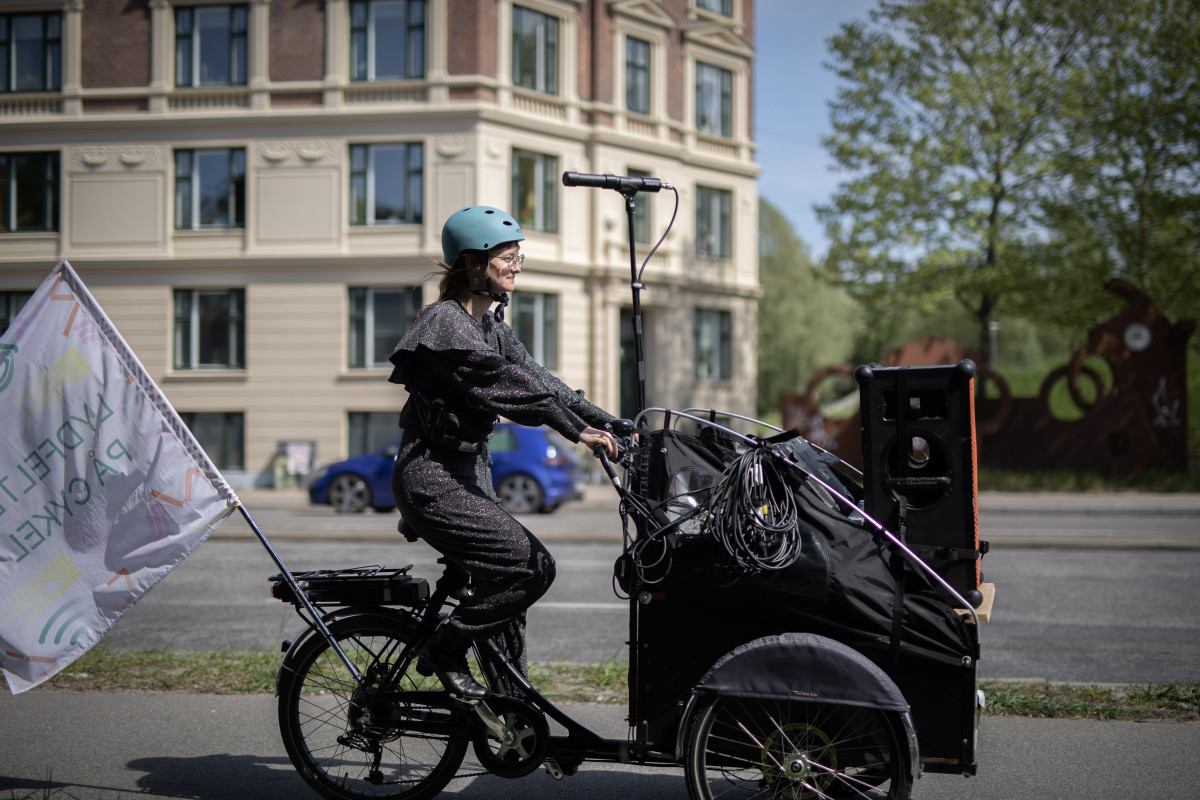
XYZ Sound Collective & KU.BE: »Lydfelter på cykel – en lydrejse gennem Frederiksberg«
© PR
© PR

Lydkollektivet XYZ Sound Collective og kulturhuset KU.BE inviterede på en musikalsk cykeltur på Frederiksberg med intet mindre end fem koncerter. Vi kom vidt omkring – ikke kun fysisk. 

Lydkunstneren Julie Østengaard bød på trafikal musique concrète under Bispeengsbuen, mens Lola Ajima hypnotiserede med engleagtige vokalloops, fuglesang og græsslåmaskine i Landbohøjskolens have. Performancekunstnerne Absurdum Temporary Art bød et absurd-komisk retssalsdrama tilsat techno og pantomime foran retsbygningen på Skyggens plads, og musikerne Ingvild Skandsen og Arash Pandi tegnede en arabesk af små cirkulære melodier med pibeorgel og persisk daf i Frederiksberg Hospitalskirke. Under en gylden aftensol afsluttede lydkunstnerne LuN/A og Tanja Schlander turen med en nærmest ASMR-lignende forstørrelse af de mikroskopiske lyde, der gemmer sig i alt fra en spand vand til en bunke spillekort til træernes grene på en bakketop bag KU.BE. 

Særligt begejstret var jeg for Julie Østengaards koncert, der på støjende og storslået vis gjorde Bispeengsbuen til en brutal, stærkt trafikeret, sekssporet katedral, og som fremstod som en kærkommen kærlighedserklæring til en berusende storbyfølelse, der nok er på vej væk: I 2027 begynder nedrivningen af Bispeengsbuen; bilerne, larmen, forureningen og kaosset skal ud af byen; beton og asfalt skal erstattes af lysegrønne områder, og idealet er en kompulsivt behagelig forstadsidyl. Man kan jo ikke stritte imod udviklingen, men Østengaards koncert var en destilleret påmindelse om den energi, den sanselighed og den skønhed, der er til stede i alle de ting, vi ihærdigt forsøger at rense byen for. 

In brieflive
24.05

The Electronic Altar

 Fascia, Soli City, Nagaver
© PR
© PR

The table is a practical prop at most electronic music concerts. It has almost become a symbol of how electronic music is denied the same expressive, physical gestural language as acoustic music. This rigid symbolism was thankfully broken when the concert network Up Node hosted a showcase evening at Alice, featuring three emerging experimental electronic artists from Norway, Sweden, and Denmark.

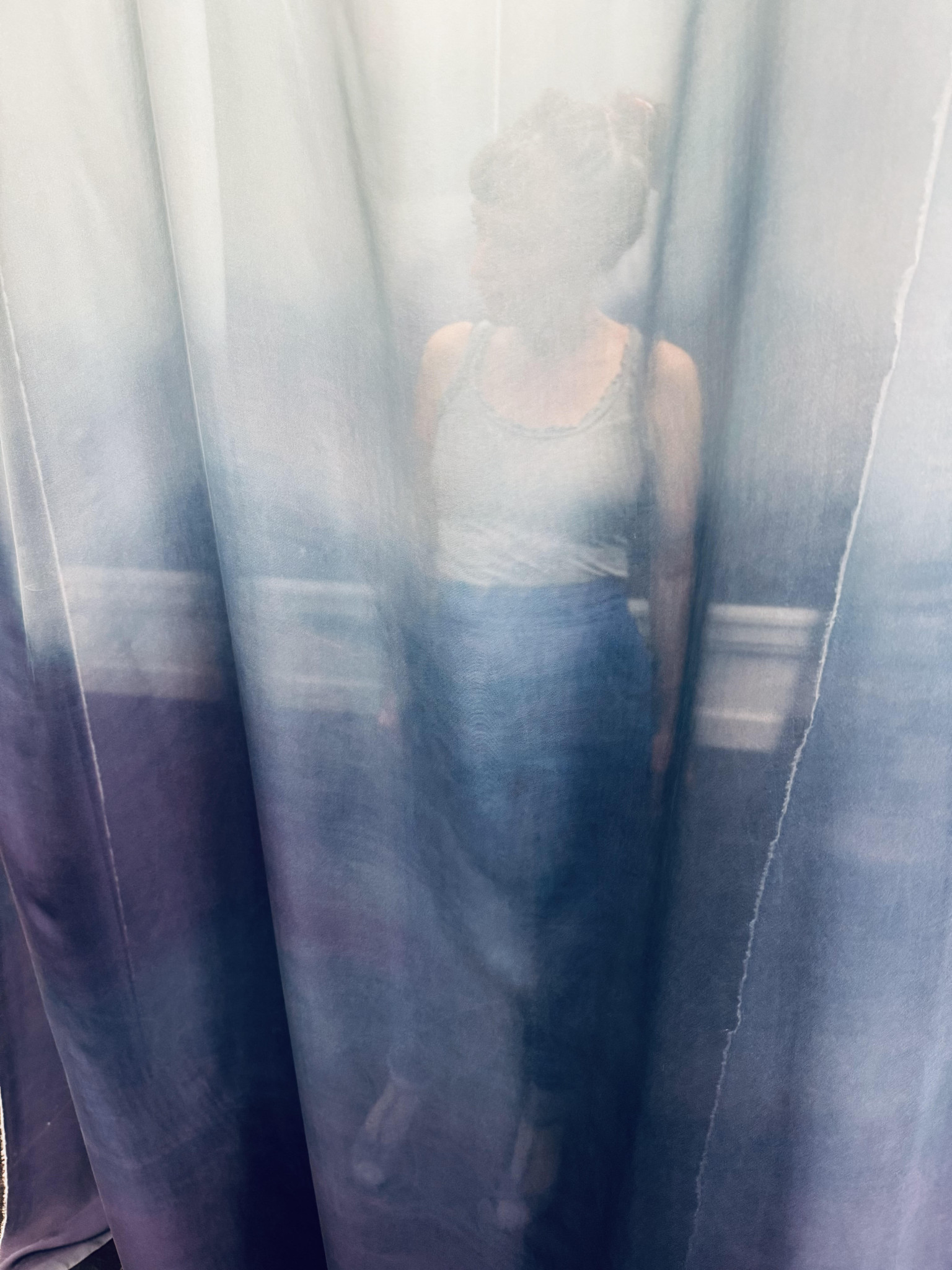
The MacBook stood enthroned like an altar as Swedish artist Fascia opened the evening, holding a blinking flashlight above her head – each flash triggering brutal bursts of noise. When she placed a webcam in her mouth and projected the table’s mysterious objects onto the screen behind her, the boundary between stage and audience dissolved through simple yet cunning technology.

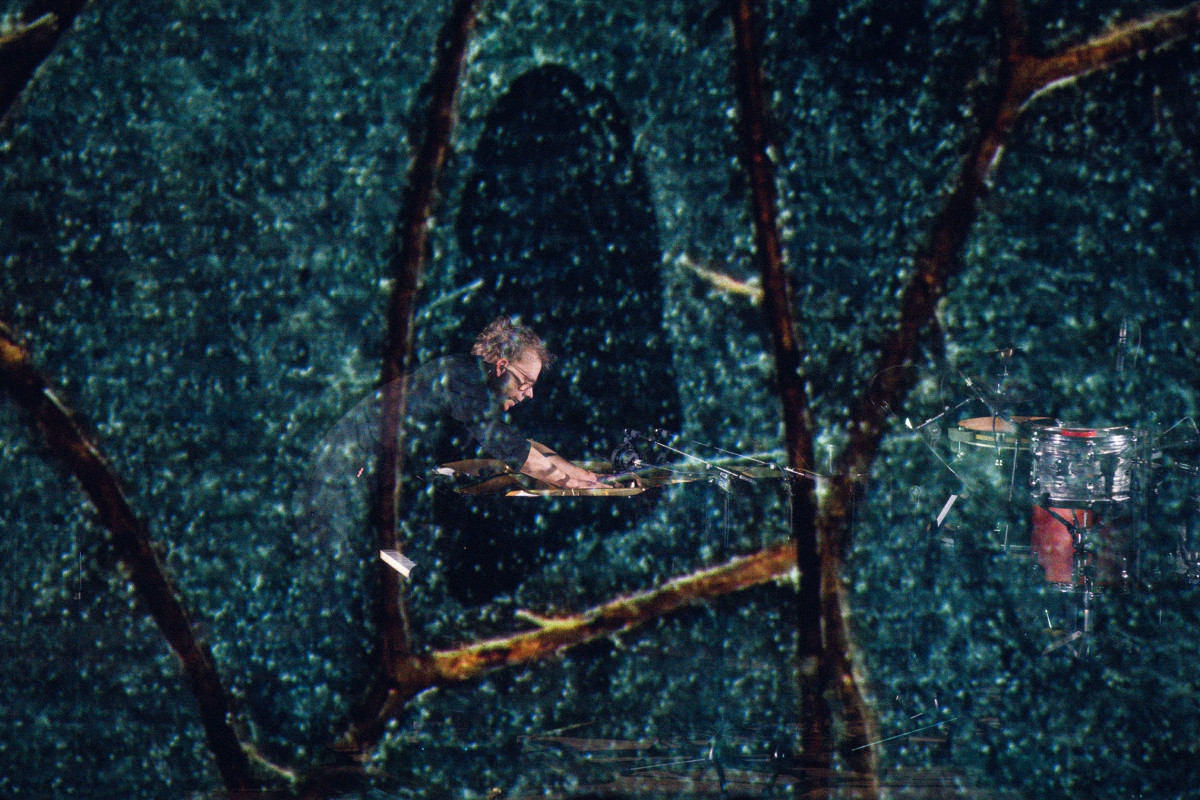
Next to his MIDI keyboard, Danish artist Soli City had his trademark moving-head lamp. Like a robotic head, the lamp lit up and rotated in sync with epic crescendos and computerized voices. Soli City’s music is built around field recordings and classical instrumentation – strings and piano – forming a universe that exposes the tension between human and technology. The animated lamp and dramatic light show took centre stage, while composer Harald Bjørn stood like a hidden puppeteer, gently guiding the futuristic narrative forward.

The table in front of Norwegian artist Nagaver had been laid flat on the stage floor, forming a low wall. Behind it knelt Ilavenil Vasuky Jayapalan, who unleashed hard-hitting, dark rhythms from a DJ mixer, enveloping Alice in a transcendent haze. The concert evolved from driving trance into a kind of karaoke performance, with Jayapalan singing over dusty tracks—and unfortunately the music felt more like a run-through than a fully realized concert.

Behind the table lie untapped potentials for auditory innovation, but practical constraints often limit performative expression. The concerts by Fascia and Soli City succeeded in breaking the boundary between mere execution and true performance, reminding us that not all music needs to be presented with the same gestures – and that sometimes all it takes is a webcam and a laser lamp to make that clear.

In briefrelease
21.05

Emergent Music

Lauri Supponen: »Dwell«
© Tuomas Tenkanen
© Tuomas Tenkanen

As an abstract micro manifesto Lauri Supponen describes his interest in »music that inhabits a second space and lingers there«, an invitation for us to dwell in the moment and discover music in its quiet emergence. 

»Gaz aux étages«, the first composition on Supponen’s breathtaking album, seems to test this idea as it unfolds with whispered bow strokes devoid of pitch. It is as if the piece itself is an entity wondering if it will prove to be music as it tentatively investigates its own constituent components. A subtle opening to an album that answers this question with clarity in its eponymous second work »Dwell« (tracks 2–5), exploring a fascinating microtonal realm. In virtuoso performances of astonishing accuracy, guitarist Petri Kumela and vocalist Tuuli Lindeberg bring Supponen’s demanding four-movement duo to life. The guitar writing in Dwell recalls Norwegian composer Martin Rane Bauck’s Fretted with Golden Fire with its drone-like microtonal strumming – a connection substantiated by the album notes, which reveal both composers know each other and have collaborated with bass clarinetist Madison Greenstone. 

The dwelling-space Supponen offers in »Eau & gaz à tous les étages« and »Opus Nen«, return the listener to a more remote sonic space, reminiscent of the album’s opening albeit with tighter compositional sense. Performed with intensity by Madison Greenstone and baritone saxophonist Sikri Lehko, they consolidate the pervasive feeling that Dwell is a uniquely inspired collaboration.

© PR

»Every moment is nothing but the uttermost end of the past. Music makes this edge wide and beautiful.«

Sven Helbig is a German composer and producer known for combining orchestral and choral music with electronic elements and a strong poetic sensibility. A self-taught musician raised in Eisenhüttenstadt, he released his debut album Pocket Symphonies on Deutsche Grammophon to critical acclaim for its emotional depth and formal precision. Helbig has collaborated with ensembles such as the BBC Singers, Fauré Quartett, and Staatskapelle Dresden, as well as with artists like Rammstein and the Pet Shop Boys. He just released REQUIEM A on Deutsche Grammophon. It is a deeply personal and reflective composition, intertwining classical Latin liturgical texts with new ones written by Helbig himself. The work revolves around themes of loss, memory, and the possibility of renewal – with the »A« in the title symbolizing Anfang (beginning) and the belief in a new start after devastation.

© Kåre Viemose

»Recently, I discovered that when a couple of thousand people clap their thick gloves in minus 30 degrees, it sounds like the softest techno – a freezing space where the cold air turns into a wave of warmth, and we, in a moment of collective devotion, become one with the rhythm, one with the invisible bond that connects us in the warmth of silence. Music is not just sounds, but a vain attempt to capture the infinite, which has always been and always will be.«

Andreo Michaelo Mielczarek has been the editor-in-chief of Seismograf since 2021. He is also a music critic and cultural journalist at Kristeligt Dagblad and Århus Stiftstidende/Avisen Danmark and has over the years written to publications such as Kunsten.nu, Glissando (Poland), Neural (Italy), Raw Vision (UK), Nutida Musik (Sweden), Kunstkritikk (DK/Sweden), Iscene.dk, B.T., and Jazz Special. He is the author (together with Lars Muhl) of the book HVA' SAA! En guidet rutsjebanetur gennem Aarhus – før, nu og i fremtiden (2024) and has also contributed to the anthology on music criticism Man skal høre meget (ed. Thomas Michelsen and Claus Røllum-Larsen, 2024). He is a founder and partner in the Polish-Danish cultural organization Kultur(a), and wherever there is a piano, he will be there, eager to coax a melody from it.