in brief
09.07.2023

Konteksten drukner i klang-jazzercise 

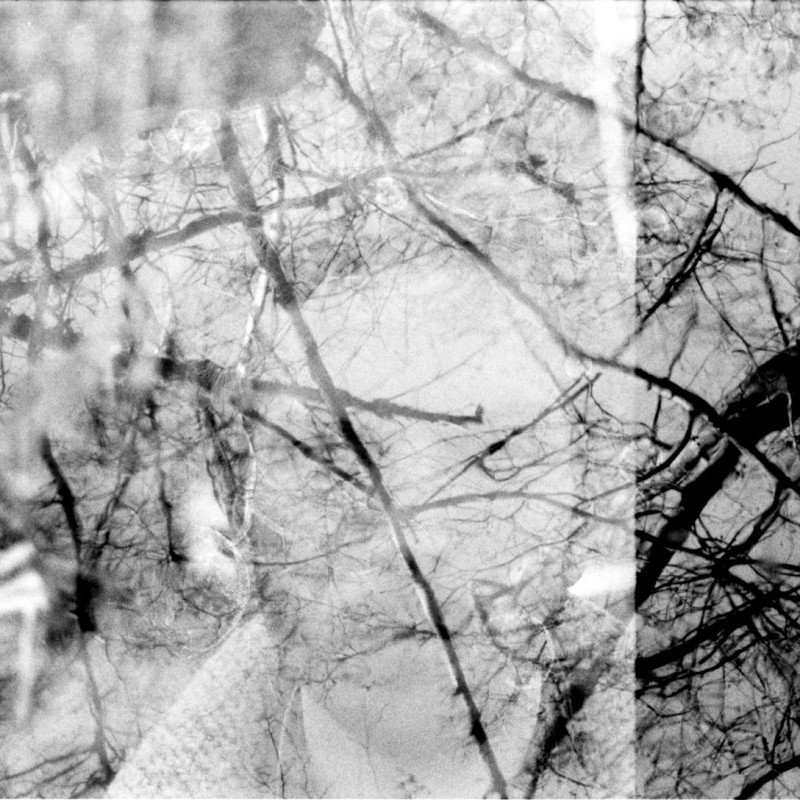
Matt Choboter: »Postcards of Nostalgia«
© PR
© PR

Hvorfor pressematerialet til Matt Choboters album Postcards of Nostalgia dvæler så meget ved begrebet jazz, er mig en gåde, selvom Choboter til tider rammer samme toner som Keith Jarrett, når han undersøger genrens ydre rammer. De toner, den København-baserede canadier rammer, er nærmere i familie med kontekstualiseret ambient, klangkunst og især hele skolen omkring John Cages ideer om prepared piano og konkret musik. Tilsæt et skvæt balinesisk gamelan-musik, og det kan knipses jazzet sammen.

Med lovningen på ti værker skabt på baggrund af radikalt nye tuninger og magnetiske manipulationer af klaveret, kunne man forvente helt unikke toner. Og når det er bedst, blandes klaverets maniske gungren med dundrende dommedagsgamelan, susende sinus-toner og hvid støj. Når det er værst, byder Choboter på ligegyldige præparerede stykker, der lyder som hvilken som helst anden rytmekonsstuderende, der spytter tyggegummi ind mellem tangenterne. 

Trumfen er »Fontes-des-gaumes« – grænserne mellem manipulationer, syntese og feltoptagelser er total, og jeg kommer i tvivl om, hvad er virkelighed, og hvad er Choboter. Omvendt lyder næste nummer, »Eleusian Mystery«, hvis titel er lige så generisk som tonerne, som et forsøg på at lave et artsy soundtrack til en dårlig B-film, der moonlighter som psykologisk horror. Ikke synderligt nyt, og man glemmer hurtigt konteksten.

Netop konteksten kan være svær at få en fornemmelse af, når Choboter banker på klaverets karosseri. Postcards of Nostalgia tårner sig aldrig op fra de andre tusindvis at prepared piano-værker, og netop den ærgerlige duft af anonymitet forhindrer lytteren i at relatere og genfortolke værkerne i en tænkt kontekst. En evne som god klangkunst skal have. Det opnår Choboter kun i momenter, og det er måske det, der gør værket jazzet?  

© PR

»To us, music is a primal, elemental force that allows us to shed our inhibitions.«

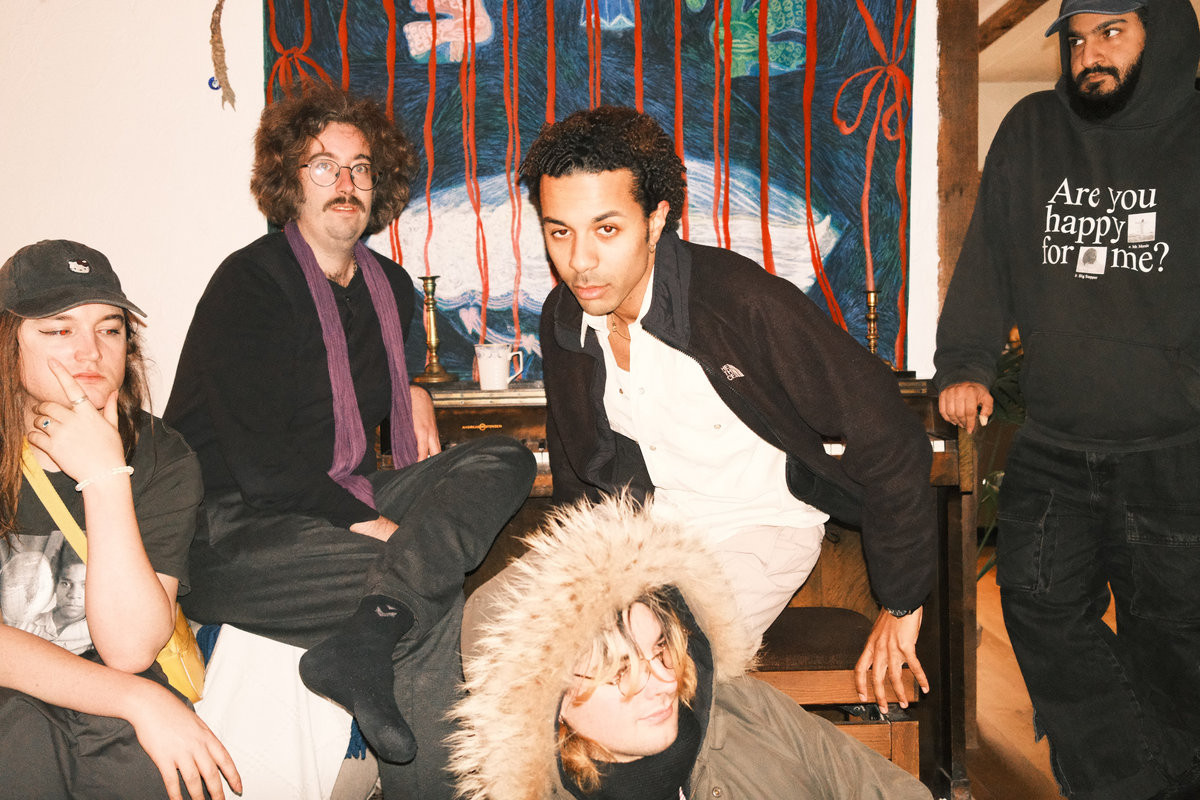
Leizure is a Copenhagen-based quintet operating at the intersection of post-punk, no wave, and experimental rock. The band’s sound is characterized by atonal vocals, piercing saxophone, hypnotic guitar riffs, and a rhythmic foundation that oscillates between tight precision and raw intensity. 

The band’s upcoming album, The Guillotine, explores themes such as societal decay, upheaval, and the challenging of established structures – all conveyed through a direct and high-energy musical style.

© Robin Skjoldborg
© Robin Skjoldborg

Danish musician, author, and artist Martin Hall has died at the age of 63. According to his family, he passed away from a heart attack at his home in Frederiksberg on Tuesday, 21 July.

Since the early 1980s, Hall left an indelible mark on Danish music and cultural life – first with Ballet Mécanique and Under For, and later through an extensive solo career that moved effortlessly between experimental music, electronic pop, poetry, performance, and literature. He leaves behind one of the most substantial discographies and bibliographies in Danish cultural history.

© Kåre Viemose
© Kåre Viemose

Seismograf is heading off on summer break to check out the ocean's deep vibrations.  🌊🤿  See you in August. Have a great summer!

in brieflive
15.07

Noise in the White Cube

Aros: »Unruly – the Body in Punk«
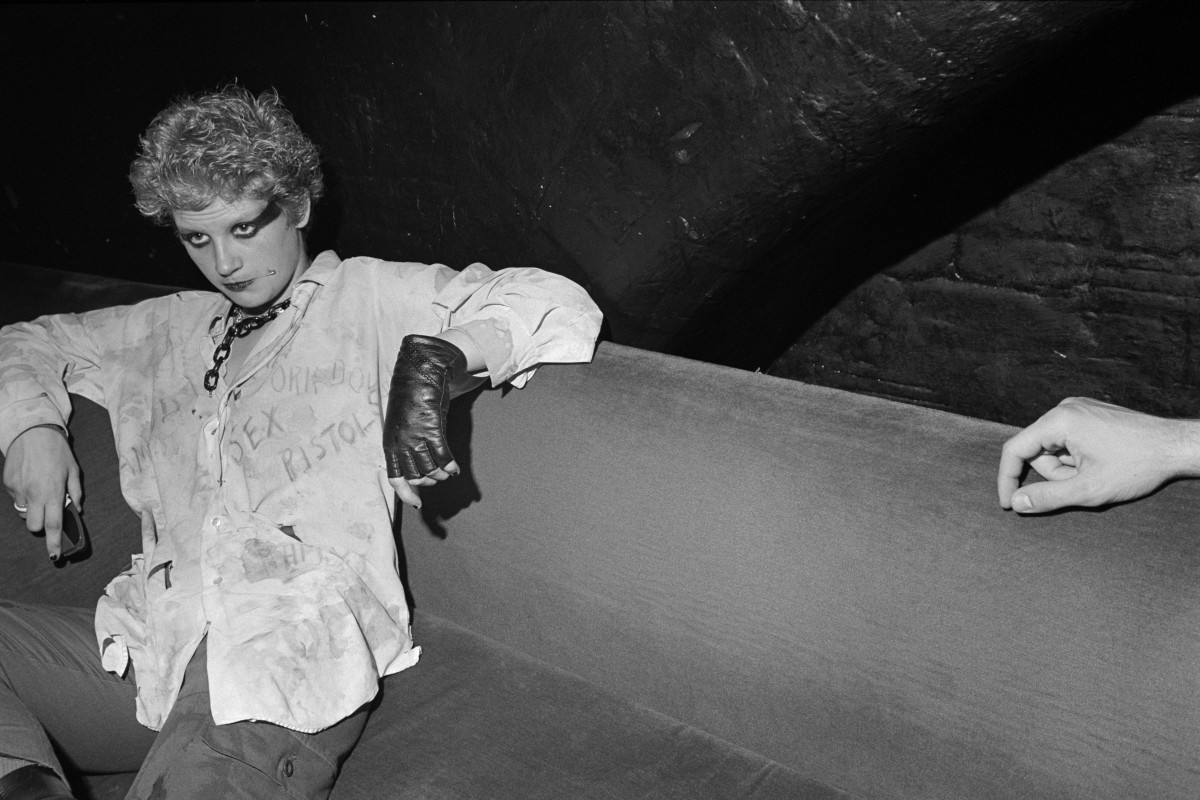
© Karen Knorr & Olivier Richon, Vortex 6 from the Punks series, 1976 - 1977, gelatin silver print on paper,18,7 x 28,2 cm, Tate. Courtesy of the artists.

The first thing that hits you at Aros' Unruly – the Body in Punk isn't dog collars, leather jackets or fishnet stockings. It's the sound. It rumbles through the galleries. After all, what is punk doing in a museum? Punk was never made for museums. It's dirty, loud and ephemeral. It thrives on amateurism, mistakes and resistance. One might fear that the white cube would turn three-chord fury into cultural history and noise into background music. Curator Marie Arleth Skov has created an exhibition in which sound doesn't merely illustrate history – it propels it. Raw guitars, piercing saxophones, flickering Super 8 films and concert footage merge into a rush of noise, images and bodies.

Unruly is not a comprehensive history of punk but a sharply focused snapshot of a culture in which sound and the body were inseparable. Punk's godmothers appear alongside Danish bands such as Lost Kids, Pussy Punk and Sods in previously unseen footage from a legendary punk happening in Copenhagen. A leather drum kit by Käthe Kruse of Die Tödliche Doris stands as a sculpture bearing the dry title In Leder, while Cornelia Schleime's video reveals the vulnerability and poetry that also inhabited punk rebellion. The contrast with Erik Satie's stripped-back piano music is exquisite. Walking through the exhibition feels like stepping inside a three-dimensional fanzine. Everywhere, it celebrates misfits and those who never asked for permission. Leopard-print cushions, raw materials and tactile installations make you feel as if you could almost touch punk itself.

In art museums, sound is often reduced to atmosphere. Here, it becomes a material on equal footing with fabric, video and the body. Noise is treated as an artistic method rather than a soundtrack. Fifty-year-old noise still sounds astonishingly contemporary as it resonates with the exhibition's newer works. You feel it vibrating through your body. Instead of muting the world, the museum becomes an amplifier.

Can rebellion survive inside a museum? Unruly shows that punk's energy does not necessarily disappear when it enters an institution. Only two things are missing: the chance to experience the exhibition at four o'clock in the morning – and a lavish catalogue bound in latex.

English translation: Andreo Michaelo Mielczarek

© PR

»For us, music is the companion that stays with you through life’s highs, lows, benders, and shitty times. There isn’t a single emotion for which we don’t each have an internal soundtrack. It’s a wonderful, universal thing that music triggers moods and reinforces feelings.«

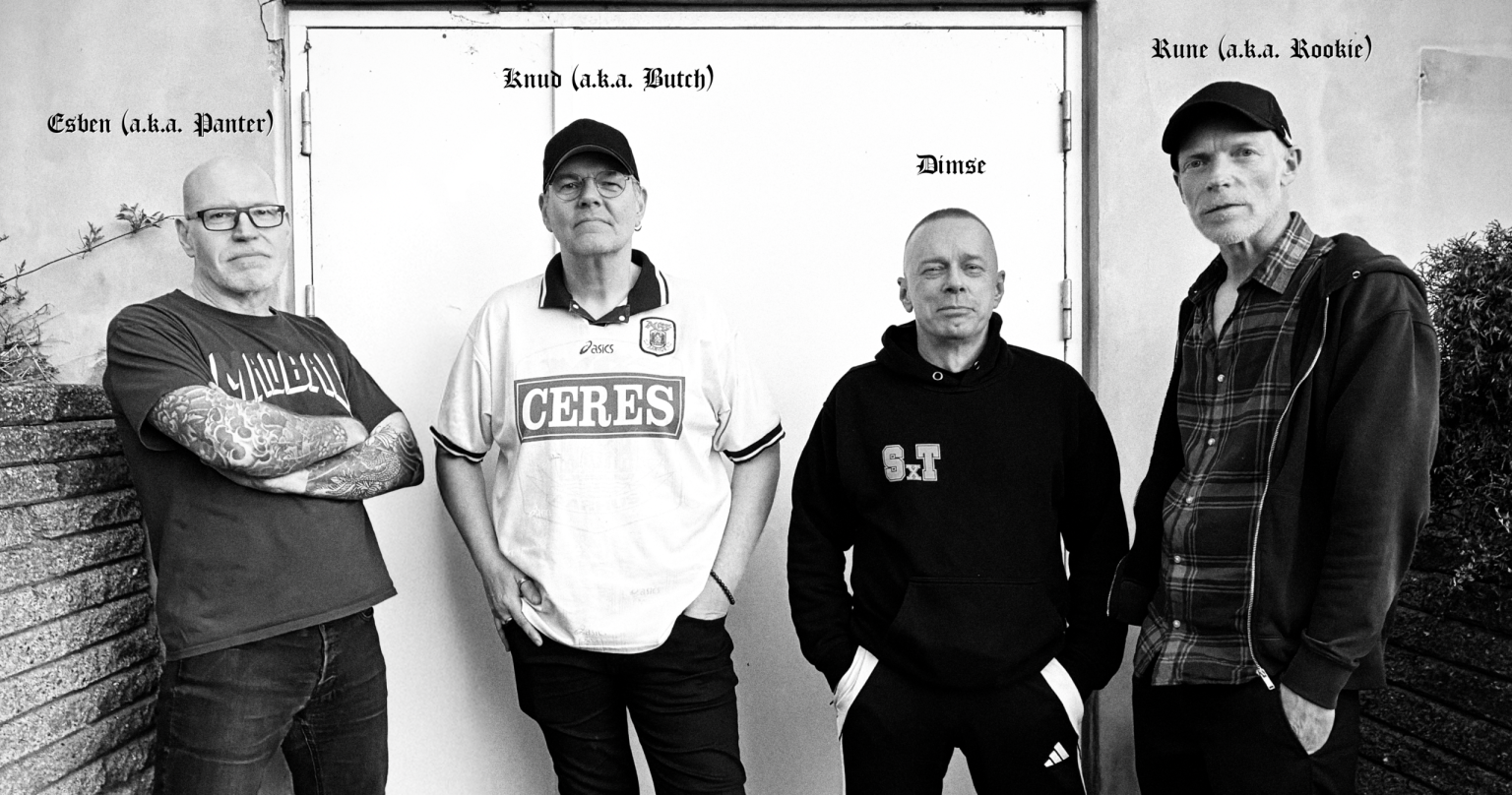
Barcode played a couple of hundred shows across Europe in the 90s and 2000s – touring with acts like Madball, Agnostic Front, and Hatebreed – and released five full-length albums. The Aarhus-based band will play its first concert in 18 years as the headliner at the Support Our Scene festival in Fredericia this August.