


© PR

»Music for me at the moment is a heaven for non-believers.«

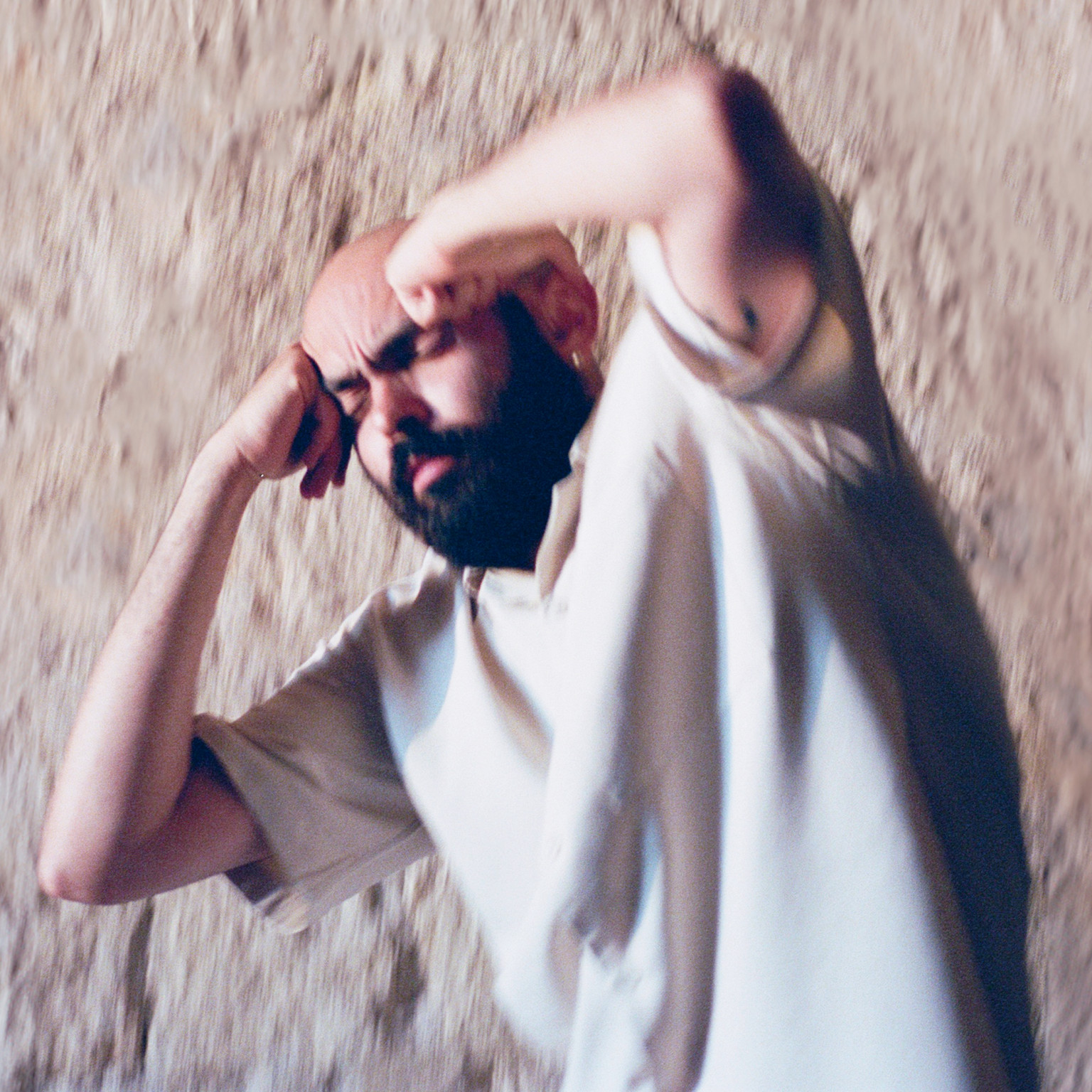
Abdullah Miniawy (born 1994) is an Egyptian expressionist, a writer, singer, composer, and actor. Over the years, he has shared the stage with acclaimed artists such as Erik Truffaz, Kamilya Jubran, Yom, Médéric Collignon, Aly Talibab, A Filetta, Hvad, Ziur, Simo Cell, and many others. Miniawy's performances have graced prestigious international stages and venues, including the Festival d’Avignon edition 72, French national theaters, Institute of Contemporary Arts London, Haus Der Kunst museum in Munich, Mao Asian Museum in Turin, even the Louvre in Paris.


In addition to his music career, Abdullah proved his natural acting talent in Alaadine Slim's Tlamess, a Tunisian feature film featured at the Directors' Fortnight at the Cannes Film Festival in 2019. Miniawy was also recognized with a nomination and shortlisting for the Best Actor Award from the Arab Cinema Center at Cannes.


As a composer, Miniawy has created different soundtracks for dance shows, theater productions, and exhibitions, including notable works like Cabaret Crusade III by Wael Shawki premiered at Moma PS1, AMDUAT by Kirsten Dehlholm premiered at Hotel Pro Forma, and Insurrection by Jilani Saadi.


Abdullah Miniawy's influence extends beyond the arts; he was selected by the European Parliament in Strasbourg as one of three change makers from the Schengen area to offer a French-Egyptian artist's perspective on pressing contemporary challenges at the European Youth Event 2021 in the Live Fully section. He also participated in Europe Takes Part, a gathering of 30 diverse speakers discussing new economic models and digital solutions for artists in a post-pandemic world.


Since 2016, Miniawy has collaborated with the German trio Carl Gari, blending avant-garde electronic soundscapes with poetic lyrics. Their debut album, Darraje, was recognized as one of the top 50 albums of 2016 by the American NPR. Their recent release, The Act of Falling from the 8th Floor, garnered attention from Pitchfork, The Quietus, and Wire Magazine, with Zawaj ranking at the top of Resident Advisor's list of Deep Listening tracks in 2019.


Most recently, Abdullah's album Le Cri Du Caire, featuring Erik Truffaz, won Les Victoires du Jazz 2023 award – the French equivalent of the Grammy Awards.  


As a writer, his lyrics have left a mark in the Middle East region, notably during the Arab Spring, where they were displayed in places like the Yarmouk camp in Syria.
© PR

»To us, music is a primal, elemental force that allows us to shed our inhibitions.«

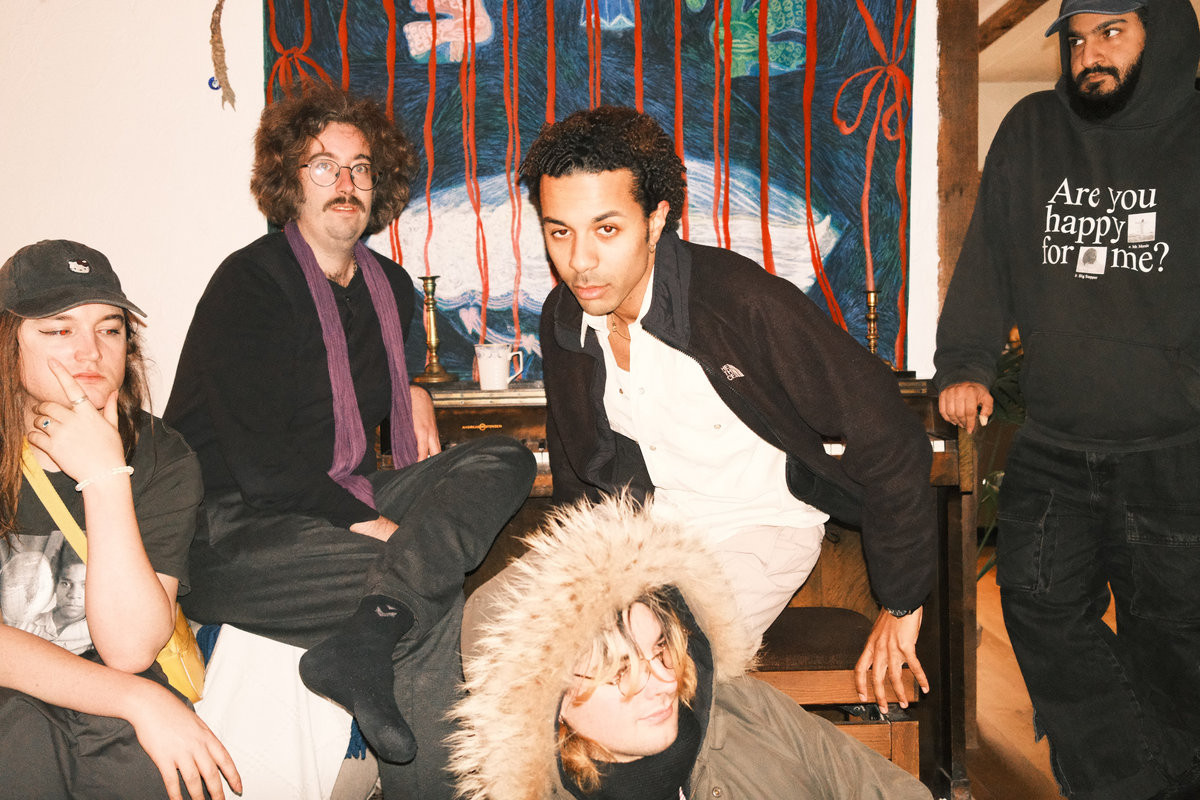
Leizure is a Copenhagen-based quintet operating at the intersection of post-punk, no wave, and experimental rock. The band’s sound is characterized by atonal vocals, piercing saxophone, hypnotic guitar riffs, and a rhythmic foundation that oscillates between tight precision and raw intensity. 

The band’s upcoming album, The Guillotine, explores themes such as societal decay, upheaval, and the challenging of established structures – all conveyed through a direct and high-energy musical style.

© Robin Skjoldborg
© Robin Skjoldborg

Danish musician, author, and artist Martin Hall has died at the age of 63. According to his family, he passed away from a heart attack at his home in Frederiksberg on Tuesday, 21 July.

Since the early 1980s, Hall left an indelible mark on Danish music and cultural life – first with Ballet Mécanique and Under For, and later through an extensive solo career that moved effortlessly between experimental music, electronic pop, poetry, performance, and literature. He leaves behind one of the most substantial discographies and bibliographies in Danish cultural history.

© Kåre Viemose
© Kåre Viemose

Seismograf is heading off on summer break to check out the ocean's deep vibrations.  🌊🤿  See you in August. Have a great summer!

in brieflive
15.07

Noise in the White Cube

Aros: »Unruly – the Body in Punk«
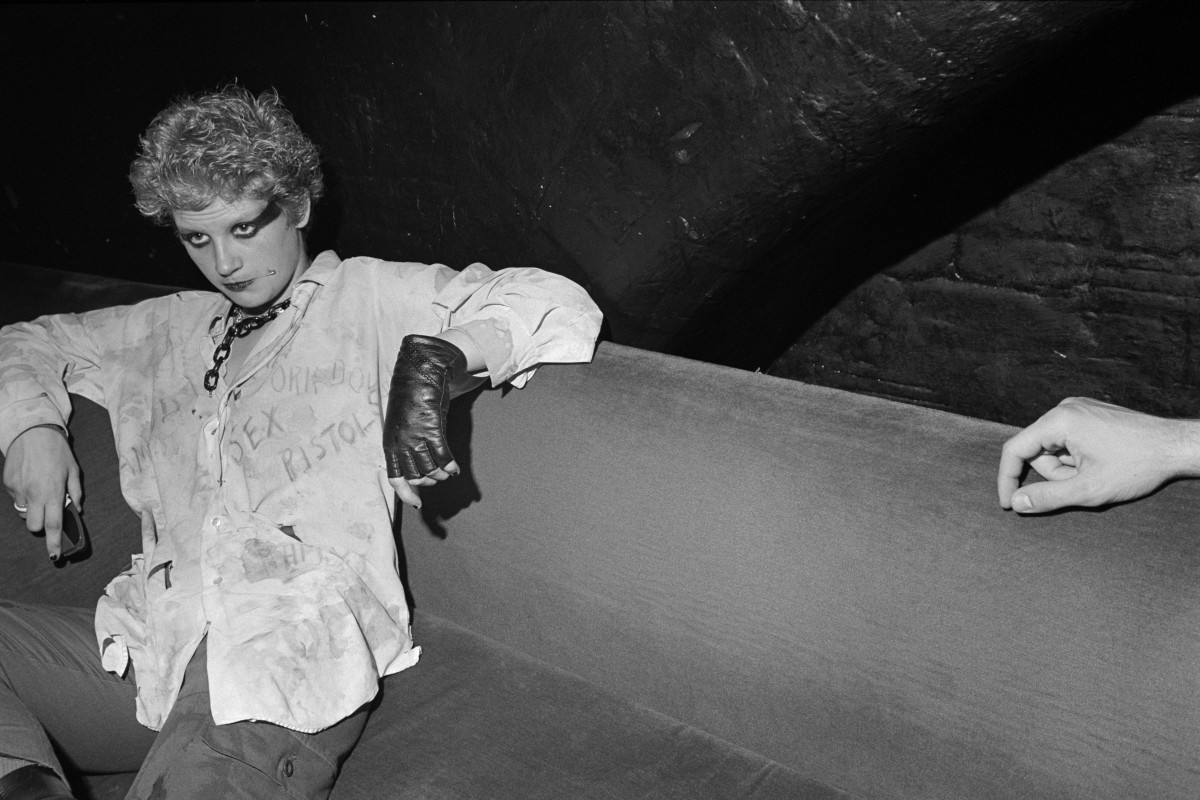
© Karen Knorr & Olivier Richon, Vortex 6 from the Punks series, 1976 - 1977, gelatin silver print on paper,18,7 x 28,2 cm, Tate. Courtesy of the artists.

The first thing that hits you at Aros' Unruly – the Body in Punk isn't dog collars, leather jackets or fishnet stockings. It's the sound. It rumbles through the galleries. After all, what is punk doing in a museum? Punk was never made for museums. It's dirty, loud and ephemeral. It thrives on amateurism, mistakes and resistance. One might fear that the white cube would turn three-chord fury into cultural history and noise into background music. Curator Marie Arleth Skov has created an exhibition in which sound doesn't merely illustrate history – it propels it. Raw guitars, piercing saxophones, flickering Super 8 films and concert footage merge into a rush of noise, images and bodies.

Unruly is not a comprehensive history of punk but a sharply focused snapshot of a culture in which sound and the body were inseparable. Punk's godmothers appear alongside Danish bands such as Lost Kids, Pussy Punk and Sods in previously unseen footage from a legendary punk happening in Copenhagen. A leather drum kit by Käthe Kruse of Die Tödliche Doris stands as a sculpture bearing the dry title In Leder, while Cornelia Schleime's video reveals the vulnerability and poetry that also inhabited punk rebellion. The contrast with Erik Satie's stripped-back piano music is exquisite. Walking through the exhibition feels like stepping inside a three-dimensional fanzine. Everywhere, it celebrates misfits and those who never asked for permission. Leopard-print cushions, raw materials and tactile installations make you feel as if you could almost touch punk itself.

In art museums, sound is often reduced to atmosphere. Here, it becomes a material on equal footing with fabric, video and the body. Noise is treated as an artistic method rather than a soundtrack. Fifty-year-old noise still sounds astonishingly contemporary as it resonates with the exhibition's newer works. You feel it vibrating through your body. Instead of muting the world, the museum becomes an amplifier.

Can rebellion survive inside a museum? Unruly shows that punk's energy does not necessarily disappear when it enters an institution. Only two things are missing: the chance to experience the exhibition at four o'clock in the morning – and a lavish catalogue bound in latex.

English translation: Andreo Michaelo Mielczarek

© PR

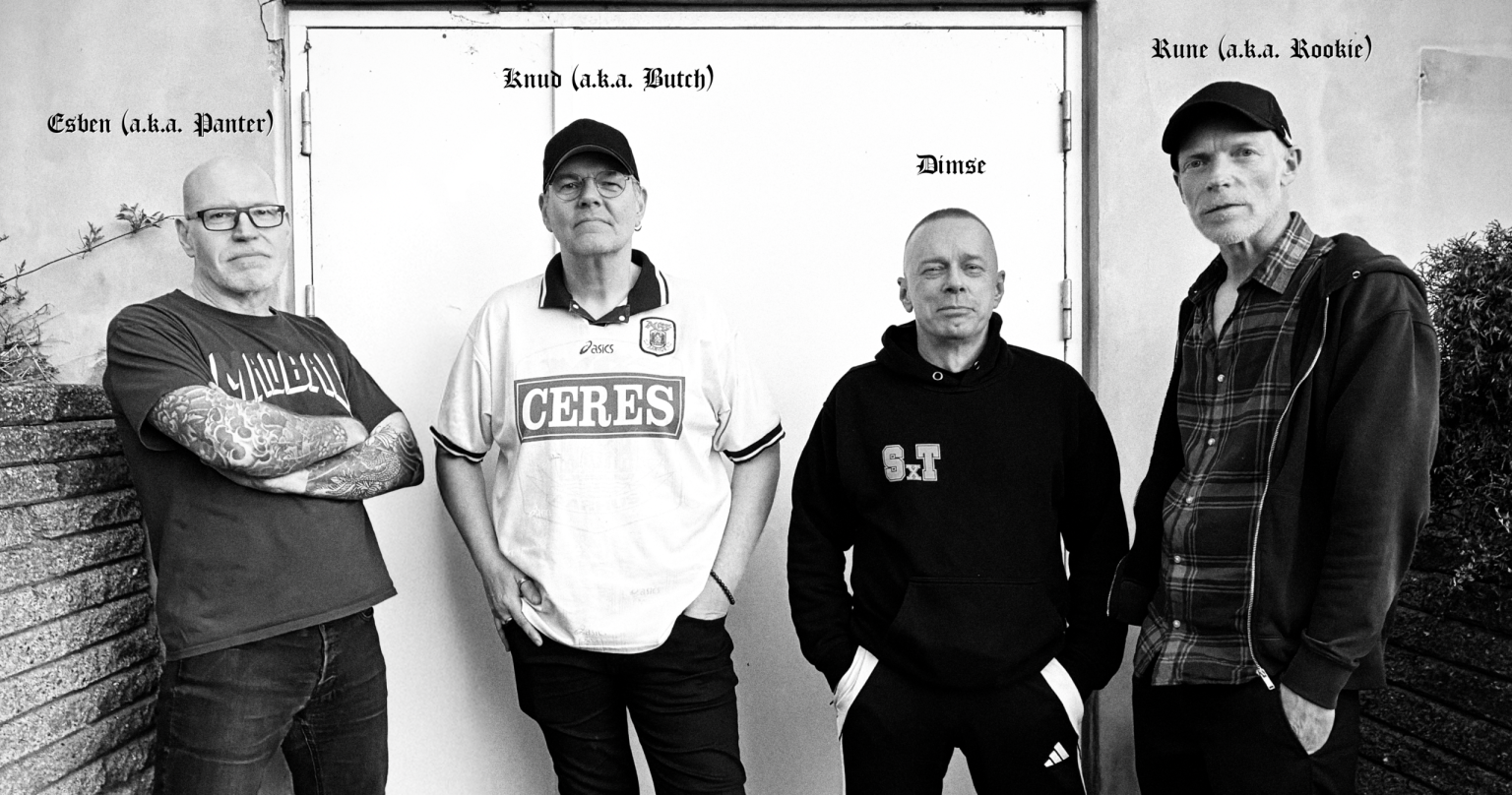
»For us, music is the companion that stays with you through life’s highs, lows, benders, and shitty times. There isn’t a single emotion for which we don’t each have an internal soundtrack. It’s a wonderful, universal thing that music triggers moods and reinforces feelings.«

Barcode played a couple of hundred shows across Europe in the 90s and 2000s – touring with acts like Madball, Agnostic Front, and Hatebreed – and released five full-length albums. The Aarhus-based band will play its first concert in 18 years as the headliner at the Support Our Scene festival in Fredericia this August.