I en serie af mini-interviews spørger Seismograf/DMT forskellige aktører på musik- og lydkunstscenen til aktuelle anbefalinger af værker eller events. Se her komponist og lydkunstner Sandra Boss  spændende anbefaling.

1a) Hvilket værk vil du gerne anbefale til andre?

Jeg vil anbefale at tage op og kigge på Compenius-orglet, der står oppe i Frederiksborg Slotskirke. Hver torsdag kl. 13.30 bliver orglet demonstreret, og det er en performance i sig selv: Det der ligner et stort, ornamentet træskab forvandles langsomt til et orgel ved at låger åbnes, der afslører 1001 piber, og skuffer med tastatur og pedaler trækkes ud. Herefter sættes kalikanten igang med at pumpe luft ind i bælgene, der herfra spreder sig ud i piberne. Det er en højst bemærkelsesværdi klang, instrument genererer, hvilket først og fremmest skyldes, at piberne alle er lavet i ædle træsorter, og dernæst at orglet spiller i sin originale middeltonestemning. 

2) Hvorfor er dette værk/denne event særlig?

Det er en mulighed for at opleve et af verdens ældste orgler, der står i sin originale stand. Og en mulighed for at opleve en klang, som hører fortiden til, men som lyder som noget fra fremtiden. 

3) Hvad arbejder du selv med lige nu? 

Sjovt nok arbejder jeg med orgelmusik! Jeg har tidligere arbejdet med at skabe lydkunstværker for orgler, (senest i samarbejde med Jonas Olesen, hvor vi lavede en koncert for syv orgler i Sct. Andreas Kirken i København.) Nu har jeg imidlertid fået fingrene i et transportabelt midi-styret pipeorgel, der har 61 piper. Og det er det instrument, som jeg arbejder med for tiden, og som fik sin ilddåb med en performance forleden på Kunsthal Aarhus.

Derudover går jeg og venter på at min nye plade med titlen Perfekt Termisk snart kommer. Det er en plade bestående af udelukkende elektronisk musik, genereret via de mest opslidende gammeldags metoder, der har inkluderet brug af spolebåndoptagere, tonegeneratorer og gamle filterbokse. Man kan sige, at pladen afspejler en slags nørdet, mediearkæologisk udredning. 

Læs mere om Sandra Boss’ projekter her.

© Beowulf Sheehan

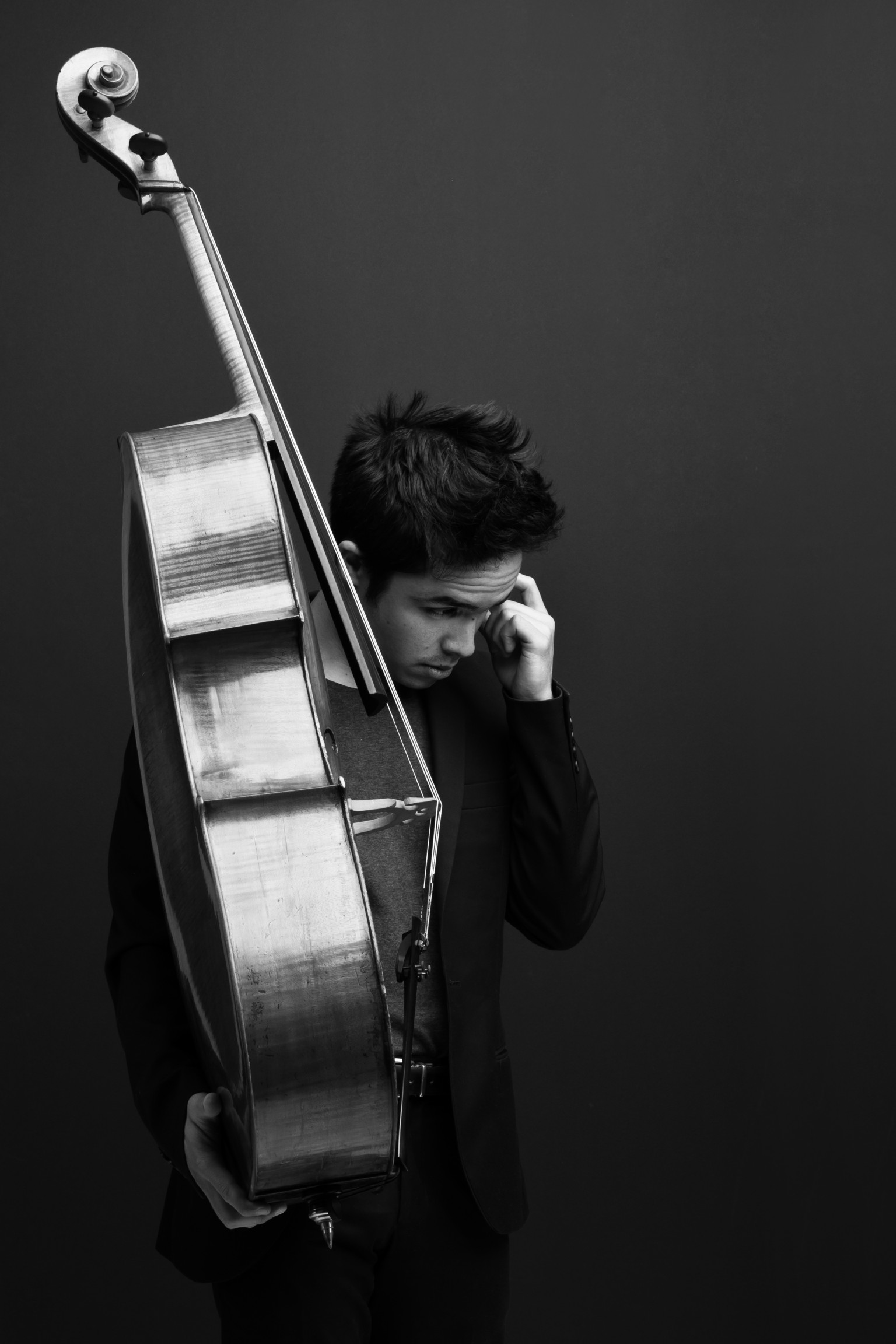
»Music is limitless, and its potential for meaning is infinite. This is neither good nor bad, but simply an acknowledgement that music is one kind of expression of any given culture (with many other inputs, of which I am mostly ignorant). From that perspective, I suppose then that music is just another medium through which I try to understand another human and/or the culture that they exist(ed) in, and more deeply feel the interconnectedness of the world that we live in, that we have inherited, and that we will pass on.«

Currently the only musician ever to receive two Avery Fisher Career Grants – in 2016 as a soloist and in 2019 as a member of the JACK Quartet – cellist Jay Campbell has brought his eclectic artistic interests both as a performer and curator to the New York Philharmonic, Deutsche-Symphonie Orchester, Los Angeles Philharmonic, Seattle Symphony, Ojai Festival, Lucerne Festival and many others. Deeply committed to collaborative music, Jay is a member of the JACK Quartet, as well as the Junction Triowith violinist Stefan Jackiw and composer/pianist Conrad Tao, multidisciplinary artist collective AMOC, and frequently works with composers and performers like Helmut Lachenmann, Patricia Kopatchinskaja, Barbara Hannigan, John Zorn, Tyshawn Sorey, and many more from his own generation. 
in brieflive
05.07.2024

A World of Contrasts – and a Touch of Smurf Vocals

Roskilde Festival: Slauson Malone 1
© PR

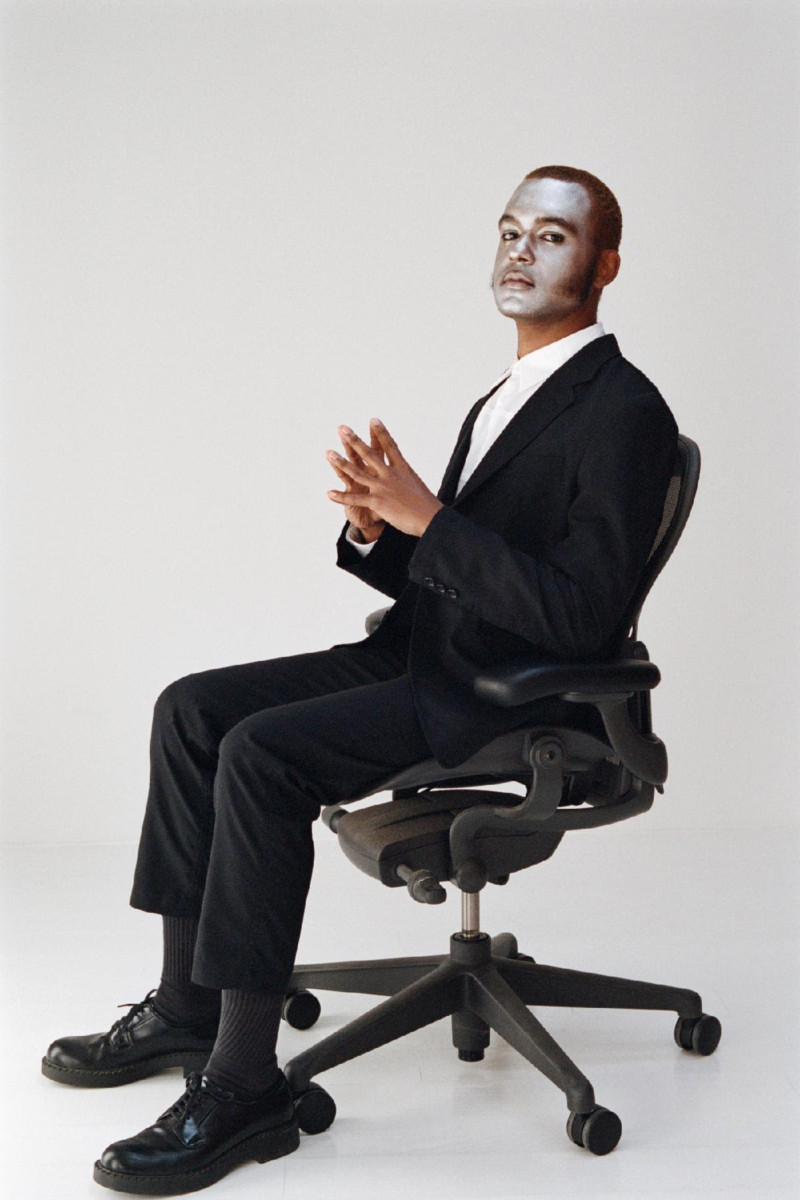
The cello is everywhere at this year’s Roskilde Festival. Some use it as just about anything else – hey, now it’s an electric bass, or how about a keyboard drowned in effects – but in American Jasper Marsalis’ Marcela Lucatelli-worthy bomb project Slauson Malone 1, the cello was actually used as, well, a cello.

Marsalis himself handled vocals and electric guitar on the open Platform stage, while Nicholas Wetherell opened the concert with a motor-race assault on his amplified cello, then pivoted into plucked meditations, to which Marsalis contributed overtone playing on guitar. Sensitive jazz guys? Nope – suddenly: synchronized noise sprints, intimacy splintered, and before long Marsalis threw himself into the seated audience with a somersault – and a scream.

Meanwhile, Wetherell played tender vibratos. Because contrasts thrive at Roskilde – and, after all, seem to be driving the world forward these days. And so it was the world itself that came into focus in the music: through violent shifts between 8-bit Smurf vocals, ambient gnawing solo cello, intimate indie layered over a one-second sample of Cher – culminating in a wistful lullaby veiled in digital theremin.

In many ways, it was peak hipster era. But it was also intensely moving – something like following Mahler out on the edge of the abyss as he tried to sketch the whole world into his scores. The only difference: the easel looks a bit different today.

© Kristoffer Juel Poulsen

It is not the first time Selvhenter have shown Roskilde how a saxophone can scream. Even the most avant-garde-ready listeners were left gasping for air. It was hard not to let your own lungs empathise with the long passages and unruly energy that the experimental Copenhagen quartet excelled in, wielding an instrumentarium consisting of two drum kits, synth, trombone, saxophone and assorted extras.

And the more the band – positioned in the centre of the Avalon tent, surrounded by the audience – wove their collective patchwork carpet, the more the individual character of the instruments was erased. Selvhenter could just as well have been playing entirely different instruments. You could see Sonja LaBianca standing there, forcing tones out of a wind instrument, yet it sounded more like a harp from outer space. It was astonishing how her saxophone fanfares resembled distress signals beamed into the cosmos. Meanwhile, the drums drove very grounded rhythms: Steve Reich-like pulses colliding with freer passages.

Selvhenter inflated the tent with full-fat punked and jazzy noise. Without pauses (not even when a snare drum went dead and had to be replaced mid-set) and without water for the crowd. Being so close to the musicians was a plus; on their small central stage they looked like giants in a battle arena. This was new music that was deeply physical. For about an hour we breathed together (and perhaps even sweated?) in sync. And it is profoundly good to do something together at a festival.

Selvhenter on the Orange Stage next year. Come on!

© Pavlos Fysakis

»Music involves a mix of noise, of existing or fabricated instruments, of alternative worlds that the sounds and voices assemble. Some are gentle, some less so. We shift gears with music, it shifts intensity, we shift with it. I listen when I can.«

Jussi Parikka is a Finnish cultural historian and writer who works at Aarhus University as professor of Digital Aesthetics and Culture. After some 15 years in the UK, he continues in Denmark his work on how ecology, digital culture, art and design, and philosophy intersect. He has written on visual culture and history and archaeology of media, including the recent books Operational Images (2023) and Living Surfaces: Images, Plants, and Environments of Media (2024) which is co-authored with the Madrid-based artist Abelardo Gil-Fournier. Besides his writing and work as educator, he has been active as a curator including the recent show Climate Engines at Laboral, in Gijon (Spain) that was co-curated with Daphne Dragona as well as his involvement in the curatorial team of Helsinki Biennial 2023.

in briefrelease
23.04.2024

What a Dial Tone Tells Us About Life

Beachers: »Off the Hook«
© PR
© PR

Crazy about phones? Then listen up. For British artist Beachers spent a day in his London office, and with his smartphone, recorded the sound of a landline waiting for you to dial a number after lifting the receiver. An innocent, yet somewhat insistent sound: Use me, beep-beep-beep-boop, now!

He cut up the recording, panned it around, shifted the pitch here and there, and dabbed it with delays. Turned it into musical material, in other words. And from the effort, Off the Hook grows small tones and harmonies like those from a self-built organ. But the office noises follow along, making the little album feel oddly haunted.

There are white creaks, maybe from a chair. Treble screams like distant, escaped parakeets. Short keystrokes, mysterious silences. After the harmonic organ opening, Beachers lets a deep bass rumble beneath chopped-up beeps. Layers are added, or sudden shifts occur. It’s not meant to be perfectly polished; you’re meant to feel that a human is playing with the digital.

Patiently, small pulses build, maybe even a beat. Listen to the hidden parties and drives of everyday life, the music seems to say—but also: see what we can do to pass the waiting time while forgetting what we’re actually waiting for—someone to pick up, the boss to let us off, death catching up to us.

In the end, only the raw recording is heard. A minute of beeps, boops, and random noise. As if each motif bows to its audience. What a strange release, nostalgically so in its way. And how creative.