I morgen i Reykjavik uddeles Nordisk Råds Musikpris, der samtidig kan holde 50 års jubilæum. Prisen uddeles sammen med Nordisk Råds priser i børne- og ungdomslitteratur, litteratur, musik, film, samt natur og miljø i Kulturhuset Harpa i Reykjavik.

Prisen blev uddelt første gang i 1965, i første omgang kun hvert tredje og siden hvert andet år. Siden 1990 er prisen, der desuden kommer med en check på 350.000 kr., blevet uddelt årligt. Hvert andet år gives prisen til et værk af en nulevende komponist, og hvert andet år går prisen til en solist eller et ensemble. Tidligere er prisen gået til danskere som Per Nørgård, Pelle Gudmundsen-Holmgreen, Niels-Henning Ørsted Pedersen, Palle Mikkelborg, og sidste år var det komponisten Simon Steen-Andersen, der løb med prisen for værket ”Black Box Music”.

Blandt de nominerede i år finder man den norske mezzosopran Tora Augestad, det islandske kammerorkester Kammersveit Reykjavíkur, den svenske bassist og cellist Svante Henryson, den finske akkordeonist Kimmo Pohjonen og den færøske doom metal-gruppe Hamferð.

Blandt de to danske nomineringer finder man - som det også var tilfældet i 1997 - den klassiske blokfløjtespiller Michala Petri. Læs mere om Petris vej mod Nordisk Råds Musikpris i Sune Anderbergs dugfriske anmeldelse af hendes seneste to udgivelser.

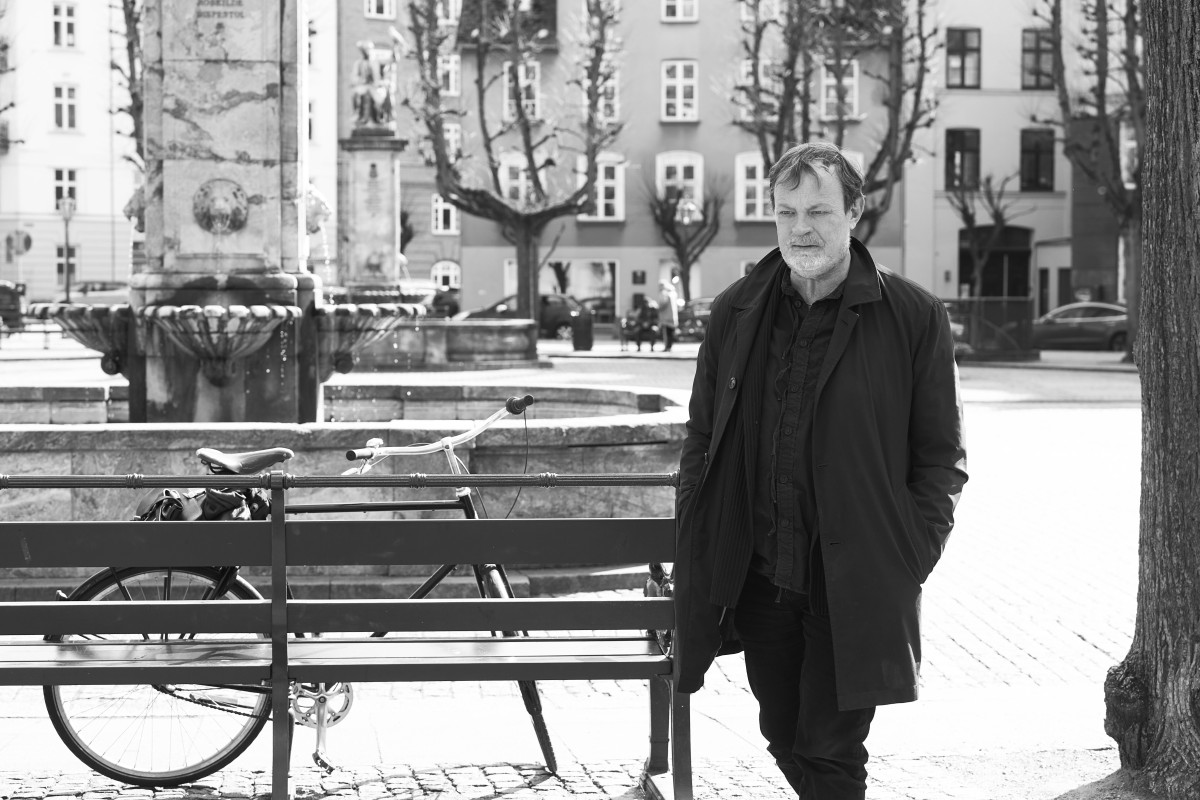
Den anden danske nominering er faldet på den elektroniske musiker HVAD. Bag navnet gemmer sig 31-årige Hari Shankar Kishore, der gennem det seneste tiår har tittet frem fra den københavnske undergrund under forskellige aliasser som DJ HVAD eller Kid Kishore eller som en del af samarbejderne Faderhuset eller Albertslund Terrorkorps, der i en slags hyldest til Rotterdam Terror Corps har indoptaget den hollandske 90’er-gabber-techno i sin lyd side om side med indiske bhangra beats, rituelle tempelklokker, alverdens glitch-lyde og hyppige vokalsamples af ord som ”perker” og ”hvad?”.

Kishore er heller ikke bleg for at køre den danske kulturarv gennem sin situationistiske dekonstruktionsmaskine af nydanskerslang og ”perker tech”, som det er blevet døbt. Hans tidlige dj-sæt indeholdt ofte brudstykker af John Mogensens ”Danmarks jord for de danske” (oprindeligt en EF-kritisk sang) og Kim Larsen, der pludselig med mussestemme sang "de kylede gas mellem hinduerne" indover helt knækkede beats og guitarfigurer fra ”Midt om natten”.

I 2007 lånte han navnet Trentemøller fra den på det tidspunkt måske mest efterspurgte danske dj, Anders Trentemøller, og fik via det sociale medie MySpace tilbudt dj-jobs i både Berlin og Rungsted, hvor man altså troede, man havde booket hitliste-housemusik.

Til daglig holder Kishore til på Kommunal Dubplate Service på Nørrebro i København, hvorfra han driver pladeselskabet Syg Nok Records og med kommunal støtte servicerer lokalbefolkningen med muligheden for at få produceret vinylplader på studiets nærmest antikke pladeskærer. Indtil videre har maskinen spyttet plader ud med Kishores egne projekter samt andre musikalske hackere som Teppop, Goodiepal eller Nørrebro-rapperen Kidd.

Og snart vil det altså vise sig, om Kishore også er vinder af Nordisk Råds Musikpris på 50-årsdagen. Den uddeles i morgen i Kulturhuset Harpa i Reykjavik. Læs mere om de nominerede og om prisen på dens officielle hjemmeside.

© PR

»Music to me is… my work. I've landed in the best job in the world, where a core task is to discover new music, to learn its internal logic and aesthetics, who created it, and why. I'm a music researcher and have just returned from the island of Java in Indonesia with my research partner and husband Nils, where we've been visiting experimental musicians in Yogyakarta – artists we've now followed for seven years.
One recurring theme is the trance/horse dance jathilan (or jaranan), which several of the artists have introduced us to. Jathilan is on one hand an old Javanese ritual, and on the other hand a contemporary (village) culture in full development. There is no single historically 'correct' jathilan. It's a practice that follows an old spiritual ritual, but is also open to current Indonesian influences.

The playlist consists of three tracks by Senyawa, Gabber Modus Operandi, and Raja Kirik, all of whom have incorporated the ritual into their music. The fourth track was supposed to be a 'traditional' jathilan, but as far as I know, no such recording exists on Spotify. Instead, I found a related jaranan piece that includes a dangdut song – an ultra-popular genre that is often performed as part of a jathilan event. The final track is one of the most popular dangdut songs at the moment.«

Sanne Krogh Groth is Associate Professor of Musicology at Lund University, Sweden, where she conducts research on electronic music and sound art, currently with a focus on Indonesia. Sanne was editor-in-chief of Seismograf from 2011–2019. In 2015, she established Seismograf Peer, which she is still the managing editor of.

© Henry Detweiler

»For me, music is work and a way to escape it. Music is the fanciest way of communication and therefore the most delicious food for analysis. It is what prolongs your feeling for longer than you can physically hold. Music is something after which you say: 'I’m glad you didn’t use words'. After all, it’s something that makes your commute or chores shorter, and this time-controlling function is the very first and foremost mystery I love about it.«

Liza Sirenko is a music theorist and music critic from Kharkiv, Ukraine. She is a co-founder and board member of the Ukrainian media about classical music The Claquers. She is a former Fulbright Visiting Scholar at the Graduate Center, CUNY (New York, USA), and a graduate of National Music Academy of Ukraine (Kyiv, Ukraine). Her current interests include processes in the classical music industry, contemporary opera in Ukraine, and a role of postcolonial moves in these. Liza is a former PR Director of the Kyiv Symphony Orchestra, currently working as a Program Officer at the Goethe-Institut Ukraine.

in brieflive
13.04

»Is He Going to Play Three Pianos?«

August Rosenbaum: Klaverkoncert
© Josefine Seifert
© Josefine Seifert

»Is he going to play three pianos?« a boy asks. »Maybe he’s learned to play with his feet?« says an adult man. The audience on their way into the DR Concert Hall’s main auditorium comment on the setup for August Rosenbaum’s piano concert. Three Steinway grand pianos lined up is truly peculiar – actually comical.

When the concert began, I imagined I could hear differences between the instruments, though I would probably fail a blind test. Apart from a bit of playing with staccato on one piano and pedal on another, the setup was, frankly, underused. The piano playing was lacking, dominated by a single approach: pedal pressed all the way down, an active right hand primarily in the middle register, a left hand with a muted accompaniment, and a great deal of repetitive technique.

It felt like a gravity Rosenbaum could not escape. No idea or direction could break free; one always returned to the same place.

When there are two grand pianos for a concert, one of them is usually prepared. Rosenbaum had three (!) without using a single screw, coin, or ping-pong ball. Shouldn’t that be a criminal offense? Nor were any extended techniques employed, such as clusters or playing with the back of the hand.

The light show was charming, at times impressive. Still, it takes more goodwill than I possess to call the evening an audiovisual concert, as the program text told me it was. On the way out, I heard another man say, »It was actually quite exciting to hear him play.« I didn’t think so.

English translation: Andreo Michaelo Mielczarek

in briefrelease
12.04

Bumblebees Come With Punk

Smag På Dig Selv: »SPDS«
© PR
© PR

Smag På Dig is pretty punk. True, the instruments most commonly associated with the genre have been replaced by saxophones, and yes, the music sounds markedly different from what one would normally link with punk. Nevertheless, with their debut release SPDS, tenor saxophonist Oliver Lauridsen, baritone and bass saxophonist Thorbjørn Øllgaard, and drummer Albert Holberg have created a bona fide, high-energy punk album – packed with fun, mischief, seriousness, and anger.

The style is established from the very first track. The trio plays catchy, often pop-inflected melodies built on Øllgaard’s thunderously deep saxophones, Holberg’s tight drumming, and Lauridsen’s high-energy, lyrical tenor sax. Particularly effective is »Middelklassen avler kun skeletter«, which has a comparatively darker tone, a bass sax buzzing like a fat, murderous bumblebee, and a stronger focus on atmosphere than many of the other tracks – without sacrificing melody.

At the other end of the spectrum are tracks like »PGO HOT 50«, with its stomping tempo, cowbells, and an epic sax guyfrom hell, and »Negirî«, which, with Luna Ersahin on vocals and saz in the eleventh hour, lets the horns step into the background – not to mention Thorbjørn’s angry poems, addressing everything from globalization, climate change, and war to the art academy and one’s own worth as a human being. Impressively, it all hangs together; everything works in its diversity. And it convincingly illustrates the age-old punk dictum that you can be angry and still have fun at the same time.

in brieflive
12.04

Feel Yourself Becoming Nature Again

Cecilia Fiona, Sophie Søs Meyer: »Ghost Flower Ritual« 
© Farzad Soleimani
© Farzad Soleimani

Frozen human bodies and faces shaped and painted like ceramics are meticulously carried around by flower sculptures that have abandoned their static nature. The roles are reversed. Nature becomes the living environment that grants the clay humans small, temporary lives in Ghost Flower Ritual at Copenhagen Contemporary.

The piece is a live installation with musicians and performers, where 34-year-old composer Sophie Søs Meyer has collaborated with visual artist Cecilia Fiona, who is of the same age. It’s a sensorially overwhelming, yet dramatically subdued ritual. Over the course of forty-five minutes, we sit together beneath a giant flower and sense the performers’ meticulous, slow movements. Meanwhile, soundscapes and small pulsating figures from four string players and a flute shape a landscape of colors, tones, and movements that melt together – filling the high-ceilinged room with auditory and visual presence. We are part of a whole.

I love the wild costumes that descend strangely from the sky. I love being part of the ritual that heals our forgotten connection to nature, which is the very foundation of our lives. I love the sound of stroked, plucked, and blown wood from Athelas’ musicians. Culture is nature. The human animals and the flowers are part of the greater consciousness. It’s all a hyper-complex mechanism. Cecilia Fiona possesses an extraordinary visual and creative abundance in her intricate details, and Sophie Søs Meyer is precise and intriguing in her swaying tonal figures that change slowly and meticulously. Until one flower blows into the large conch shell. Then the ritual is over.

English translation: Andreo Michaelo Mielczarek