



I morgen i Reykjavik uddeles Nordisk Råds Musikpris, der samtidig kan holde 50 års jubilæum. Prisen uddeles sammen med Nordisk Råds priser i børne- og ungdomslitteratur, litteratur, musik, film, samt natur og miljø i Kulturhuset Harpa i Reykjavik.
Prisen blev uddelt første gang i 1965, i første omgang kun hvert tredje og siden hvert andet år. Siden 1990 er prisen, der desuden kommer med en check på 350.000 kr., blevet uddelt årligt. Hvert andet år gives prisen til et værk af en nulevende komponist, og hvert andet år går prisen til en solist eller et ensemble. Tidligere er prisen gået til danskere som Per Nørgård, Pelle Gudmundsen-Holmgreen, Niels-Henning Ørsted Pedersen, Palle Mikkelborg, og sidste år var det komponisten Simon Steen-Andersen, der løb med prisen for værket ”Black Box Music”.
Blandt de nominerede i år finder man den norske mezzosopran Tora Augestad, det islandske kammerorkester Kammersveit Reykjavíkur, den svenske bassist og cellist Svante Henryson, den finske akkordeonist Kimmo Pohjonen og den færøske doom metal-gruppe Hamferð.
Blandt de to danske nomineringer finder man - som det også var tilfældet i 1997 - den klassiske blokfløjtespiller Michala Petri. Læs mere om Petris vej mod Nordisk Råds Musikpris i Sune Anderbergs dugfriske anmeldelse af hendes seneste to udgivelser.
Den anden danske nominering er faldet på den elektroniske musiker HVAD. Bag navnet gemmer sig 31-årige Hari Shankar Kishore, der gennem det seneste tiår har tittet frem fra den københavnske undergrund under forskellige aliasser som DJ HVAD eller Kid Kishore eller som en del af samarbejderne Faderhuset eller Albertslund Terrorkorps, der i en slags hyldest til Rotterdam Terror Corps har indoptaget den hollandske 90’er-gabber-techno i sin lyd side om side med indiske bhangra beats, rituelle tempelklokker, alverdens glitch-lyde og hyppige vokalsamples af ord som ”perker” og ”hvad?”.
Kishore er heller ikke bleg for at køre den danske kulturarv gennem sin situationistiske dekonstruktionsmaskine af nydanskerslang og ”perker tech”, som det er blevet døbt. Hans tidlige dj-sæt indeholdt ofte brudstykker af John Mogensens ”Danmarks jord for de danske” (oprindeligt en EF-kritisk sang) og Kim Larsen, der pludselig med mussestemme sang "de kylede gas mellem hinduerne" indover helt knækkede beats og guitarfigurer fra ”Midt om natten”.
I 2007 lånte han navnet Trentemøller fra den på det tidspunkt måske mest efterspurgte danske dj, Anders Trentemøller, og fik via det sociale medie MySpace tilbudt dj-jobs i både Berlin og Rungsted, hvor man altså troede, man havde booket hitliste-housemusik.
Til daglig holder Kishore til på Kommunal Dubplate Service på Nørrebro i København, hvorfra han driver pladeselskabet Syg Nok Records og med kommunal støtte servicerer lokalbefolkningen med muligheden for at få produceret vinylplader på studiets nærmest antikke pladeskærer. Indtil videre har maskinen spyttet plader ud med Kishores egne projekter samt andre musikalske hackere som Teppop, Goodiepal eller Nørrebro-rapperen Kidd.
Og snart vil det altså vise sig, om Kishore også er vinder af Nordisk Råds Musikpris på 50-årsdagen. Den uddeles i morgen i Kulturhuset Harpa i Reykjavik. Læs mere om de nominerede og om prisen på dens officielle hjemmeside.
Kristine Tjøgersen Crafts Unreasonably Beautiful Eco-Poetry

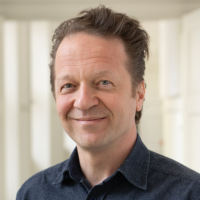
The wildlife of nature is both beautiful and playful – especially in Kristine Tjøgersen’s music. At the center of her new album Night Lives is the wild, unpredictable life of the night beyond the human domain. The album was created as part of the Ernst von Siemens Prize, which Tjøgersen recently received as the first Norwegian composer ever to do so.
The album is a seven-movement sonic version extracted from a staged work premiered at the Ultima Festival in 2023, and it works perfectly well as a standalone, semi-acoustic version performed by the Cikada Ensemble. The music ranges from playful, experimental, rhythmical soundscapes—full of rattling and crackling instruments – to intense, pulsating passages. Tjøgersen possesses a uniquely sensitive understanding of instrumental timbre, allowing her to morph seamlessly between acoustic and electronic worlds, cultural environments, and eras. From a simple, extended flute solo to a dancing computer universe – without blinking an eye.
Forty to fifty years ago, it was called postmodernism when old music appeared in new compositions as reused material. Back then, it made sense because many people had a mental library of historical classical music, a reflective space in which all new music was interpreted. Today, audiences’ minds are different. For example, Kristine Tjøgersen can easily use a completely straightforward Baroque movement as the album’s conclusion – serving as a starting point for music that gradually thins out and dissolves into a stunningly beautiful utopian world of acoustic strings and synthesizer. Without making you feel she is negotiating your sense of past and present. Natural sounds, imitations of nature, harmonies, and entire sequences are simply building blocks in her personal experimental lab. And what a lab it is!
English translation: Andreo Michaelo Mielczarek
When the Experiment Becomes Tragically Beautiful
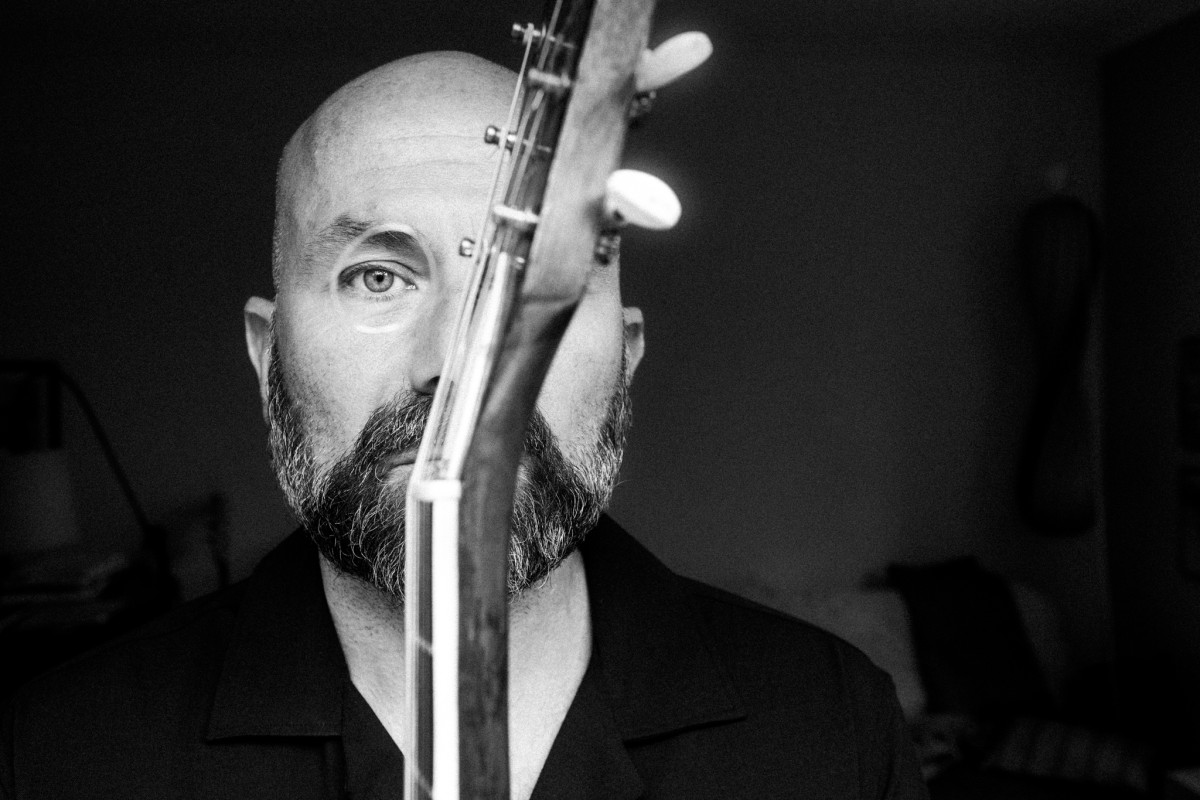
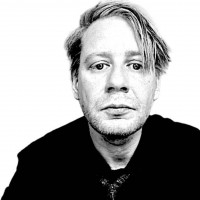
Normally, I avoid quoting press releases directly, but this description of the intimate and multifaceted Confluencia is hard not to echo. On this album, the Danish guitarist and experimentalist has assembled a small ensemble of musicians from the borderlands between neoclassicism and jazz. The real stars of the record are pianist Simon Toldam and – especially – Susana Santos Silva, whose trumpet bleats, breathes, and scrapes against the ear. She toots in ways rarely heard in postmodern experimentalism.
Confluencia seeks to reflect modern communication – a kind of communication that ought to transcend boundaries of race, gender, and other dividing forces – through instrumental music. A form that seems to be fading day by day in a haze of misinformation, miscommunication, and mistrust. Toldam’s piano leans toward eerie dissonance, while Solborg’s guitar adds a tender, almost vulnerable tone – especially on »Southern Swag«. The music is at its strongest when the instruments converge in conversation and unison moments, such as in the strange funeral ballad »Planes«, which teeters on the edge of collapse with ghostly piano figures and diabolical chimes.
Confluencia moves between jazz, folk, ambient, and avant-garde – with a chamber-like intimacy that insists on intensity, melancholy, and reflection. What makes the album truly powerful is precisely what many experimental releases lack: space for contemplation and dialogue with the listener. Tungemål dares to be experimental without overpowering itself – and paints with a broad emotional brush, where tragedy is always lurking on the horizon.
English translation: Andreo Michaelo Mielczarek
The Ever-Changing Waters Of the Mind
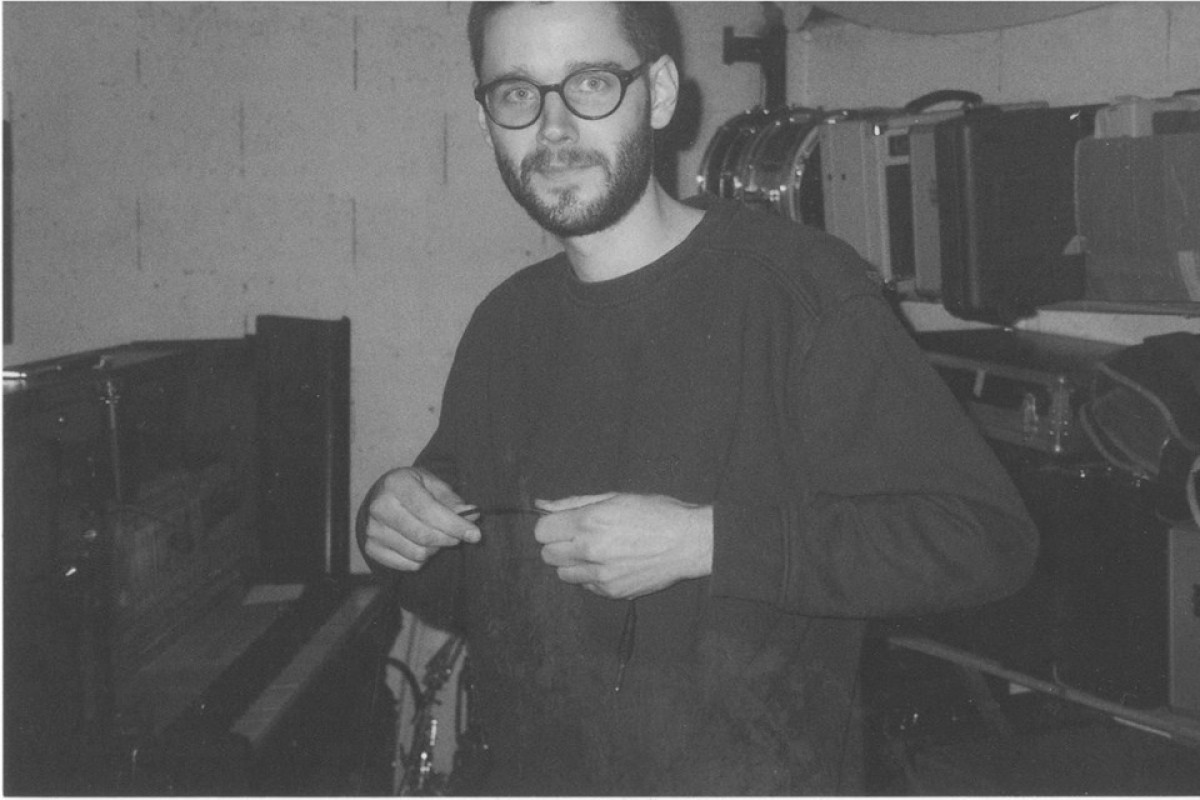
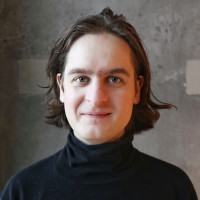
The sea is a powerful metaphor for the nature of identity – from stormy defiance to tranquil stillness, our individual traits drift in an eternally shifting ocean. On Original Spirit, French musician Les Halles drops anchor in the mutable waters of the mind, using pan flutes and dusty echoes as his compass.
The eight tracks are deeply rooted in the enveloping world of ambient music, and from the opening piece, »Angels of Venice«, the sound washes over the listener like gentle waves. Soft, bending synth textures accompany recurring flute runs, while echoes of the past flicker by like faded Kodak moments – faint glimmers of memory in a foggy inner landscape.
The word ambient can be traced to the Latin ambire, meaning »to go around«, and the genre is thus defined by music that »surrounds« the listener. Les Halles, also known by his real name Baptiste Martin, fully embraces this quality. The music is gentle, devoid of dominant melodies or rhythms – like a safe little bubble one can freely float in.
Like much ambient music, Original Spirit is free of lyrical frames of interpretation. However, the accompanying press text frames the album as a letter, written by Baptiste Martin during a disoriented period, including a stay in psychiatric care. As listeners, we’re invited to drift in a turbulent yet mirror-still sea of lost identities and lose ourselves in the warm current of consciousness the music creates. It certainly doesn’t break any ambient conventions – but it’s a pleasure to be swept away nonetheless.
Postcard From the Borderlands of Sound
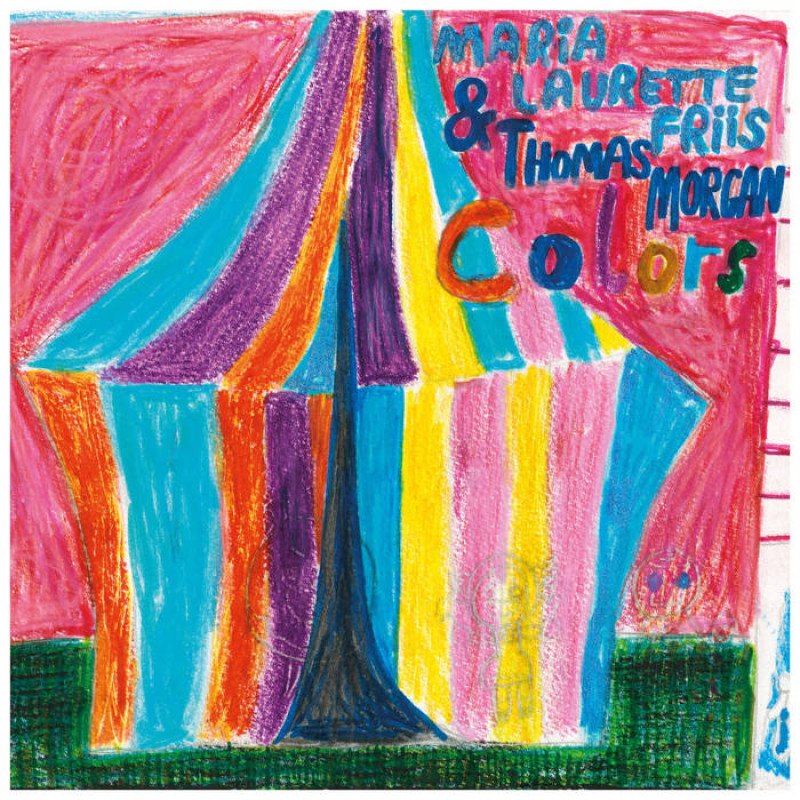
In the world of experimental music, it now takes quite a lot to be truly surprised – it’s a space where both treasures and old debts are often revisited. That’s why listening to Colors, the improvised duo album by Maria Laurette Friis and Thomas Morgan, feels like a fresh revelation. Pairing an experimental vocalist and composer (Friis) with an experienced double bassist (Morgan) and letting them improvise for three hours may not sound groundbreaking at first. Yet somehow, a rare and unique symbiosis arises between voice and double bass – a connection so special that one rarely hears anything quite like it.
Friis is a dazzling singer, and her wordless expressions draw on everything from Mongolian throat singing and jazz to Nordic darkness. She shifts effortlessly between pure singing and guttural sounds within a single improvisation. Morgan’s double bass provides an intriguing contrast, exploring the instrument’s outer edges without ever becoming unpleasant.
The three-hour recording session has been distilled into nine tracks spanning a total of 45 minutes, and the concept of using only voice and double bass is maintained throughout – despite both musicians’ backgrounds in vastly different musical expressions. The unique language that emerges is often both unsettling and deeply beautiful. When they give each other space – as in the seven-minute »Eight« – and when the bass plays alone, it’s impossible not to sway along, even without a proper beat. Colors proves that great art can still arise from nothing – in both the strange and the more familiar dialogues. That is exactly what Friis and Morgan achieve on this captivating postcard from another world.
English translation: Andreo Michaelo Mielczarek
Absurd Beauty in the Theatre of Noise
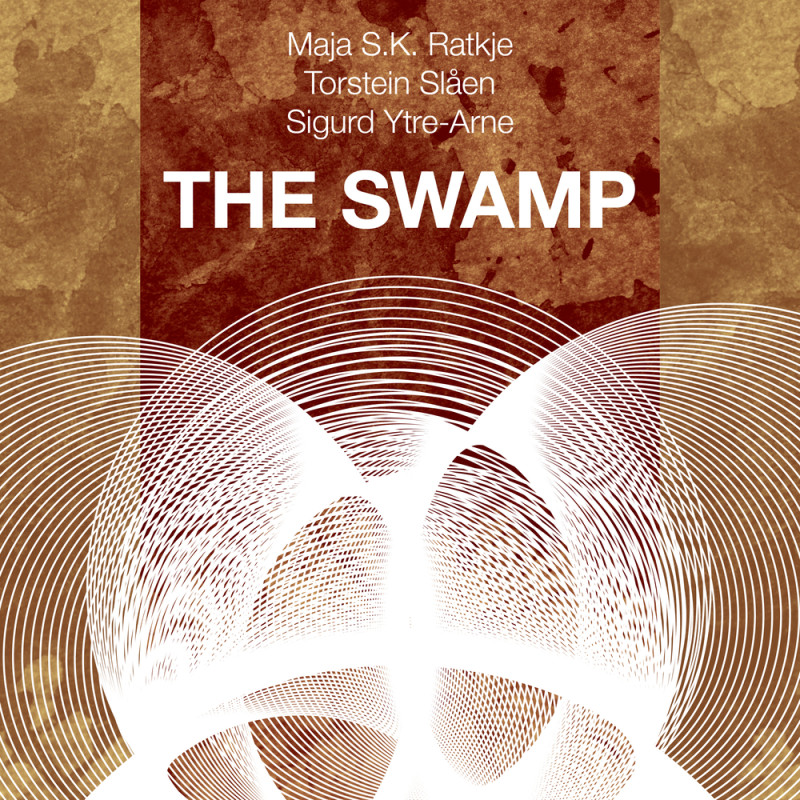
The term Dadaism must be used with caution – it easily risks becoming a cliché and trampling disrespectfully on its origins. Nevertheless, it’s hard to avoid Dada when listening to The Swamp, created by Norwegian experimental composers Maja Ratkje, Torstein Slåen, and Sigurd Ytre-Arne. The album is a 40-minute chaotic mirror of our times, shaped by merciless improvisation, noise drones, and Ratkje’s absurd vocalizations.
The music is raw, rancid, and deliberately un-beautiful – a constant stream of manipulated field recordings, reminiscent of a horror film foley studio. Bells, metallic clanks, white noise, and industrial sounds are warped together, driven by a syncopated, menacing rhythm and an underlying fuzz drone. Most fascinating is Ratkje’s voice, which appears as a riddle: is she singing in Celtic, Norwegian, or pure gibberish? The latter seems most likely and evokes the Dada poetry of Kurt Schwitters, particularly his 1932 Ursonate. At the same time, her vocal techniques dig deep into Nordic soil – conjuring the spirit of völva chants and Viking songs.
The combination of controlled noise and purposeful chaos elevates much of the album, with the opening track and the completely unhinged »Discomanic« standing out. The former is as close as the trio gets to something conventional; the latter borders on pure sound art. Only the two slower pieces – the seven-minute-long »Oligarchification« and »Lullaby for Trembling Hearts« – tend to drag a bit. Otherwise, the group manages to keep the material focused, sharp, and intensely trippy. It’s impressive how effectively it all works, even as the expression remains so relentless and challenging.
English translation: Andreo Michaelo Mielczarek