
Mads Emil Dreyer
»Music to me is – having spent a lot of time listening, composing, and thinking about it – still, essentially, a mystery.«
Mads Emil Dreyer is a Danish composer working within the field of electroacoustic music.







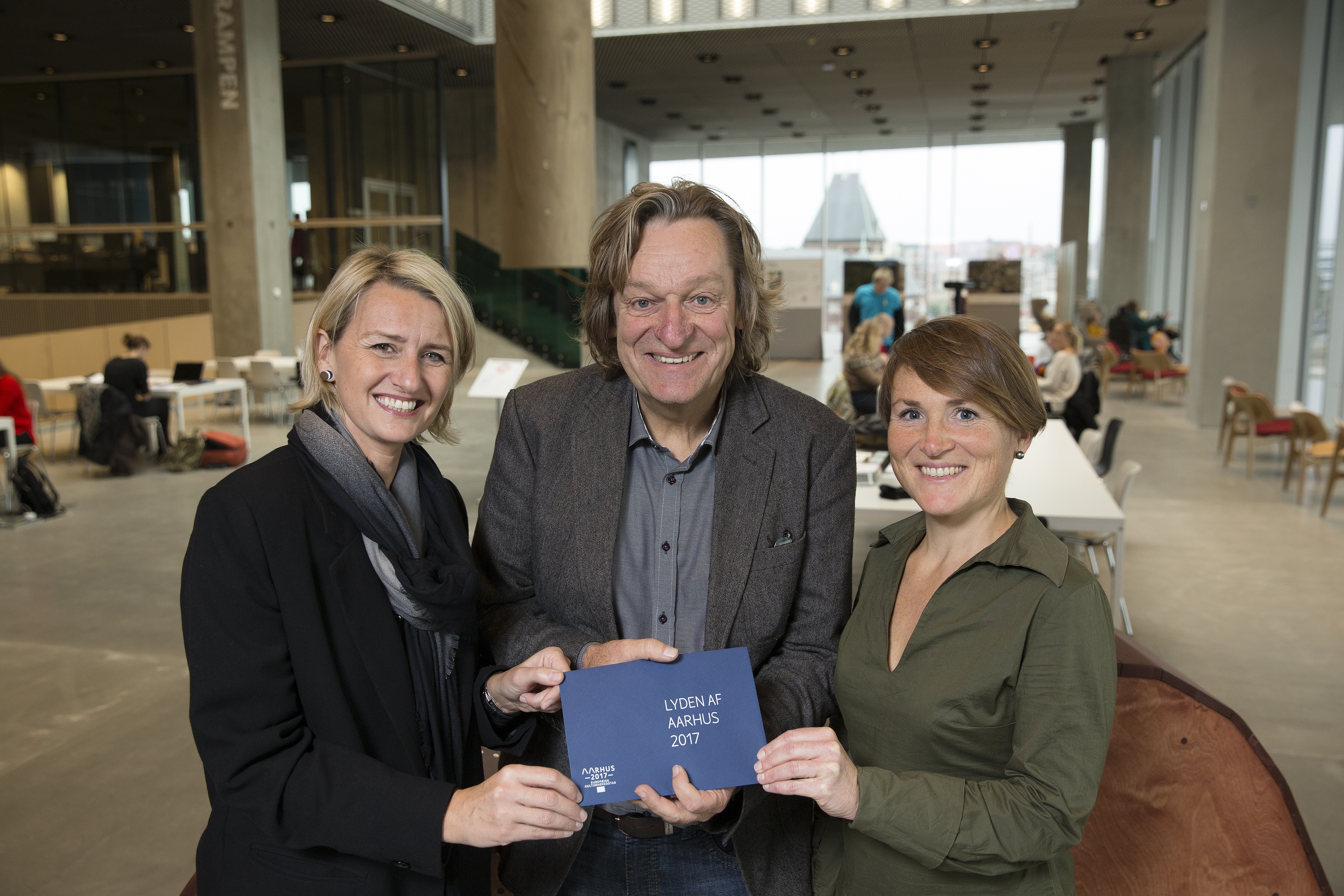
I 2017 er Aarhus som bekendt europæisk kulturhovedstad og sådan en skal naturligvis have lydkunst! Derfor blev der sidste år udskrevet en konkurrence, Lyden af Aarhus 2017. Blandt de 31 indsendte projekter fra hele verden har en fagjury udvalgt schweizeren Andres Bosshard med projektet Sonic Ark. Seismograf/DMT talte med Bosshard umiddelbart efter offentliggørelsen.
”Sonic Ark er et dramaturgisk koncept, der består at en række installationer, som flytter sig igennem det offentlige rum, og som helt bogstaveligt tager udgangspunkt i lyden af Aarhus”, fortæller Bosshard.
”Lydmæssigt sover Aarhus, men den er en sovende skønhed og jeg kan høre et stort potentiale i byens lyde, som bare trænger til at blive vækket. Jeg er ikke pessimist i forhold til byens støjende miljø. Med mine værker er jeg mere interesseret i at give bedre betingelser for kvaliteten i lytningen, for derigennem at kunne arbejde mod et bedre lydmiljø. Og her har Aarhus meget at byde på. Jeg har allerede været her to gange og gennem det næste år vil jeg i tæt samarbejde med byens borgere undersøge og lytte til forskellige steder i byen for at indsamle de lyde, som kommer til at indgå i værkerne. For eksempel arbejder et af værkerne med en kombination af mikroskopiske plantelyde, lyden af det århusianske sprog og den makroskopiske arkitektur i Botanisk Have. Her er borgerne vigtige det talte århusianske sprog er helt centralt.”
Der er klare lydøkologiske undertoner i projektet, men Bosshard mener ikke, at verden er ved at blive oversvømmet af dårlig lyd. Derimod mener han, at kan vi blive bedre til at lytte til de lyde, der allerede er her, og projekttitlens bibelske reference skal derfor heller ikke tages helt bogstaveligt.
”Jeg ser nærmere Arken som en metafor for at kunne lære at sætte pris på at sejle rundt, flyde ind og ud af eller drive gennem byens akustiske landskab. Det handler ikke så meget om, at vi skal beskyttes mod støjen, men jeg kunne godt tænke mig at folk kommer til at kende byen bedre, får lyst til at udforske dens lyde og måske endda kan lære at spille på den som et instrument,” forklarer han.
I sit arbejde sammenligner han også sig selv med en sømand, der er afhængig af vind og bølger for at kunne få skibet til at sejle – en tilgang der præger hans måde at interagere med lydmiljøet på.
”Hele byens lydbillede er på en måde med i værket og især lyden af menneskene i byen. På den måde handler det økologiske ikke kun om natur, men også om det sociale, om interaktion og kommunikation. Gennem øret kan vi opnå en betydelig større livskvalitet, og jeg håber at folk i Aarhus efter 2017 vil ’tro’ mere på deres egen lyd. Jeg er mest interesseret i at ændre bevidstheden om og stoltheden over hvilken lydkvalitet Aarhus har som by. Og jeg tror ikke der skal så meget til, for at vække den sovende skønhed”, slutter Andres Bosshard.
Det er Europæisk Kulturhovedstad Aarhus 2017 og de tre komponistforeninger Danske Jazz, Beat og Folkemusik Autorer (DJBFA), Dansk Komponist Forening (DKF) og Danske Populære Autorer (DPA), der har stået bag konkurrencen Lyden af Aarhus 2017. Foruden værkbestillingen, mortager Andres Bosshard en pris på 200.000 kr.
Andres Bosshard, f. 1955, bor og arbejder i Zürich i Schweiz. Han er uddannet kunstmaler, og begyndte tidligt at arbejde med eksperimenterende musik og teater. Han har udviklet roterende lydobjekter, interaktiv computermusik, programmer og lydinstallationer. Blandt andre “Sound Tower” ved Expo.02 ved Bieler-søen i Schweiz.
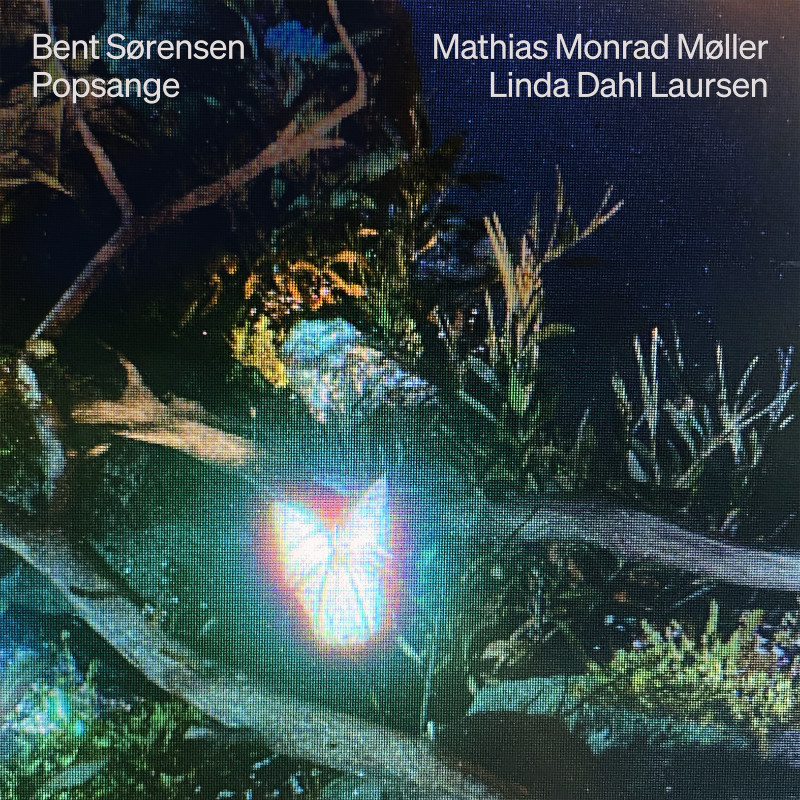
»Your eyes are in reality luminous tunnels to another reality.« So goes one of the key lines in the opening song of Bent Sørensen’s song cycle Popsange, inspired by texts by Michael Strunge. It sets the tone and points toward the recurring lyrical themes: all-consuming love, the shared journey toward another place – and the eyes, always the eyes, appearing in almost every single song.
Mathias Monrad Møller sings with great sensitivity, bringing the text to life, and his interplay with Linda Dahl Laursen is strong. Yet Popsange has much more in common with lieder than with actual songs – not least because of the text’s at times highly poetic language. The tender, almost naïve voice of the lyrics receives its most convincing counterpoint from the piano, as in »Illusion«, where it first follows and supports the words, only to break out into rapid, dissonant chords that interrupt and almost mock the singer.
Still, traces of pop music can be found here and there. »Tid og rum« builds on repetitions with small variations, much like the verses of a pop song. And in »Hjertestrøm«, Møller colors his voice with a timbre that could easily fit on a pop album – not least because the piano here is delicate and playful, giving the voice more freedom.
All in all, Popsange is a pleasant listening experience, but I miss the presence of David Bowie and Lou Reed on the musical front. The work is at its most innovative where it dares to embrace pop. Imagine if the texts had been carried by actual verses, hooks, and choruses – elements that might have turned them into true earworms.
English translation: Andreo Michaelo Mielczarek

On Kaikō – the trio Treen’s second release – saxophonist Amalie Dahl, pianist Gintė Preisaitė, and percussionist Jan Philipp demonstrate confidence, mutual trust, and a distinct musical adventurousness. The opening track »Hylē« unfolds with rattling percussion and strikes seemingly aimed directly at the piano strings, stumbling forward over an underlying drone. The saxophone cuts in with phrases that sound at once admonishing and bewildered. Nothing feels meticulously calculated; instead, the music is carried by a keen awareness of the three musicians’ individual voices within the shared soundscape.
The same basic formula unfolds across the album’s three other pieces, yet always in new variations. On »Kinetic«, Dahl’s saxophone emerges with much greater weight, its slowly growing crescendo mirrored and challenged by Preisaitė’s piano. Improvised music can often slip into polite holding patterns, with the musicians taking turns in the spotlight – but not here. Dahl, Preisaitė, and Philipp appear as three drifting islands without anchors, propelled by their own currents yet inexorably drawn in the same direction. The result is both sudden shifts and an organic flow that can pull the listener into a trance, if one surrenders and simply lets the sound wash over.
It is precisely the trust between them that allows the three to play freely, without fear of leaving or losing each other. In doing so, they create a momentum that is hard to resist – whether one chooses to let the islands drift past or to float along in their current.
English translation: Andreo Michaelo Mielczarek
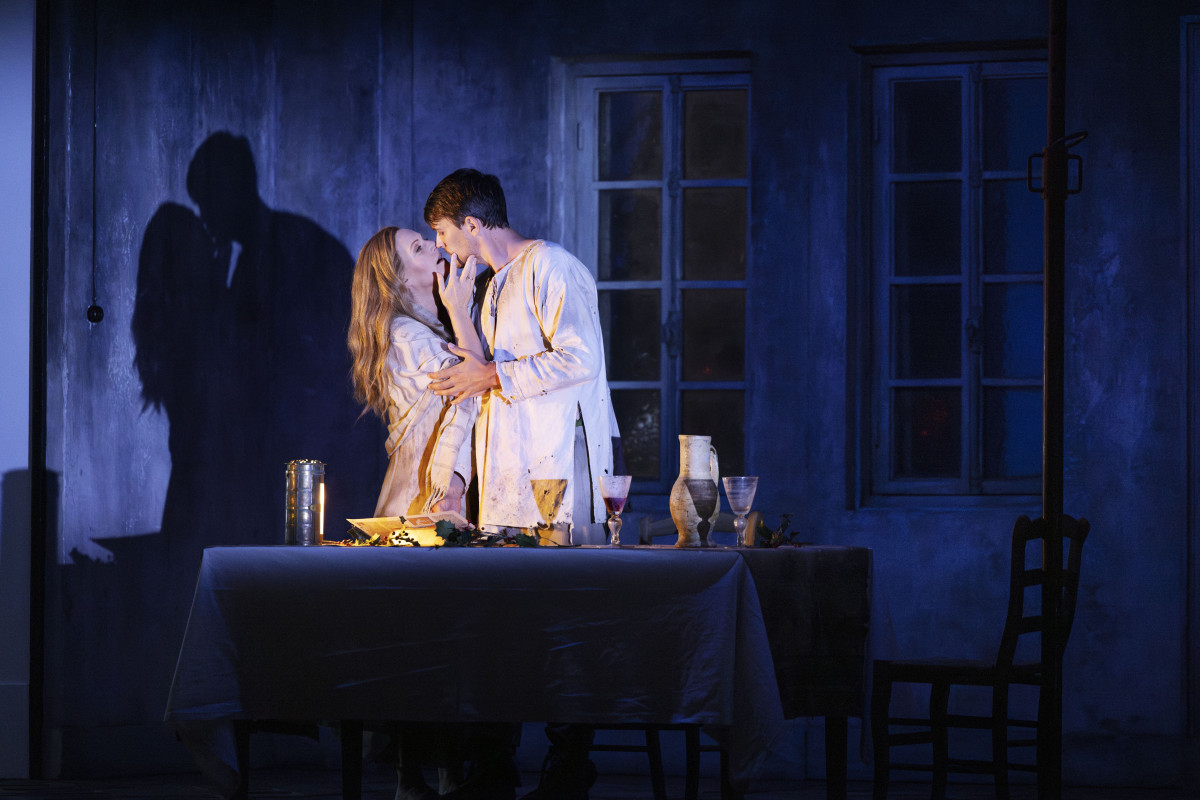
The first time I heard the title of this opera, I was reminded of Franz Kafka’s grotesque short story In the Penal Colony (1914–19), in which a prisoner is sentenced to have his punishment – a moral admonition – engraved into his skin, after which he is meant to feel what it says. In Written on Skin, which premiered in 2012 and has quickly become something of a modern classic in opera houses around the world, the writing on the skin is instead the caress of a young illustrator, who in reality (!) is an angel. The story is set in the 13th century and appeared in Boccaccio’s collective narrative The Decameron in the following century, but it could just as well take place in a dystopian future.
In a land ravaged by war, violence, and terror, the illustrator is hired to create a book for a tyrannical and ultra-violent lord who, among other things, regards his wife’s body as his own private property. The illustrator/angel, however, enters into a passionate relationship with this wife, and all hell breaks loose. Naturally, they both die, and the lord is left alone with his bitter, useless victory, while the angel is resurrected and thus becomes the true victor – and perhaps a queer figure, as the voice type (countertenor) might suggest.
The Royal Danish Theatre’s production is highly convincing. Benjamin’s music roars and crashes, yet is at the same time curiously hushed in its markedly economical use of means. It is as hard as steel forks magically bent again and again, while the often very powerful volume inscribes itself onto the skin of the eardrums in silken script.
English translation: Andreo Michaelo Mielczarek
»Music to me is – having spent a lot of time listening, composing, and thinking about it – still, essentially, a mystery.«
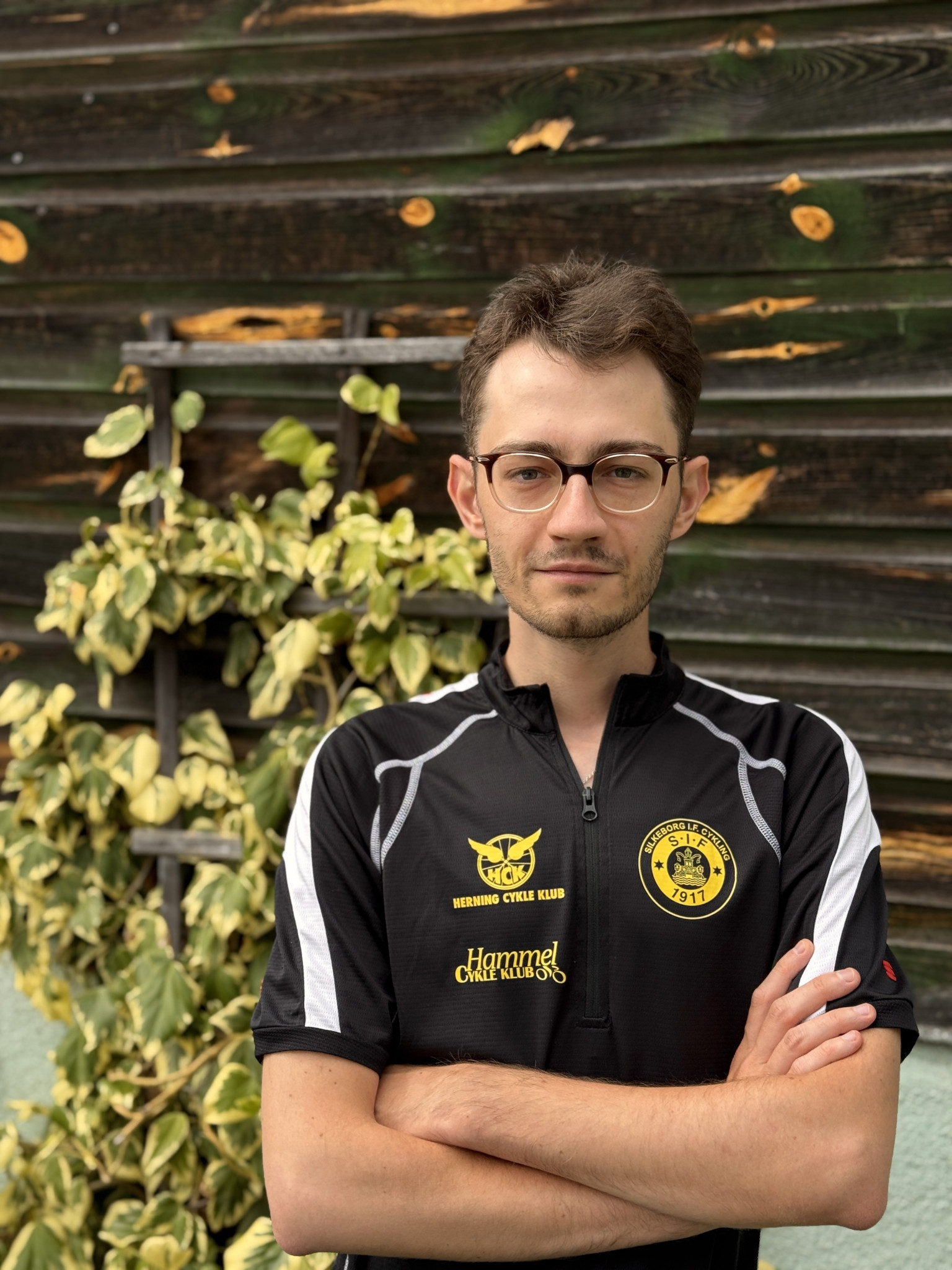
»Music for me is a universal tool for opening myself for feelings. It may be anger. It may be happiness or sadness. Music may make you wanna dance or cry. But it never leaves you indifferent to the emotional load it brings. Good music, at least. Music may tell stories. It may as well be a background, or a soundtrack for the moment, for the day, for life. That being said, music for me is a company for everyday. And I’m quite lucky that it’s my company at work as well, I guess.«
Jan Janczy is a Polish journalist and radio host at Radio Nowy Świat. His main fields of professional interest are Northern Europe, international affairs and music. He interviewed among others 3x Grammy Awards winner Fantastic Negrito, Röyksopp, Alabaster DePlume, Archive, Trentemøller and Mogwai. In 2024 together with JazzDanmark, Kultur(a) and Radio Nowy Świat he released a podcast series devoted to the history of Polish-Danish jazz connections. He is a Swedish philologist by education.