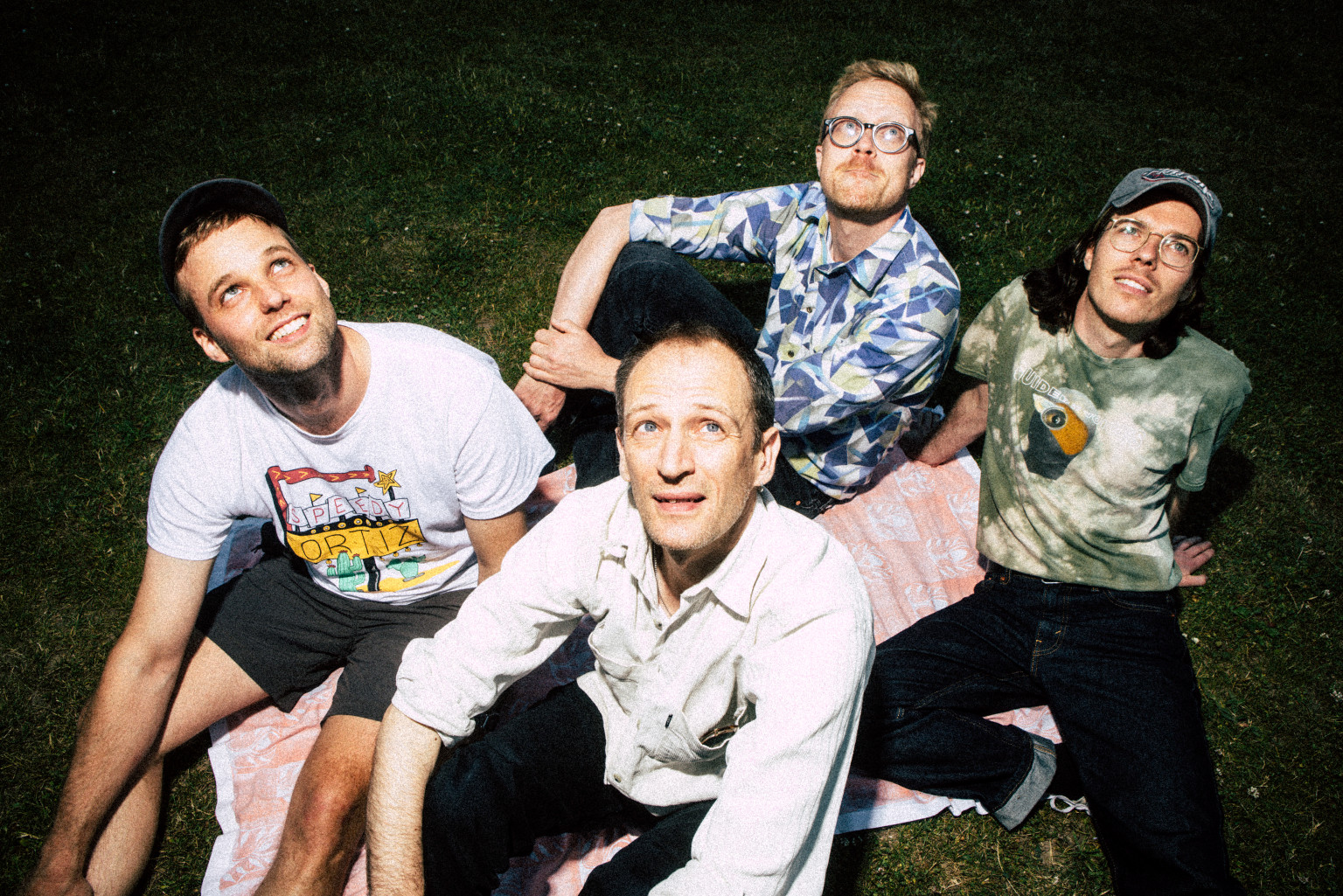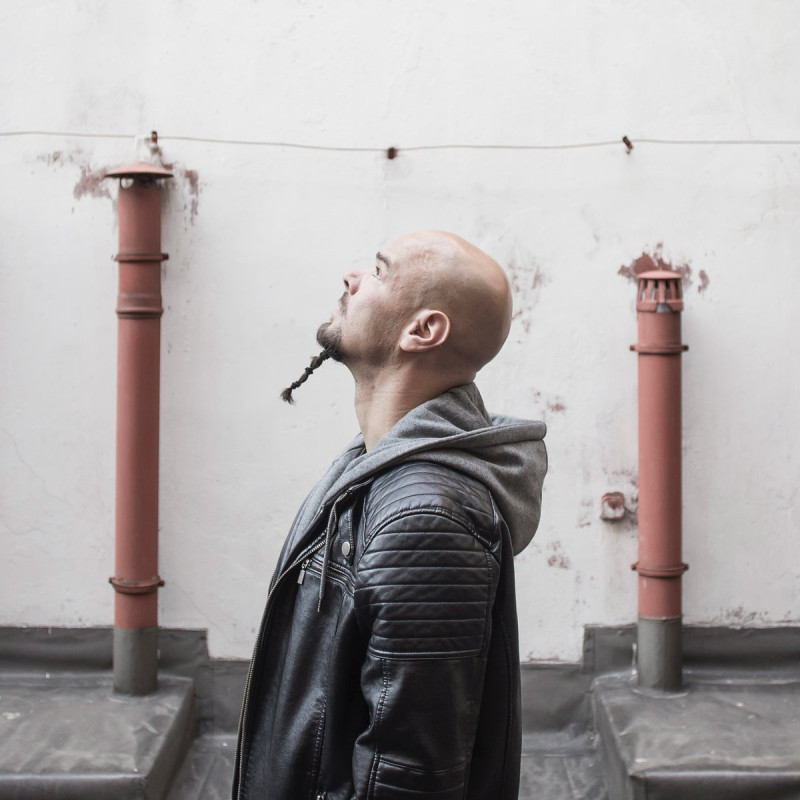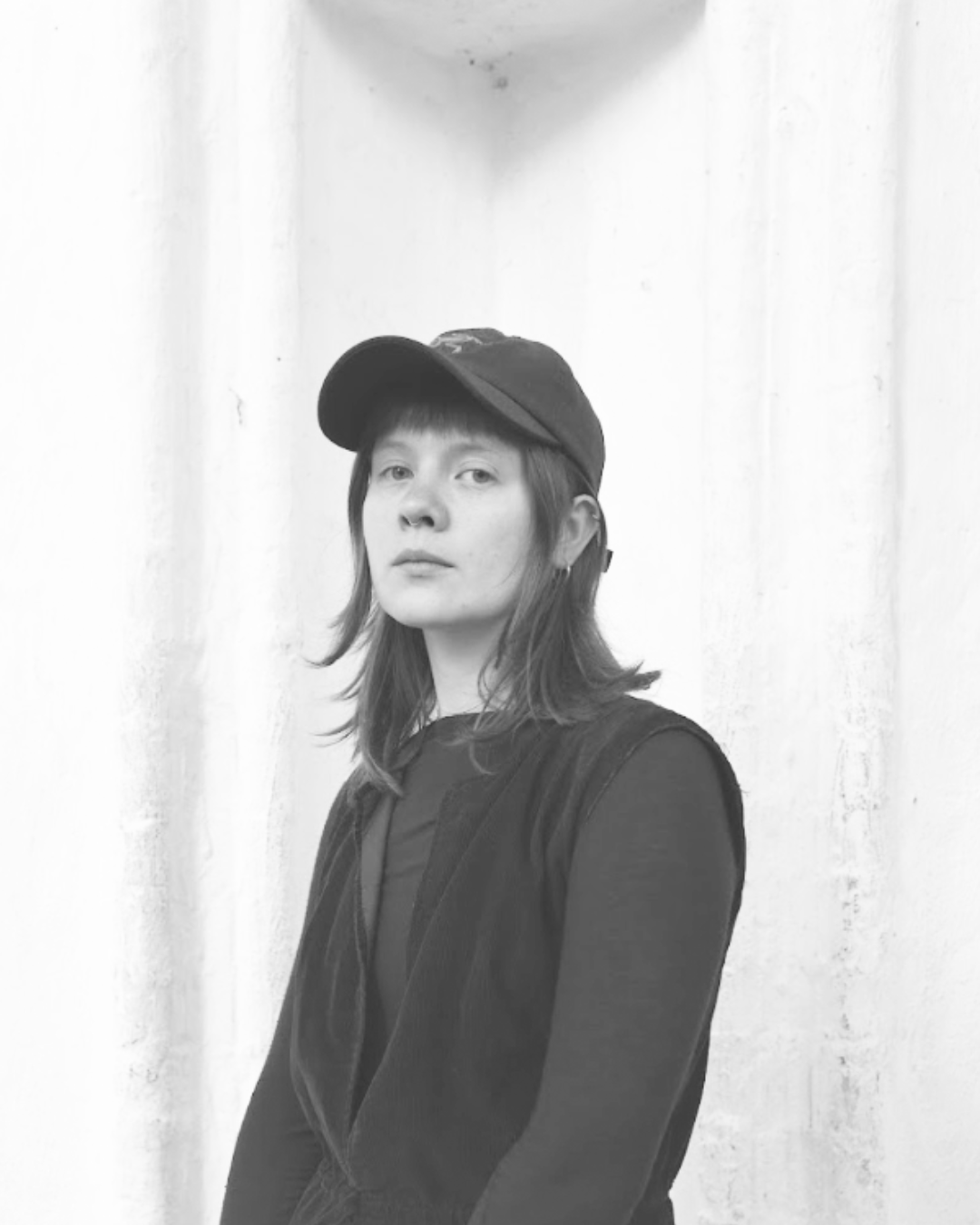
»For us, music is a lifelong fascination – something you can never fully get to the bottom of. You can study the mathematics, the rules, and the logic. But music also contains an element of magic – that aspect which creates an emotional resonance between the creator and the listener, transcending place, time, and language.«
Inspired by the playful, off-kilter alternative rock of the 90s, Inventory has forged a distinct sound comprising equal parts pop hooks, dissonant tension, and jazzy textures. It is guitar-driven music that embraces the unexpected, the quirky, and the soothing – navigating the space between the immediate and the challenging. Inventory is set to release their debut album, People Pyramids, in early 2027.
A Recipe for Ecstasy and Despair
If a meal is good, it’s worth making twice, right? That’s the approach taken by Krzysztof Wołek on his latest album Cookbook for the Modern Boygirl, where the song cycle is interpreted twice. The ingredients are straightforward: one girl (Agata Zubel), one boy (Chad Sloan), and a variety of electronic elements carefully assembled not simply to complement but also contradict each other. As for the recipe, that comes from poet Bunny Morris, in the form of seven texts exploring the body as a site of vulnerability and conflict.
Desire versus repulsion is the central tension running through the song cycle. Wołek accentuates this by atomising the vocal part, which doesn’t so much sing as gasp and stammer, its never-ending contortions enclosed in an atmosphere that pressurises the voice as much as it allows it to radiate.
Eruptions of sharp glitch fragments sound as both celebratory fireworks and shards cutting into flesh, playing into the songs’ continual blurring of food allusions with animalistic reflections on the body’s limbs, processes, sensations and fluids. As if to counter the challenges, the voice often resorts to overelaborate ornamentation, elsewhere receding into hissing whispers as if to hide from them.
The two interpretations are strikingly individual, Zubel leaning into frenetic histrionics, like an unhinged bird, Sloan into impassioned lyrical agonism. Though seemingly emanating from parallel universes, both versions unite in the impossibility of knowing what’s desperation or ecstasy, epitomising the fundamental instability of identity at the core of these dazzlingly visceral songs.
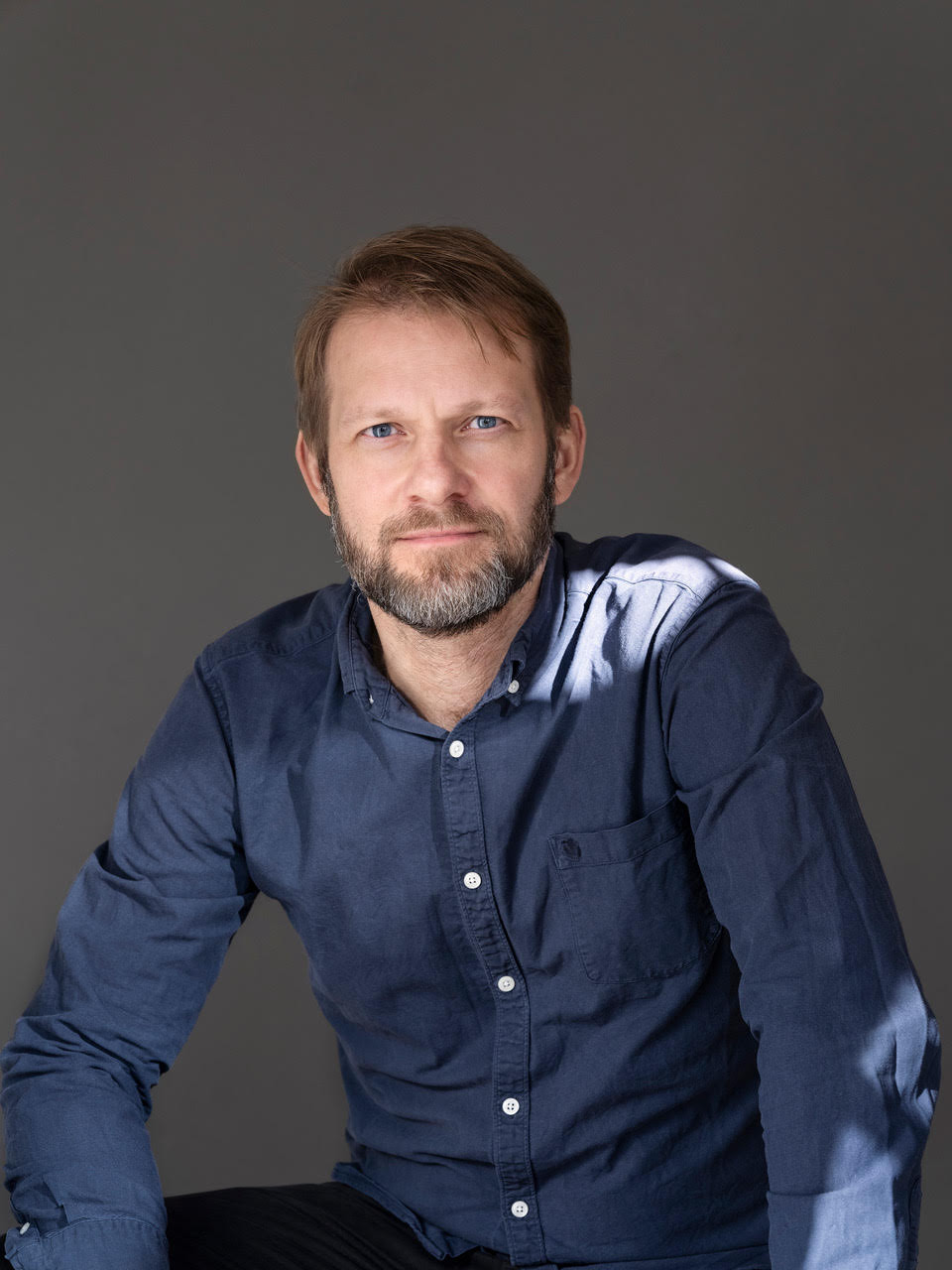
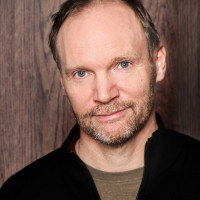
»For me, music is where all my books begin. I hear a track, visualize a scene unfolding in my mind, and then I simply write the rest of the book around it. More or less. My imagination takes root in music. This playlist serves as the mental soundtrack to the work I am currently finishing.«
Dennis Nørmark is an anthropologist, an internationally bestselling author, and a professional speaker. While known for his books on working life, he achieved his breakthrough as a fiction writer with the thriller Harare, which won the award for Best Danish Crime Novel in 2025, as well as the Glass Key Award for Best Nordic Crime Novel in 2026. He lives north of Copenhagen and is a father of five.
A Quilt of Care and Music
We all know the simple act of care involved in placing a blanket around another person. In the installation A Room to Wait In, this gesture is made literal through textiles and song, both carrying a history spanning centuries. Nan Na Hvass has quilted together 150-year-old fabrics with her own emotional experiences and contemporary encounters with waiting rooms during fertility treatment. Her aim is to transform the clinical space in which one wakes after a procedure, drowsy and clinging to a fragile hope, into a more nurturing environment that stitches generations together. And to bring music into the experience. Each quilt bears witness to the bodies it has warmed and the hands that have sewn it.
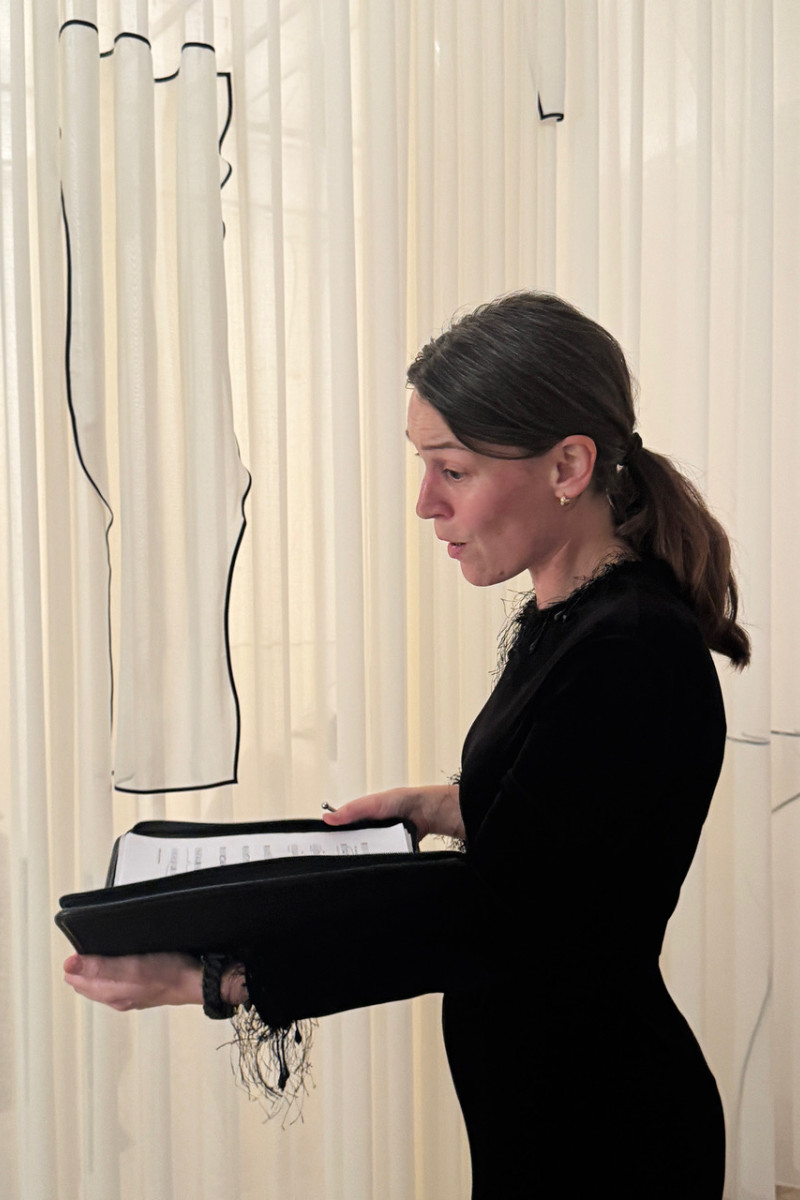
Soprano and multidisciplinary artist Katinka Fogh Vindelev moved among us as we lay on individual beds, each covered with a quilted bedspread. »This pain is not yours alone,« came the words in her beautiful, deeply intimate voice, set to music by Hildegard von Bingen, the Italian composer Barbara Strozzi and Vindelev herself. Melancholic minor scales descended; elsewhere, small melodies emerged from an earlier musical era, without leading tones – that is, without the sense of causality found in virtually all music since the eighteenth century. Sounds that simply exist, without control or any necessary direction – much like a person living with a fragile hope of fertility.
There were only four places available – an intimate concert in every sense, in which care, expressed through song, textiles and presence, merged in an almost magical way. The person lying on the bed next to me could not stop crying afterwards. The room was anything but clinical – song and textiles had transformed it into a place of care. Thoughtful and beautiful.
English translation: Andreo Michaelo Mielczarek