Rune Glerup
15




A string quartet consists of four players, and a clarinet quintet five, though the Danish composer Rune Glerup (b. 1981)’s newly recorded works for both ensembles would have you believe their ranks are vastly undercounted. The recipient of last year’s Nordic Council Music Prize for his violin concerto Om lys og lethed (About Light and Lightness), Glerup writes pieces for chamber and orchestra that are often characterized by their multidimensionality: a sonic idea will persistently recur in altered guises, for a sense that one is feeling around different facets of a physical form. Yet the two works on Perhaps Thus the End – brought to life by the impeccable Quatour Diotima and clarinetist Jonas Frølund – are just as potent a demonstration of expansive interiority as they are of surface area.
In the titular string quartet, whose seven movements are named for lines from Beckett’s late prose work Stirrings Still, long tones and galloping motives are seamlessly shuffled amongst the ensemble, generating such a sonority that the group seems to have doubled in size. The language is sometimes mechanical but never automatic, bending rather into balletic shapes. Glerup is a careful manager of texture, finding grace in unintuitive sounds through skillful layering – to speak merely of how, in a later movement, a harmonic pizzicato punctuates the string equivalent of vocal fry before the group pivots suddenly into stillness.
On the unexpectedly addictive »Still Leaning Towards this Machine«, which is surely among the few times a contemporary clarinet quintet has received that distinction, electronics magnify the ensemble through a subtle stuttering resonance. As a result, across three spunky movements, the group is occasionally transmuted into a sort of paranormal accordion. It’s a wonderfully weird effect that, just as weirdly, the score seems to deliver with a straight face – just one more satisfying surprise among many others on this excellent record.
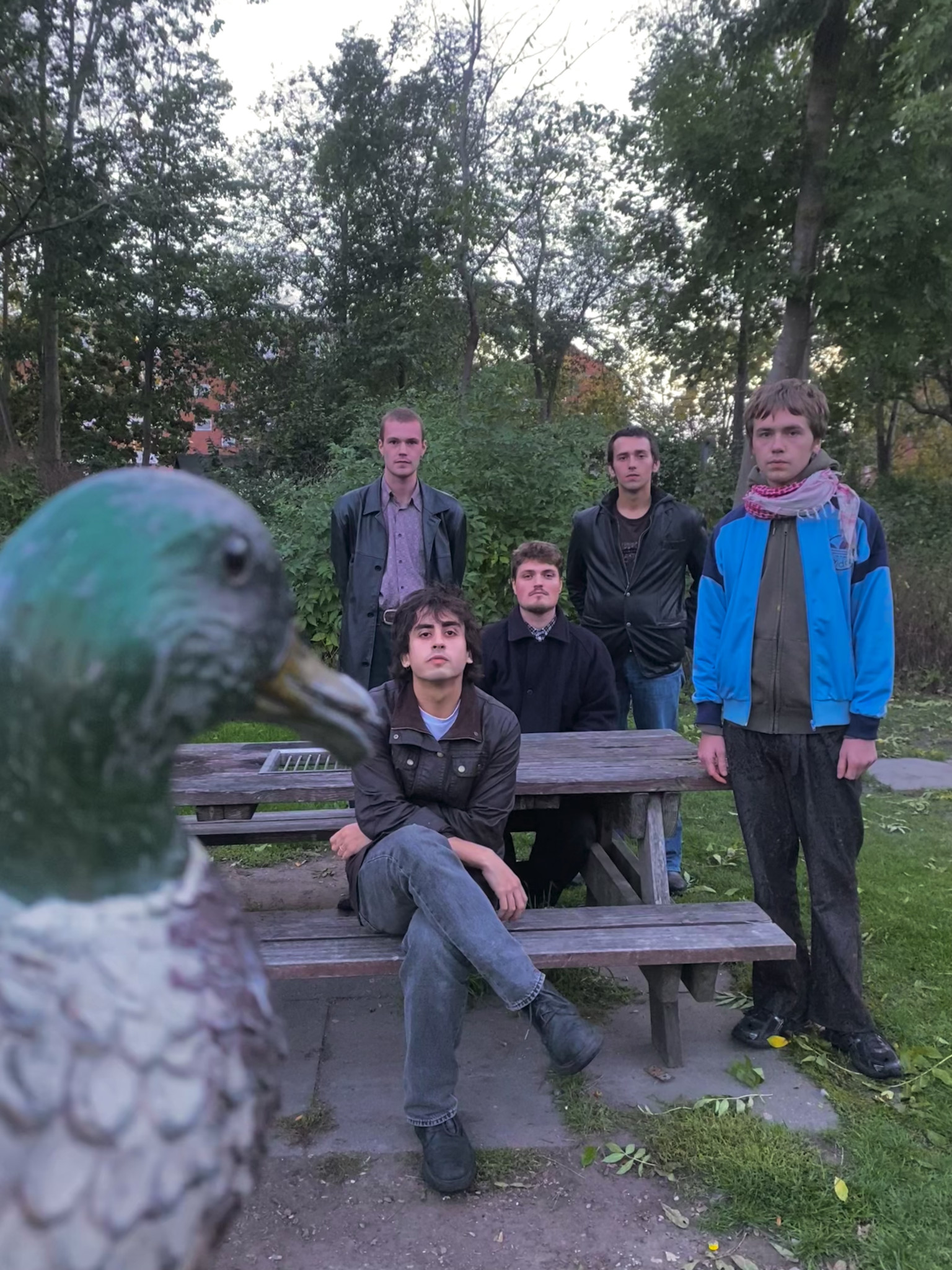
»For us, music is a transcendent force with transformative potential – something we get to experience and shape when we create sound together. It is an opportunity to describe one’s innermost universes without words, and the best way for an introvert to express intense emotions at full volume.«
With roots in Copenhagen’s experimental jazz and punk scene, Echo, Bravo challenges the notion of what a rock band can sound like. The quintet blends post-punk, free punk, and noise rock into a raw and unpredictable soundscape. They describe the music themselves as a kind of »empty-the-fridge soup,« where various leftovers come together. »Best enjoyed as a hot meal in a cold industry.«

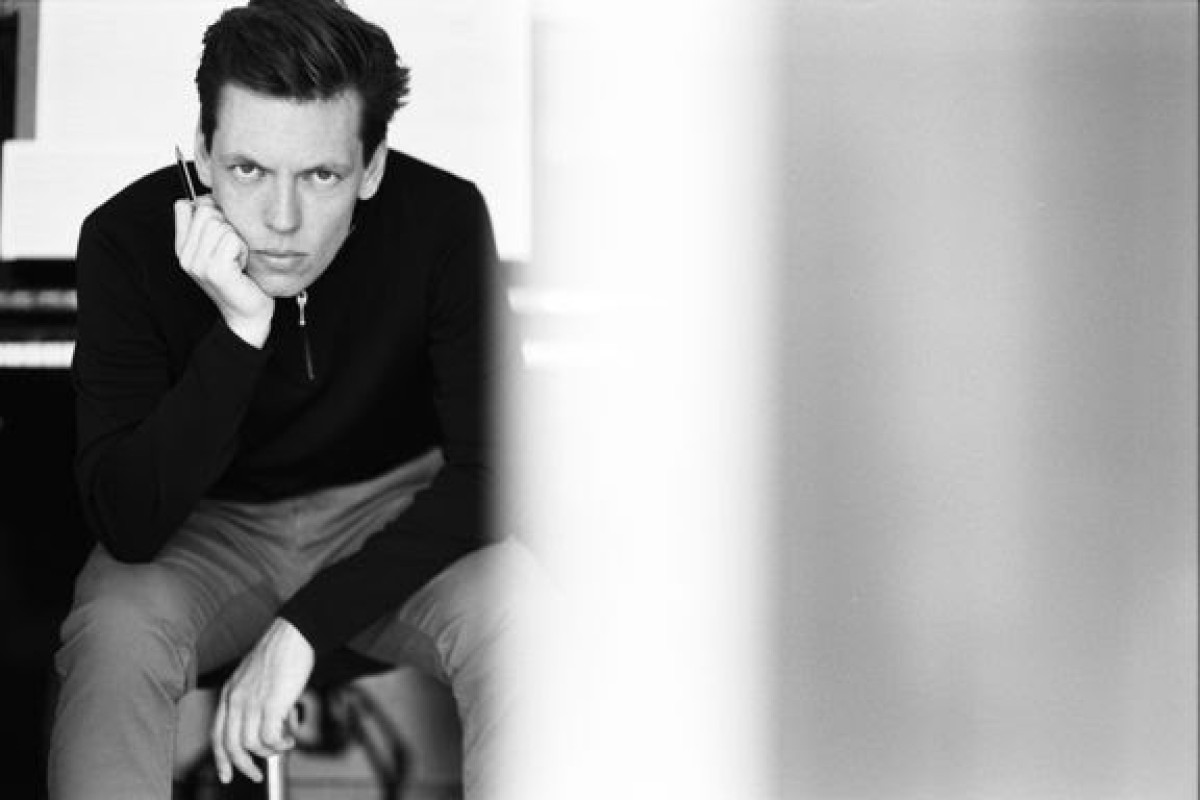
Thorbjørn Tønder Hansen has died. With Thorbjørn’s passing, the art music community has lost one of the Nordic region’s most significant producers, curators and cultural leaders.
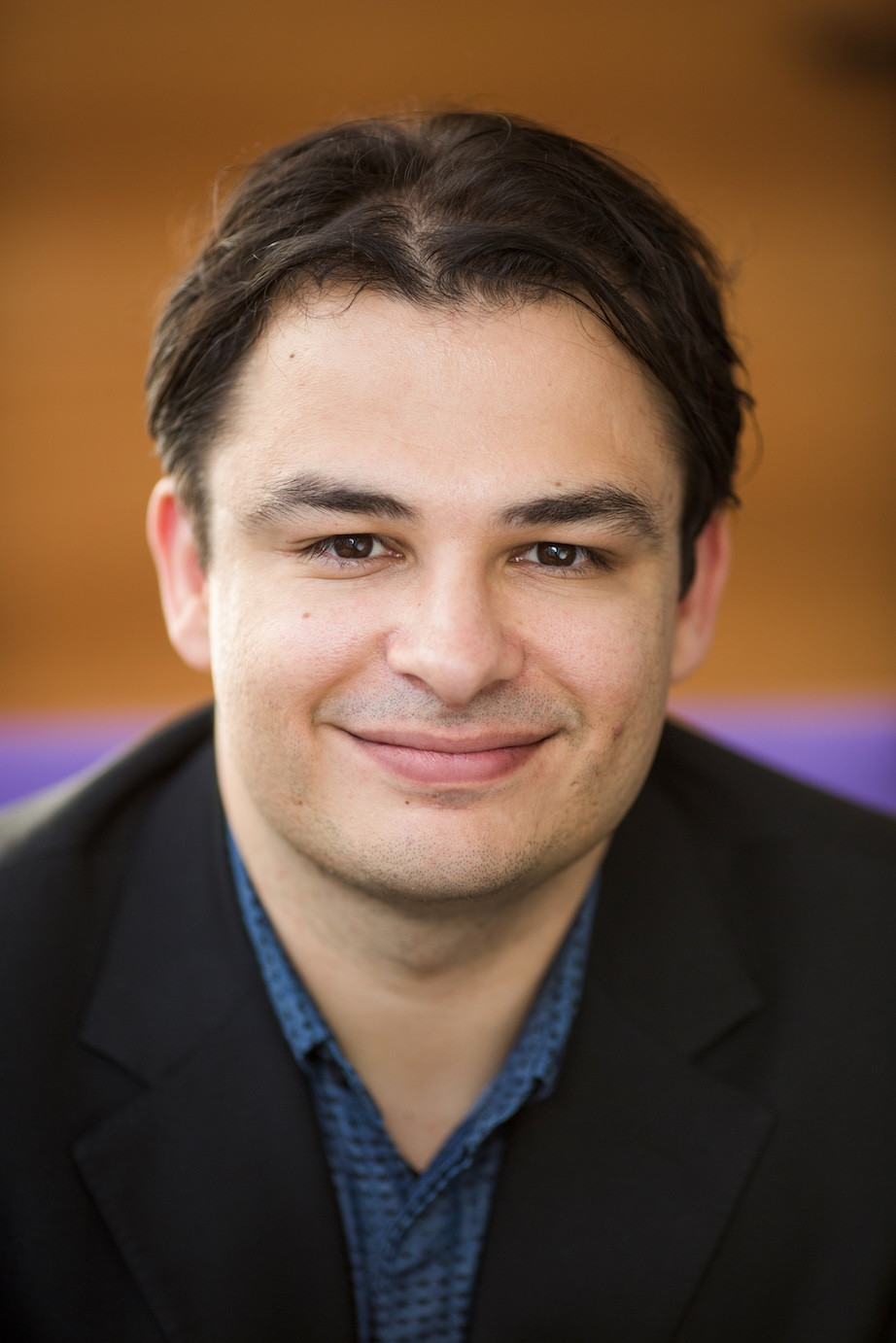
»Music is the best way to discover myself and understand the world around me.«
Luca Quintavalle is a harpsichordist, fortepianist and conductor. He has performed with ensembles including Concerto Köln, Harmonie Universelle, the Mozarteum Orchestra Salzburg and the Kölner Kammerorchester at venues and festivals such as the Kölner Philharmonie, Salzburg Festival and Enescu Festival. He was harpsichordist of Les Musiciens du Prince, led by Cecilia Bartoli, for over five years, and has conducted ensembles including the Orchestra and Chorus of Teatro dell’Opera di Roma, Concerto Köln and Deutsche Kammerakademie Neuss. His recordings include Mirrors, released by Berlin Classics and awarded an OPUS KLASSIK.
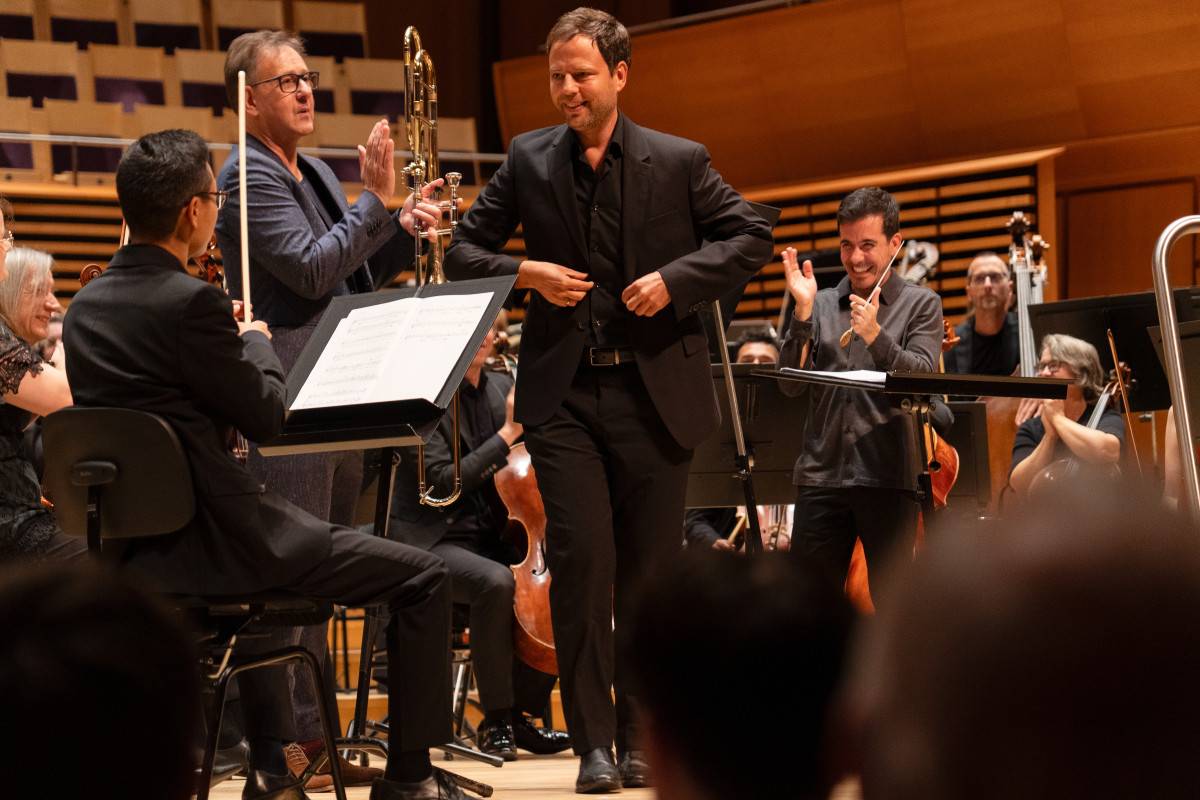
At 19, the Spanish composer (and trombonist) Francisco Coll wrote a wild-child of a trombone concerto that pushed the instrument out of its comfort zone. 22 years later he has created a new piece from some of that material. Its priorities are the opposite.
Tapias embraces the lyrical, ethereal qualities of the trombone. It is not a concerto, insists Coll. Perhaps it could be described as a set of frescoes for trombone and orchestra. Whatever the category, it’s a beguiling piece that was gorgeously birthed on Thursday by Ian Bousfield, conductor Nuno Coelho and a sumptuous-sounding Stavanger Symphony Orchestra.
Composers from Sibelius to Turnage have reacted against caricatures of the trombone as brusque and clowning by exploring its dark-hued lyricism. Coll does something more, setting his soloist’s introspective, intervallic melodies in evocative and provocative orchestral contexts. The soloist’s lines can resemble spray-canned tracings on walls already heavy with the patina of history, decoration and graffiti.
Initially the trombone appears to seek repose. The second movement draws it into more agility but the dancing is suppressed: a layered burying of all manner of rhythms from flamenco to Hiphop. Great wodges of rich harmony weigh the boogying down for good.
The trombone does find peace in the final movement – its long, soulful melodies more yielding. But not before Coll has conjured up moments of huge harmonic strain and conscious orchestral magnificence. They sat well next to Coelho’s fierce performance of Shostakovich’s Symphony No 5 after the interval. But Bousfield’s heartfelt journey through Tapias, sounding entirely at one with the orchestra, will linger longest in the mind.
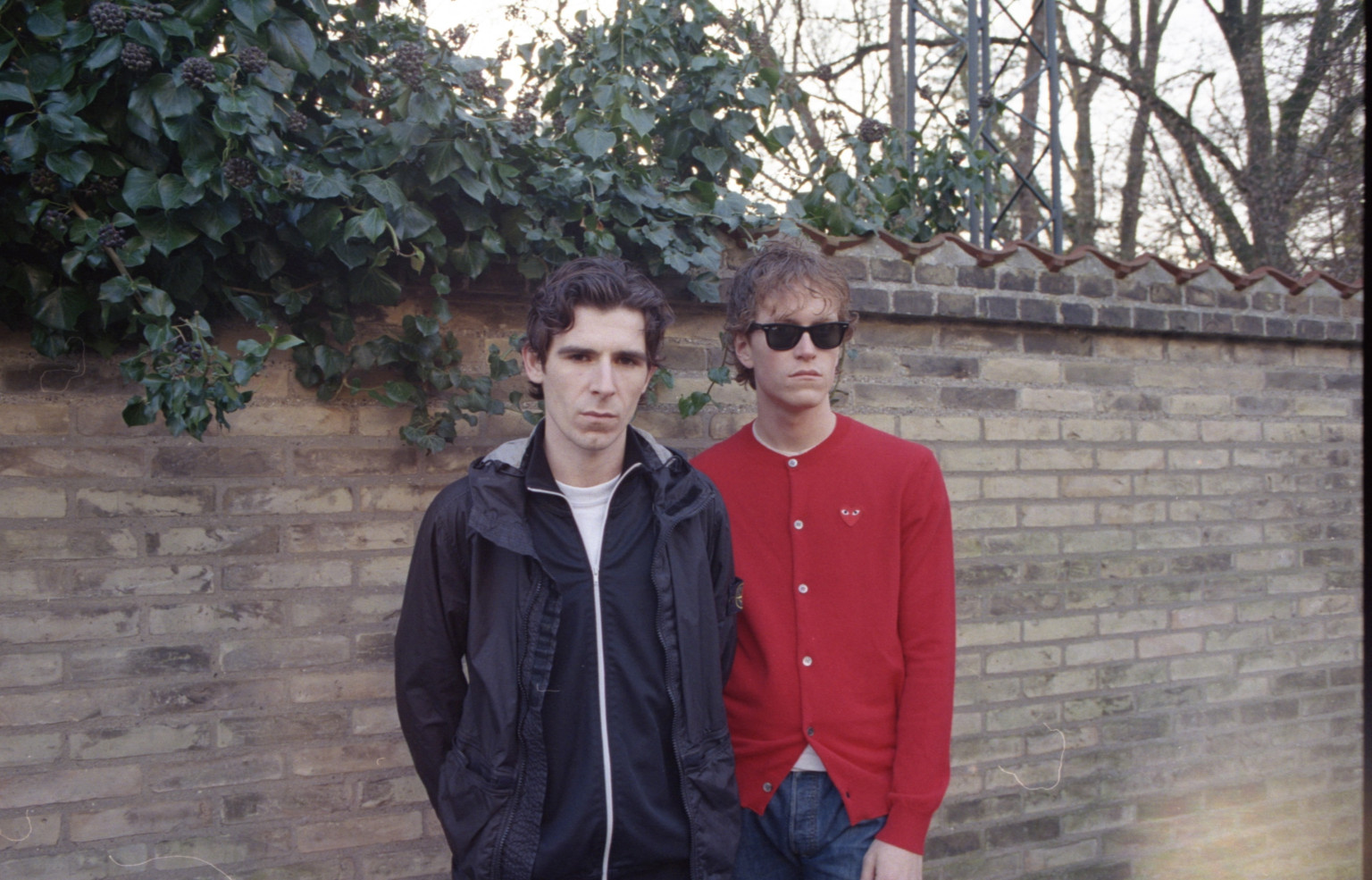
»For us, music is a passion, a livelihood, and a focal point for us and our best friends in the band.«
Barselona consists of Rud Aslak and Rasmus Theodor. The band was formed in 2016 after a year at Ollerup Musikefterskole and has since released five albums and two EPs, most recently the album *Tag Min Hånd, Så Slipper Vi*, which is set for release in September 2026.