
in briefrelease
21.05

Artificial Intelligence on Autoplay

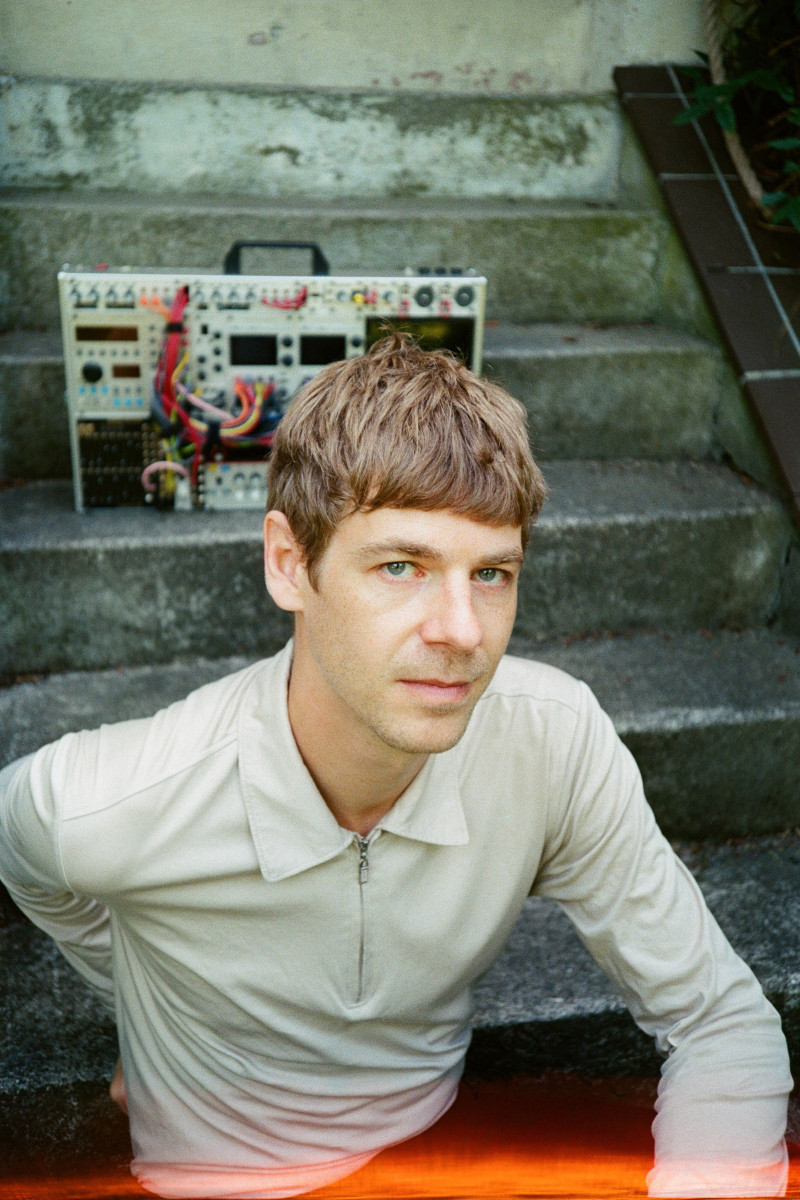
Slopcore: »Simon Littauer«
© PR
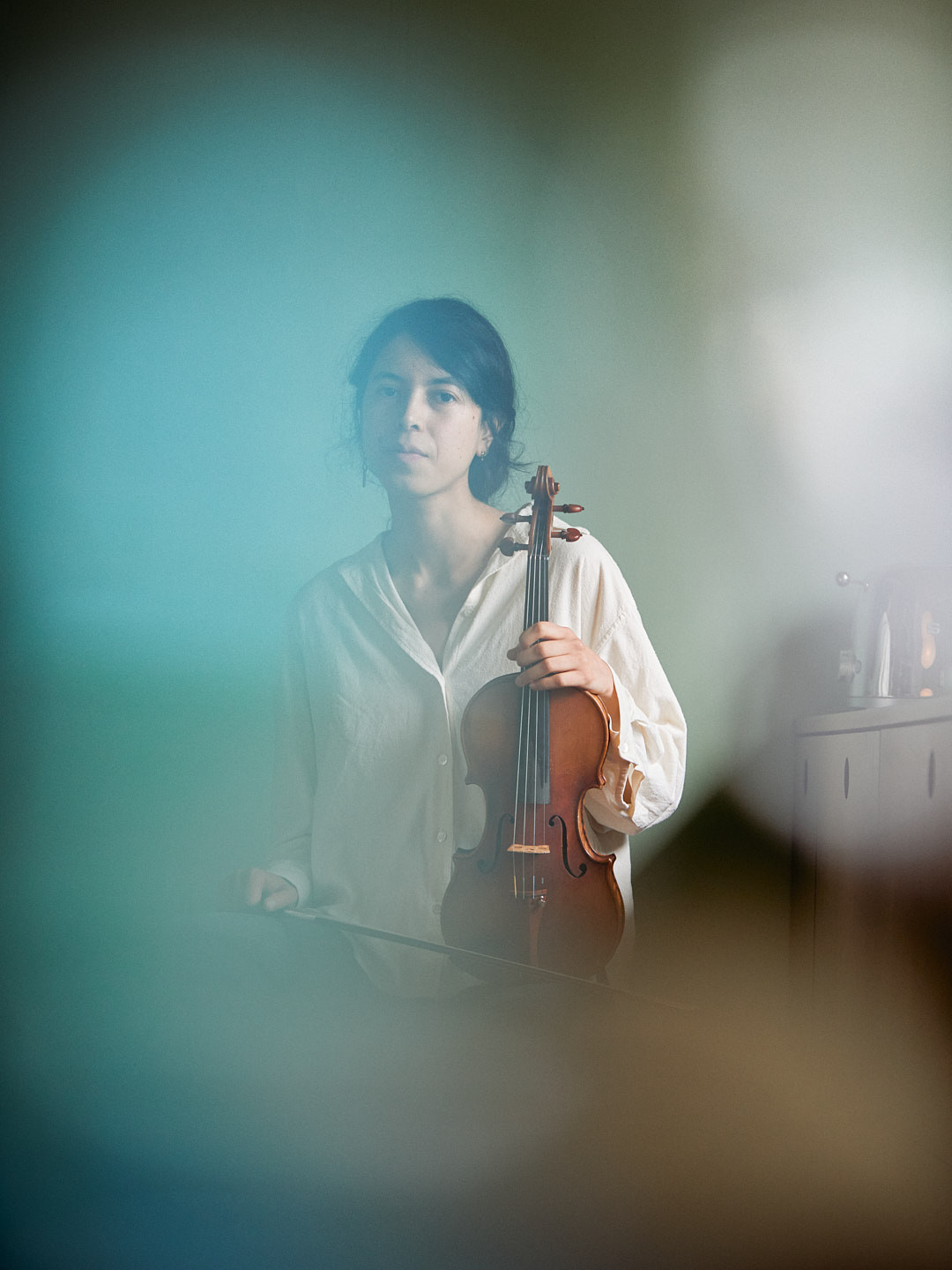
© PR

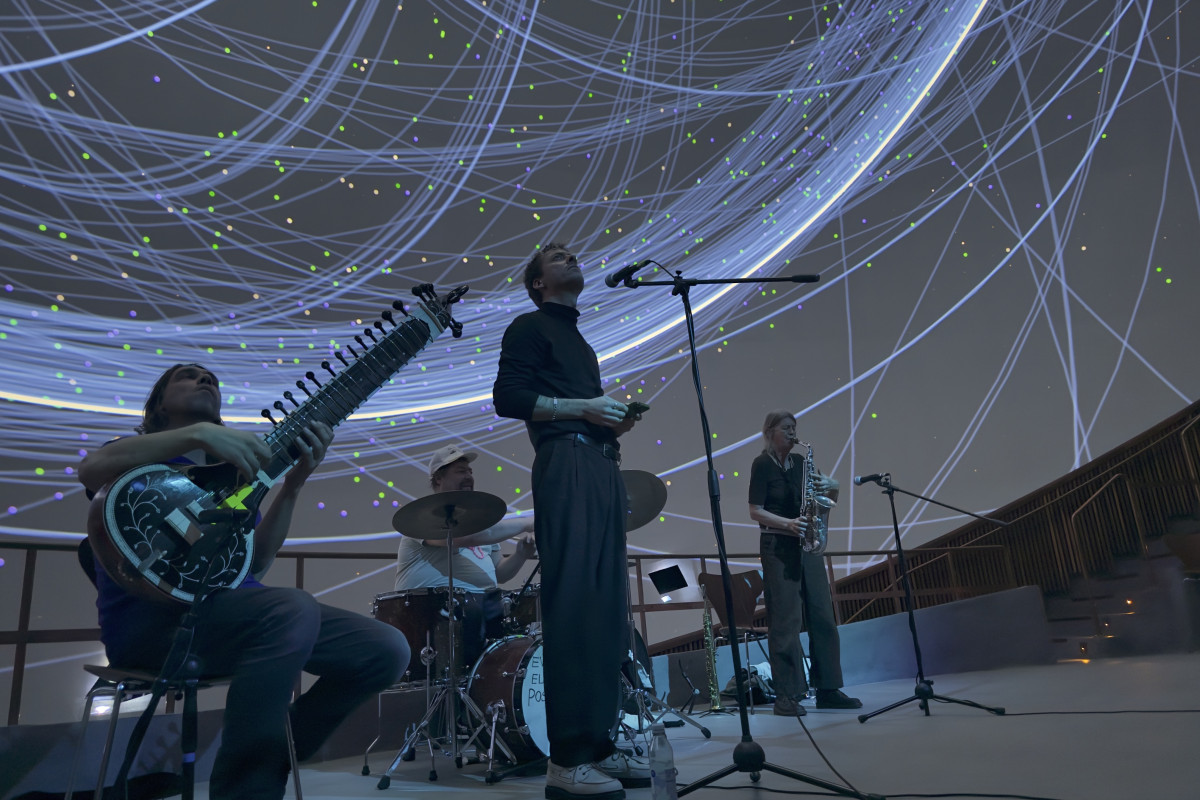
The logic of automation has long been part of modern music production. But what happens when it no longer merely assists, but takes over the creative process and artistic execution itself? Simon Littauer’s Slopcore is one of the latest attempts to answer that question. The sound of the AI-driven project is not radical as such, but it is interesting because Slopcore is several things at once: both a concrete take on an artistic practice shaped by recent developments in AI, and a symptom of the all-encompassing data models currently being debated so intensely.

Slopcore mimics the logic of a familiar streaming platform, except that the music here is generated in real time, with the audio stream continuously adapting to the listener’s behaviour, allowing users to proactively like the output or skip ahead whenever they want. The simple interface – featuring play, pause, and a heart icon – is accompanied by a pointillistic waveform that visually emphasises how Slopcore’s aesthetic winds its way through recognisable electronic terrains of house, 2000s electronica, IDM, techno, drum’n’bass, ambient synth textures, etc. etc. Most of it is rhythmically, harmonically, and melodically coherent, without being overly experimental.

As an AI-boosted extension of Littauer’s broader musical practice – which already contains strong aleatoric and algorithmic elements – the whole thing makes perfect sense. AI is not disappearing as a technology, and the parallels to Spotify’s growing AI ambitions or platforms like Suno are obvious enough. Littauer’s position as an established electronic musician becomes entangled in a deeply commercial and opaque data architecture (read: Google’s). And the title clearly references – perhaps ironically – the concept of »AI slop«, the term used to describe the generic, soulless overproduction of images and sound flooding digital platforms. Beyond being an entertaining listening experience, Slopcore can also be seen as a relevant – perhaps, in the current climate, even courageous – contribution to an ongoing and confusing debate about artistic integrity and authenticity in a cultural world that cannot decide whether it wants to resist or simply log in.

English translation: Andreo Michaelo Mielczarek

© PR

»Music has been a healing balm for me.«

John William Grant is an American singer, musician, and songwriter holding both American and Icelandic citizenship. He first came to prominence as a co-founder, lead vocalist, pianist, and primary songwriter of the alternative rock band The Czars. After releasing six albums between 1994 and 2006, the band disbanded, and Grant withdrew from music for four years before embarking on a solo career.

He returned in April 2010 with a critically acclaimed debut album recorded in collaboration with Midlake. Queen of Denmark was named Album of the Year 2010 by Mojo magazine and was also selected as one of the ten best albums of 2010 by The Guardian’s music critics and writers.

© Malthe Folke Ivarsson

»In his music, composer Allan Gravgaard Madsen tries to create a better version of himself.« 

Allan Gravgaard Madsen is a Danish composer based in Copenhagen. His most recent works include Träume nicht and Nachtmusik. He tries to create a better version of himself in his music – where his personality tends to be restless, chatty and has an active inner life, his music is controlled, simple and merciless in its expression. He is the recipient of the Carl Nielsen & Anne Marie Carl-Nielsens Hæderspris 2022.

in briefrelease
23.01.2022

Finnish Space Travel

Tomutonttu: »Hoshi«
© Tomutonttu: »Hoshi«

The Finnish multimedia artist Jan Anderzén has, with the album Hoshi, released under the solo moniker Tomutonttu, created a true little star. Not only because »hoshi« literally means »star« in Japanese, but above all due to the music itself. There is something cosmic, yet infinitely minute, about the sonic worlds Anderzén conjures—like a galaxy reflected in a puddle, or a space journey in a rocket carved from a hollow tree trunk. Synths emit busy, warm blips and bloops, while ultra-short vocal and instrumental samples create a recognizable blur. At once artificial and organic – soft, rounded, jagged, crackling.

Anderzén approaches sound with a playfulness I simply adore. His music is strange in an incredibly comforting way. It places me in a kind of colorful, trance-like state, only interrupted when, several times over the course of the album, I find myself smiling in delight at a particularly great sound. The synths on »Katse osuu sähköön!« The choral samples on »Kesä oli äkkiä ohi!« Milo Linnovaara’s flute on »Malta lausua ‘AH’!« And many more. Hoshi is an album packed with microscopic moments that together form a frayed, exploding, radiant, idiosyncratic whole—a stellar moment of just under 38 minutes.