in briefrelease
29.09

Drums of Dissent

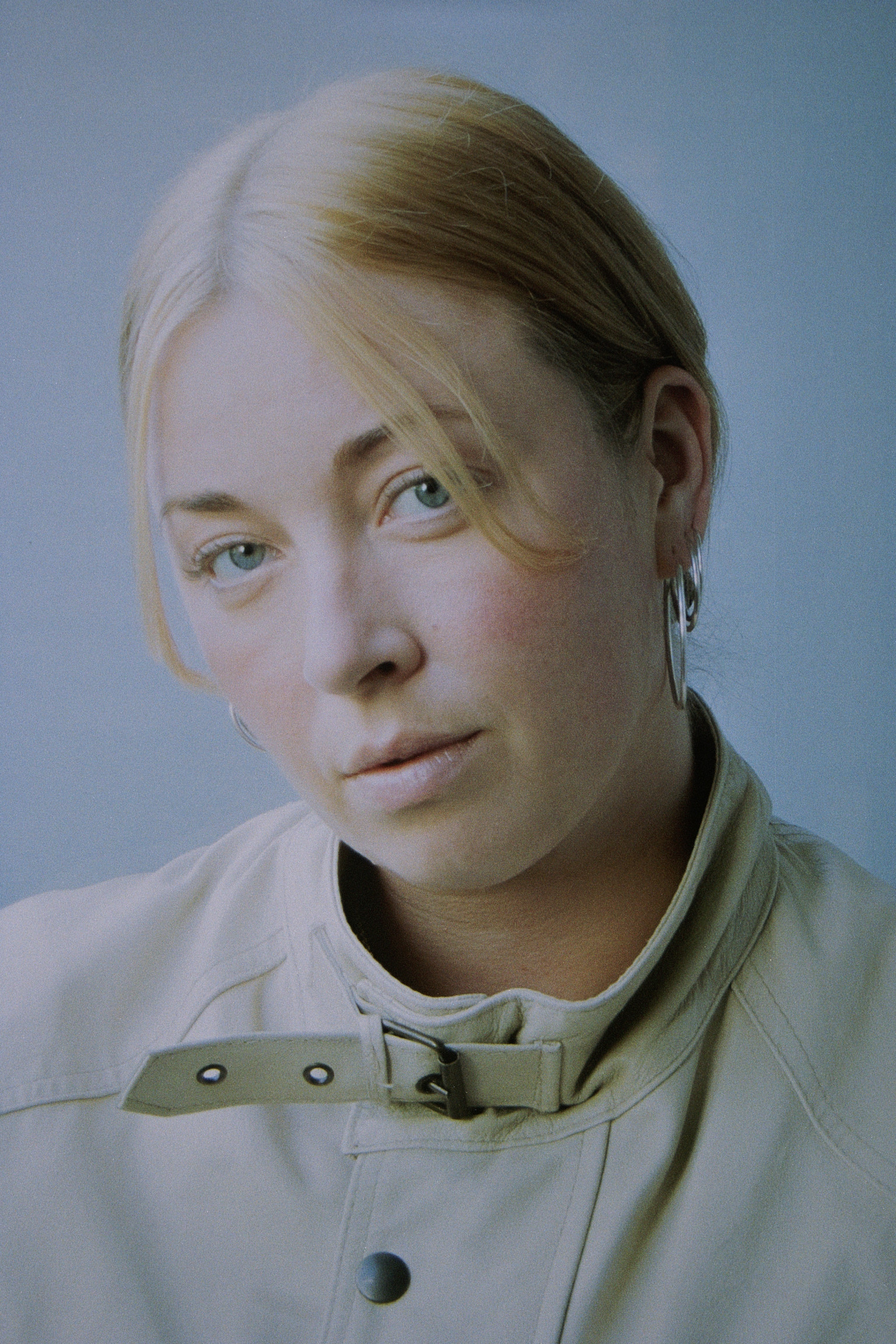
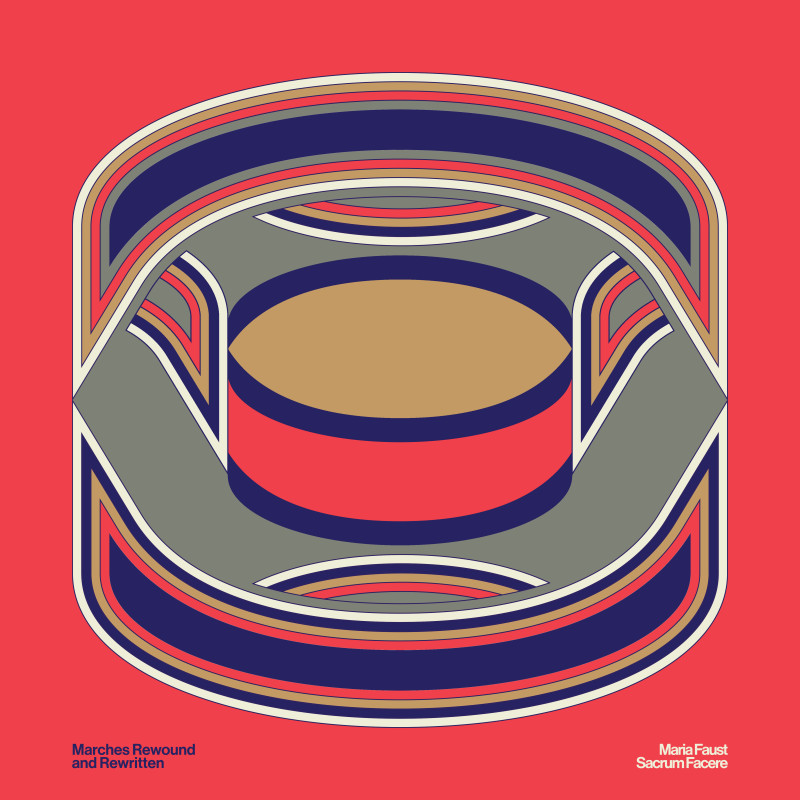
Maria Faust Sacrum Facere: »Marches Rewound and Rewritten«
© PR

With her latest album, saxofonist and composer Maria Faust has put the political at the center of jazz, in the long tradition of Ornette Coleman, Miles Davis, Charlie Haden, Fred Frith and Tom Cora, just to name a few. What is surprising is her choice of genre, marches, which is not a per se a traditional jazz form. If Charles Mingus, for instance, payed his tribute to New Orleans marching bands, Faust’s choice is definitely antagonistic. The marches she manipulates and destroys from the inside are not of the entertaining sort, unless you’re a general, as they are of the military and nationalistic kind.

Faust’s score would be a perfect fit for plays like Alphonse Allais’s Père Ubu and Bertold Brecht’s The Resistible Ascension of Arturo Ui, in its use of the grotesque as a creative driving force. Faust’s genius however doesn’t lie in turning these marches into farcical circus fanfares, but in creating a truly threatening space within the music, through chaos but also heart-breaking dissonances, which could be heard as a reminiscence of the wailers mourning their dead fallen in the war. Her fairly large ensemble – seven musicians, plus herself – which is composed of six horns and two drums/percussion creates a perfect harmony-disharmony universe, as if Charles Mingus and Sun Ra had worked together.

Marches Rewound and Rewritten is a seminal and important album which shines darkly in these difficult times and reminds us that everything is political – especially music.

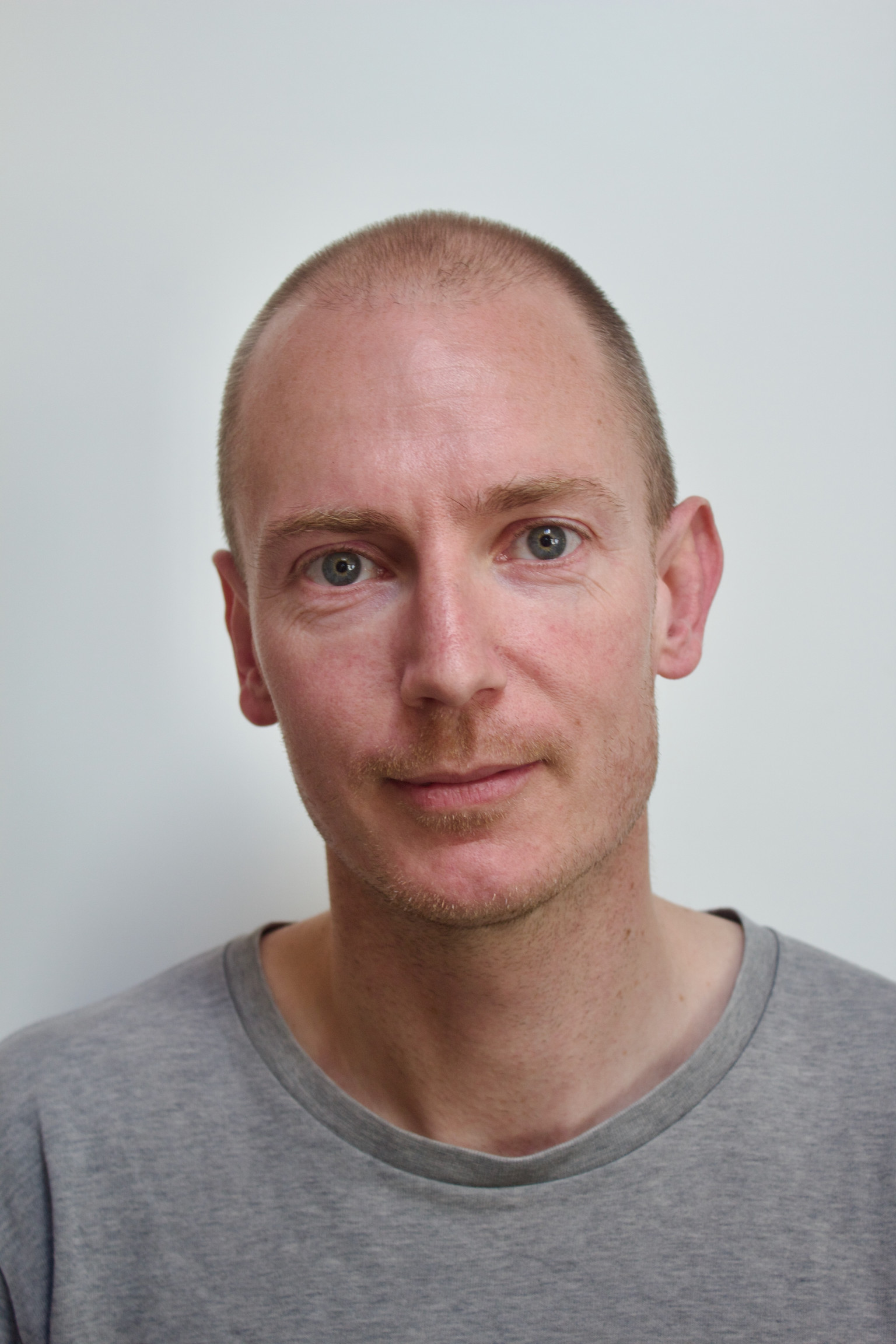
© Meseguer

»To us, music is the definitive companion. As listeners, it fosters a sense of communion, bridging the gap between souls through the shared experience of sound. As creators, however, music confronts us with our own inner void, that profound solitude that nourishes the creative spirit. At the same time, it dares us to leap into the unknown to decipher the ineffable. Music anchors us to the present moment, to the 'now' shared with a live audience; yet, it also touches the eternal.«

L'arannà is an electronic folk duo. With their last project, Turmarí, the duo dives deep into the folk music traditions of the Pityusic Islands, offering – through their blend of sound exploration– a perspective on Ibiza and Formentera. Synthesizers and keyboards share the stage with traditional instruments and aesthetics inspired by the ancestral ball pagès dance. Reviving cant redoblat (a unique form of singing from these islands preserved by fewer than twenty people) the group weaves a narrative that traces the roots and lived reality of two islands that are far more than just a dreamt-of paradise. The band will be touring around Denmark and Sweden, from 27th to 31th of May, playing at venues like Turkis, Dexter, Inkonst or ALICE.

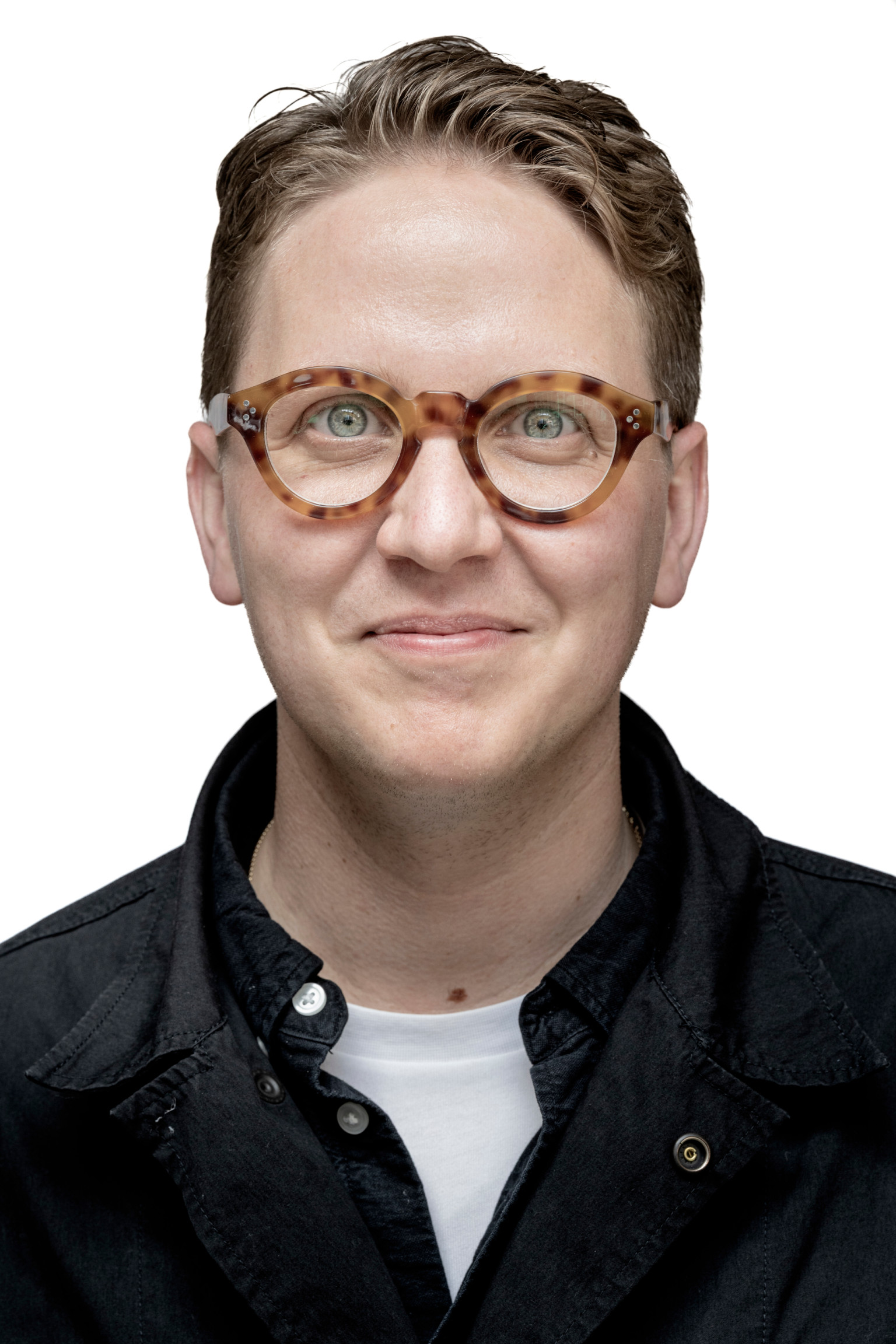
© Ana Alexandrino

»Music to me is movement, trance, transformation. The rest I won't tell you.«

Marcela Lucatelli is a vocalist and composer. Born in Brazil and based in Denmark, she has gained international recognition for her boundary-pushing performances — sensuous, politically charged, and uncompromisingly original. Described by The Wire as a composer of »scores for the limits of bodies and voice,« Lucatelli challenges conventions with her fearless vocal experimentation and bold compositions. Her works have been performed by Danish National Symphony Orchestra, Danish National Vocal Ensemble, and Neue Vocalsolisten Stuttgart. She has appeared at major festivals and venues, including Theatro Municipal de São Paulo, DR Koncerthuset, Donaueschinger Musiktage, Darmstadt Ferienkurse, IRCAM, Copenhagen Opera Festival, Ultima Festival, Borealis Festival, Copenhagen Jazz Festival, Jazzfestival Saalfelden, Cafe Oto, A L’ARME!, DMA Jazz – Danish Music Awards, WOMEX, and many more. Lucatelli's work has earned her several prestigious awards, including the Carl Nielsen and Anne Marie Carl-Nielsen Talent Prize (2019), Pelle Prize (2021), and the Danish Music Awards' 2023 Vocal Jazz Release of the Year, which shows that vocal jazz has many faces – and does not necessarily belong only to the soft end of the spectrum.

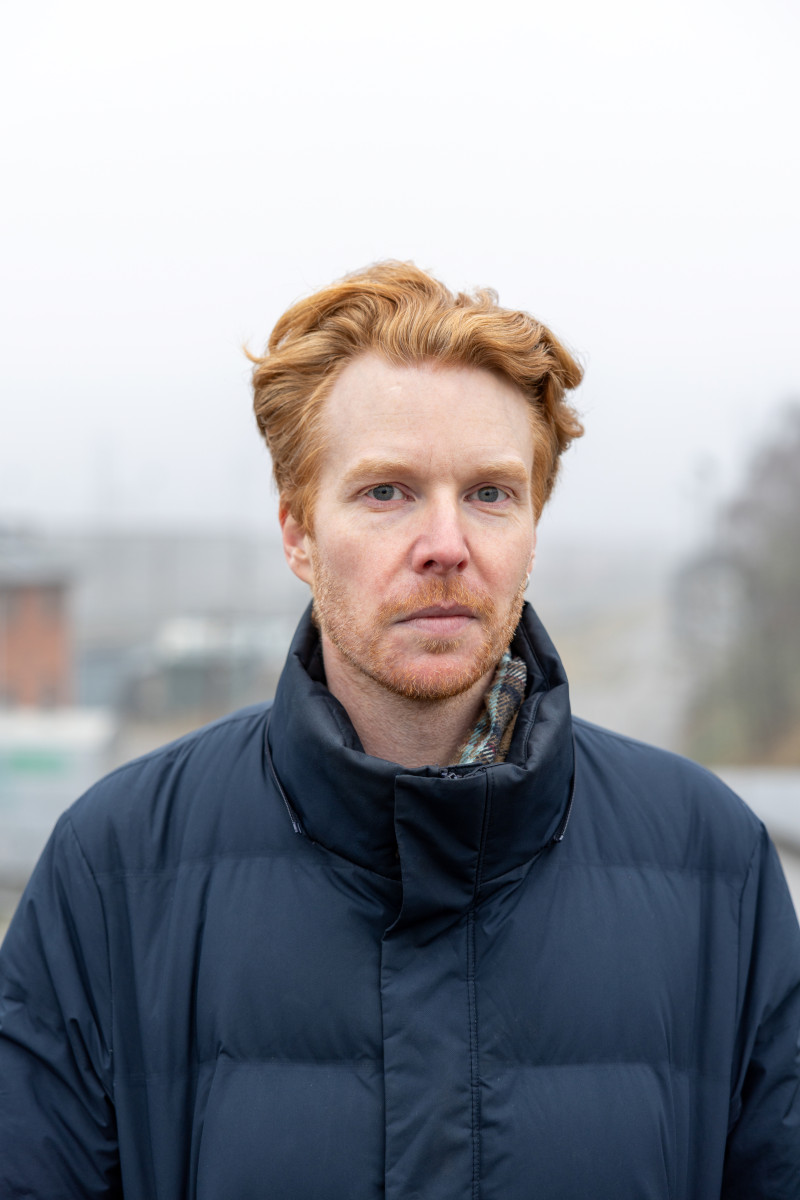
© PR

»What is music to me? Here’s a quote from Nietzsche: ‘The people dancing all seemed crazy to the people who couldn’t hear the music.’«

Salim Washington is a saxophonist, multi-instrumentalist, composer, academic, and activist from Detroit who has been highly active on the American jazz scene since the 1970s, and also in South Africa, where he became a central figure. The spirit of John Coltrane hovers over his music, which carries both spiritual and social dimensions.

© Aske Jørgensen

»Music for us is the perfect language that we love to speak. A language where it is the individual's feelings and imagination that determine what is right and wrong. Everyone can speak the language. You don't have to be able to write or understand, but just listen. Some music requires that you listen carefully and maybe hear it several times. A bit like when you talk to someone from Norway or Sweden, you also have to listen a little extra.«

DØGNKIOSK is a Danish punk rock band with roots in Silkeborg. The band consists of bassist and singer Anders Ejner, who has been active on the Danish underground scene for several decades. Musically, DØGNKIOSK moves in a field between classic Danish punk and alternative rock. In the spring of 2026, the band will release their second album, Tæt på kanten.

© Bastian Zimmermann

It is difficult to comprehend that Andreas Engström is no longer with us. Just a couple of months ago, he wrote – as he had done so many times before – with an ambitious proposal: he wanted to review a box set of twenty releases by Dror Feiler. In the same message, he mentioned plans to come to Aarhus for the recently concluded Spor Festival.