in briefrelease
11.02

Echoes from the Olive Trees

Mai Mai Mai: »Karakoz«
© PR
© PR

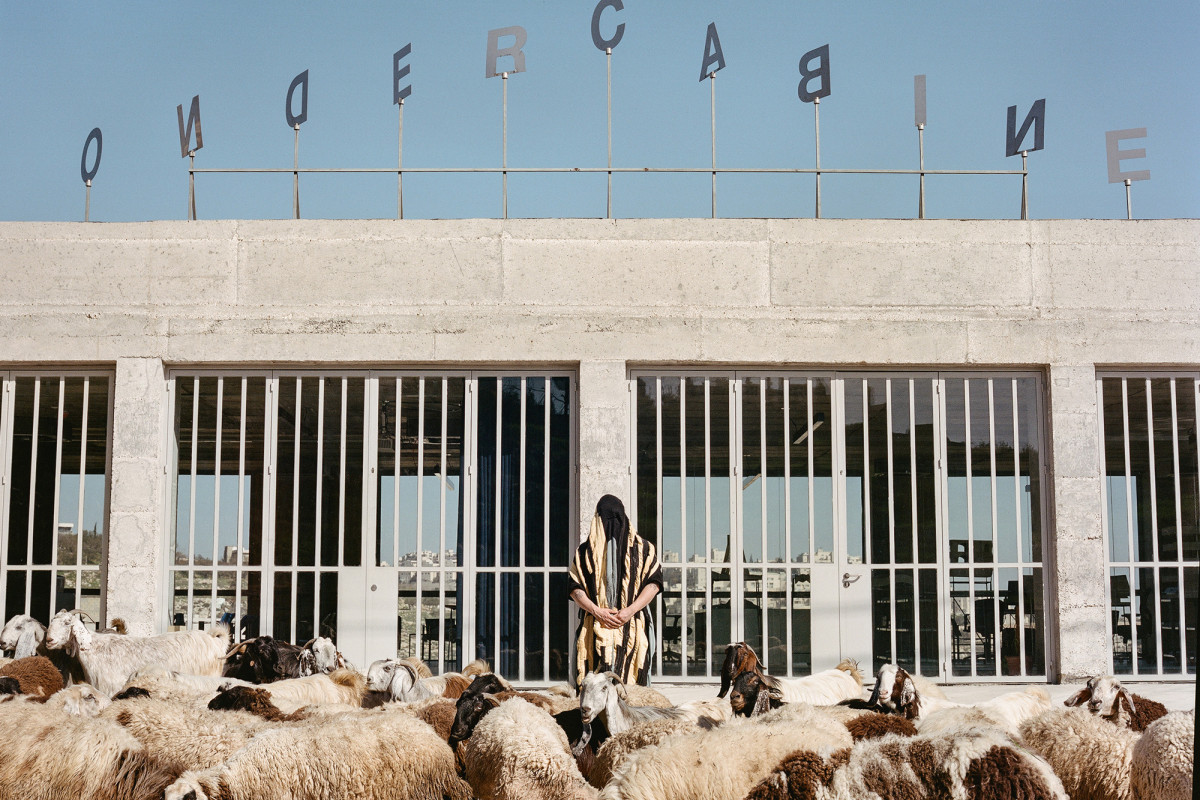
Grief is hereditary. It is collective and more than mere streams of tears – as countless generations of oppressed Palestinians can attest. On the album Karakoz, the Rome-based musician Mai Mai Mai creates a resonance of this collective sorrow and attempts to grasp the desperate hope of the Palestinian people. Not through political slogans, but through dark spiritualism and synthesizers.

Karakoz is an ancient form of shadow theatre with roots in the Ottoman Empire, and the album title serves as an omen of the musical pulse that sets in from the opening track, »Grief«. Here the music sounds like an archaic folk hymn: slow, repetitive percussion creates a tear-soaked minimalism, and the piece feels like a ceremony passed down through generations. With synthesizers slowly coiling around Maya Al Khaldi’s yearning vocals, »Grief« becomes a cultural bridge between forgotten traditions and the painfully current tragedy that today envelops Palestine in an all-consuming darkness.

Across the seven tracks, one hears trauma like a wind murmuring through the streets and among the olive trees. This may be because the album was created in collaboration with local artists and includes archival material from The Palestinian Sound Archive – an archive of decades of forgotten music, poetry, and album covers. Karakoz is a reinterpretation of Middle Eastern spiritualism and forgotten music. It is a testament to grief as lived experience, and as an archival bulwark, Karakoz thus takes part in the struggle for a free Palestine.

English translation: Andreo Michaelo Mielczarek

in brieflive
28.03

Opera or Exam Preparation?

Mauro Patricelli, Signe Asmussen, Matias Seibæk, Anders Banke, Thommy Andersson, Jessica Lyall et al.: »Tarantula«
© Søren Meisner
© Søren Meisner

Tarantula is presented as a »documentary opera«, a genre created by Mauro Patricelli. The work takes its starting point in tarantism – the myth of the spider’s bite, which triggers madness and the ecstatic dance that heals – and intertwines it with A Doll’s House and Napoli by August Bournonville. The ambition is clear: to reflect female experiences of mania, oppression, and interpretation throughout history. The scenography reinforces the documentary approach. Five suspended screens display text, archival material, a dancer, and a professor character who didactically explains the work’s sources. At the same time, four musicians and the soprano Signe Asmussen stand in a row.

The music alternates between long, bare lines and repetitive, rhythmically complex figures clearly inspired by the tarantella. Yet this very complexity becomes a drawback: the reliance on click-track and sheet music lends a mechanical quality that clashes with the work’s purportedly demonic and physical energy. The main issue is the balance between explanation and interpretation. The professor figure constantly dictates the reading, undermining the work’s own critical ambitions – not least when it simultaneously critiques a »male lens«. The engagement with Ibsen also feels simplified, almost misread, functioning more as illustration than genuine interpretation.

The libretto – largely composed of historical sources and academic language – weighs heavily on the dramaturgy. When a letter about Ibsen’s knowledge of tarantism is elevated to a dramatic climax, it becomes difficult to grasp what is truly at stake. That the text is sung, projected, and handed out in libretto form only intensifies the sense of redundancy. In the end, one is left with the feeling of having attended a lecture rather than an opera. My final note before the curtain fell: Will this be on the test?

English translation: Andreo Michaelo Mielczarek

© Christian Klintholm

»Music is just something for me.«

Christian Juncker is a Danish musician and songwriter who has released a number of Danish-language albums. He debuted in 1995 with the band Bloom. Together with his friend Jakob Groth Bastiansen, he formed the duo Juncker in 2002. He is also behind the Christmas carol »Luk julefreden ind« from 2024.

© PR

»Music for me is a place to meet both oneself and others in emotions. It is freedom, community, individuality, language and expression.« 

Danish artist Alice Ai combines emotional depth with electronic impact and a punk energy. Her sound moves in the field of tension between the vulnerable and the confrontational – between the human and the synthetic. This duality is embedded in her name: »Alice« refers to curiosity and adventure, and »Ai« points towards the artificial and technological. Together they form the foundation for a contrasting universe that permeates both her music and artistic persona. Alice Ai will play at this year’s Roskilde Festival.

© Guy Wasserman

»Music, for me, reveals the emptiness of boundaries and definitions – in consciousness, in space, and in music itself.«

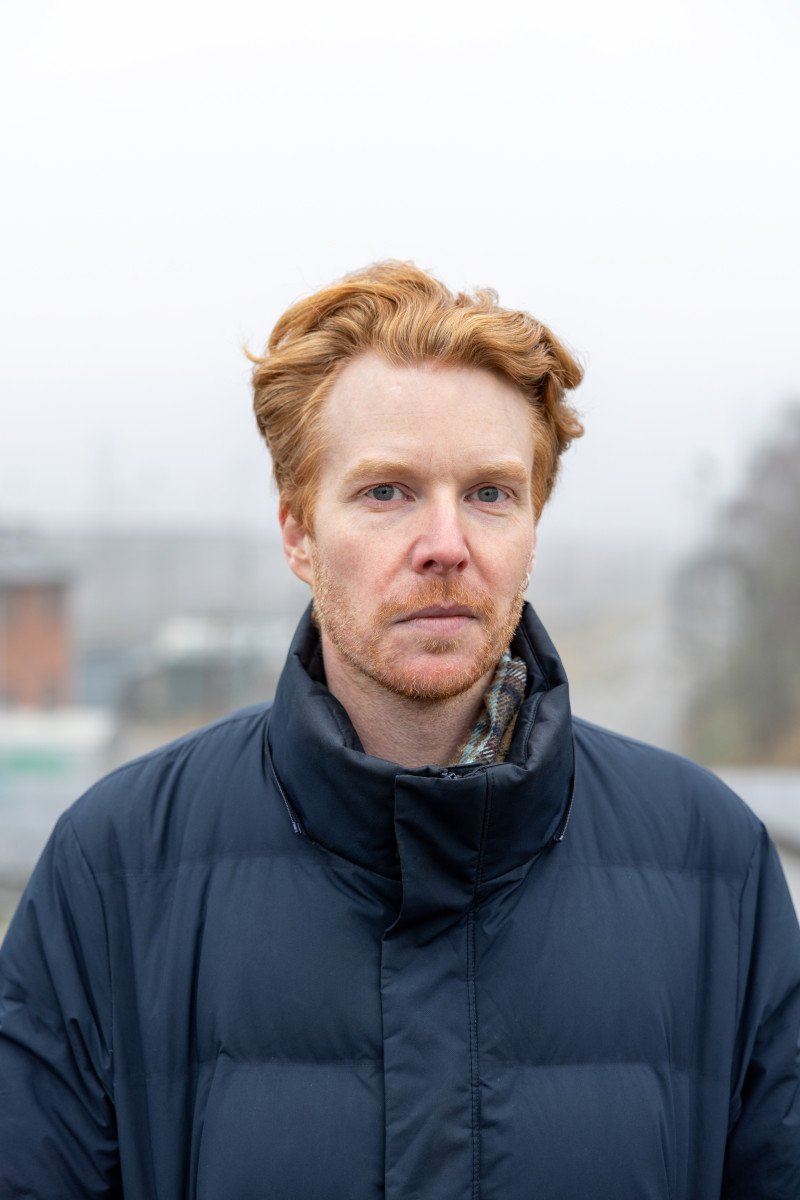
Idan Elmalem is an oud player and composer working across world and popular music, now presenting his debut instrumental EP and live performance project. Following years of collaboration within the Israeli music scene, he turns toward a more personal and intimate musical voice, blending traditional oud with a contemporary sensibility. Influenced by his studies with master Nissim Dakwar, Elmalem’s music explores the space between tradition and innovation. His debut EP, Time, features three live-recorded pieces that move between past, present, and future, combining classical Arabic and Persian elements with jazz, minimalism, and cinematic sound. Based in Tel Aviv, Elmalem draws on his Moroccan-Danish heritage in his work. He is a graduate of the Jerusalem Academy of Music and Dance and is currently pursuing a Master’s degree in Ethnomusicology at the University of Haifa, alongside his work as a player and composer.

© Charlotte Lund Mortensen / Tapetown

»Music is the pre-linguistic and pre-logical art form that allows us to access parts of consciousness that have not yet been thought about. You can sometimes become aware of what a song means several months later and have an inner problem resolve itself. Music is also collaboration and community. The Danish hard music scene is a fantastic place these years, where artists support each other and collaborate in all directions. In this way, music does not become a competition, but a community to constantly move forward.« 

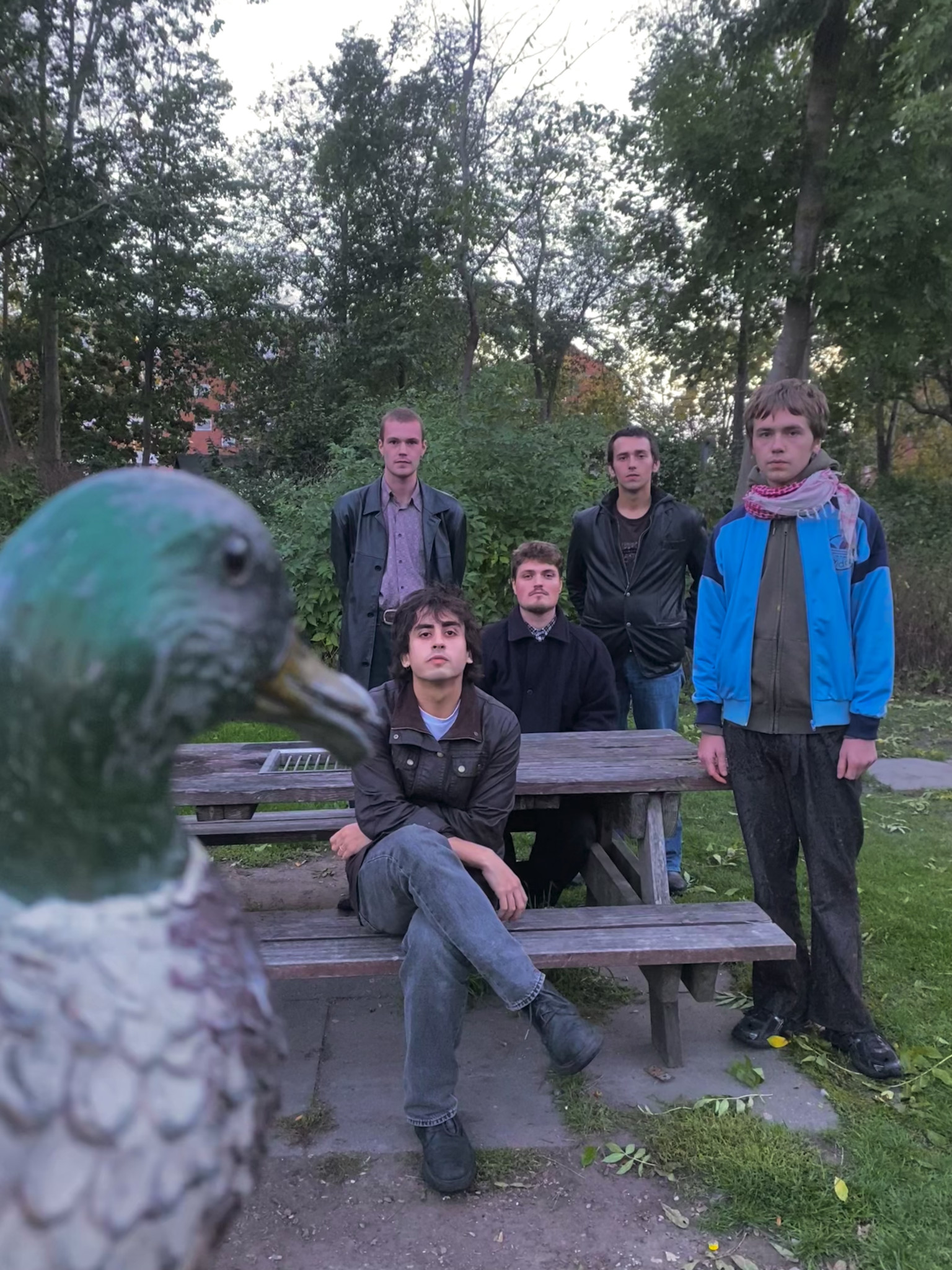
Two forces on the Danish underground scene, MEEJAH x HIRAKI, have joined forces on their release INTERWOVEN (Pelagic Records). The two bands belong to the Danish metal underground with common references such as The Body, The Armed, Chelsea Wolfe & Converge's Bloodmoon and Death Engine. HIRAKI released their debut album Stumbling Through The Walls in 2021 (Nefarious Industries]. Followed by ALTERER – Stumbling Through The Walls REWORKED in 2022. HIRAKI has toured Norway, supported The Armed in Germany and collaborated with Kh Marie. Danish-Korean MEEJAH released Queen of Spring in 2021, which was nominated for a Steppeulv, and recorded a KEXP Live Session during the Lunar New Year in 2024. Meejah has toured South Korea and supported Blonde Redhead and Jambinai. MEEJAH and HIRAKI have both played at A Colossal Weekend and have also crossed paths in the doom-rave collective John Cxnnor.