© PR
© PR

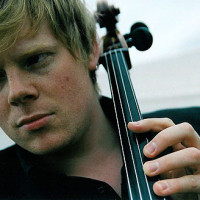
Two of contemporary music’s most uncompromising material thinkers meet on Music for Intersecting Planes: the American organist Kali Malone and the French cellist Leila Bordreuil. Malone works with oversaturated blocks of sound and sonic mass as a sustained pressure, while Bordreuil seeks friction – her cello a recalcitrant organism that creaks and resists.

What they share is an ascetic attention to the specificity of their instruments. The organ and the cello are pushed to their outer limits, where recognizability dissolves and overtones emerge like hidden entities.

The title pieces, »Intersecting Planes I» and »II«, unfold as undulating ruptures of sound: animalistic, almost elephantine cries that surge forward and recede again. Only rarely can the sound be identified as organ or cello. (»Pilots in the Night« comes closest to a familiar balance between the organ’s gravity and the cello’s resistance.) Otherwise, the music moves within a field between the metallic and the electronic, as if the sound originates neither from strings nor pipes.

It is not mass that is being explored here, but rather a kind of hollowness: an airiness that is not light, but permeated by an indeterminate resonance – something ancient, almost ceremonial. The album holds something far more porous and open than Malone and Bordreuil’s earlier works. The sound appears as a concave form, bending inward, like an absence of material. The sonic landscape carries its own dissolution within it as an inherent delay – as if the music exists, first and foremost, as the erosion of something one thought one heard.

English translation: Andreo Michaelo Mielczarek

© PR

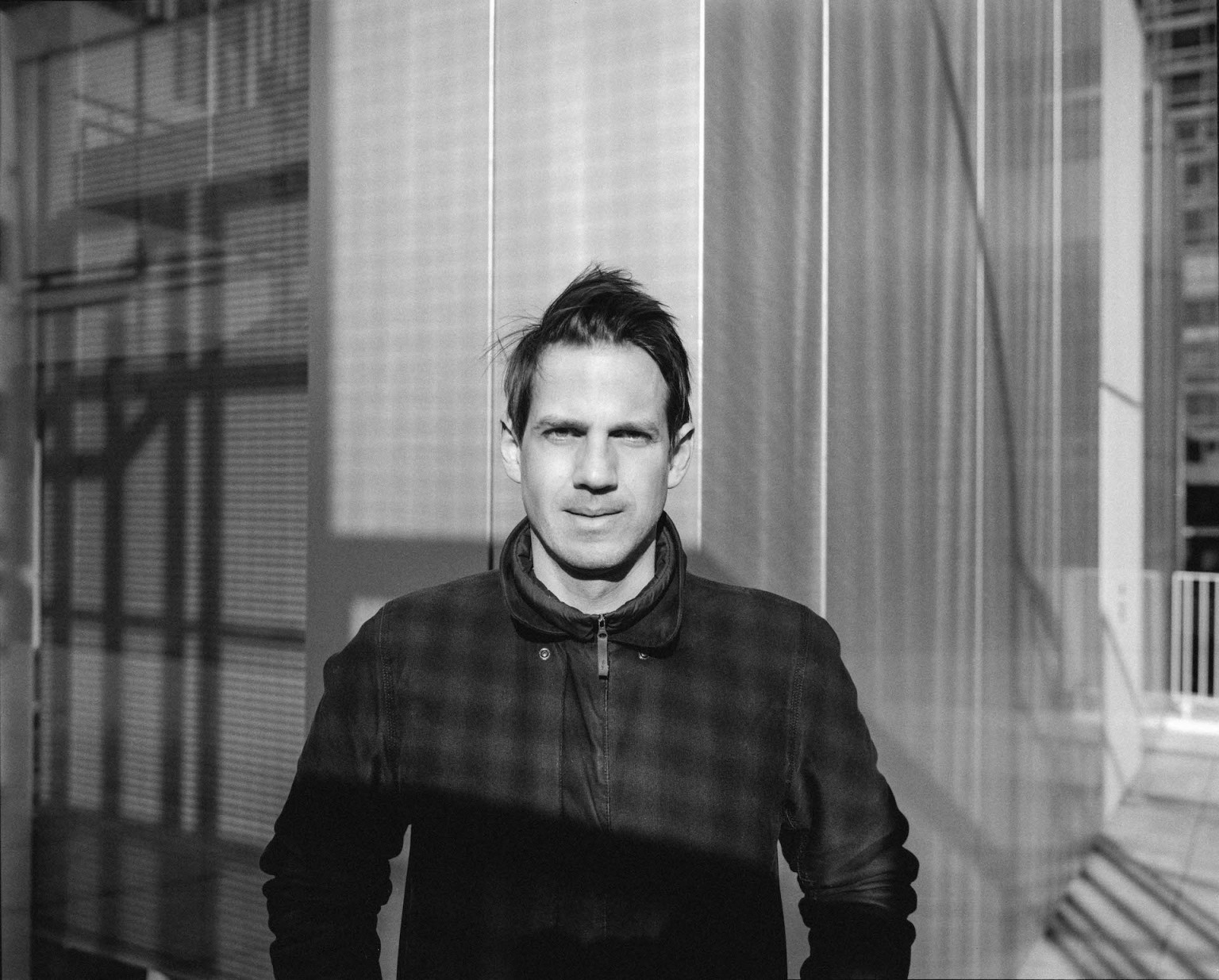
»Music has been a healing balm for me.«

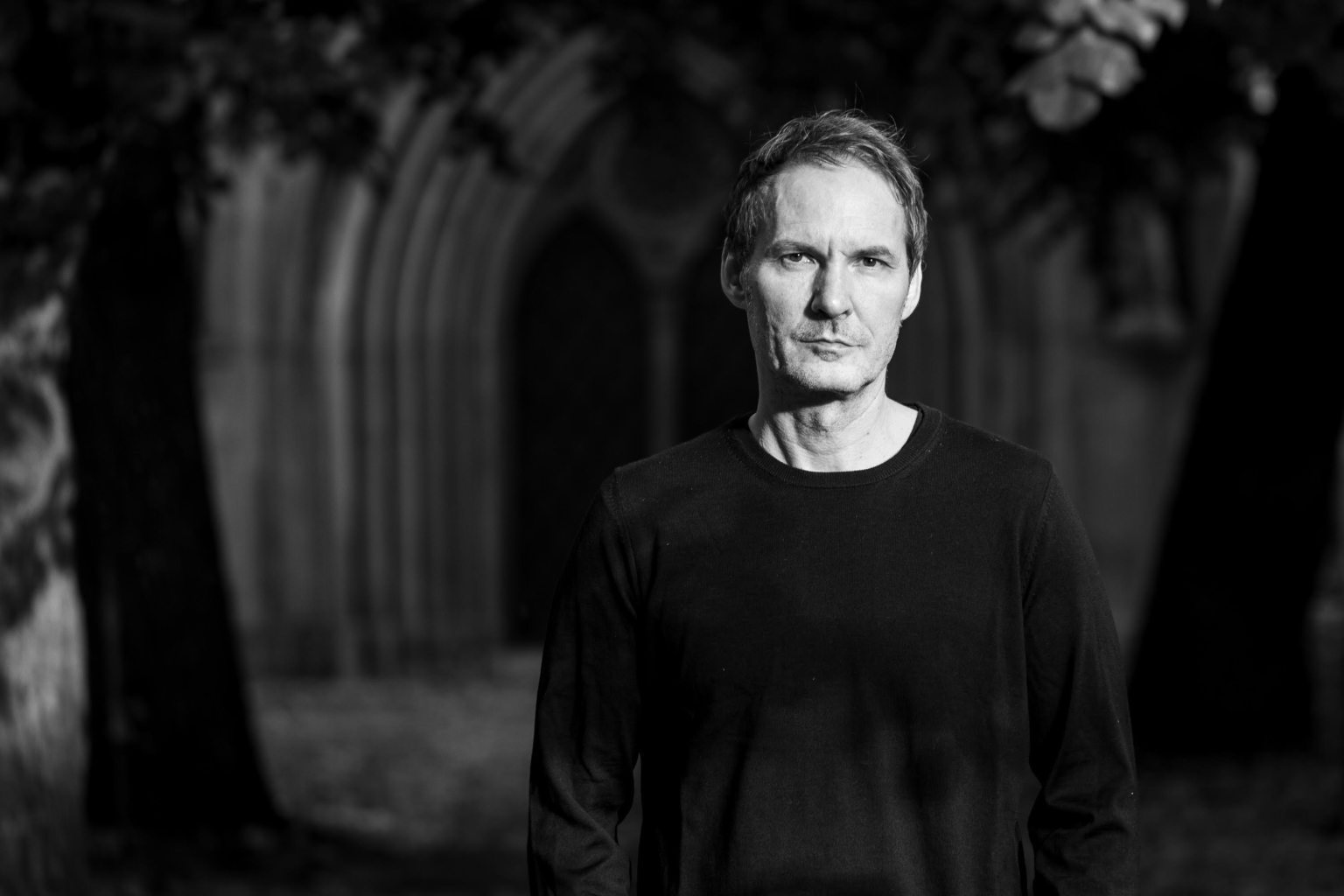
John William Grant is an American singer, musician, and songwriter holding both American and Icelandic citizenship. He first came to prominence as a co-founder, lead vocalist, pianist, and primary songwriter of the alternative rock band The Czars. After releasing six albums between 1994 and 2006, the band disbanded, and Grant withdrew from music for four years before embarking on a solo career.

He returned in April 2010 with a critically acclaimed debut album recorded in collaboration with Midlake. Queen of Denmark was named Album of the Year 2010 by Mojo magazine and was also selected as one of the ten best albums of 2010 by The Guardian’s music critics and writers.

in briefrelease
23.01.2022

Finnish Space Travel

Tomutonttu: »Hoshi«
© Tomutonttu: »Hoshi«

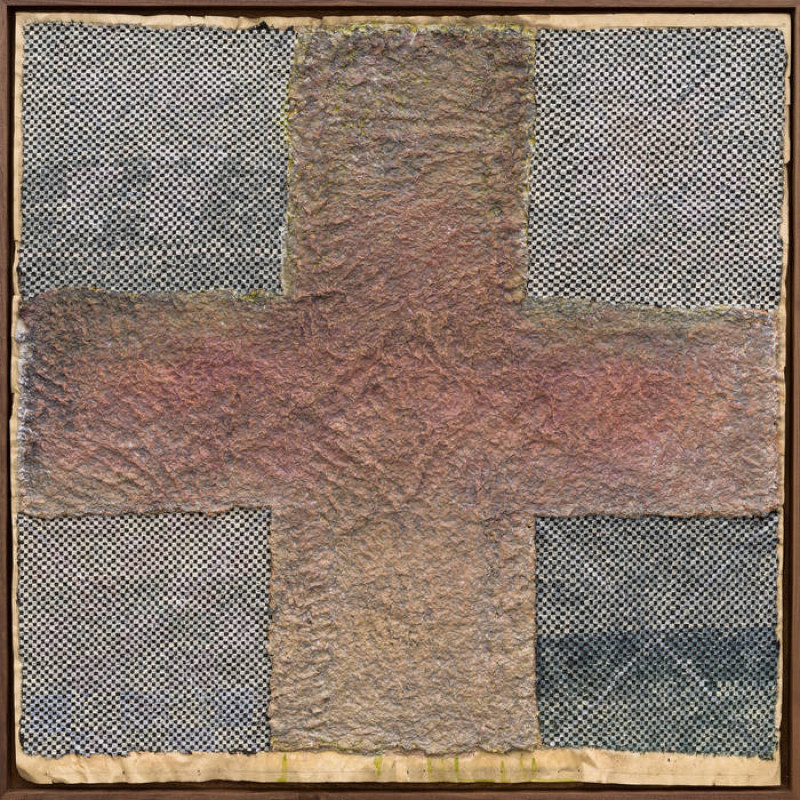
The Finnish multimedia artist Jan Anderzén has, with the album Hoshi, released under the solo moniker Tomutonttu, created a true little star. Not only because »hoshi« literally means »star« in Japanese, but above all due to the music itself. There is something cosmic, yet infinitely minute, about the sonic worlds Anderzén conjures—like a galaxy reflected in a puddle, or a space journey in a rocket carved from a hollow tree trunk. Synths emit busy, warm blips and bloops, while ultra-short vocal and instrumental samples create a recognizable blur. At once artificial and organic – soft, rounded, jagged, crackling.

Anderzén approaches sound with a playfulness I simply adore. His music is strange in an incredibly comforting way. It places me in a kind of colorful, trance-like state, only interrupted when, several times over the course of the album, I find myself smiling in delight at a particularly great sound. The synths on »Katse osuu sähköön!« The choral samples on »Kesä oli äkkiä ohi!« Milo Linnovaara’s flute on »Malta lausua ‘AH’!« And many more. Hoshi is an album packed with microscopic moments that together form a frayed, exploding, radiant, idiosyncratic whole—a stellar moment of just under 38 minutes.