in briefrelease
04.02

Poetic Nocturnal Rummaging

Bent Sørensen: »12 Nocturnes & Piano Concerto No. 3, La sera estatica«
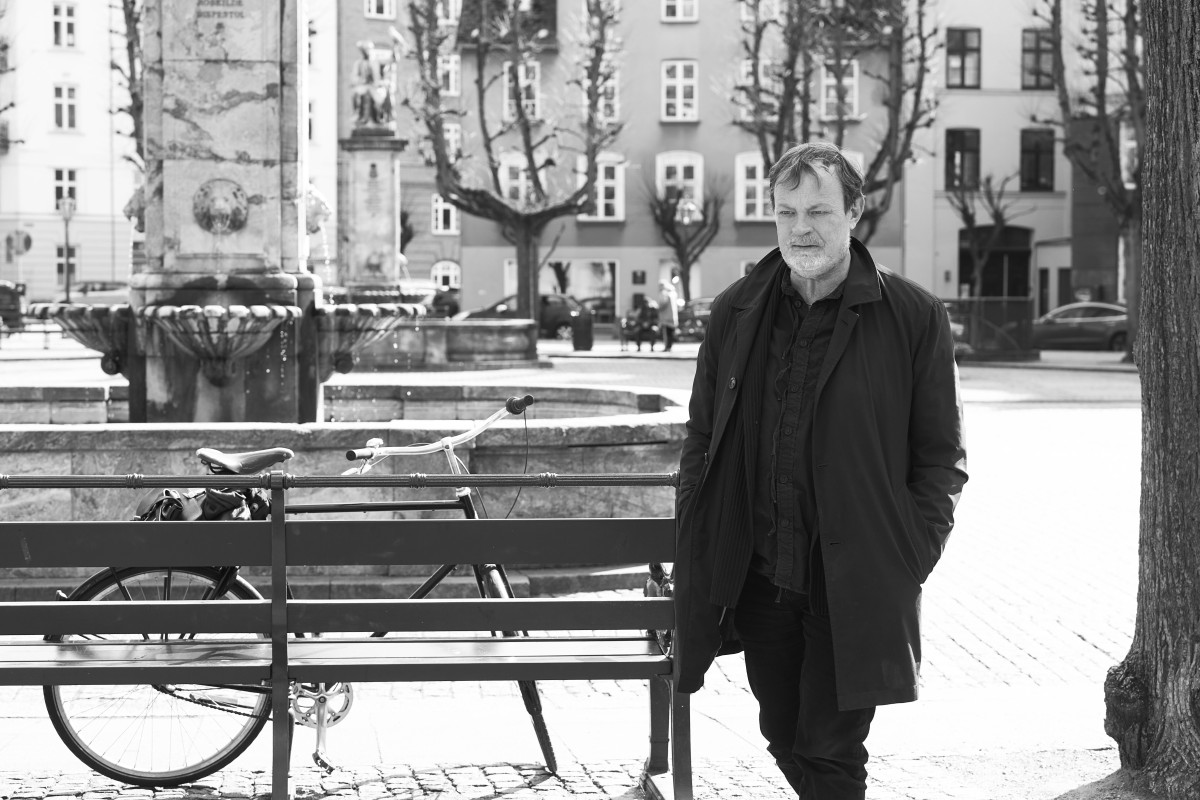
Bent Sørensen. © Peter Christian Christensen

Why is it that one can always recognize a lullaby? This musical archetype, circular and hushed, sung into us with mother’s milk. Composer Bent Sørensen’s solo piano cycle 12 Nocturnes is a tribute to the night’s musical cultural heritage. The nocturne – a nocturnal, lyrical composition – merges with, among other forms, lullabies and cantatas in a poetic narrative from sunset to sunrise about what is close at hand and yet unfathomable: that the sun rises, that children are born, that stars can be glimpsed through small windows on earth, that the piano can create worlds with twelve tones.

Bent Sørensen wrote the twelve short nocturnes between 2000 and 2014 for pianist (and wife) Katrine Gislinge. They have previously been released digitally. Now they appear as a studio recording paired with Piano Concerto No. 3, La sera estatica. The premiere of this “ecstatic evening” stands in contrast to the nocturnes’ simple, balanced forms. With a dramatic opening, multiple orchestral groups, and crackling storminess in the soundscapes, the dreamy nocturnal universe is ruptured by a surging ardor that unfolds in two parts, where purer melodic lines gradually take over the second – complete with a distinct (night?) bell.

Yet the piano concerto’s sovereign quality does not quite come into its own when presented as a postscript to the nocturnes’ rounded narrative. The two elements work best separately, so that the ecstatic evening for full orchestra does not puncture the magic of stars scattered blinking across the piano’s staccato attacks, or Sigrid’s nocturnal dances and lullabies. There is ample drama in the beautifully conveyed single night – for even the child Sigrid will one day no longer be sung to sleep.


© Bastian Zimmermann

It is difficult to comprehend that Andreas Engström is no longer with us. Just a couple of months ago, he wrote – as he had done so many times before – with an ambitious proposal: he wanted to review a box set of twenty releases by Dror Feiler. In the same message, he mentioned plans to come to Aarhus for the recently concluded Spor Festival.

in briefrelease
04.05

The Escape From a Hotel That May Not Exist

RÖM: »Whispering Dub«
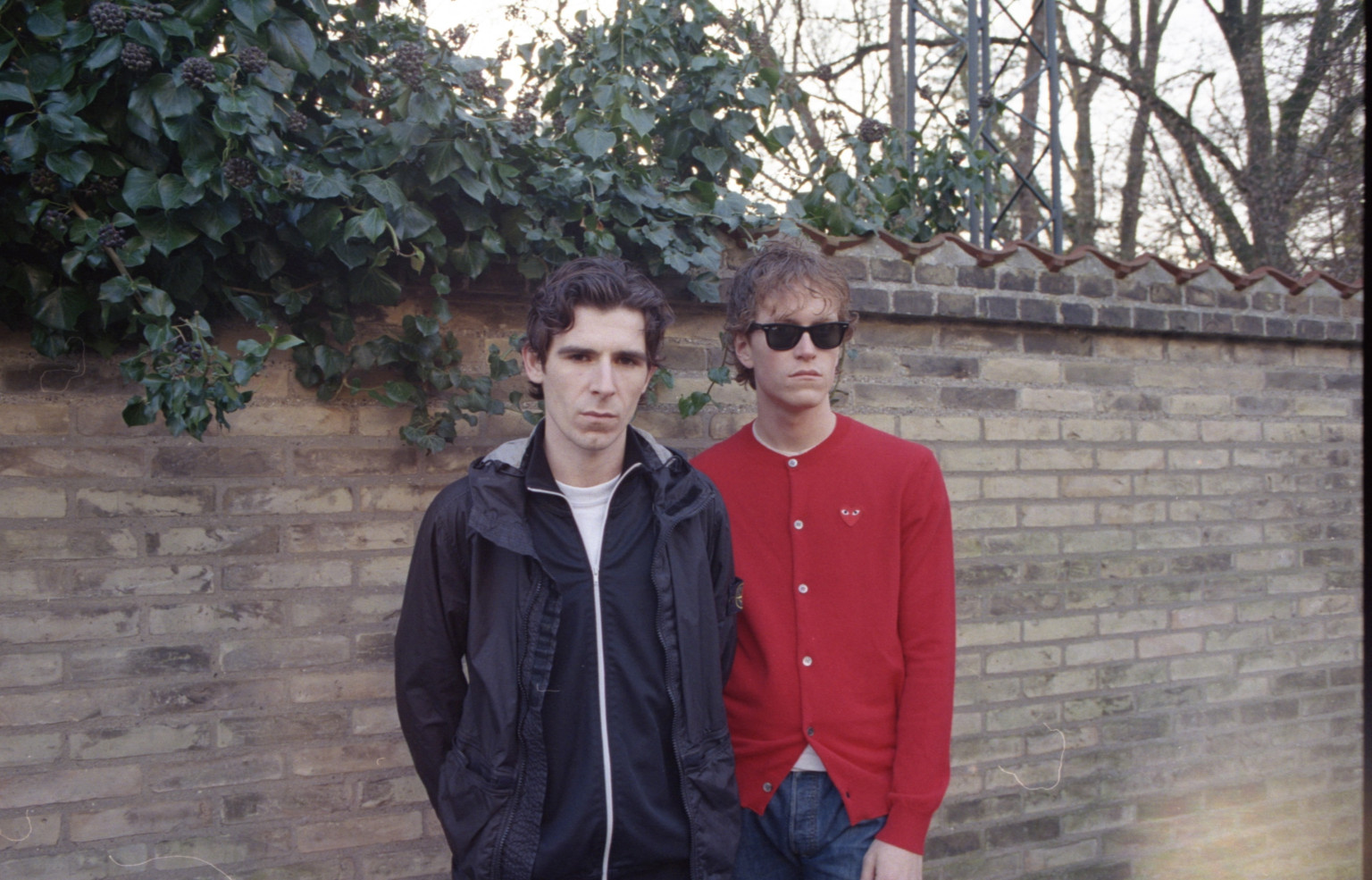
© PR
© PR

Ladies and gentlemen, we’re deep underground – indeed, all the way to France. This EP is the latest conceptual release from French electronic producer Victor Escomel, who works under the name RÖM in the borderland between ambient and techno. Whispering Dub unfolds across five tracks, drawing heavily on dub while telling a story about an escape from a fictional hotel. Escomel’s background in African percussion studies and his fondness for analog gear surface in the mysterious sonic textures and the stark contrast between arranged percussion and dubbed-out echoes, underscoring the concept’s tension between mysticism and reality.

»Oilbird« opens in dystopian ambient before sliding into the rhythmic »Eastern Temple«, which constantly shifts between filtered synths, frantic percussion, and sudden breakbeats. Things cohere more fully on the title track, which blends minimal techno into the mix and stands out by maintaining a steady pulse, while echo-laden drums cast an unsettling atmosphere within the dance framework. On the closing »Hotel Amnesia«, the narrator awakens again in a collage of the record’s electronic tendencies, questioning their own existence in the album’s only use of vocals.

Whispering Dub isn’t wildly groundbreaking or bizarre enough to push the senses into extreme reactions. But as a well-produced and effective piece of electronic music, it invites the listener into a compelling game of whispers.

English translation: Andreo Michaelo Mielczarek

in brieflive
04.05

A Trumpet, Two Illusions and a Fjord

Kasper Tranberg / Mesmer
© PR
© PR

The stage was set for a special experience on Wednesday evening at KU.BE on Frederiksberg. In the borderland between tradition and joyful madness stood birthday celebrant Kasper Tranberg, blowing his trumpet. What emerged was an insistent blend of jazz and avant-garde, laced with understated humor and delivered by a virtuoso with a calm, unmistakably Danish presence. With a wry sense of ease, he made even the most complex passages surprisingly accessible.

Tranberg presented excerpts from 12 Melodic Illusions for Solo Improviser and Melodic Illusions for Sextet with both devotion and a glint in his eye. He demonstrated how the trumpet can stand alone while still conveying abstract emotional states. Sharp trills dissolved into growling undertones, merging with the resonance of the room. At times, he employed backing tracks, creating duets with himself.

The evening’s main attraction was the trio Mesmer – Emil Jensen, Victor Dybbroe, and Anders Filipsen – who performed works from their new piece Terrain Vague II, developed through several residencies in Northern Jutland. The three compositions moved within a field of electroacoustics, contemporary music, and analogue improvisation, carrying a distinctly cinematic and nature-infused sensibility. The sonic plunges into the Limfjord were particularly striking: Dybbroe’s metal percussion and Filipsen’s lapping synth textures carved out a dark, magnetic space. In the piece inspired by Aalborg Harbour, Jensen’s trumpet cut through with long, mist-laden tones, like signals drifting in from distant ships. The result was both enchanting and, at times, deeply inspiring. It was a concert that, for now, refuses to loosen its grip on me.

English translation: Andreo Michaelo Mielczarek

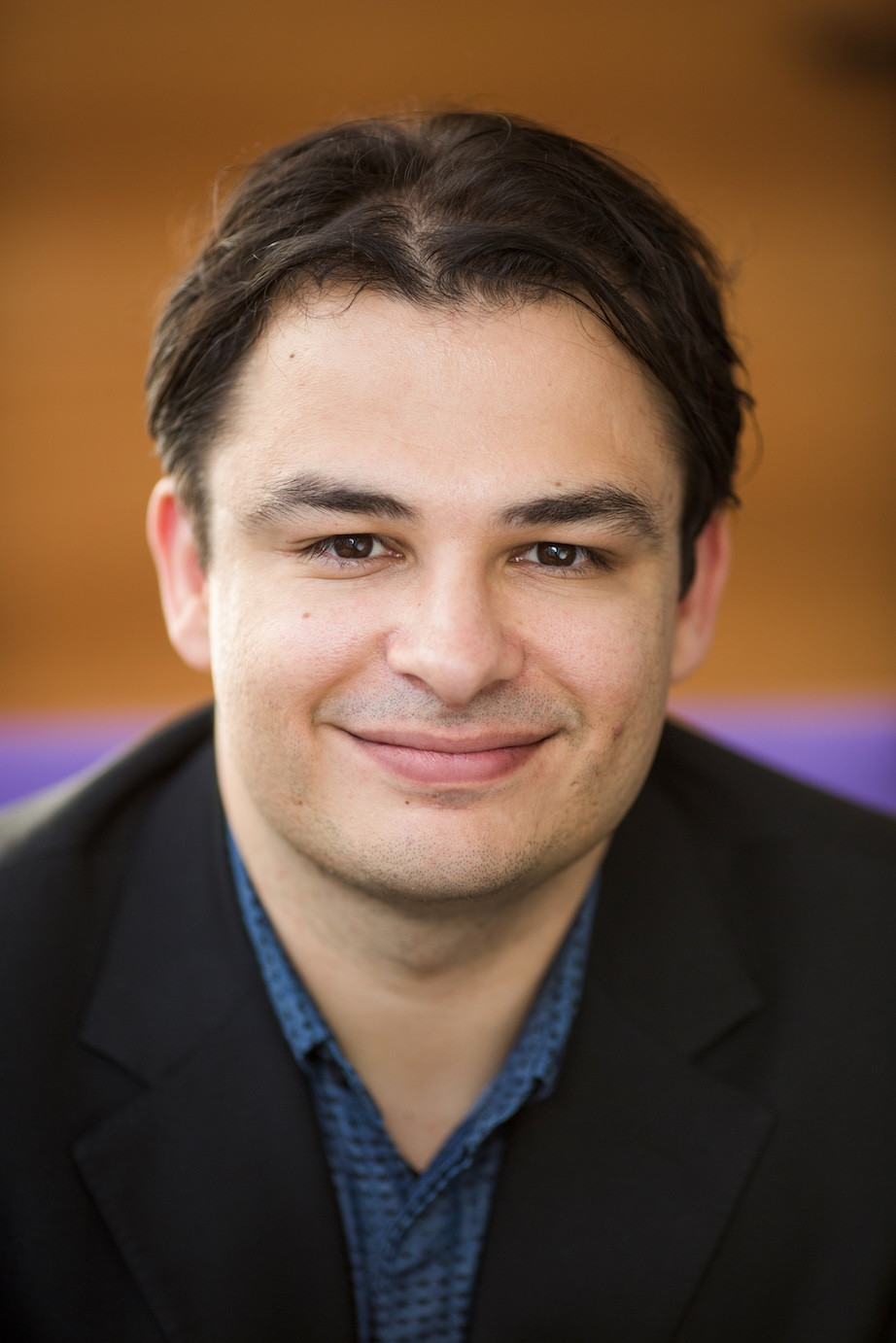
© Angela Ankner

»The five tracks I'm listening to right now are recordings I discovered either four weeks or 40 years ago. They all bring me joy and inspiration. They represent who I am right now. They carry me. I feel at home and in my happy place when I listen to them. They are an integral part of my sonic persona.«

Holger Schulze is professor in musicology at the University of Copenhagen and principal investigator at the Sound Studies Lab. His sonic anthropology explores how sounds and listening in the 21st century stabilise, disrupt, and permeate everyday life. Artistic practices and everyday objects are both of equal concern to his sonic critique. Currently he works on The Bloomsbury Encyclopedia of Sound Studies in 3 volumes (as one of three editor-in-chiefs together with Jennifer Stoever and Michael Bull) and on The Bloomsbury Handbook of Sound in Museums (together with Alcina Cortez, Gabriele Rossi Rognoni and Eric de Visscher). His publications include: The Bloomsbury Handbook of the Anthropology of Sound (2021, ed.), Sonic Fiction (2021), The Sonic Persona (2018), Sound as Popular Culture (2016, co-ed.)

in briefrelease
26.04

Let's Sing About the Cycle

Adrianna Kubica-Cypek, ÆTLA & Barbara Agertoft: »Månen«
© Saba Lykke Oehlenschlæger

The moon is a fundamental poetic motif. Its cycle pulls at both the tides and at us – within bodies and fluids alike. Composer Adrianna Kubica-Cypek and the vocal ensemble ÆTLA interpret this motif from Barbara Agertoft’s poem »Månen«. The composition is divided into »Månen« I, II, III and IV. It is a successful EP with a clear sense of purpose: the strong textual foundation establishes a distinct compositional direction without digressions, yet musically it cannot stand on its own.

The moon’s power to connect the inner and the outer emerges strongly in Agertoft’s poem: »and we stretched ourselves out, the inner in the outer all that we / bled into.« How better to convey this fundamental mood than through a vocal ensemble – individual bodies that bleed into an external, shared sound? Kubica-Cypek’s interpretation is dynamic, full of contrast and undulating, like flood and ebb. It begins with a piercing timbre of female voices, unfolding into crossing glissandi supported by deep, monotonously chanting male voices. At times, the sounds converge into harmonic chords; more often, the voices move in diverging directions in both volume and pitch, or insist on remaining in dissonance and repetition.

»Månen IV« concludes as an inversion of the sharp opening of »Månen I«, with subdued and dark sonorities that feel partially unresolved – as if the work is meant to be heard again from the beginning. In its form, the choral arrangement is cyclical, bringing out something understated in Agertoft’s poem. It demonstrates the quality of mutual interpretation: the art forms add something to one another.