© PR

The red Husqvarna sewing machine stood centre stage, buzzing relentlessly like a tireless drummer locked in an endless blast beat. »Järnrör«, »Cyanid«, »Tramadol«, Tehran hissed between squealing guitar amplifiers and in front of videos showing idyllic Swedish roadside art and images of the many Husqvarna weapons. For behind Husqvarna’s innocent garden and household products lies an industry of death – a prism of growing up in Jönköping and an illusion of Swedish neutrality, which the Swedish-Iranian artist Tehran underscored with the concert Husqvarna The Movie.

Each track came with a new video bathed in sewing machine, guitar and growl vocals. But the song »Delam gerefteh« was more subdued, not least because Tehran leaned back in a chair, cigarette in mouth, letting the music and the video speak for themselves.

The evening’s second name, the Canadian-Iranian Saint Abdullah, spent the entire concert with a marker pen in his mouth, occasionally using it to jot down the course of the music. Saint Abdullah’s performance was like watching a radio operator adjusting a crackling signal – from birdsong to acoustic guitar, from news broadcasts to field recordings, the sampler at the centre of the table became a focal point for fragments of faith, culture and migration.

Where Tehran’s concert felt like a rehearsed, healing ritual, Saint Abdullah’s unfolded as an impulsive dialogue between a sea of sound bites. Both performances revolved around Iranian heritage. Not a heritage that necessarily needs to be understood, but one that appears as a mosaic of contradictions – and can only truly be processed in one place: in music.


© Inga Records

»For me music is life. It contains everything and carries the strongest healing powers there is.«

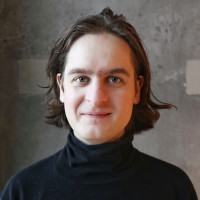
Mika Akim is the solo project of the viola player, composer and songwriter Mika Persdotter. The project started when Mika found a viola d'amore outside of Prague and started writing songs for it, about and for the body. Exploring open forms, minimalistic approach and mixing influences from folk music, baroque and experimenting with sound. The music is cyclic and honest. Since the project started Mika Akim has released two albums and now the third solo album feb 28 will be released on the 27th of February on Inga Records. 

Besides the solo project Mika Persdotter is an active musician in the experimental music scene as well as the contemporary and baroque fields in Copenhagen. Member of Halvcirkel, Damkapellet, Wolfskin Ensemble and Stök among others. 

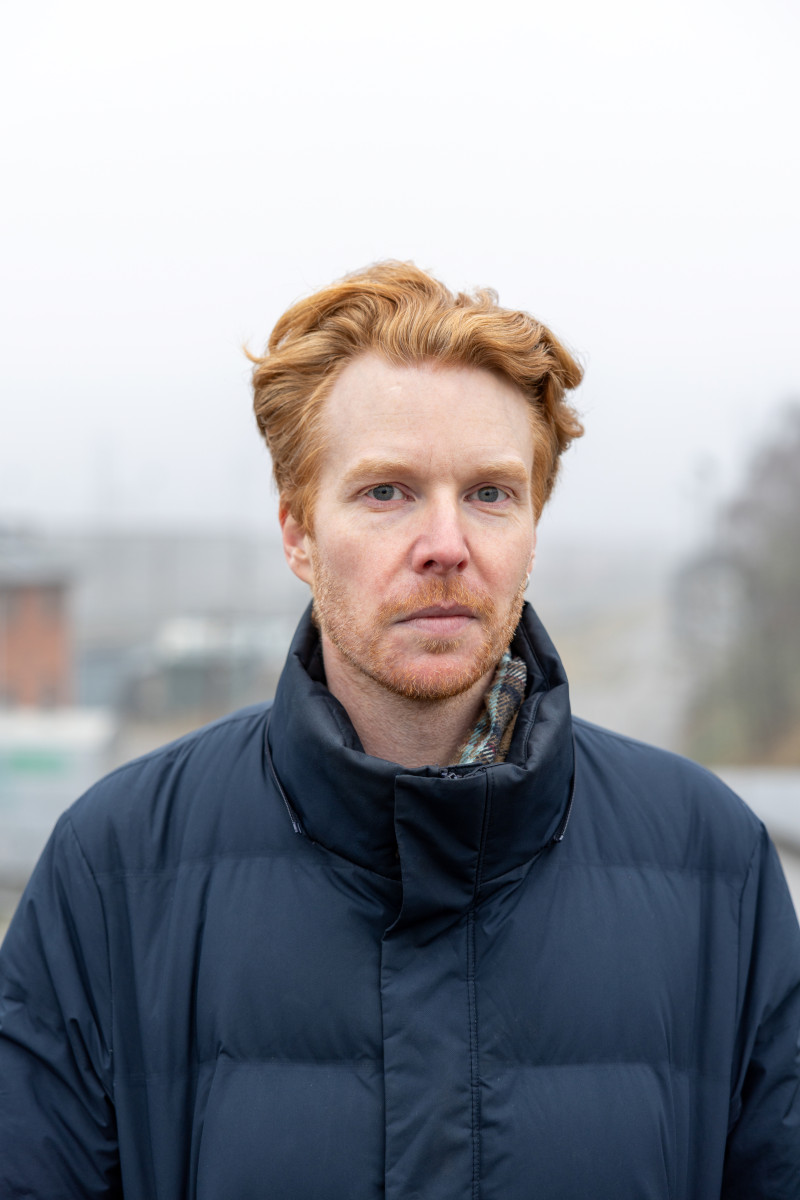
Bobo Moreno. © Thomas Roger Henrichsen

»Music is an element for me, along with earth, wind, fire and water. Music is a nutrient that is part of my personal food pyramid, along with cheese, eggs and tomatoes. Music is a relationship in my life that is just as important as the people I have around me. Music is like an extra organ through which I perceive the world.« 

Growing up surrounded by his parents’ eclectic record collection, Bobo Moreno developed a love for music across genres. Named after his stepfather, jazz and rock bassist Bo Stief, Bobo started out on the electric bass before, at the age of 22, finding his true instrument – ​​his voice. Self-taught, he developed his craft through countless live performances and garnered recognition for his expressive voice and stylistic range. His national breakthrough came with the pop duo Peaches & Bobo in 1993. After decades of performing, at the age of 60, Bobo now releases Missing Pieces – his deeply personal debut album, reflecting a life of musical exploration and self-discovery, while marking a new chapter in a lifelong musical journey.

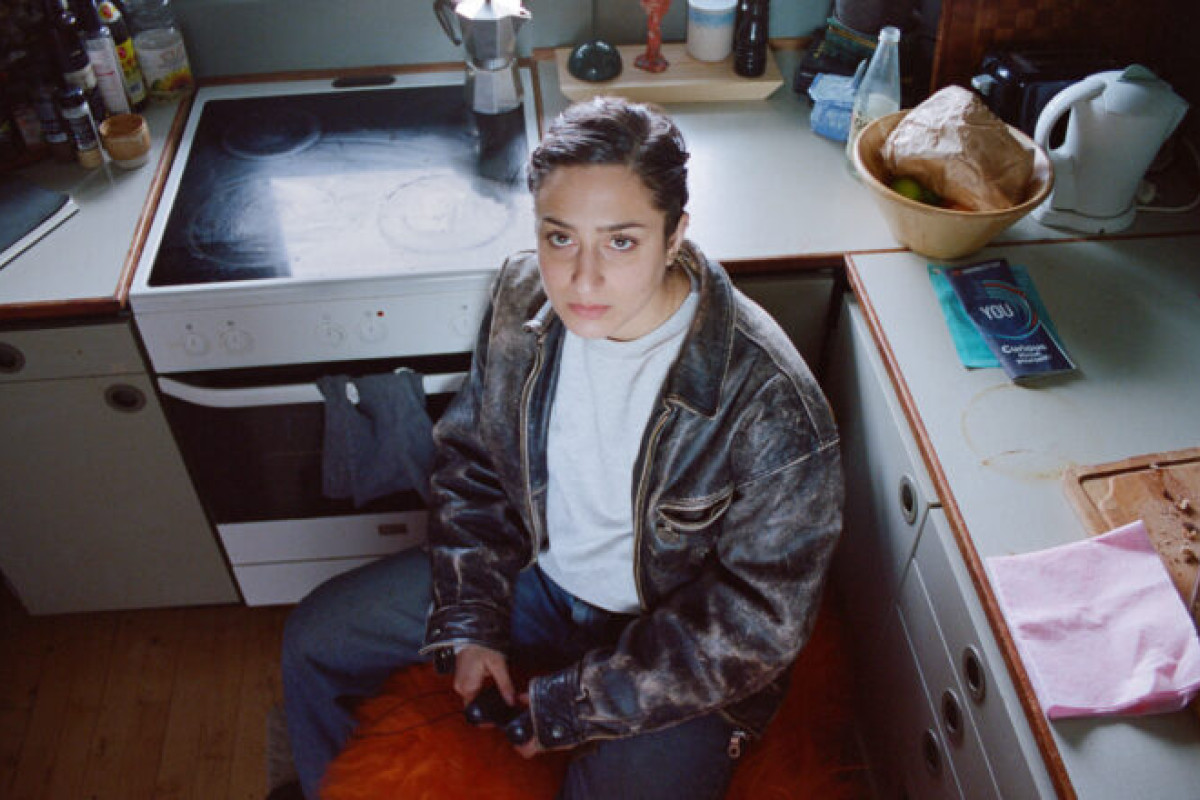
© Mira Campau

»Music to me is like water to plants. And a space to connect us, to ourselves, others and the world.«

Astrid Engberg is a contemporary artist with roots in the past, blending electronic-organic jazz, soul and percussive minimalism. Her sound combines heavy, minimal productions with personal storytelling and a spiritual edge, carried by a voice that balances sensitivity and strength. Since releasing her debut album Tulpa in 2020, highlighted by Bandcamp as one of the summer’s best releases, she has received the Steppeulven award as Producer of the Year 2021 and won Vocal Jazz Release of the Year at Danish Music Awards Jazz, alongside a nomination for Experimental Album of the Year.

Engberg has performed live and as a DJ at major Danish festivals and venues, including SPOT, Heartland, Roskilde Festival, DR Koncerthuset and SMK – Statens Museum for Kunst.

In brieflive
13.02

Ash in the Ear

Farvel & Peter Laugesen
© PR
© PR

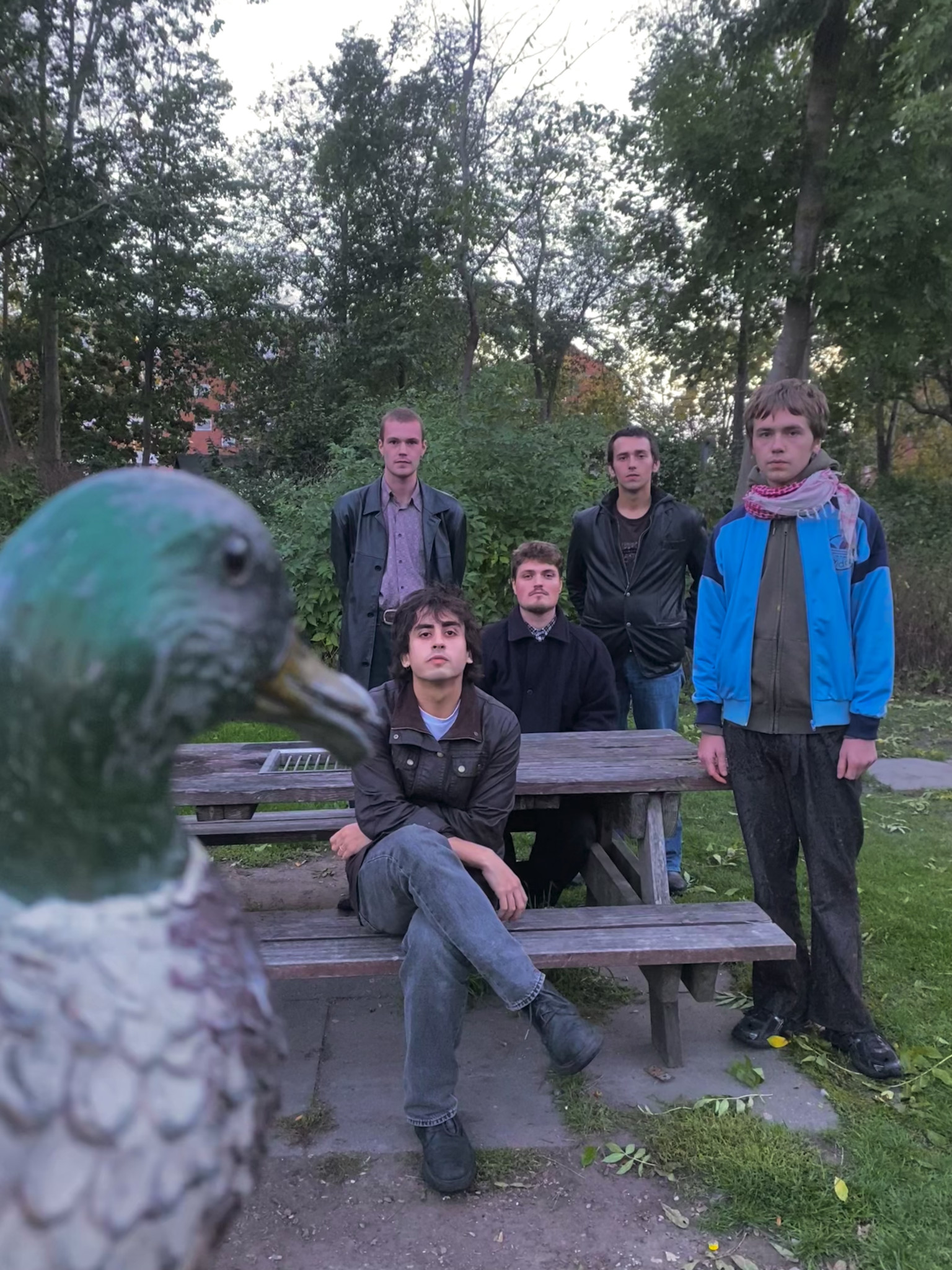
There was something liberating about watching 83-year-old Peter Laugesen step onto the stage at Phono with a new band and not a trace of nostalgia. There was no hint of a poetic lap of honour. But plenty of noise. The trio Farvel – Halfdan Magnus Stefansson (guitar), Gustav M.K. Lauridsen (bass) and Jens Højbøge Mosegaard (drums) – did not play politely around the poet. They laid down a massive carpet of stoner rock and free improvisation beneath him, as if the words had to be wrenched free from gravel and distortion. At first the music moved heavy and viscous. For a long time. Then it accelerated. And Laugesen accelerated with it.

He sat on a chair in the corner, leafing through his books, speaking of dawn, of children at play before they disappear, of Finnegans Wake, Winnie-the-Pooh and an irate »then thaw, for fuck’s sake.« The words did not fall in rhythm – they landed like bolts on a workshop floor. Laugesen’s baritone is still as coarse as steel wire; the Brabrand accent refuses to be polished. He played the harmonica. It sounded more than off-kilter – a twisted blues.

Farvel emerged from a jazz ambition that dissolved and found another path in the abrasive aesthetics of 1990s noise rock. It suits Laugesen. The three young musicians did not play behind him, but with him, across generations, on equal footing. This was no solemn celebration of an ageing poet. It was a workplace filled with friction. At Phono, Laugesen sang – yes, sang – the prose of life across a wall of sound. His voice cut in between the rumbling bass and the grit of the snare drum. He spoke of »ash in the ear«. You left carrying precisely that: a tremor in your hearing. When language meets resistance, it can still strike sparks.

Phono. 12.02

In briefrelease
11.02

Echoes from the Olive Trees

Mai Mai Mai: »Karakoz«
© PR
© PR

Grief is hereditary. It is collective and more than mere streams of tears – as countless generations of oppressed Palestinians can attest. On the album Karakoz, the Rome-based musician Mai Mai Mai creates a resonance of this collective sorrow and attempts to grasp the desperate hope of the Palestinian people. Not through political slogans, but through dark spiritualism and synthesizers.

Karakoz is an ancient form of shadow theatre with roots in the Ottoman Empire, and the album title serves as an omen of the musical pulse that sets in from the opening track, »Grief«. Here the music sounds like an archaic folk hymn: slow, repetitive percussion creates a tear-soaked minimalism, and the piece feels like a ceremony passed down through generations. With synthesizers slowly coiling around Maya Al Khaldi’s yearning vocals, »Grief« becomes a cultural bridge between forgotten traditions and the painfully current tragedy that today envelops Palestine in an all-consuming darkness.

Across the seven tracks, one hears trauma like a wind murmuring through the streets and among the olive trees. This may be because the album was created in collaboration with local artists and includes archival material from The Palestinian Sound Archive – an archive of decades of forgotten music, poetry, and album covers. Karakoz is a reinterpretation of Middle Eastern spiritualism and forgotten music. It is a testament to grief as lived experience, and as an archival bulwark, Karakoz thus takes part in the struggle for a free Palestine.

English translation: Andreo Michaelo Mielczarek