in brieflive
21.09

The Trombone Finds Its Lyrical Side

Francisco Coll: »Tapias«
© PR
© PR

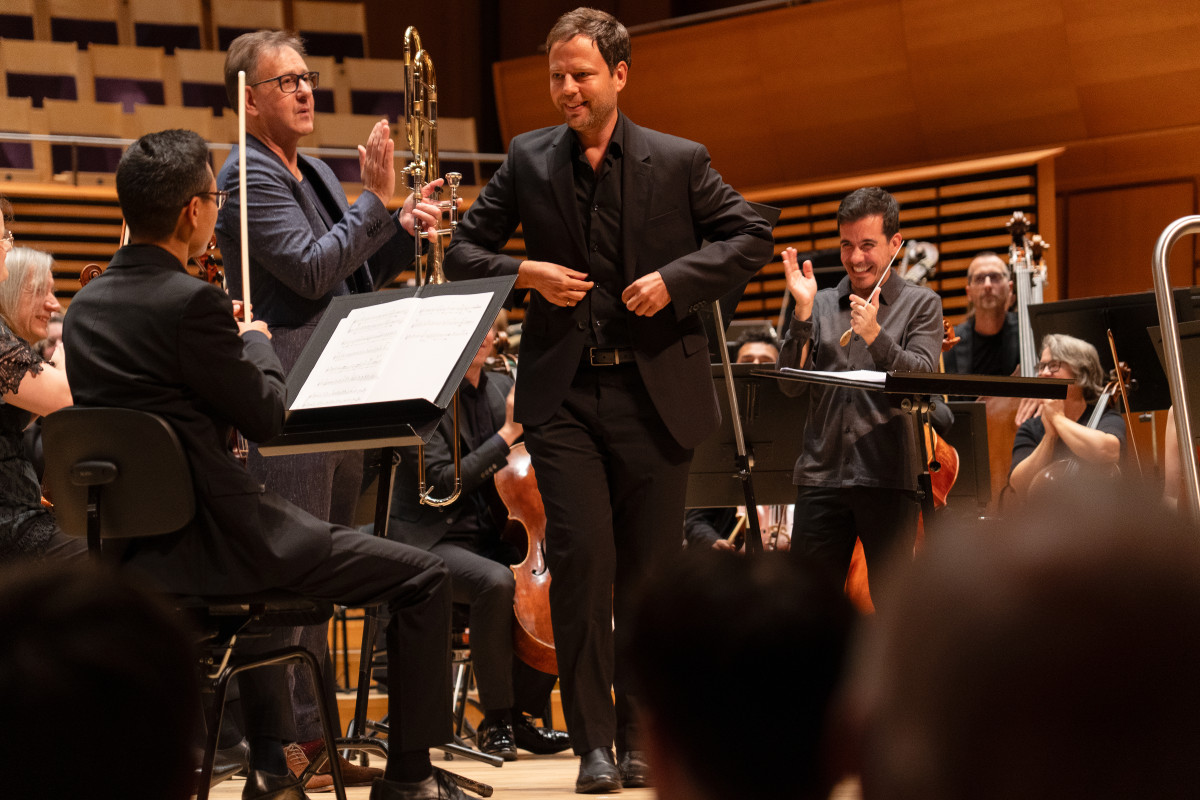
At 19, the Spanish composer (and trombonist) Francisco Coll wrote a wild-child of a trombone concerto that pushed the instrument out of its comfort zone. 22 years later he has created a new piece from some of that material. Its priorities are the opposite.

Tapias embraces the lyrical, ethereal qualities of the trombone. It is not a concerto, insists Coll. Perhaps it could be described as a set of frescoes for trombone and orchestra. Whatever the category, it’s a beguiling piece that was gorgeously birthed on Thursday by Ian Bousfield, conductor Nuno Coelho and a sumptuous-sounding Stavanger Symphony Orchestra.

Composers from Sibelius to Turnage have reacted against caricatures of the trombone as brusque and clowning by exploring its dark-hued lyricism. Coll does something more, setting his soloist’s introspective, intervallic melodies in evocative and provocative orchestral contexts. The soloist’s lines can resemble spray-canned tracings on walls already heavy with the patina of history, decoration and graffiti.

Initially the trombone appears to seek repose. The second movement draws it into more agility but the dancing is suppressed: a layered burying of all manner of rhythms from flamenco to Hiphop. Great wodges of rich harmony weigh the boogying down for good. 

The trombone does find peace in the final movement – its long, soulful melodies more yielding. But not before Coll has conjured up moments of huge harmonic strain and conscious orchestral magnificence. They sat well next to Coelho’s fierce performance of Shostakovich’s Symphony No 5 after the interval. But Bousfield’s heartfelt journey through Tapias, sounding entirely at one with the orchestra, will linger longest in the mind. 

© Niklas Ottander

»Music is a deep, but not serious, spiritual practice, in which creator, collaborator, and consumer alike are their own personal pope.«

James Black (b. 1990) is a composer, performer, and artistic director of Klang Festival – Copenhagen Experimental Music. Originally from Bristol, England, they moved to Copenhagen in 2013. Black's works have attracted a large amount of attention both nationally and internationally for their signature combination of artistic courage and vulnerability, described by the Danish Arts Council as »a universe of real madness where everything goes«. Their work is a deep and personal exploration of topics such as religion, loss, and queer identity, that is unafraid to be stupid or serious in any direction.

© Christian Klintholm

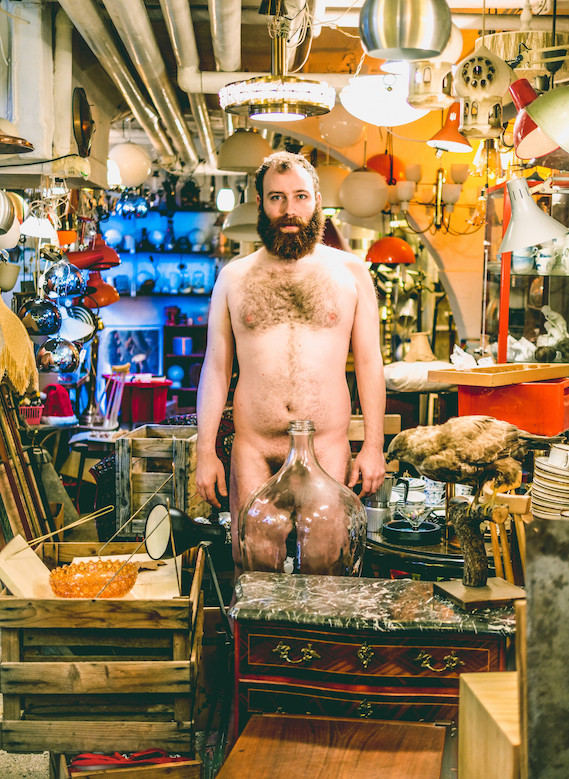
»Music is just something for me.«

Christian Juncker is a Danish musician and songwriter who has released a number of Danish-language albums. He debuted in 1995 with the band Bloom. Together with his friend Jakob Groth Bastiansen, he formed the duo Juncker in 2002. He is also behind the Christmas carol »Luk julefreden ind« from 2024.

© Guy Wasserman

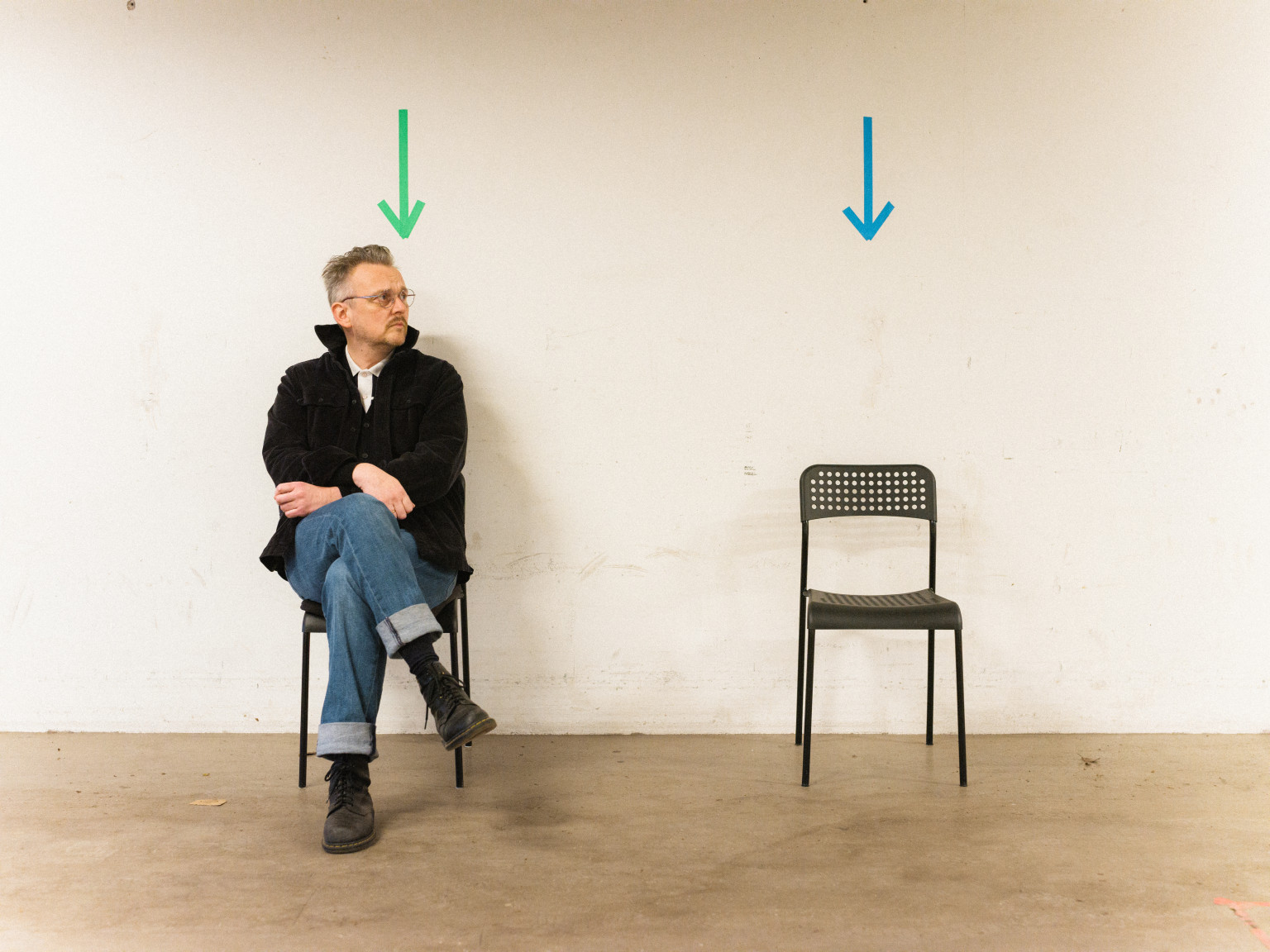
»Music, for me, reveals the emptiness of boundaries and definitions – in consciousness, in space, and in music itself.«

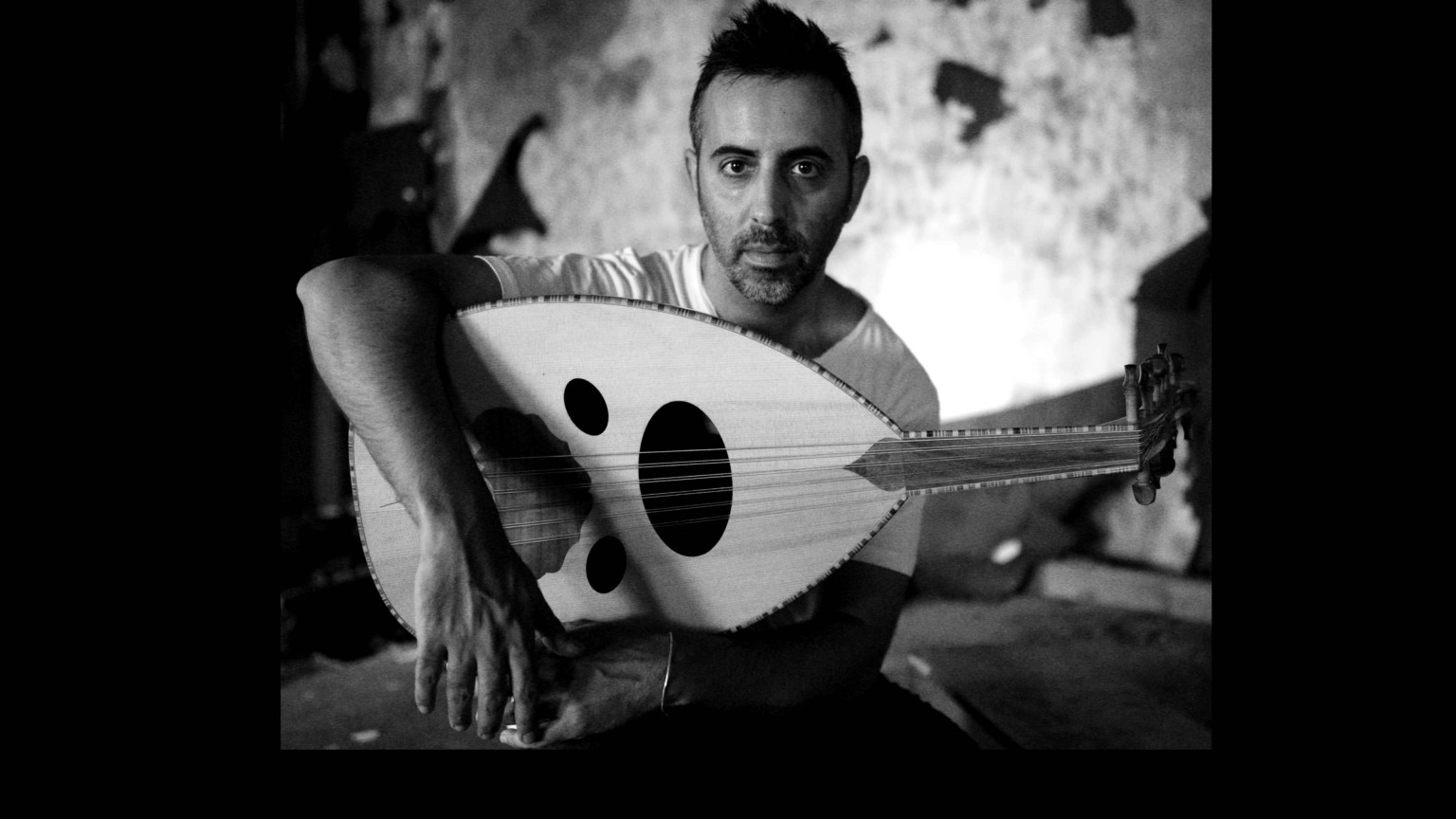
Idan Elmalem is an oud player and composer working across world and popular music, now presenting his debut instrumental EP and live performance project. Following years of collaboration within the Israeli music scene, he turns toward a more personal and intimate musical voice, blending traditional oud with a contemporary sensibility. Influenced by his studies with master Nissim Dakwar, Elmalem’s music explores the space between tradition and innovation. His debut EP, Time, features three live-recorded pieces that move between past, present, and future, combining classical Arabic and Persian elements with jazz, minimalism, and cinematic sound. Based in Tel Aviv, Elmalem draws on his Moroccan-Danish heritage in his work. He is a graduate of the Jerusalem Academy of Music and Dance and is currently pursuing a Master’s degree in Ethnomusicology at the University of Haifa, alongside his work as a player and composer.

© PR

On May 29, the Aalborg-based collective Datahaven9000 takes over the venue Skråen, transforming its main hall into a concentrated one-day festival of electronic music. The event is part of the concert series Bystanders #3, where the stage is handed over to local scenes rather than the venue’s in-house programming.

© PR
© PR

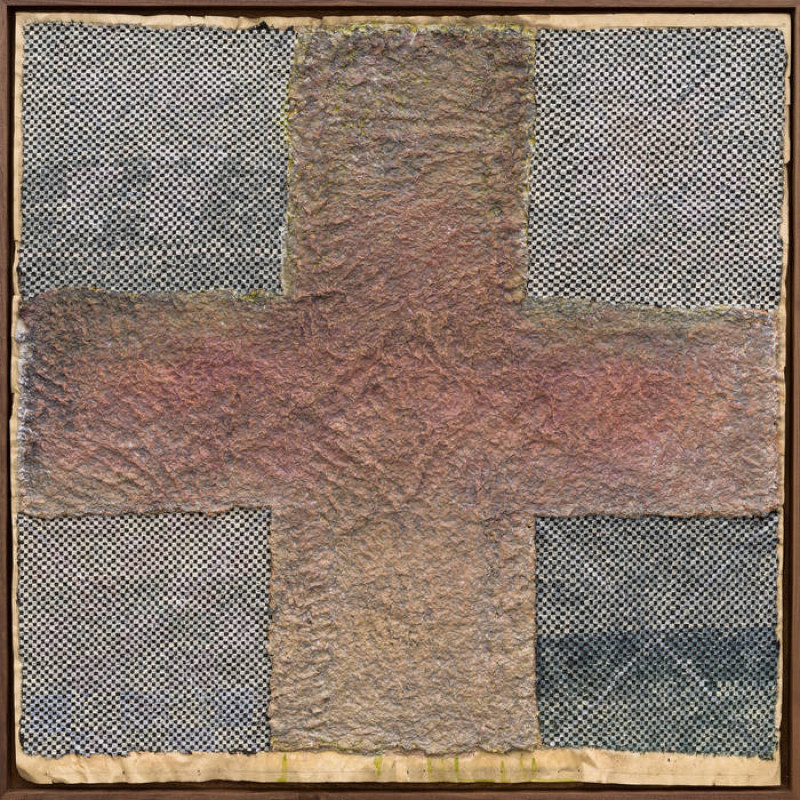
Two of contemporary music’s most uncompromising material thinkers meet on Music for Intersecting Planes: the American organist Kali Malone and the French cellist Leila Bordreuil. Malone works with oversaturated blocks of sound and sonic mass as a sustained pressure, while Bordreuil seeks friction – her cello a recalcitrant organism that creaks and resists.

What they share is an ascetic attention to the specificity of their instruments. The organ and the cello are pushed to their outer limits, where recognizability dissolves and overtones emerge like hidden entities.

The title pieces, »Intersecting Planes I» and »II«, unfold as undulating ruptures of sound: animalistic, almost elephantine cries that surge forward and recede again. Only rarely can the sound be identified as organ or cello. (»Pilots in the Night« comes closest to a familiar balance between the organ’s gravity and the cello’s resistance.) Otherwise, the music moves within a field between the metallic and the electronic, as if the sound originates neither from strings nor pipes.

It is not mass that is being explored here, but rather a kind of hollowness: an airiness that is not light, but permeated by an indeterminate resonance – something ancient, almost ceremonial. The album holds something far more porous and open than Malone and Bordreuil’s earlier works. The sound appears as a concave form, bending inward, like an absence of material. The sonic landscape carries its own dissolution within it as an inherent delay – as if the music exists, first and foremost, as the erosion of something one thought one heard.

English translation: Andreo Michaelo Mielczarek