
Two Singular Voices in Close Orbit
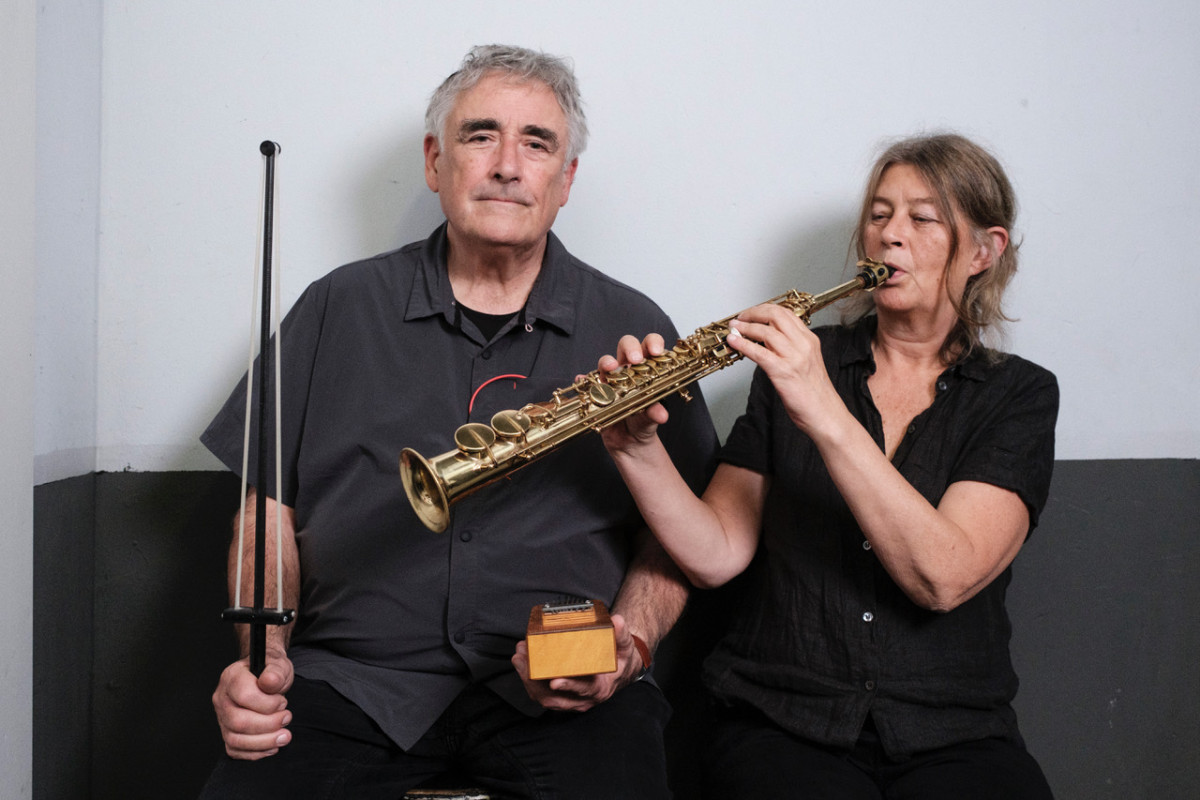
On Wednesday evening at 5e, the audience witnessed a meeting between two musicians who, in terms of stage presence, did not immediately seem to have much in common. Lotte Anker sat upright in her chair with either alto or soprano saxophone resting on her lap, while Fred Frith leaned forward over his guitar, pedals and the many small objects he used to force all manner of sounds out of his instrument. Stoic calm versus frenetic tinkering. Outwardly, they seemed like opposites. Musically, however, they were closely connected.
They hardly looked at each other during the set, yet seemed completely absorbed in the sound they were creating together. At times, the music was knotty and difficult to penetrate: un-guitar-like tones, percussive attacks, almost rock-like passages, rapid saxophone runs, long sustained notes, noise and overtones. Like a riddle that had no desire to be solved. At other moments, Frith created clear drones over which Anker moved with melancholy grace, sensuous and beautiful. It sounded like a wordless tale of darkness, fear and uncertainty, but also of light, hope and togetherness. The essence of life distilled to the meeting point between two of jazz’s great singular voices.
The concert ended with the evening’s most direct gesture between the two. A gentle tone from Frith’s guitar rang out continuously until he suddenly brought his hand down on the fretboard with a resounding thud and sent Anker a mischievous smile. A brief acknowledgement of the intense ride they had just taken the audience through.
English translation: Andreo Michaelo Mielczarek
»What is music to me? Expression.«
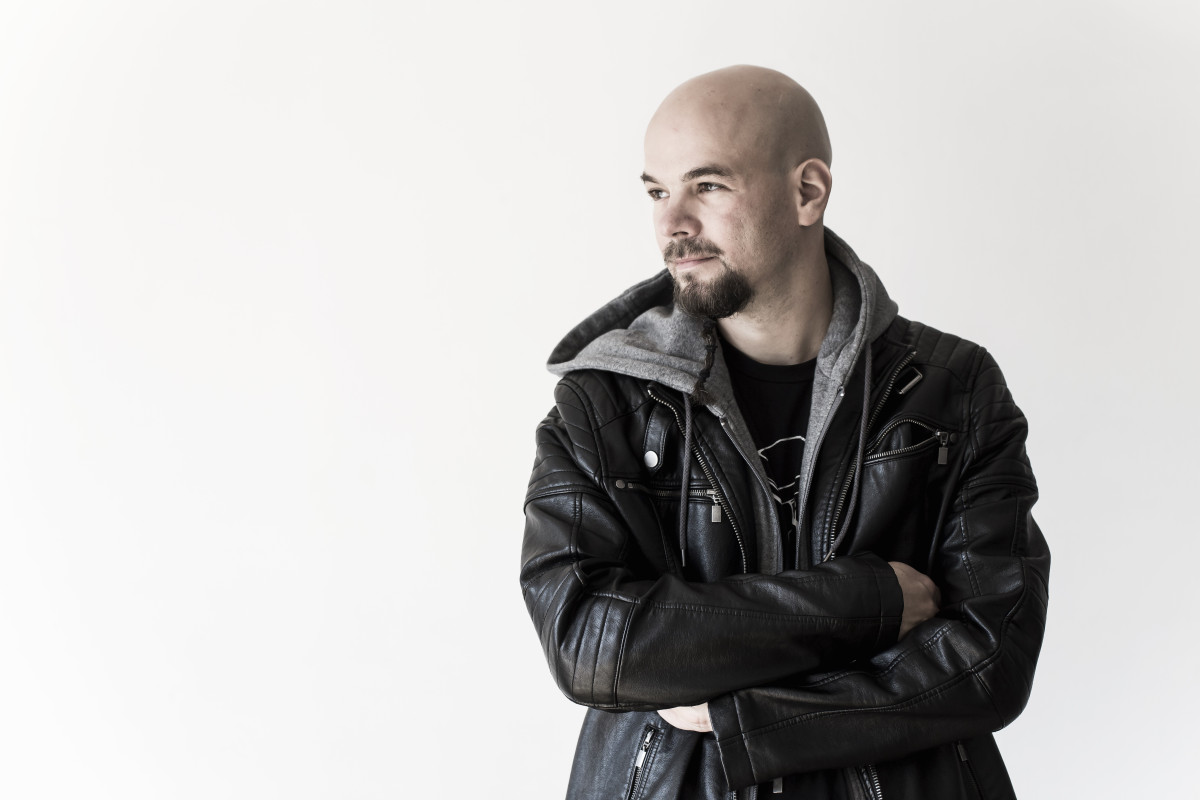
Producer and DJ who started out with house and cloud rap, influenced by the new wave of Mauritian dancehall, tripes navigates between genres, blending in influences from his island. He released his first EP, Sega Tron, on Paradoxe Club, where heavy sounds and electronica meet Mauritian sega, Reunionese maloya and all the musical influences of the sister islands, coming from both the african and indian continents.
Through his shows on Oroko, tripes has fully embraced the radio station's mission: to refocus narratives, explore its heritage and highlight emerging artists from the islands, the continent and its diaspora.
»For us, music is a lifelong fascination – something you can never fully get to the bottom of. You can study the mathematics, the rules, and the logic. But music also contains an element of magic – that aspect which creates an emotional resonance between the creator and the listener, transcending place, time, and language.«
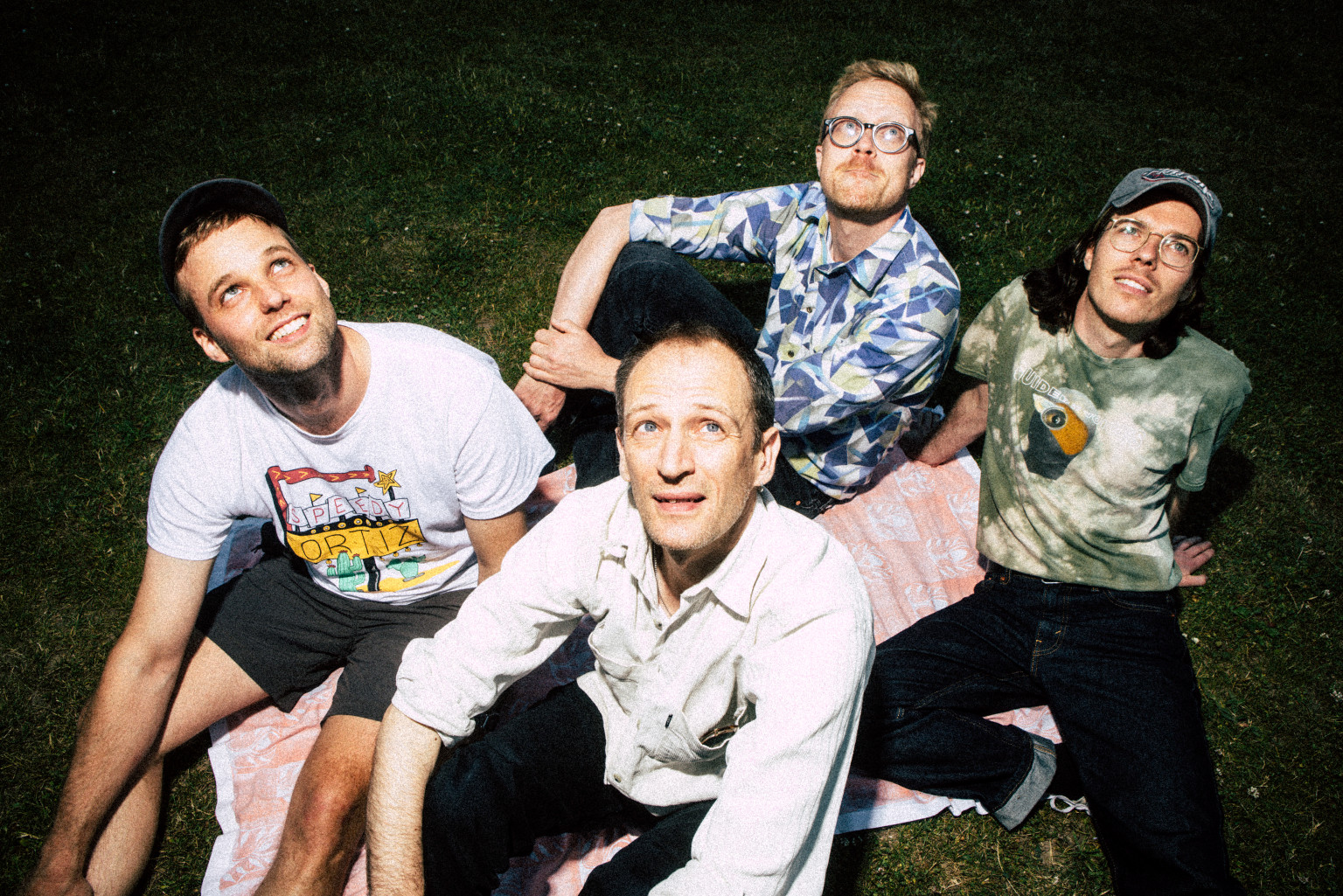
Inspired by the playful, off-kilter alternative rock of the 90s, Inventory has forged a distinct sound comprising equal parts pop hooks, dissonant tension, and jazzy textures. It is guitar-driven music that embraces the unexpected, the quirky, and the soothing – navigating the space between the immediate and the challenging. Inventory is set to release their debut album, People Pyramids, in early 2027.
A Recipe for Ecstasy and Despair
If a meal is good, it’s worth making twice, right? That’s the approach taken by Krzysztof Wołek on his latest album Cookbook for the Modern Boygirl, where the song cycle is interpreted twice. The ingredients are straightforward: one girl (Agata Zubel), one boy (Chad Sloan), and a variety of electronic elements carefully assembled not simply to complement but also contradict each other. As for the recipe, that comes from poet Bunny Morris, in the form of seven texts exploring the body as a site of vulnerability and conflict.
Desire versus repulsion is the central tension running through the song cycle. Wołek accentuates this by atomising the vocal part, which doesn’t so much sing as gasp and stammer, its never-ending contortions enclosed in an atmosphere that pressurises the voice as much as it allows it to radiate.
Eruptions of sharp glitch fragments sound as both celebratory fireworks and shards cutting into flesh, playing into the songs’ continual blurring of food allusions with animalistic reflections on the body’s limbs, processes, sensations and fluids. As if to counter the challenges, the voice often resorts to overelaborate ornamentation, elsewhere receding into hissing whispers as if to hide from them.
The two interpretations are strikingly individual, Zubel leaning into frenetic histrionics, like an unhinged bird, Sloan into impassioned lyrical agonism. Though seemingly emanating from parallel universes, both versions unite in the impossibility of knowing what’s desperation or ecstasy, epitomising the fundamental instability of identity at the core of these dazzlingly visceral songs.