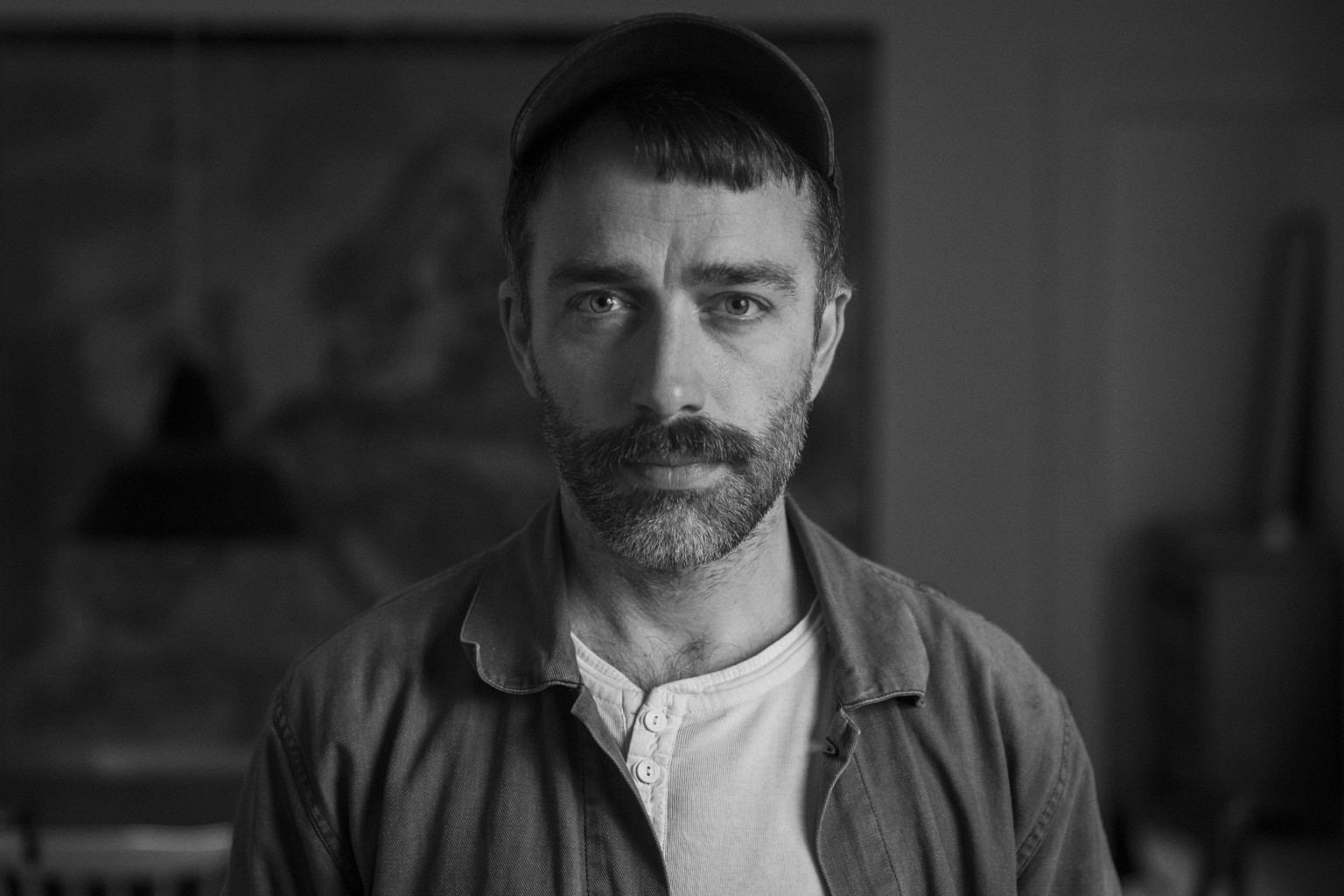
»For me, music is about curiosity and surprises – yet it’s also something in which you can feel right at home. Music resides within us all, in a physical way that sets it apart from any other art form. To me, music is something greater than the individual – something that will always outlive the individual. The good stuff, in other words ;) «
Kaspar Kaae is an award-winning film composer, music producer, and songwriter, known for his work with bands such as CODY and Bug Chaser. He holds a Master’s degree in film composition from SDMK. He has previously been a guitarist in a number of bands on the Danish indie scene, such as CODY, Broken Twin, and Bug Chaser. The latter is releasing the album My First Crippled Love in November. He was born in 1983 on Bornholm, but has lived in Copenhagen and Berlin throughout his adult life.