



in brief
29.09

Injured Swan In a Flooded World

Aaben Dans, Mads Emil Nielsen, Thomas Eisenhardt and Kamilla Wargo Brekling, among others: »Vi fortsætter…«
© Birger Hansen
© Birger Hansen

An injured swan lies buried in seaweed in a corner of the hall, while four lifeless bodies are scattered across the floor. More seaweed hangs from the ceiling, and the smell hits us already as we step through a bluish, latex-like curtain. The foyer was filled with heaps of seaweed and leftover plastic, and now we are inside an unfamiliar underwater landscape. The bluish light flickers on the wall, the soundscape murmurs faintly like a distant current of noise. We are underwater.

Slowly, bodies come back to life. They stretch in movements of suffering, stagger, struggle – but they rise. Subtle beats and Mads Emil Nielsen’s restless drones push the scene forward. The question of what has happened is rhetorical: everything points to climate catastrophe. Roskilde Fjord has overflowed its banks. Humans continue – despite a state of emergency, despite the flood – while the swan has succumbed.

The dystopia comes alive as the dancers, with impressively exploratory movements, search for ways to adapt to a new world. Here scenography, light and dance interact powerfully, and the senses are overwhelmed. That is precisely why it is a pity that the sound quality feels flat, when the sonic dimension plays such a role in the storytelling.

Still, Vi fortsætter... (We Continue…) succeeds in creating a universe that is at once absurd and all too recognizable. It recalls a gentler version of Ruben Östlund’s Force Majeure: the comic and tragic traits of human nature set against the inexorable forces of nature.
In the end, the dancers leave the stage and we are left in silence – with the afterthought of why we continue like this, and with the sensation of treading water long after leaving the fjord’s flooded universe.

English translation: Andreo Michaelo Mielczarek 

Bill Frisell. © Carole D'Inverno

»I like when it's impossible to tell at first if something is black or white, or country or blues, or whatever.«

Bill Frisell’s career as a guitarist and composer has spanned more than 40 years and many celebrated recordings. From Aaron Copeland and Charles Ives to Bob Dylan and Madonna. Born in Baltimore, Bill Frisell played clarinet throughout his childhood in Denver, Colorado. His interest in guitar began with his exposure to pop music on the radio.

© PR

»Music has been a healing balm for me.«

John William Grant is an American singer, musician, and songwriter holding both American and Icelandic citizenship. He first came to prominence as a co-founder, lead vocalist, pianist, and primary songwriter of the alternative rock band The Czars. After releasing six albums between 1994 and 2006, the band disbanded, and Grant withdrew from music for four years before embarking on a solo career.

He returned in April 2010 with a critically acclaimed debut album recorded in collaboration with Midlake. Queen of Denmark was named Album of the Year 2010 by Mojo magazine and was also selected as one of the ten best albums of 2010 by The Guardian’s music critics and writers.

© Malthe Folke Ivarsson

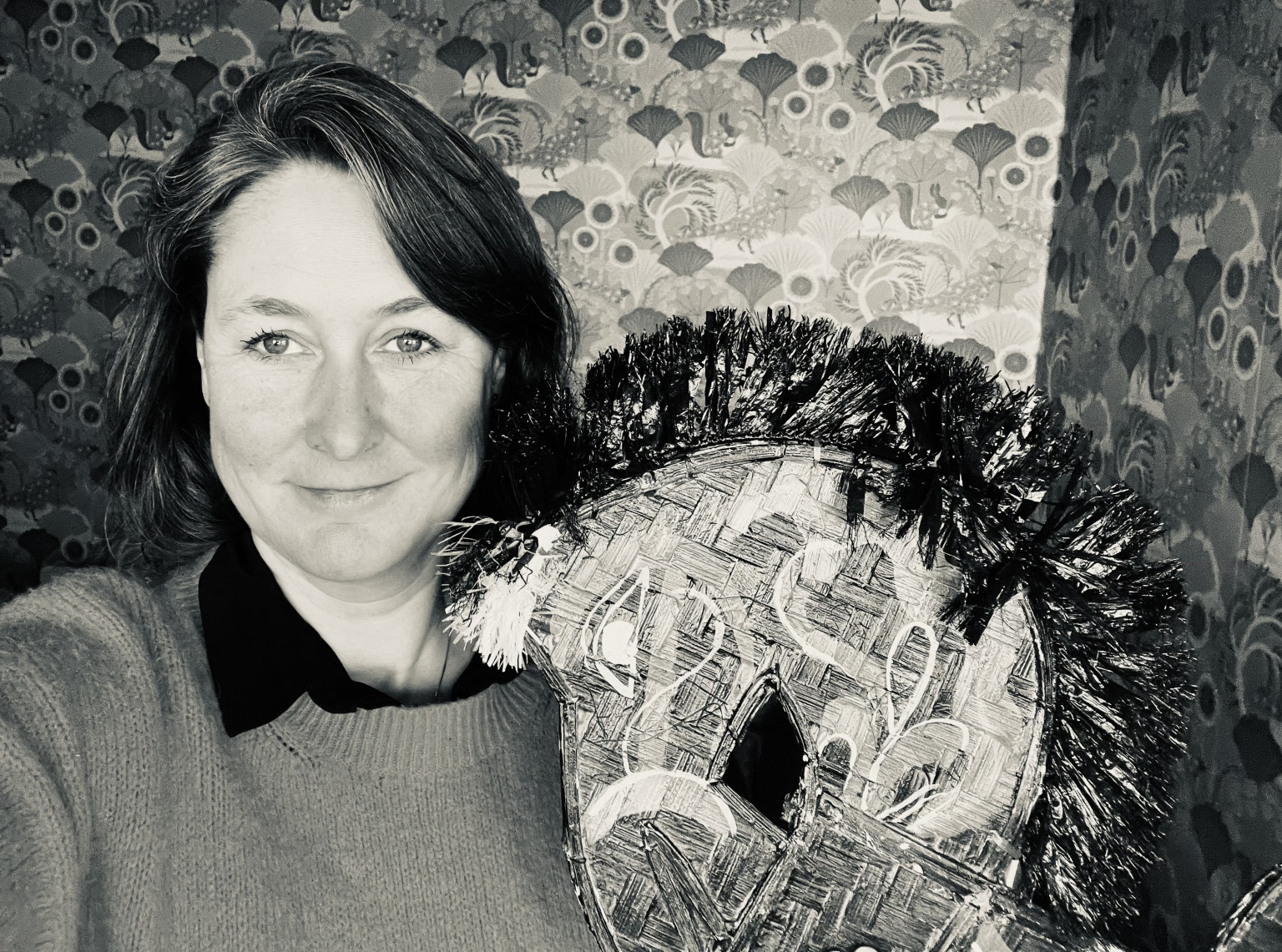
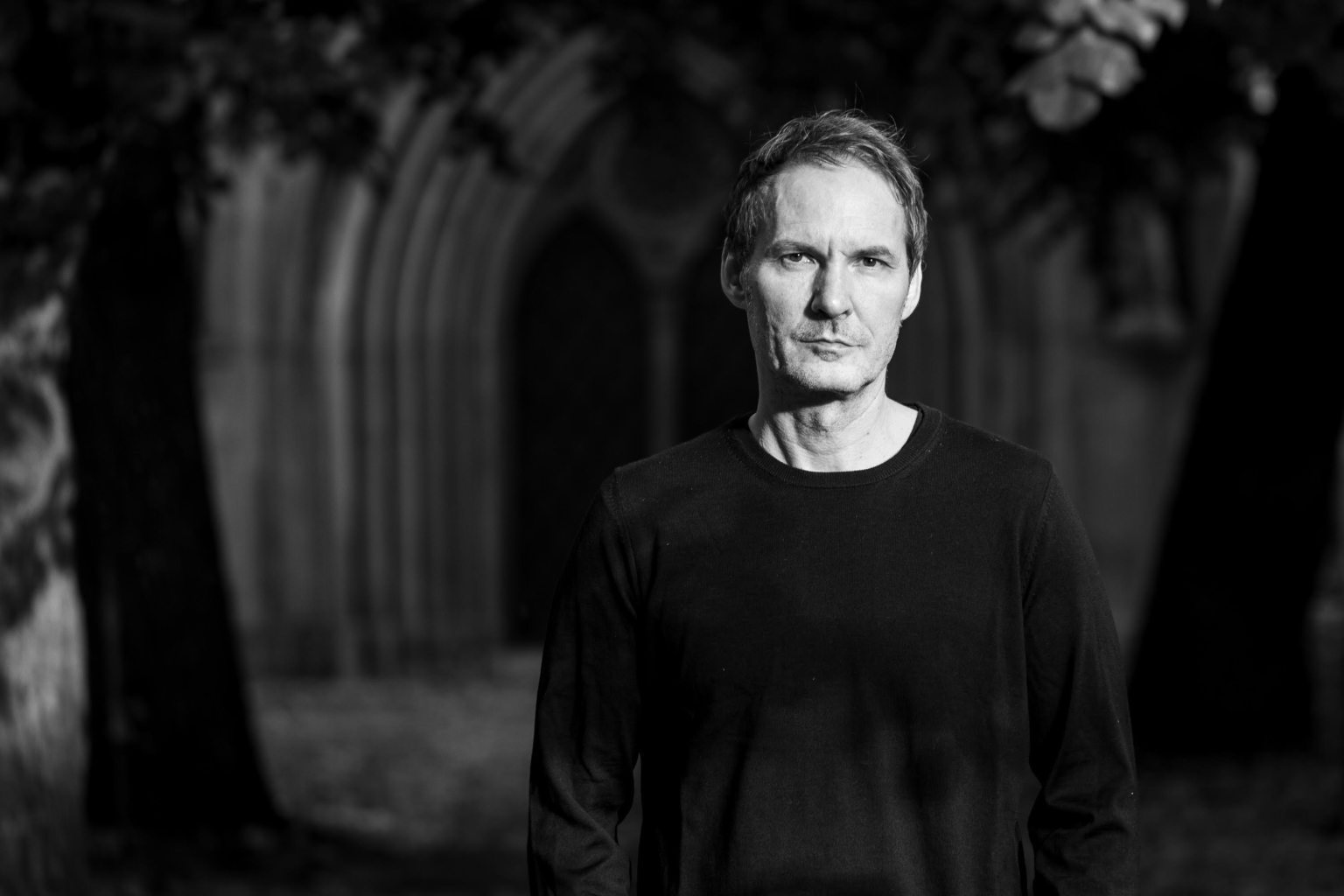
»In his music, composer Allan Gravgaard Madsen tries to create a better version of himself.« 

Allan Gravgaard Madsen is a Danish composer based in Copenhagen. His most recent works include Träume nicht and Nachtmusik. He tries to create a better version of himself in his music – where his personality tends to be restless, chatty and has an active inner life, his music is controlled, simple and merciless in its expression. He is the recipient of the Carl Nielsen & Anne Marie Carl-Nielsens Hæderspris 2022.

in briefrelease
23.01.2022

Finnish Space Travel

Tomutonttu: »Hoshi«
© Tomutonttu: »Hoshi«

The Finnish multimedia artist Jan Anderzén has, with the album Hoshi, released under the solo moniker Tomutonttu, created a true little star. Not only because »hoshi« literally means »star« in Japanese, but above all due to the music itself. There is something cosmic, yet infinitely minute, about the sonic worlds Anderzén conjures—like a galaxy reflected in a puddle, or a space journey in a rocket carved from a hollow tree trunk. Synths emit busy, warm blips and bloops, while ultra-short vocal and instrumental samples create a recognizable blur. At once artificial and organic – soft, rounded, jagged, crackling.

Anderzén approaches sound with a playfulness I simply adore. His music is strange in an incredibly comforting way. It places me in a kind of colorful, trance-like state, only interrupted when, several times over the course of the album, I find myself smiling in delight at a particularly great sound. The synths on »Katse osuu sähköön!« The choral samples on »Kesä oli äkkiä ohi!« Milo Linnovaara’s flute on »Malta lausua ‘AH’!« And many more. Hoshi is an album packed with microscopic moments that together form a frayed, exploding, radiant, idiosyncratic whole—a stellar moment of just under 38 minutes.