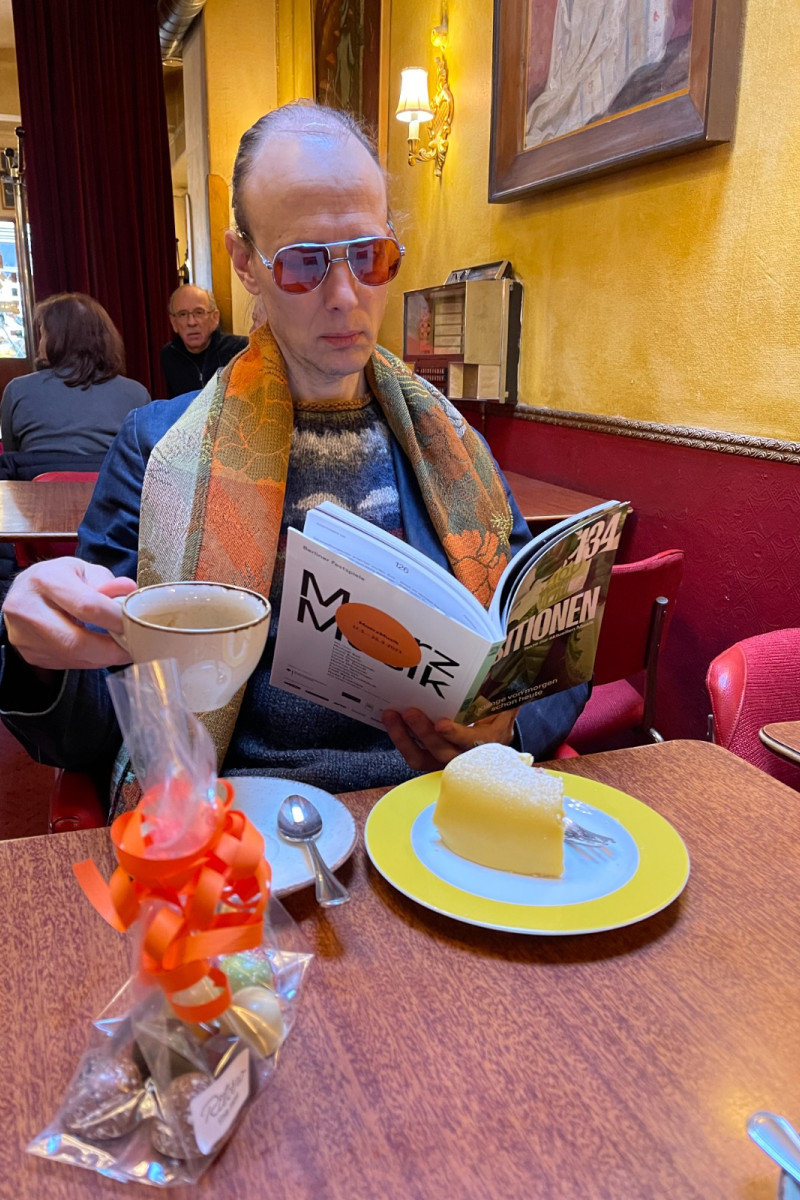

© Bastian Zimmermann

It is difficult to comprehend that Andreas Engström is no longer with us. Just a couple of months ago, he wrote – as he had done so many times before – with an ambitious proposal: he wanted to review a box set of twenty releases by Dror Feiler. In the same message, he mentioned plans to come to Aarhus for the recently concluded Spor Festival.

We often encountered Andreas at festivals. He travelled far and wide in pursuit of music – always moving forward, always searching, always attentive to what remained to be heard, understood, and shared. Some of us remember how he once came to Aarhus to review the sound artist Florian Hecker – and ended up hammering nails into a tree trunk at a German beer bar. Andreas was good company; he carried his curiosity lightly, with a sense of play.

Some of us got to know Andreas as early as twenty years ago, when he became editor of World New Music Magazine, published by the ISCM. Already then, he stood out as a young, quick and remarkably talented editor. Over the years, he would return to editorial roles in times of need – most notably at Positionen, the legendary journal founded by Gisela Nauck, which he later shaped together with Bastian Zimmermann.

Andreas was a sharp and critical thinker who consistently dug beneath the surface. A natural-born editor, he was deeply devoted to the processes of commissioning, refining, and publishing texts. He was involved in numerous publications and generously shared his knowledge of music criticism through teaching and mentorship.

Over the past five years, our three journals – Glissando, Positionen, and Seismograf – have collaborated closely, forming a network in which Andreas played a vital and inspiring role. Together, we initiated projects such as the article series Ukrainian Corridors. As recently as February, Andreas spoke enthusiastically about plans to launch a new music journal with Swedish colleagues.

Even during the series of Zoom meetings we held while he was living in Berlin, it became clear that his health was declining. Yet his commitment never faltered. He remained present, engaged, and curious. He fought his illness with courage and humour, and we remember moments when he would rejoin our meetings after treatment – refreshed, attentive, and ready to continue the conversation.

Andreas Engström was not only an exceptional music critic, but also a generous and deeply engaged human being. He never ceased to ask questions, to challenge assumptions, and to open spaces for reflection.

Fortunately, he leaves behind a substantial body of writing on sound art, music, and music theatre.

May his memory be honoured.

Andreo Mielczarek (Seismograf), Jan Topolski (Glissando), and Bastian Zimmermann (Positionen)

© PR

»To me, music is love. I love how music allows you to skip the small talk and connect directly with people’s innermost selves. It is an extraordinary and moving way to meet one another.«

Fenja wrote her first song at the age of twelve – about a polar bear dying due to climate change – and themes of existentialism, nature, and her own sensitive nature came to define the lyrics and sound she has since developed. She released her debut album, Flugtdyr, in 2021, and in February 2026, she released the album Menneskedyr.

© PR
© PR

Danish composer Sofus Forsberg has died at the age of 56. With his distinctive blend of melodic sensibility, electronic processing and rhythmic precision, he created a musical world that moved effortlessly between IDM, pop and the avant-garde.

© Simon Weyhe

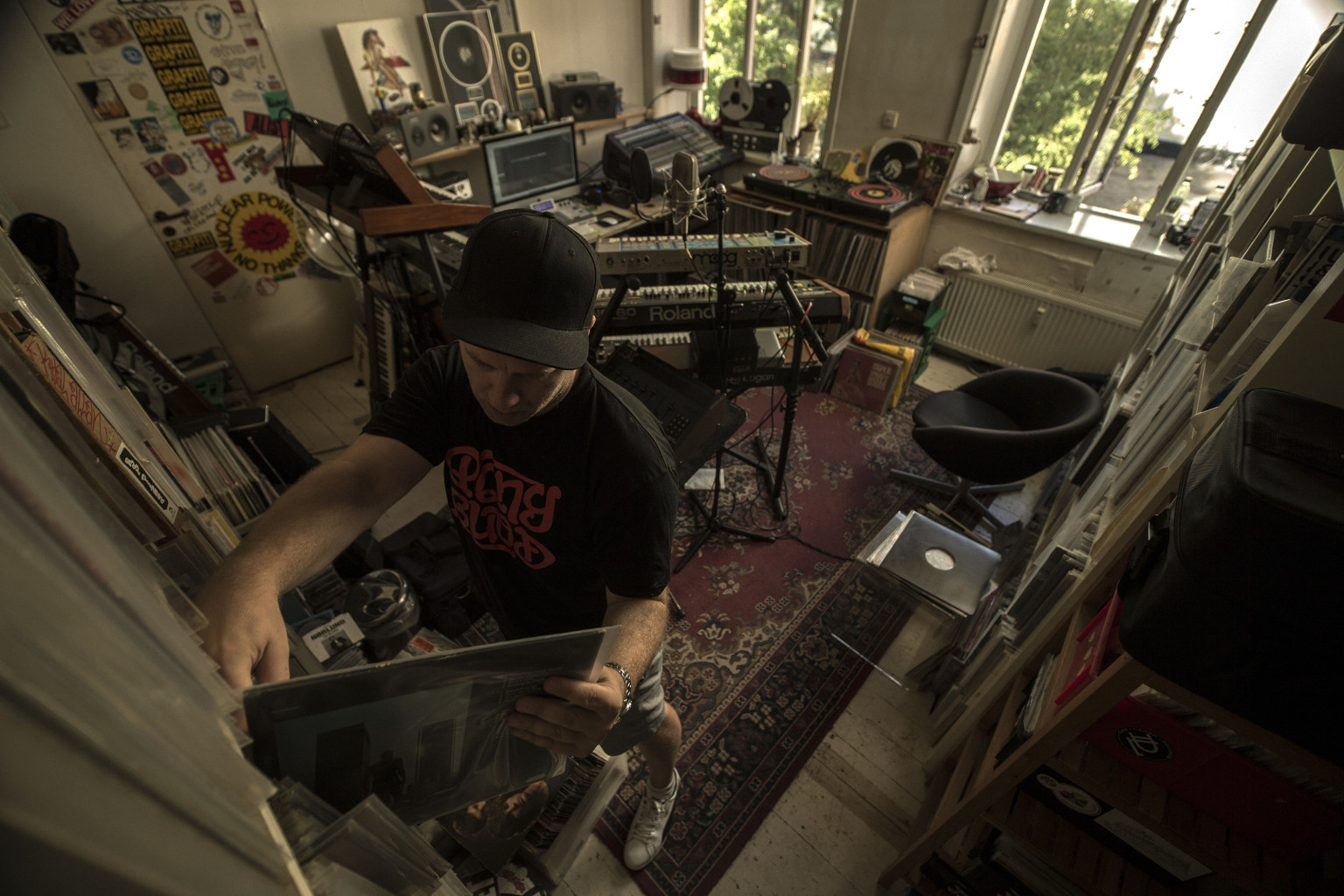
»Music for me is my hobby, my job, my outlet, my mood, an endless source of discovering new music and new, old music, some of the best and can be some of the worst. And I love it!« 

Track72 aka Tue Track aka Anders Lundby Brixen. Producer, DJ, rapper and more. Known for his role in the trio Malk De Koijn, which since the mid-1990s has created a personal universe in Danish hip-hop. Has performed in Ponyblod, Xtra Naan, Track Abdullah Rock, Booty Cologne and others.

© PR
© PR

On Wednesday, 5 August 2026, it happened again: a chord in John Cage’s Organ2/ASLSP (As Slow as Possible) changed after two and a half years. Classic FM reports.

The work was written by the American avant-garde composer John Cage in the mid-1980s. The score consists of eight pages of music, and, as the title suggests, the instruction is to play it »as slow as possible.«

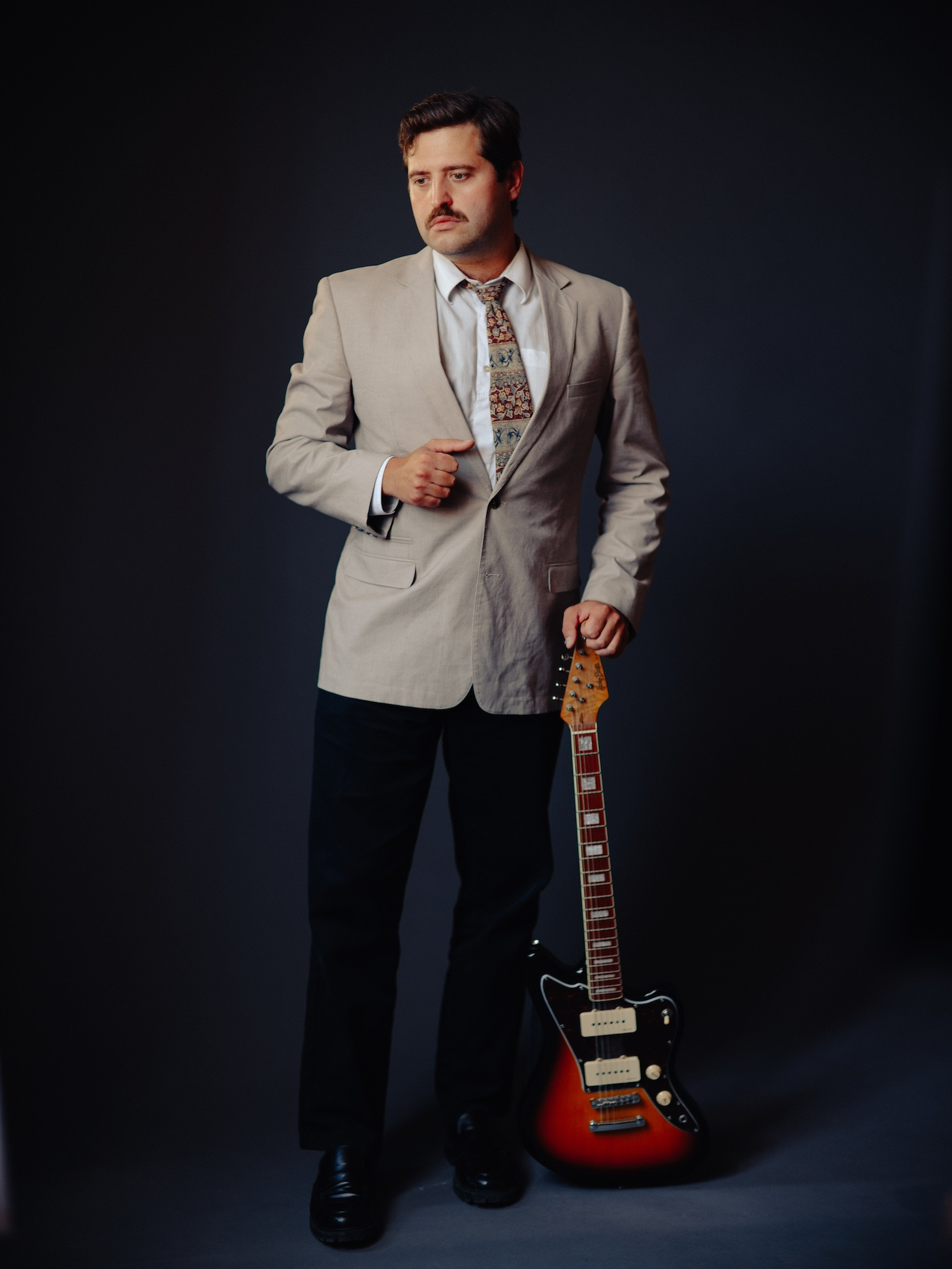
»What music is to me? Where have the great feelings gone?«.

Gellért Szabó is a composer, conductor and performer based in Leipzig, Germany. His work combines contemporary composition with influences from free improvisation, noise and the expressive richness of the late nineteenth century. He is the founder and artistic director of the 23-piece Ideal Orchestra, an ensemble dedicated to large-scale experimental music of sweeping emotional intensity. Alongside this work, Szabó performs internationally with his solo project Radical Radio Show, exploring symphonic textures and immersive sound worlds through a single electric guitar and live electronics. His music is driven by a search for intensity, vulnerability and uncompromising emotional expression.